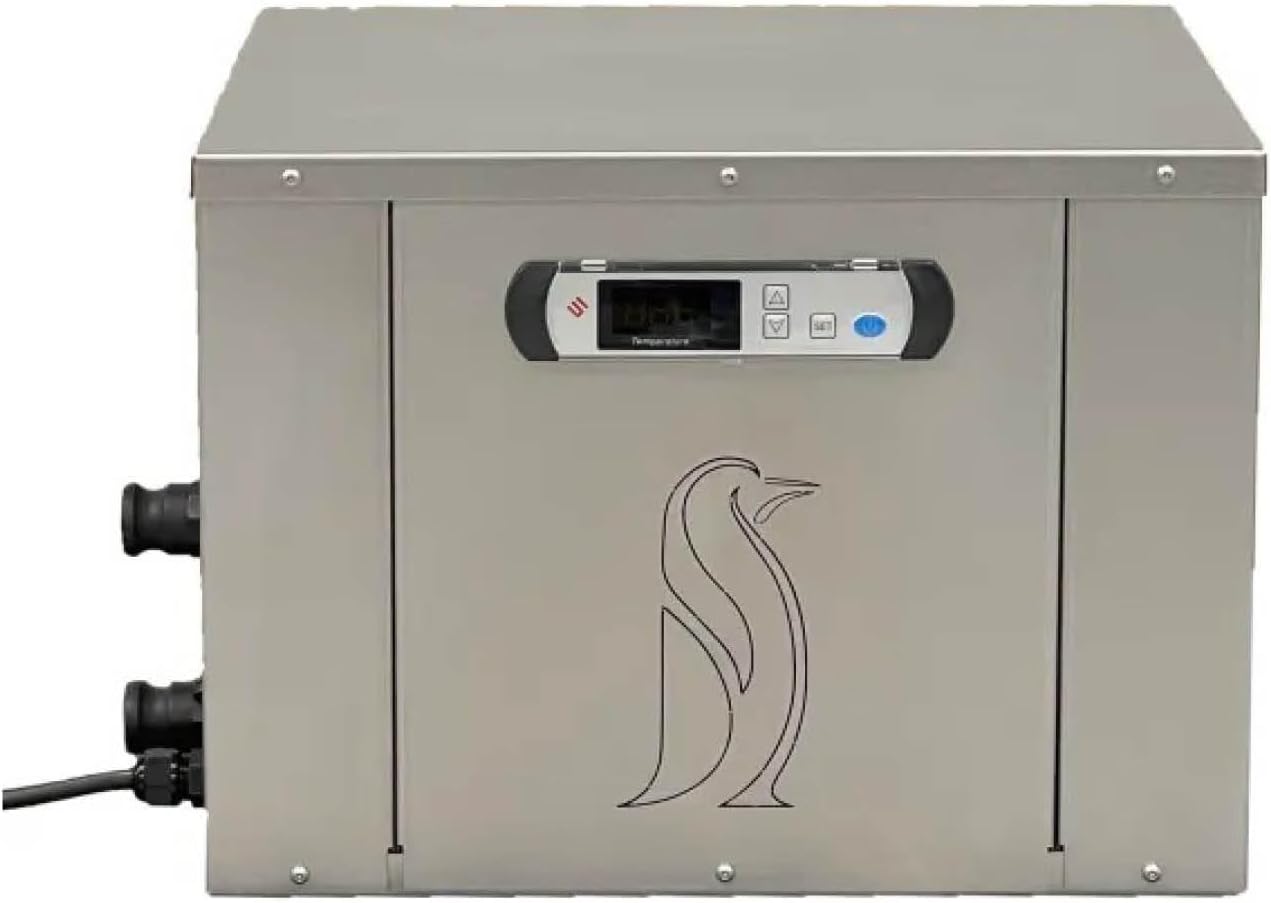
For serious biohackers outfitting a home gym in 2026, the Morozko Forge vs Blue Cube Pro decision really comes down to one philosophical question: do you want the coldest, most consistent water on the market, or the most refined commercial-grade reliability with the lowest long-term maintenance? Both are flagship chest-style, self-chilling, filtered cold plunges built for daily use. Morozko Forge edges colder (33-34°F sustained) and lets you actually grow ice on the surface. Blue Cube Pro counters with hospital-grade filtration, near-silent operation, and a build quality closer to commercial cryotherapy equipment than a home appliance.
This guide breaks down how each tank performs under real biohacker workloads — twice-daily protocols, post-workout contrast therapy, and Wim Hof-style breath sessions — and where targeted cold therapy machines fit in for joint-specific recovery between full plunges.
Morozko Forge vs Blue Cube Pro: The Core Comparison
| Feature | Morozko Forge (Forge Lid) | Blue Cube Pro |
|---|---|---|
| Coldest sustained temp | 33.5°F (can grow ice) | 37°F |
| Filtration | 20-micron + ozone | Hospital-grade triple-stage + UV |
| Interior dimensions | 52" x 24" x 28" | 55" x 27" x 30" |
| Compressor noise | ~52 dB | ~38 dB |
| Power draw (110V) | 9-11 amps | 7-9 amps |
| Water change interval | ~6-8 weeks | ~10-14 weeks |
| Warranty | 2 years | 5 years |
| Price (2026) | $11,900-$14,500 | $13,500-$16,800 |
Why Morozko Forge Wins for Pure Cold
If your protocol is built on hitting sub-40°F water for genuine norepinephrine spikes and brown fat activation, Morozko Forge is the more honest tool. The proprietary Forge Lid actually grows surface ice you have to break before entry — a feature that matters psychologically more than thermally, but it signals that this machine can hold water below the temperature where the body's cold shock response truly kicks in.
The trade-off is noise and maintenance frequency. The compressor cycles harder to keep water at 33-34°F, which means it's audible from a few rooms away. Biohackers running plunges in detached garages or basements rarely notice; those installing in a bedroom-adjacent home gym should think carefully.
Why Blue Cube Pro Wins for Daily Convenience
Blue Cube Pro is the right pick if you plunge twice daily and never want to think about water chemistry. The triple-stage filtration plus UV sterilization keeps water clear for 10-14 weeks of heavy use — roughly double Morozko's interval. The compressor is genuinely quiet enough to run inside a finished gym space without breaking concentration during lifting or meditation between cold blocks.
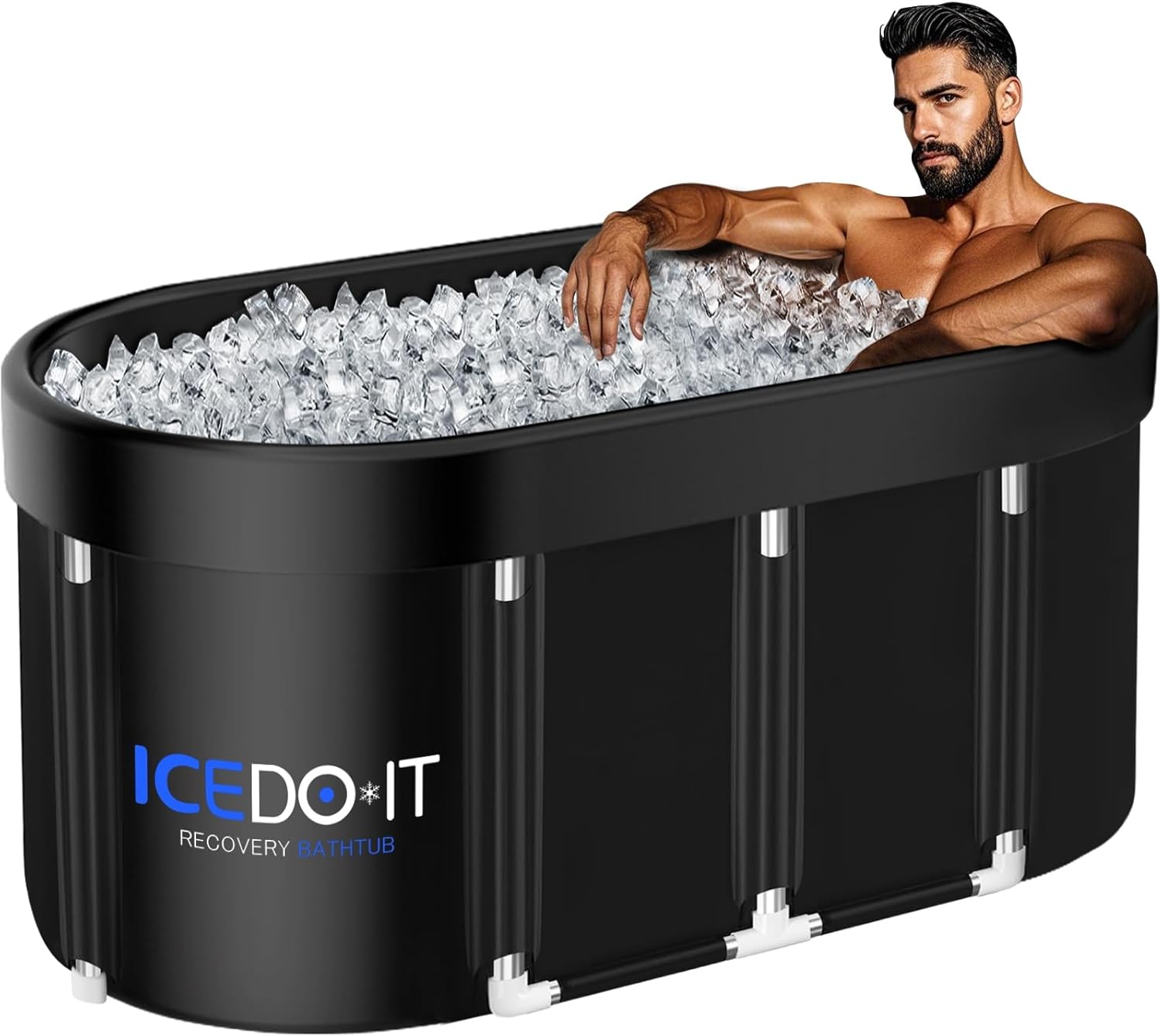
You give up about 3-4°F of cold ceiling. For most biohackers, 37°F is still well inside the therapeutic zone (Søberg protocol research suggests 50-57°F is sufficient for adaptation), so the practical gap is smaller than spec sheets imply.
Targeted Cold Therapy Tools for Between-Plunge Recovery
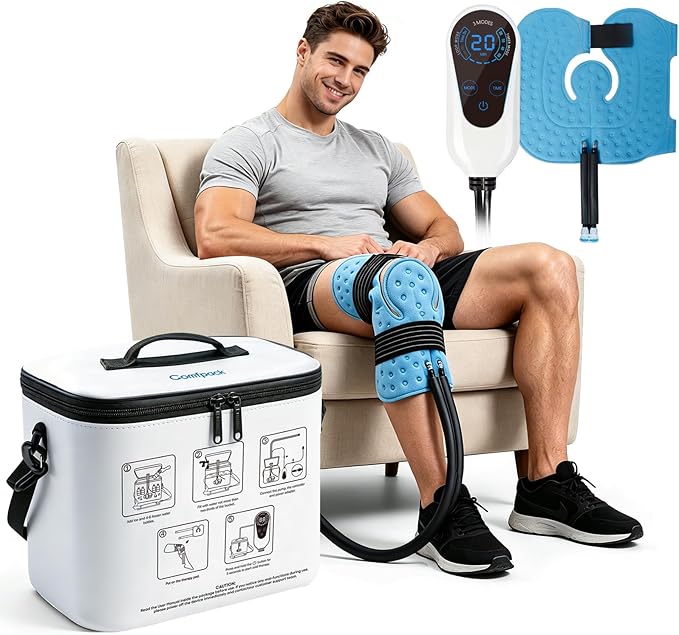
Serious biohackers rarely rely on plunges alone. After heavy lifting, BJJ, or running blocks, localized cold therapy on knees, shoulders, and elbows extends what the full-body plunge accomplishes — particularly for joints that don't fully submerge or for spot-treating tweaks before they become injuries. These targeted machines belong in any home gym recovery stack.
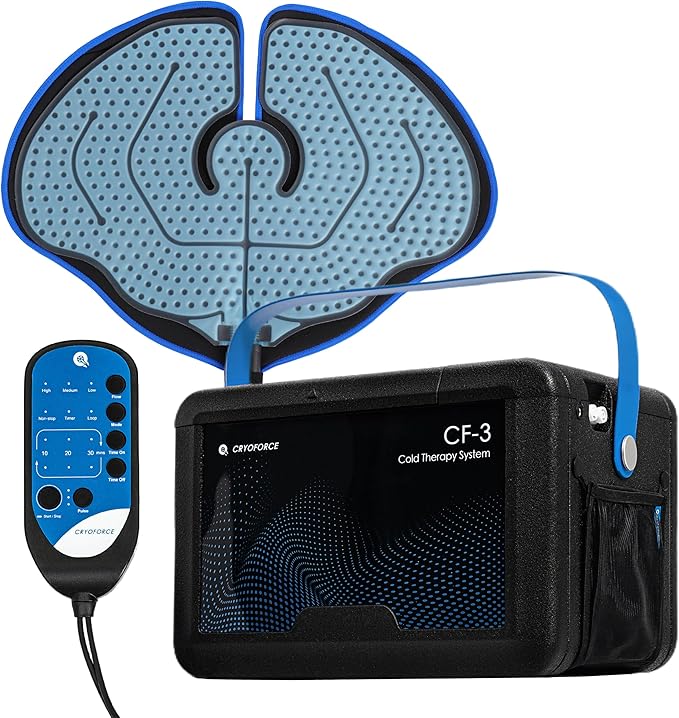
CF-3 Pro Cold Therapy Machine (16.8QT) — Best for Shoulder & Knee Spot Treatment
The 16.8-quart reservoir is the differentiator here. Most cold therapy machines tap out at 9-10 quarts, which means you're swapping ice every 30-40 minutes during a long session. The CF-3 Pro's large tank holds cold for 4-6 hours, making it ideal for post-leg-day knee work or shoulder rehab between heavy press sessions. The pump is quiet enough to run during sleep, and the included wraps fit both joints well.
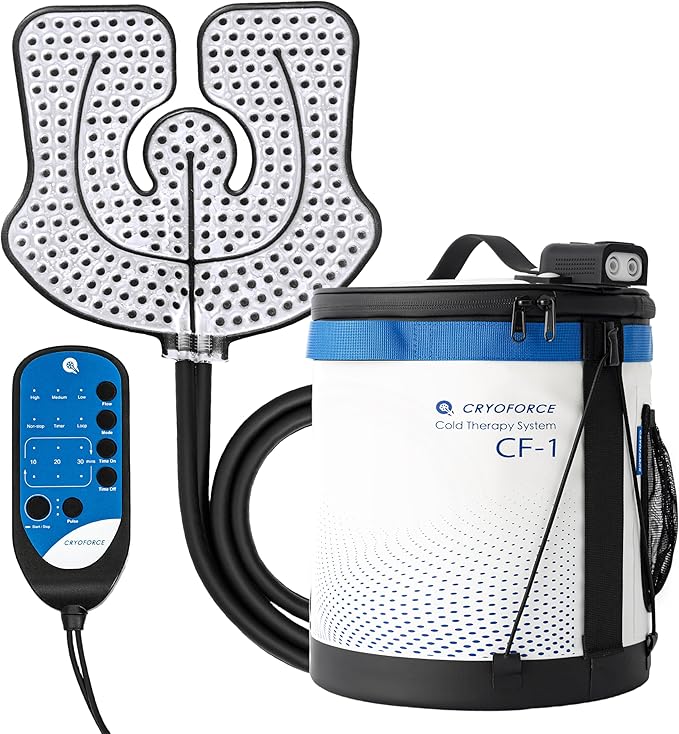
CF-1 Cold Therapy Machine — Best Quiet Option for Recovery Sleep
The CF-1 trades the CF-3's tank capacity for a near-silent pump purpose-built for overnight use. If you're using cold therapy as a sleep-onset tool (cooling a knee or shoulder lowers core temp slightly and accelerates sleep latency for many users), the CF-1 won't wake you when it cycles. Smaller reservoir means you'll add ice once during a long night, but the noise profile is unmatched in this category for ACL or rotator cuff rehab work.
Programmable Timer Cold Therapy Machine — Best for Structured Protocols
For biohackers who run timed contrast protocols (12 minutes cold, 4 minutes off, repeat), the programmable timer makes the difference between actually following the protocol and improvising. The unit cycles on/off automatically, which prevents the over-cooling that occurs when you fall asleep with a static cold wrap on. Compact enough to live next to your plunge tub without taking gym floor space.
Check the programmable timer machine on Amazon
ACL Recovery Cold Therapy Machine — Best for Post-Surgery Knee Work
If you're recovering from an ACL repair, meniscus surgery, or a lifting-induced patellar tendon flare-up, this purpose-built unit pairs better with surgical wraps than the more general-purpose machines above. Lower ice consumption per session and a simpler control scheme make it the right pick when you're not optimizing — you're rehabilitating.
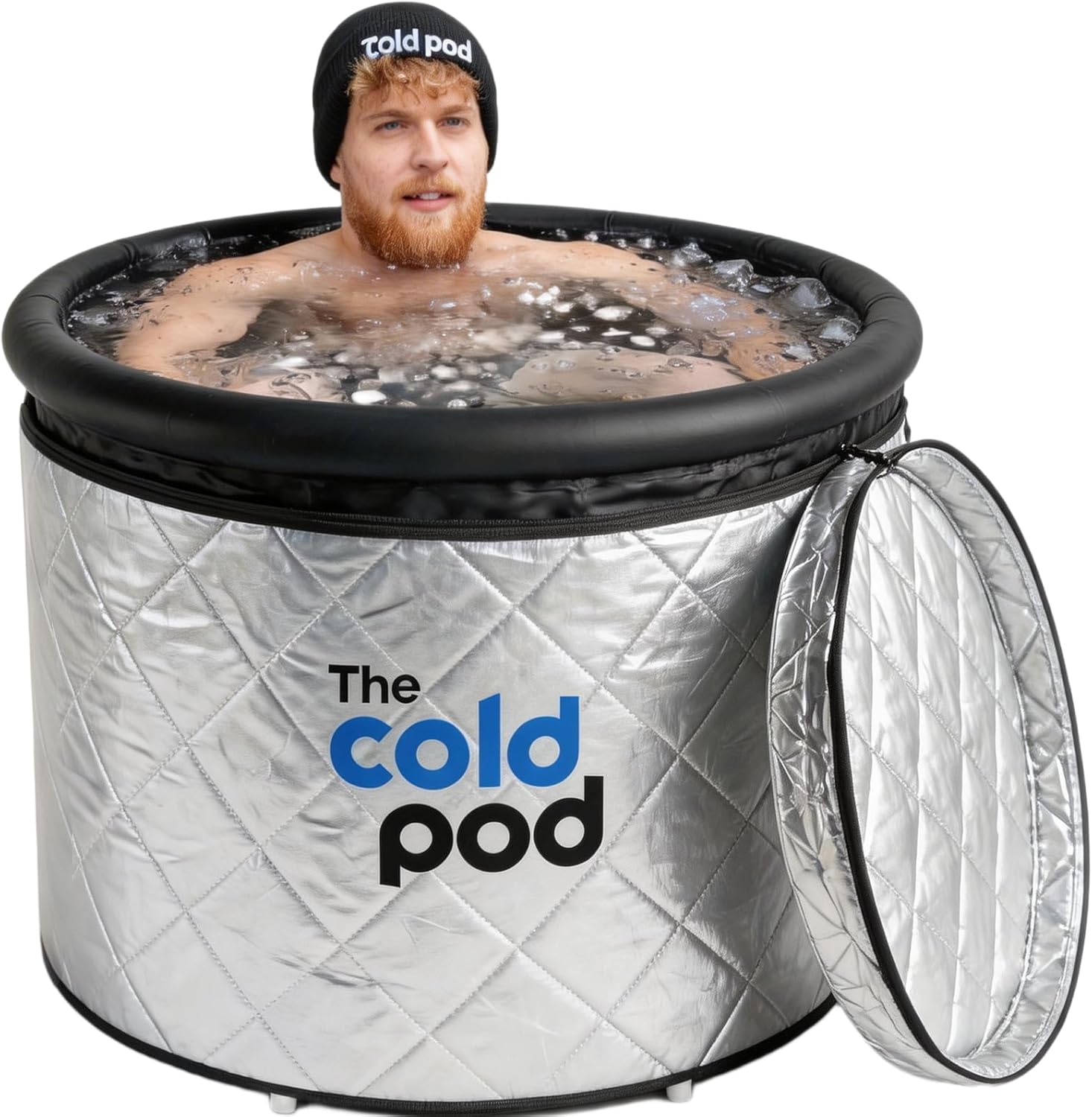
Check the ACL recovery unit on Amazon
How the Morozko Forge vs Blue Cube Pro Choice Maps to Real Home Gym Setups
This decision rarely has a universal answer — it depends on your installation environment and protocol intensity.
Detached garage gym, single user, hardcore cold protocols: Morozko Forge. Noise doesn't matter, the colder ceiling rewards your tolerance, and the lower price-per-degree is hard to argue with.
Finished basement gym, shared household, twice-daily use: Blue Cube Pro. The quiet compressor and longer water-change interval preserve household harmony, and the 5-year warranty matters for heavy use.
Spare-bedroom or office conversion: Blue Cube Pro, almost without exception. The noise difference is the deciding factor in shared living spaces.
Multi-user training facility or coaching practice: Blue Cube Pro. The filtration handles multiple bodies per day far better, and the lower maintenance load matters when you're not the only one paying attention to water clarity.
Installation Realities Both Brands Underplay
Both companies advertise plug-and-play installation. Reality is more involved. You need a dedicated 20-amp circuit on a 110V or 220V line depending on configuration. Both tanks weigh 350-450 lbs empty and 1,200+ lbs filled — second-floor installation is genuinely off the table without structural review. Drainage matters more than either brand admits; budget for either a nearby floor drain or a condensate pump.
If you're still in the planning stage, our guide to cold plunge installation requirements covers electrical, drainage, and floor-load considerations in detail.
Long-Term Cost of Ownership (2026 Numbers)
Sticker price misleads on both tanks. Morozko Forge's lower upfront cost ($11,900-$14,500) gets partially eaten by more frequent water changes, higher electricity use (the colder ceiling costs more amp-hours), and replacement filter cartridges every 6-8 weeks. Annual operating cost runs $480-$640.
Blue Cube Pro's higher sticker ($13,500-$16,800) is offset by longer water-change intervals, lower compressor duty cycle, and longer-lived filters. Annual operating cost runs $310-$420. Over five years of daily use, the Blue Cube Pro's total cost of ownership lands roughly $1,400 lower despite the higher purchase price.
Frequently Asked Questions
Is the Morozko Forge or Blue Cube Pro better for cold shock protein activation?
Both tanks reach the therapeutic zone for cold shock protein (RBM3) upregulation, which appears to plateau around 50°F based on current research. The Morozko Forge's colder ceiling matters more for norepinephrine spikes and brown fat activation than for cold shock proteins specifically. If RBM3 is your primary endpoint, either tank works.
Can I run a Morozko Forge or Blue Cube Pro on a standard 15-amp household circuit?
Technically yes during steady-state operation, but compressor startup spikes can trip a 15-amp breaker, especially when the unit is fighting to recover from a warm plunge. Both manufacturers recommend a dedicated 20-amp circuit. If you're running on shared 15-amp wiring, expect occasional nuisance trips during heavy-use weeks.
How does the Morozko Forge vs Blue Cube Pro comparison change for users over 200 lbs?
The Blue Cube Pro's larger interior dimensions (55" x 27" x 30") fit broader-shouldered athletes more comfortably for full submersion. Users above 6'2" or with shoulder widths over 21" should prioritize the Blue Cube Pro on fit alone, regardless of temperature preferences.
Do I still need targeted cold therapy machines if I own a premium cold plunge?
Yes, for joint-specific recovery. Full-body plunges don't deliver continuous cold to a specific knee or shoulder for 30-60 minutes the way a wrap-style cold therapy machine does. Post-surgery rehabilitation, focal injury recovery, and inflammation management on a single joint all benefit from targeted units running independently of your plunge protocol.
Which lasts longer with daily use, Morozko Forge or Blue Cube Pro?
Blue Cube Pro's 5-year warranty versus Morozko's 2-year warranty reflects real differences in expected compressor lifespan under daily heavy use. Field reports from biohacker communities show Morozko compressors typically need service or replacement around the 4-6 year mark with twice-daily use; Blue Cube Pro units routinely hit 7-9 years on the original compressor.
Can either tank be installed outdoors year-round?
Both can be outdoor-installed with caveats. Morozko Forge handles cold ambient temperatures better (its compressor is sized for harder work). Blue Cube Pro needs an insulated cover or shelter in climates below 20°F sustained, since its quieter compressor isn't sized for fighting extreme ambient cold. Both need shade in summer climates above 95°F.
What's the best protocol pairing with a premium cold plunge for biohackers?
Most experienced users run a morning 3-5 minute plunge for sympathetic activation and a post-workout 8-12 minute plunge for recovery — separated by 6+ hours. Adding targeted cold therapy on specific joints between sessions extends the recovery benefit without taxing the central nervous system. Our breakdown of contrast therapy protocols for 2026 walks through the timing in detail, and water chemistry maintenance covers what daily use actually demands.
Final Verdict
For most serious biohackers building dedicated home gyms in 2026, the Blue Cube Pro is the more sensible long-term investment despite costing more upfront — quieter operation, longer warranty, lower maintenance, and better fit for larger athletes. Morozko Forge remains the right pick for cold purists who genuinely care about hitting 33-34°F and who have an installation environment (detached garage, dedicated outbuilding) where compressor noise doesn't matter. Pair either tank with a targeted cold therapy machine like the CF-3 Pro for joint-specific recovery between plunges, and you have a recovery stack that addresses both systemic and focal needs.
Key Takeaways
- Choosing the right Morozko Forge vs Blue Cube Pro means matching capacity and output ports to your actual devices
- Always check actual watt-hours (Wh), not just watts — runtime depends on Wh, not peak output
- Also covers: Morozko Forge review biohacker
- Also covers: Blue Cube Pro home gym
- Also covers: high end cold plunge comparison
- Compare price-per-Wh across models to find the best value for your budget