Using a cold plunge after ACL reconstruction rehab can speed swelling control, dull post-exercise pain, and help you push harder in physical therapy, but timing and technique matter. Most orthopedic surgeons clear full-body cold immersion only after the surgical incisions are fully closed (typically 3-4 weeks) and the bulky knee brace comes off. Until then, a targeted cold therapy machine that circulates icy water through a knee wrap is the safer, more clinically endorsed option. Once you progress into late-stage rehab (usually weeks 8-12 onward), short 2-5 minute plunges at 50-59°F can complement strength work without interfering with healing.
Why cold therapy belongs in your ACL recovery plan
After an ACL reconstruction, your knee will swell, the quad will shut down, and the surgical graft will need months to mature. Cold therapy addresses two of those three problems directly. Vasoconstriction reduces blood flow to inflamed tissue, lowering both effusion and pain signaling, while the analgesic effect lets you tolerate the early range-of-motion and quad-activation drills that prevent arthrofibrosis. The American Academy of Orthopaedic Surgeons still lists cryotherapy as a first-line modality in the acute and sub-acute post-op windows, and most board-certified surgeons send patients home with either a gravity-fed ice cuff or a motorized cold therapy machine.
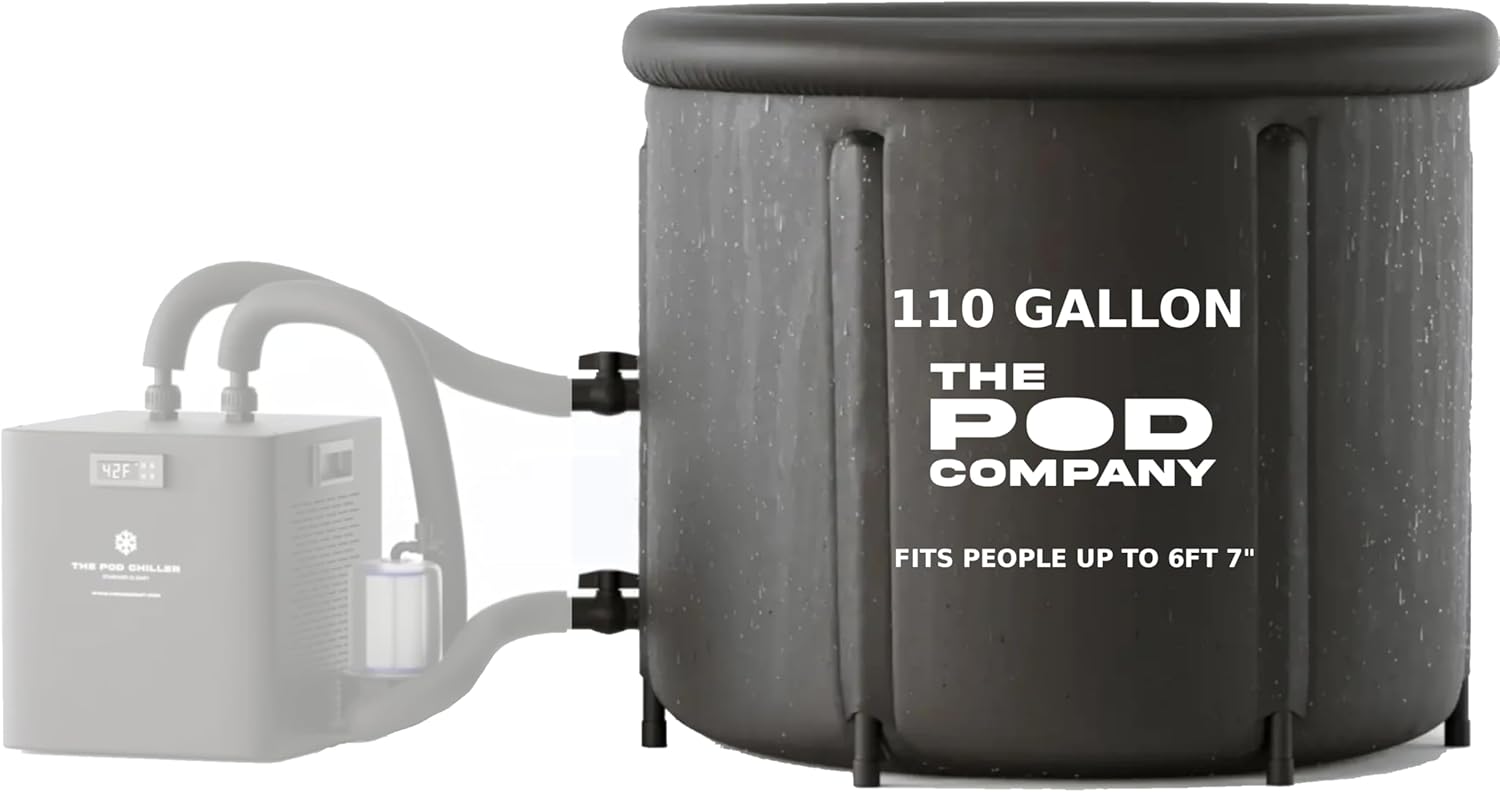
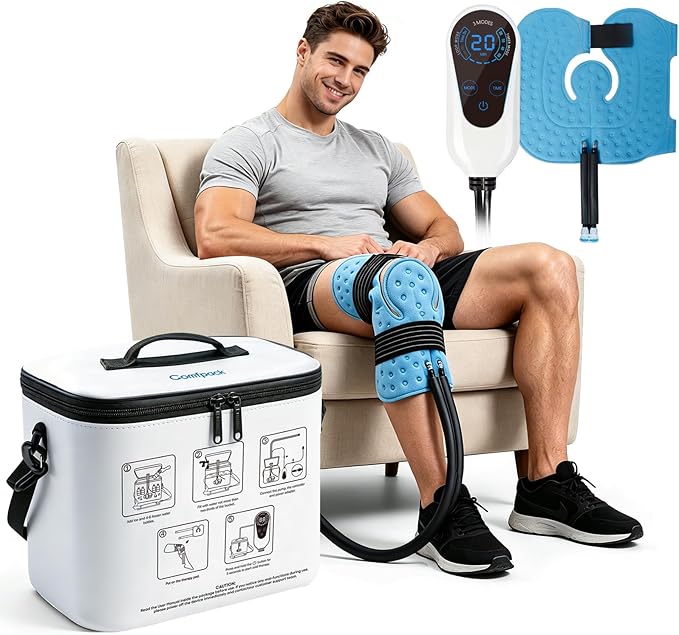
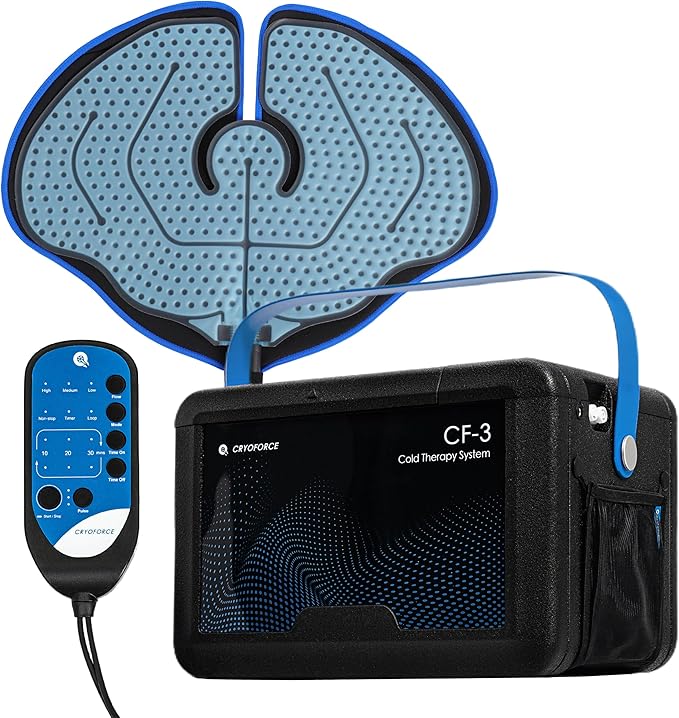
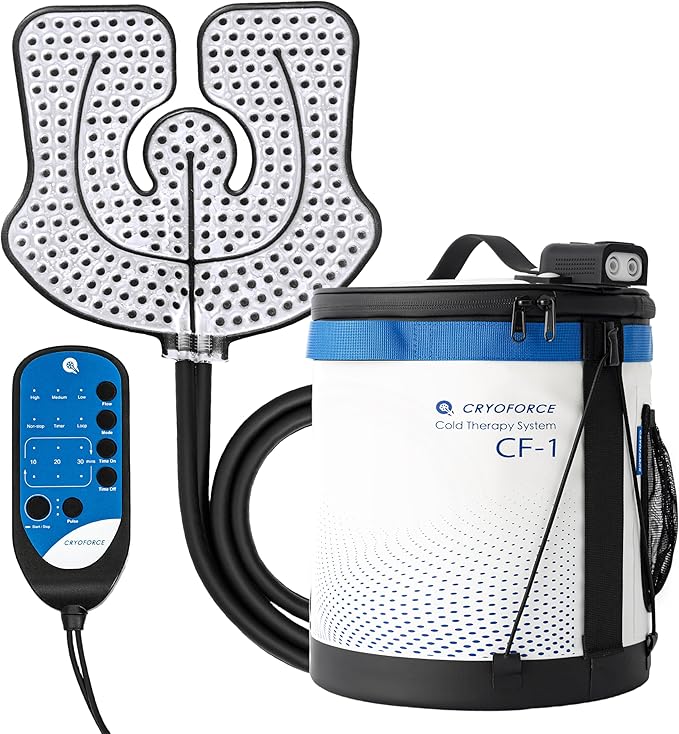
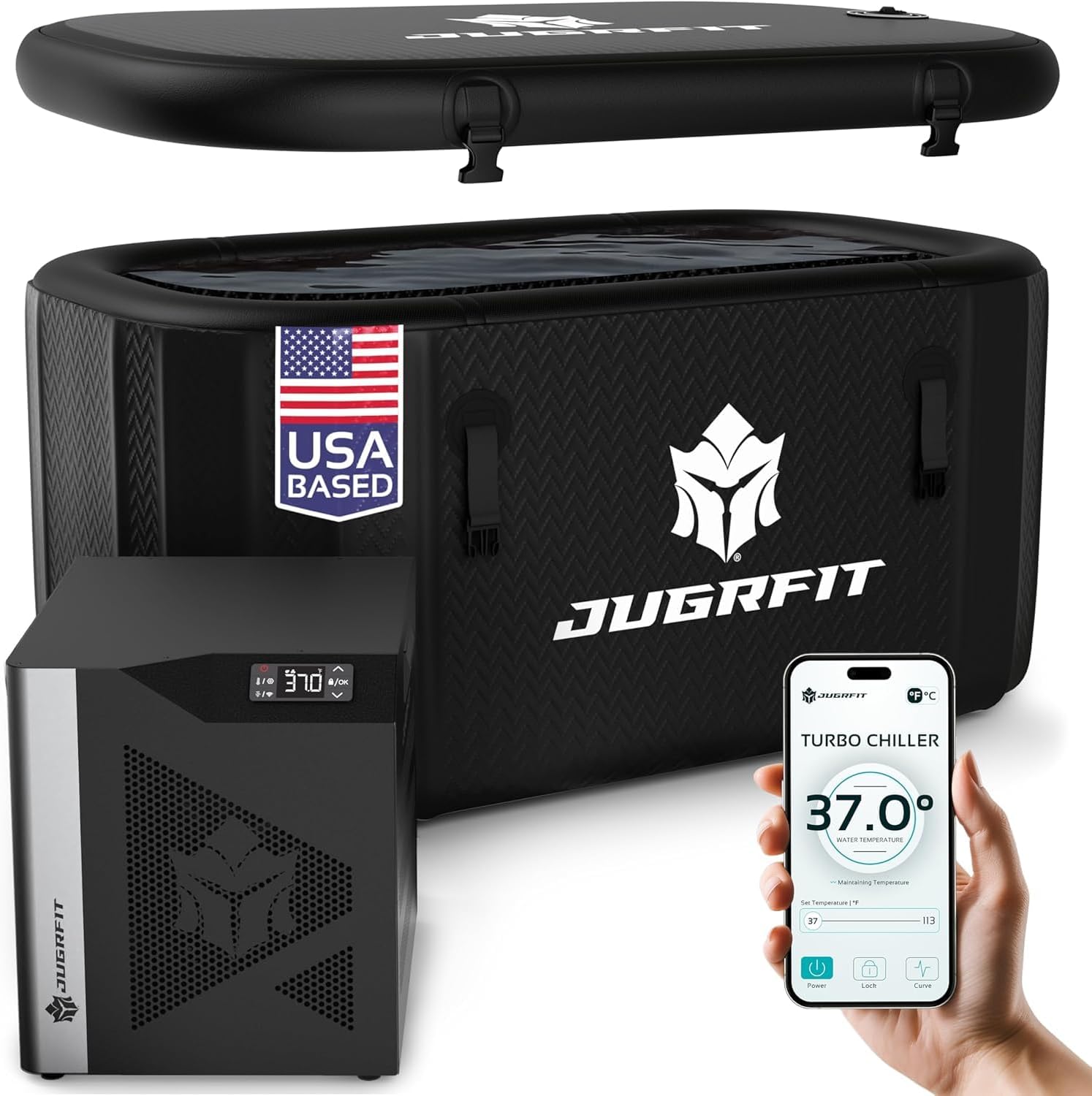
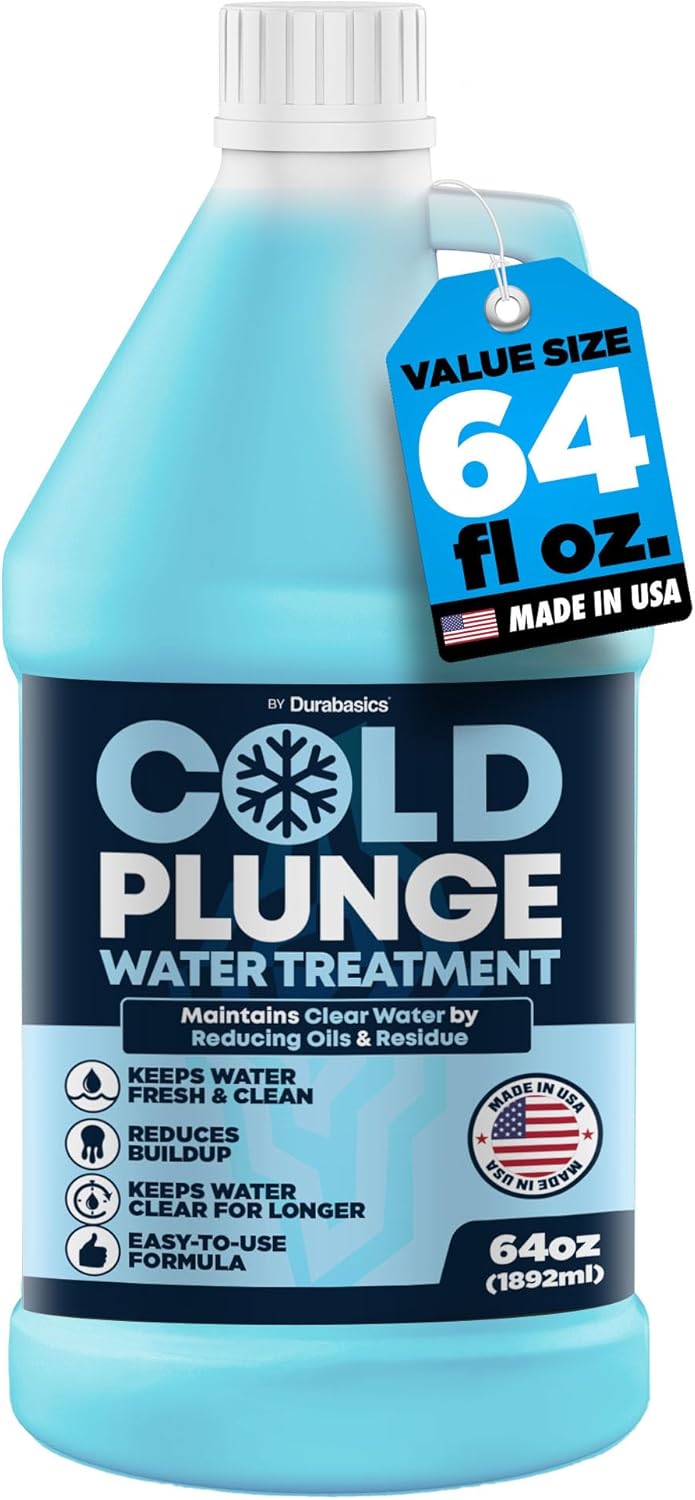
Where cold plunges differ from these targeted devices is dose. A 50°F tub immerses the entire leg (and the rest of you) for several minutes, producing a systemic stress response in addition to the local one. That can be useful later in rehab when you are chasing recovery between heavy lifting or plyometric sessions, but it is overkill—and potentially counterproductive—while the graft is still revascularizing.
When to start a cold plunge after ACL reconstruction rehab
Use this rough phase map, but always defer to your surgeon and physical therapist:
- Weeks 0-3 (acute): Targeted cold therapy machine only. Aim for 20 minutes every 2 hours while awake, with the cuff wrapped over a thin layer to protect skin.
- Weeks 3-8 (sub-acute): Continue machine-based therapy after PT sessions. No immersion yet—incisions need to be fully closed and you should still be wearing a hinged brace during loaded activities.
- Weeks 8-12 (strength phase): Brief lower-body plunges (knee-to-hip immersion, 2-3 minutes at 55°F) are usually fine on rest days. Skip plunges immediately after hypertrophy-focused leg sessions, where you actually want some inflammatory signaling.
- Months 4-9 (return-to-sport): Full cold plunges up to 5 minutes at 50-55°F can support recovery between high-intensity field sessions. Many ACL athletes pair plunges with compression and elevation on heavy training days.
For a deeper look at how immersion timing affects training adaptation, see our companion guide on cold plunge timing after workouts.
Cold plunge vs. targeted cold therapy machine
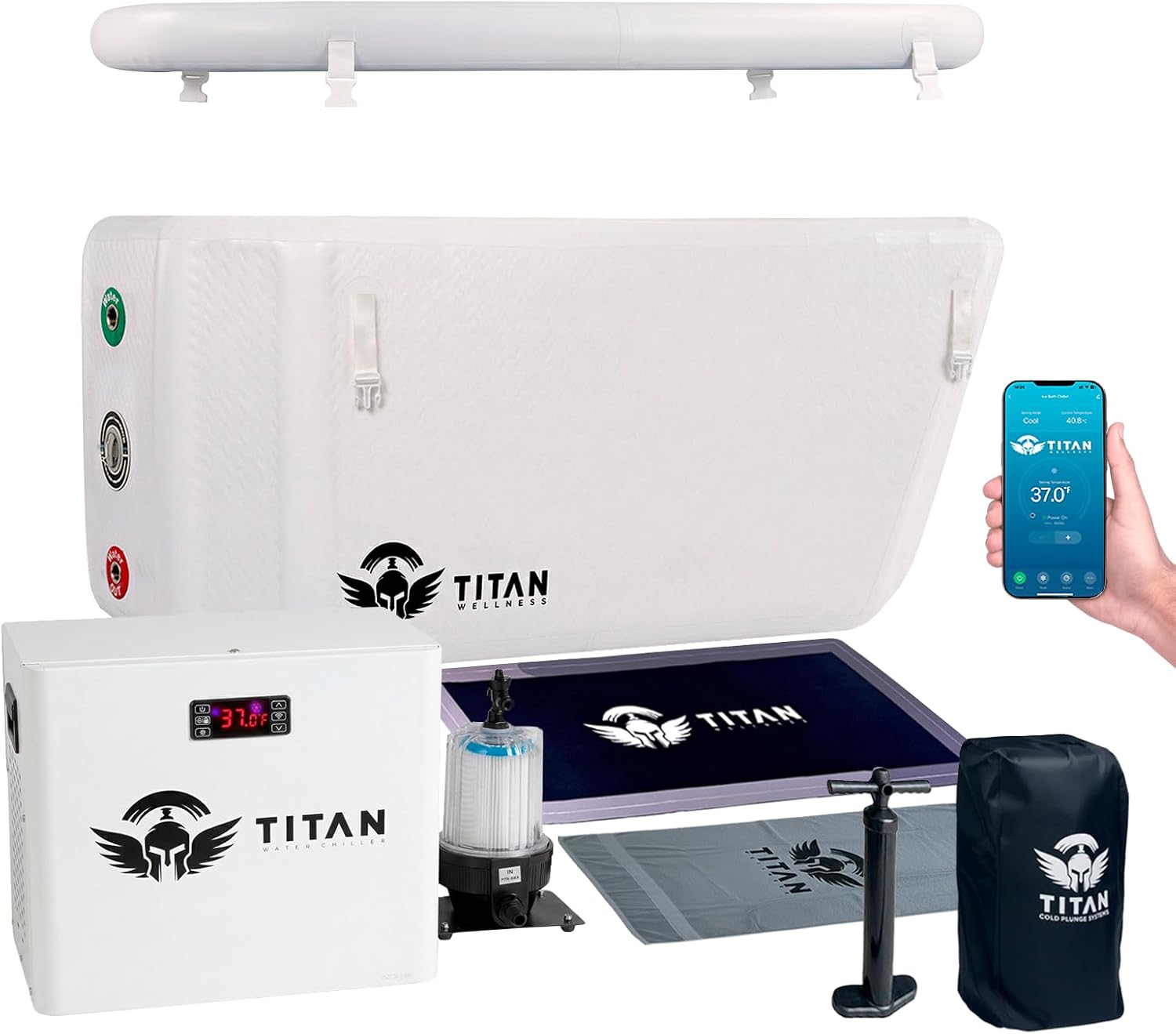
If you only own one cold tool during ACL rehab, make it a circulating cold therapy machine. A plunge tub is a wonderful adjunct in months 3+, but a motorized ice machine is what you will actually reach for at 2 a.m. when your knee is throbbing and you cannot wedge yourself into a 100-gallon tub of ice. The ideal setup, especially in 2026 with sub-$200 entry-level units, is to own both—a knee-specific machine for the first 12 weeks and a plunge tub once you graduate to strength and conditioning. Compare features below before you commit.
Best cold therapy machines for ACL recovery in 2026
The four machines below are the ones I recommend most often to post-op patients and weekend athletes. All four pair a circulating pump with an insulated reservoir and a contoured knee pad, but they differ meaningfully on capacity, runtime, noise, and programmability.
| Model | Reservoir | Runtime per fill | Programmable timer | Best for |
|---|---|---|---|---|
| CF-3 Pro 16.8QT | 16.8 quarts | 8-10 hours | Yes | Overnight use, larger joints |
| CF-1 Quiet System | ~9 quarts | 5-6 hours | Basic timer | Light sleepers, daytime icing |
| ACL Recovery Ice Machine (B0DK2VFZZW) | ~7 quarts | 4-5 hours | No | Budget-focused first machine |
| Portable Programmable (B0FXK3GW9B) | ~8 quarts | 6 hours | Yes, multi-cycle | Travel and clinic days |
CF-3 Pro Cold Therapy Machine, 16.8QT Large-Capacity Ice Therapy System
If you want one device that will carry you from surgery day through return-to-sport, the CF-3 Pro is the standout pick. The 16.8-quart reservoir holds enough ice to run a continuous cycle overnight, which is the single biggest predictor of patient compliance during the first two weeks post-op. The included universal pad fits the knee, shoulder, hip, or low back, so the same machine handles a future tweak after you have moved on from your ACL. Temperature stability is excellent, and the digital control panel lets you set work/rest intervals (a feature most surgeons now request to avoid skin injury from continuous deep cold). Check current price on Amazon.
CF-1 Cold Therapy Machine for Knee Surgery Recovery, Quiet Ice Therapy System
The CF-1 is the model I steer light sleepers and apartment dwellers toward. Manufacturer-rated noise sits in the low 40-decibel range, quiet enough to run on a nightstand without ruining your sleep architecture—which matters because deep sleep is when your graft tissue does most of its remodeling. The reservoir is smaller than the CF-3 Pro, so you will refill ice every 5-6 hours, but the contoured knee pad seals well around a freshly operated joint and the machine starts up reliably without priming. View the CF-1 on Amazon.
Cold Therapy Machine, Ice Machine for Knee After Surgery, ACL Recovery
This is the most budget-friendly option of the four and the one I suggest when patients are buying a machine themselves after their surgical center sent them home with just a gel pack. It is purpose-built for the knee, with a wrap designed around the standard ACL surgical footprint (medial and lateral portals plus the patellar tendon harvest site). Runtime per fill is shorter, so plan on refilling roughly every four hours during peak swelling days, but the price-to-performance ratio is hard to beat for the acute window. See it on Amazon.
Cold Therapy Machine, Portable Ice Machine for Knee with Programmable Timer
The portable programmable model splits the difference between the CF-1 and the budget pick. Its big differentiator is the multi-cycle programmable timer, which lets you set, for example, 20 minutes on and 30 minutes off for a full eight-hour stretch—exactly the protocol most physical therapists prescribe to avoid frostbite while still getting therapeutic dose. It is also genuinely portable, with a carry handle and a footprint small enough for a clinic backpack or hotel room. Check it out on Amazon.
How to safely use a cold plunge once you graduate to immersion
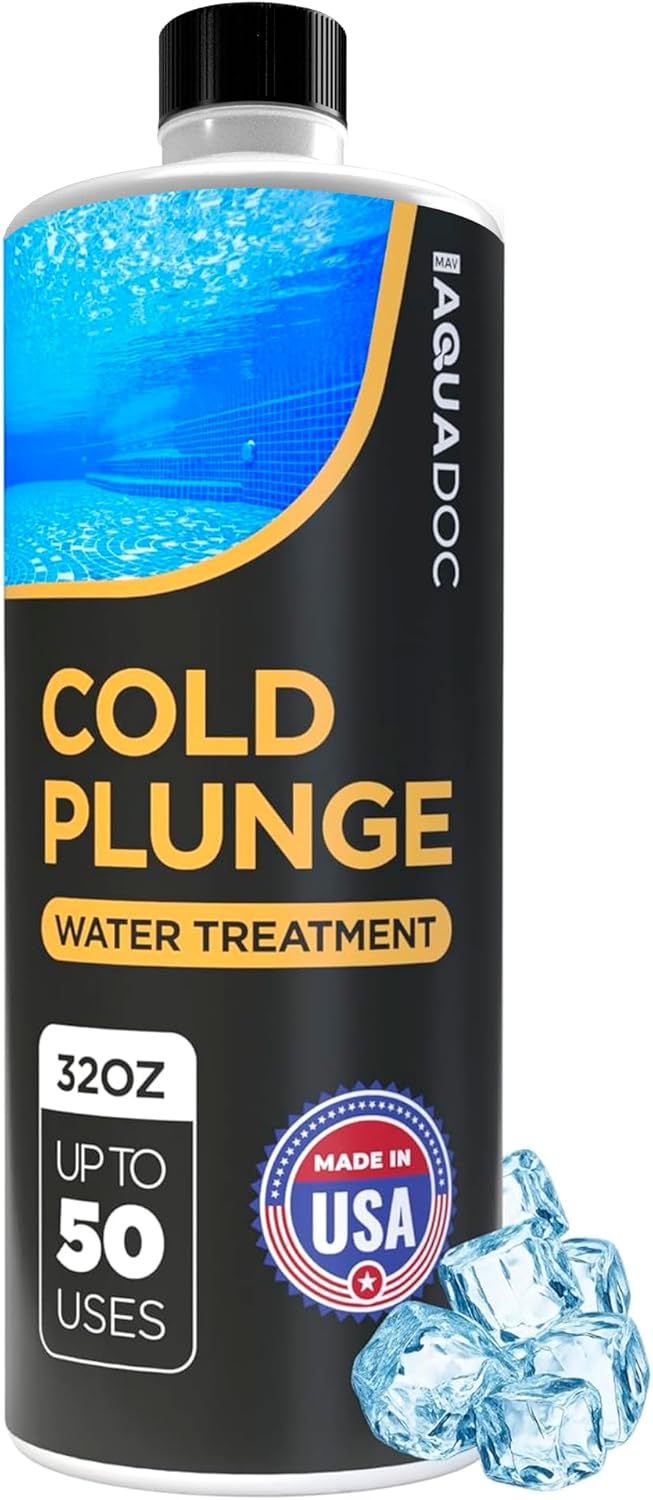
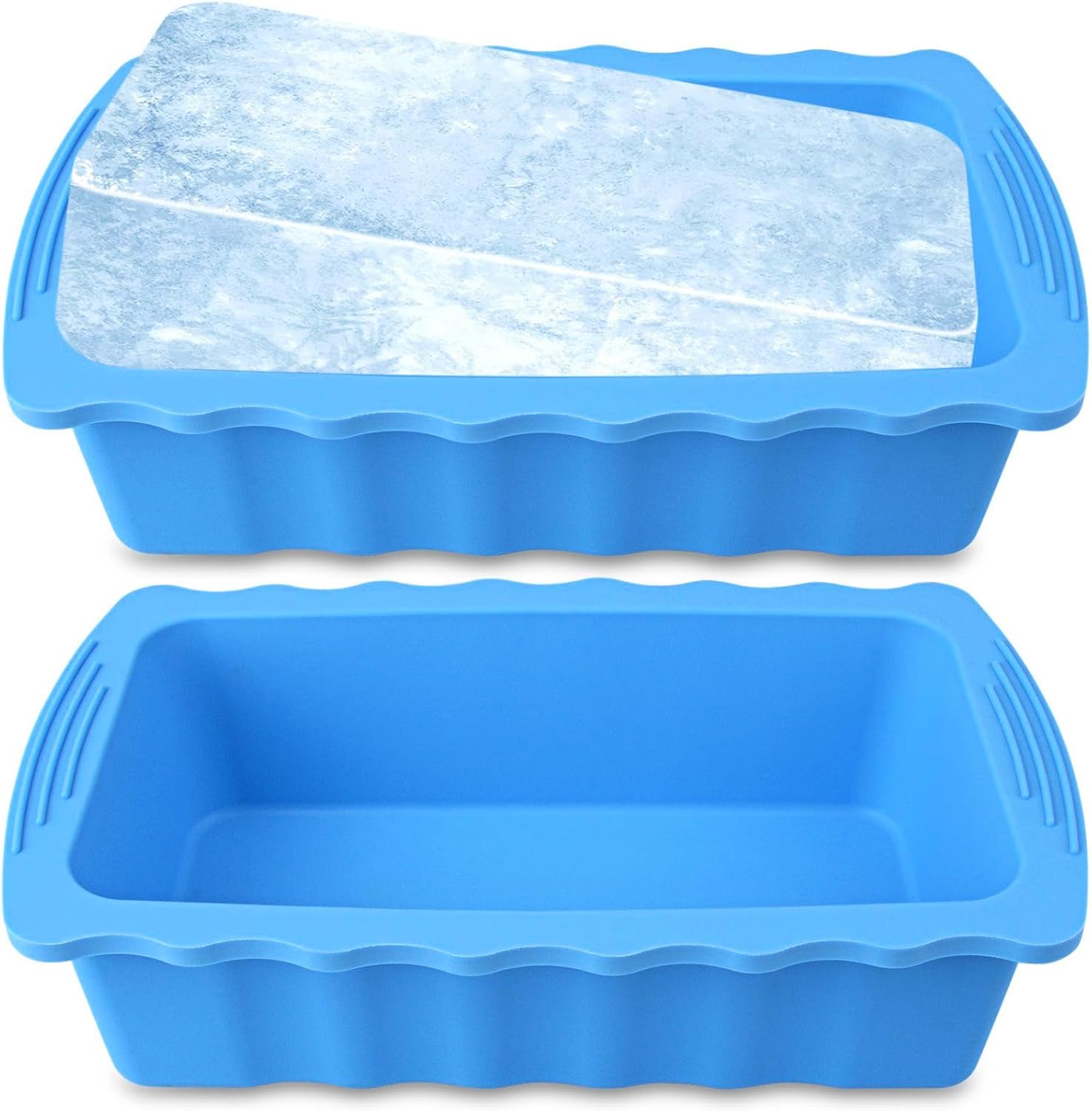
Once your surgeon clears full-leg immersion, build into plunges gradually. Start with a 2-minute dip at 55-59°F and only progress duration or drop temperature once you can complete that comfortably without breath-holding or shivering. Always have a dry towel and warm layers ready—vasoconstriction at the operative knee can mask early signs of skin irritation around healed incisions, and you want to inspect the area after every session.
A few rules I give every ACL patient:
- Never plunge alone in the first month of immersion. A graft-loaded knee can buckle when standing up from cold water.
- Skip plunges within 4 hours of heavy resistance work. The literature on cold immersion blunting hypertrophy is now strong enough that I tell patients to ice locally with a machine instead and save plunges for off days.
- Watch for graft sensitivity. If the front of your knee burns or stings rather than just feeling cold, get out. Hamstring grafts in particular can be temperature-sensitive in months 3-6.
- Use plunges to support sleep, not replace it. An evening plunge can drop core temperature and improve sleep onset, which speeds recovery more than any modality.
For protocol templates and recommended tub temperatures by training phase, see our cold plunge protocols for athletes guide, and our roundup of post-surgery recovery tools covers compression and elevation gear that pair well with cold therapy.
Frequently Asked Questions
How long after ACL surgery can I get in a cold plunge tub?
Most surgeons clear full immersion once incisions are fully closed and dry, typically 3-4 weeks post-op, but many wait until the 6-8 week mark when the hinged brace comes off for daily activities. Until then, a circulating cold therapy machine delivers the same anti-inflammatory benefit without submerging healing tissue in non-sterile water.
What temperature should a cold plunge be after knee surgery?
Stay warmer than you would for a healthy plunge. Start in the 55-59°F range for 2-3 minutes once cleared, and only drop to 50-54°F after a couple of weeks of comfortable sessions. Sub-50°F water is unnecessary for recovery benefits and increases the risk of post-immersion stiffness in a still-healing joint.
Will a cold plunge after ACL reconstruction rehab hurt my graft healing?
Used correctly—short duration, moderate temperature, after the acute inflammatory window—there is no evidence that cold immersion harms graft maturation. The concern is more about timing relative to strength work: chronic, post-lift cold exposure can dampen the hypertrophic signal you need to rebuild your quad. Plunge on rest days or several hours after lifting, not immediately after.
Is a cold therapy machine better than a cold plunge for ACL recovery?
In the first 8-12 weeks, yes—a circulating cold therapy machine is more practical, safer, and easier to dose precisely than a plunge tub. After that, the two tools serve different purposes: the machine targets the joint, while a plunge delivers a systemic recovery stimulus. Most patients end up using both during return-to-sport.
How often can I ice my knee with a cold therapy machine after ACL surgery?
The standard early-phase prescription is 20 minutes on, 30-60 minutes off, repeated throughout waking hours for the first 5-7 days, then 3-4 sessions per day for the following two to three weeks. Machines with programmable timers (like the portable B0FXK3GW9B or the CF-3 Pro) make this protocol easy to follow without setting phone alarms.
Can I use a cold plunge before physical therapy sessions?
Pre-PT cold exposure is generally a bad idea once you are past the acute phase. Cold tissue is stiffer, less proprioceptive, and slower to fire—all of which can compromise the quality of your range-of-motion, neuromuscular, and strength drills. Save plunges for after PT, or at least 2 hours before, so the joint warms up before loading.
Do I need a doctor's clearance to start cold plunging after ACL surgery?
Yes. Even if a plunge tub seems harmless, your surgeon is the one who can confirm that incisions are closed, that the graft is at an appropriate healing stage, and that you do not have any contraindications such as nerve sensitivity from a saphenous nerve graft. Bring up cold immersion specifically at your 6-week and 12-week follow-ups so your timeline is clear.
Key Takeaways
- Choosing the right cold plunge after ACL reconstruction rehab means matching capacity and output ports to your actual devices
- Always check actual watt-hours (Wh), not just watts — runtime depends on Wh, not peak output
- Also covers: ACL surgery ice bath protocol
- Also covers: post ACL cold therapy
- Also covers: knee rehab cold plunge timing
- Compare price-per-Wh across models to find the best value for your budget