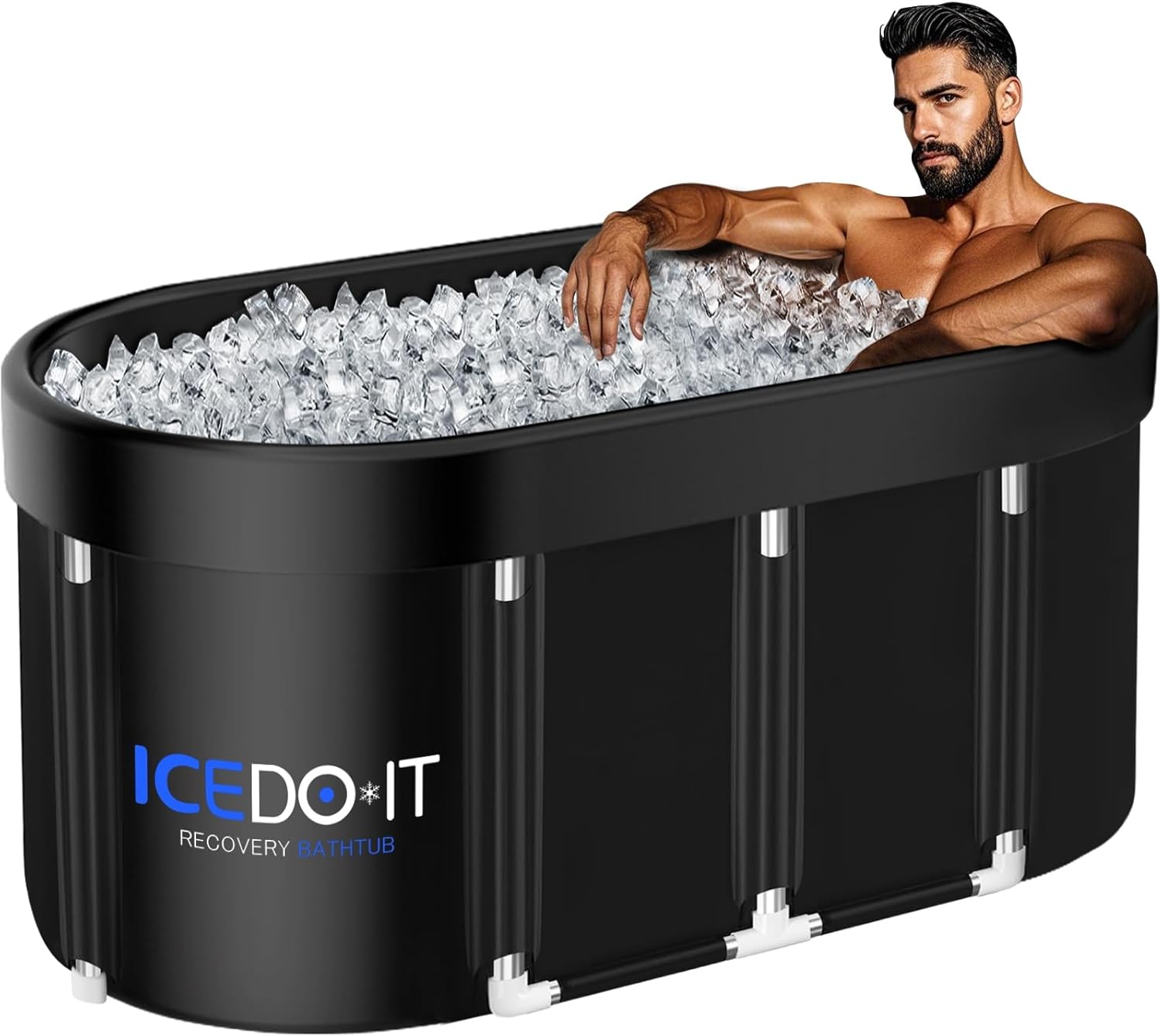
Looking for a cold plunge tub under 500 for college athletes? You have more options in 2026 than ever before, but most legitimate full-body setups at this price point are inflatable or barrel-style tubs paired with daily ice fills or a basic chiller. This guide breaks down what actually works on a student budget, what to skip, and how to round out a sub-$500 plunge with targeted ice therapy machines for knees, shoulders, and post-game flare-ups. The smartest cold plunge tub under 500 for college athletes build usually combines an inflatable tub with one focused cold therapy unit for joint-specific recovery between practices.
What "under $500" actually buys a college athlete in 2026
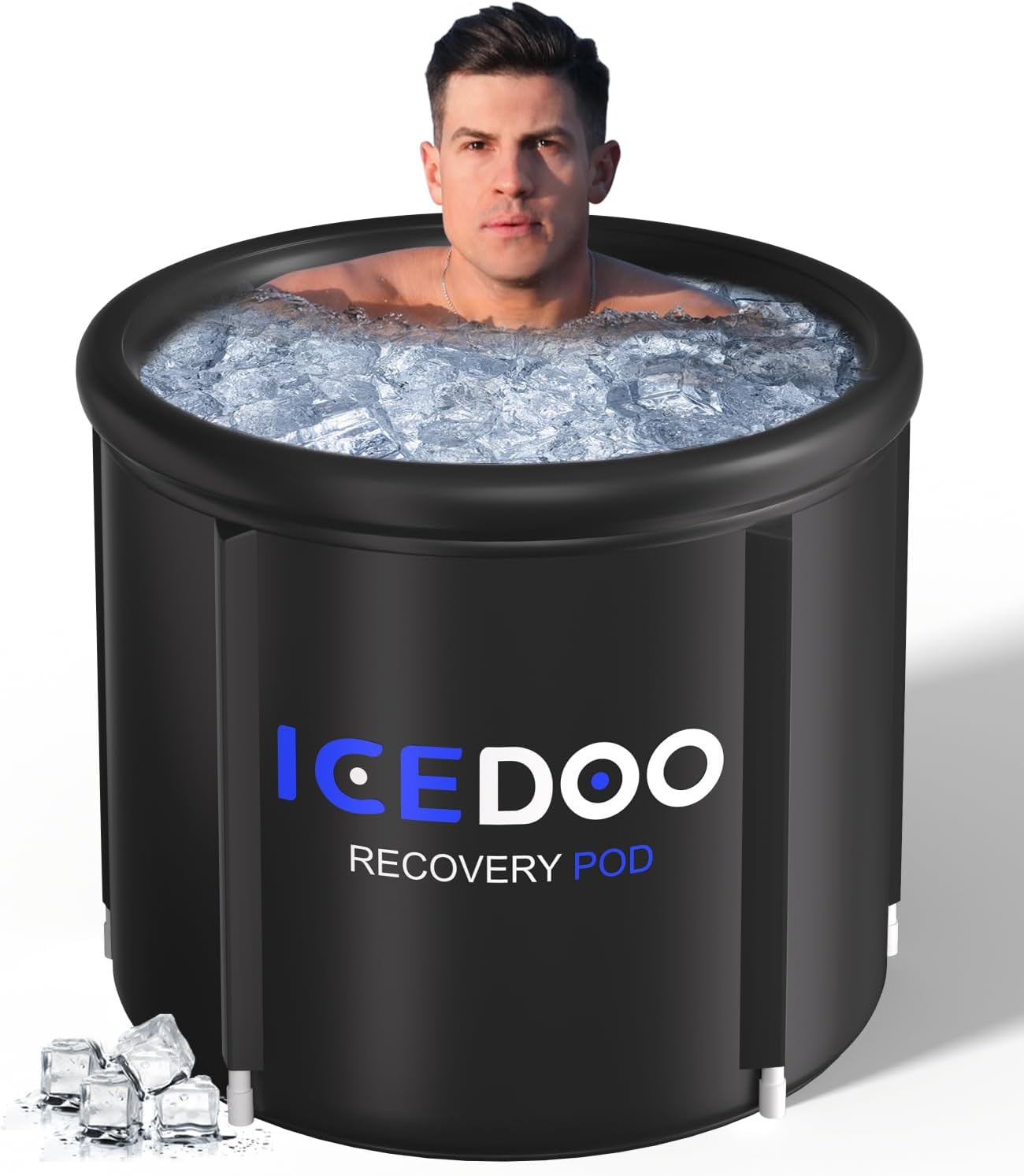
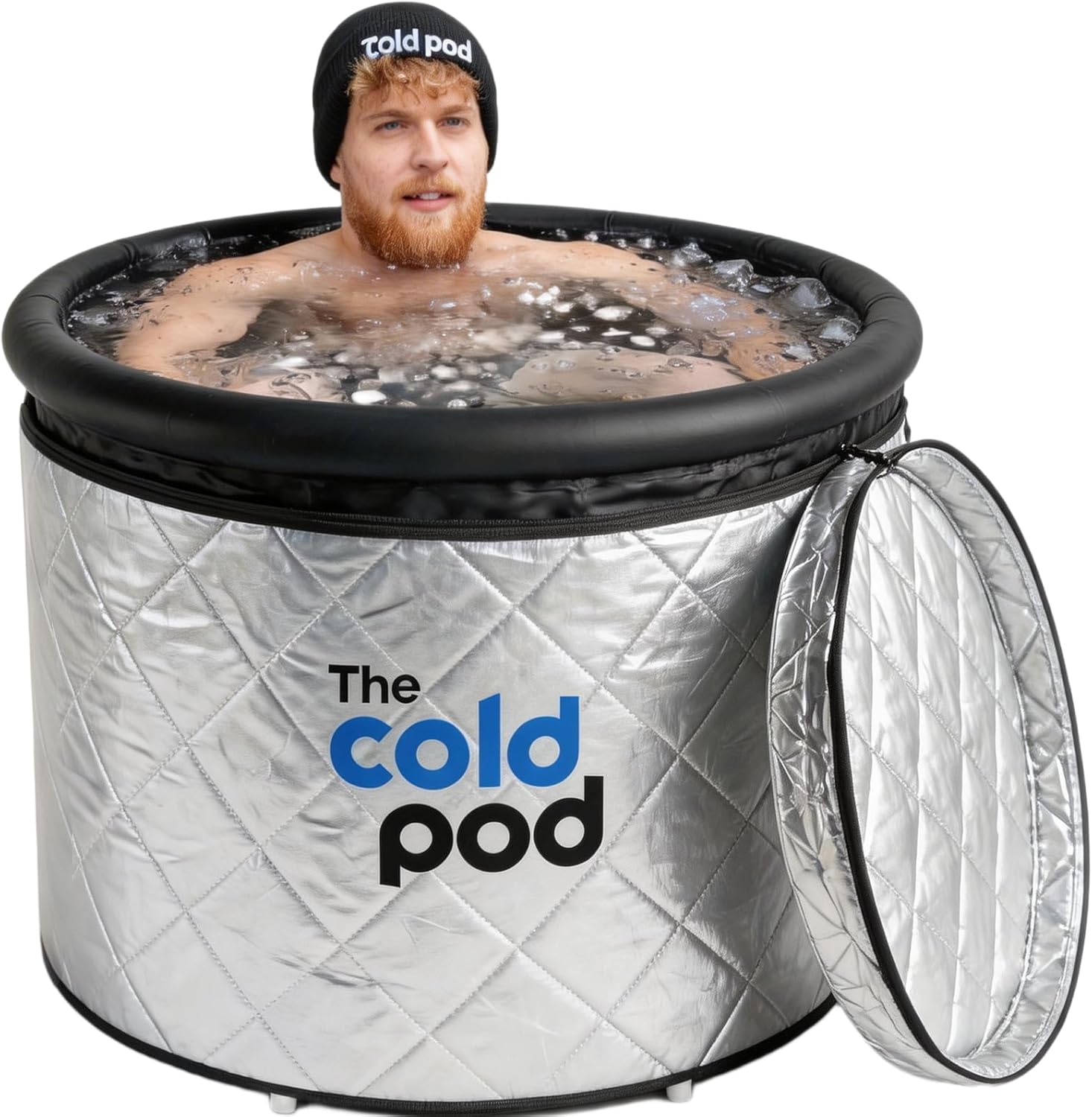
Premium plug-and-play plunges with built-in chillers, ozone filtration, and Wi-Fi apps run $2,000-$8,000. Under $500, you are realistically choosing between three categories: (1) an insulated inflatable tub you fill with tap water plus 20-40 lb of ice every session, (2) a stock-tank or barrel conversion that you DIY with foam insulation and a drain valve, or (3) a smaller targeted cold therapy machine that wraps a joint instead of submerging the whole body. For most college athletes living in dorms, off-campus apartments, or shared houses, the inflatable plus a targeted machine combo gives the best ratio of recovery benefit to dollars spent.
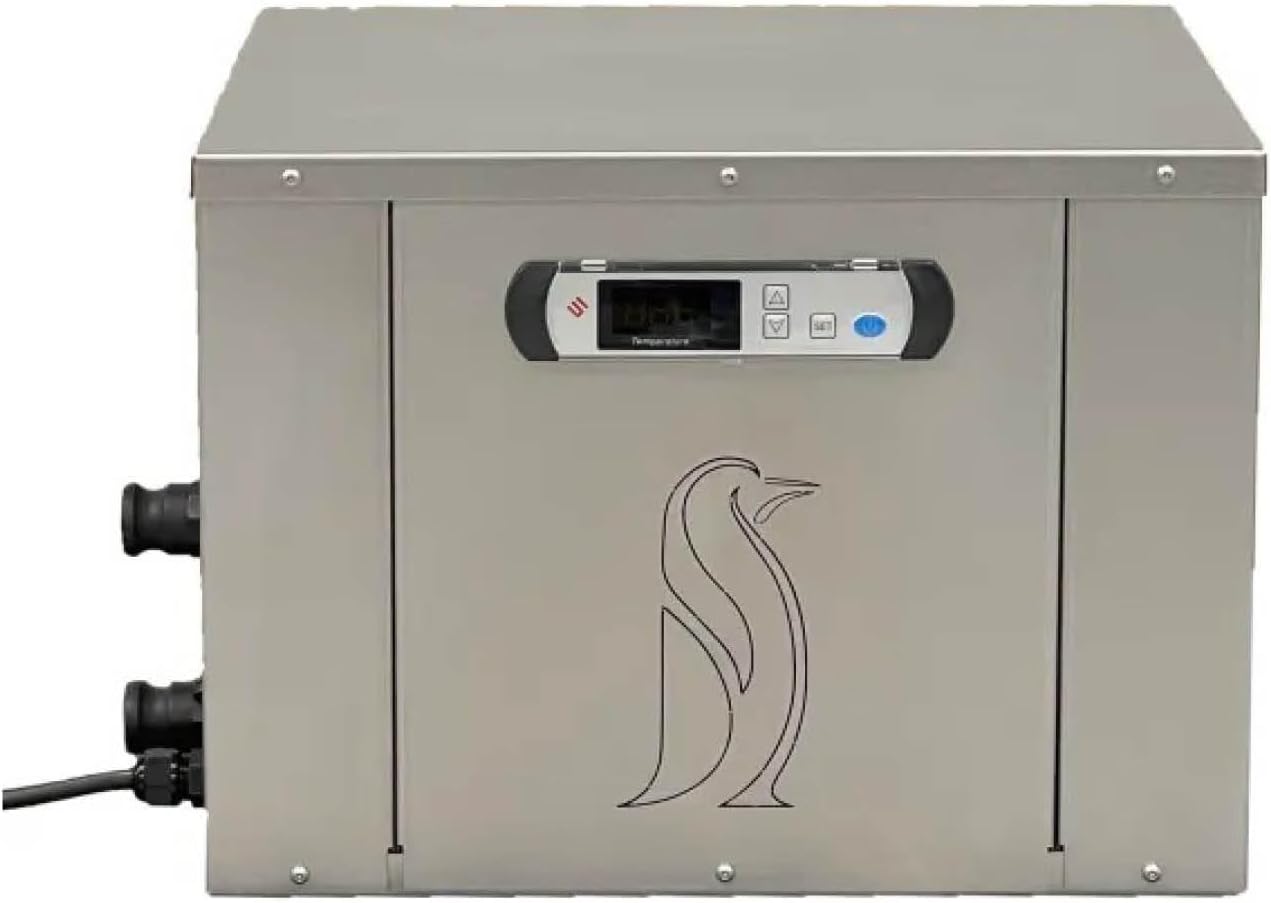
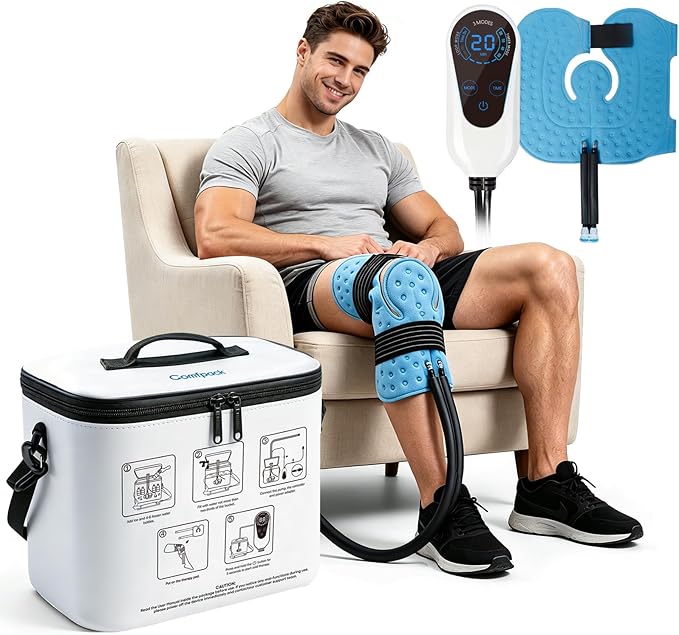
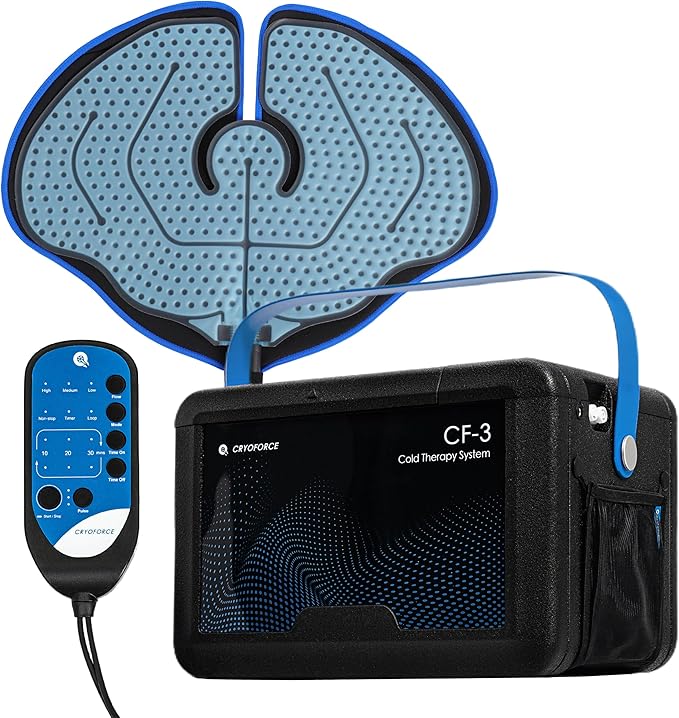
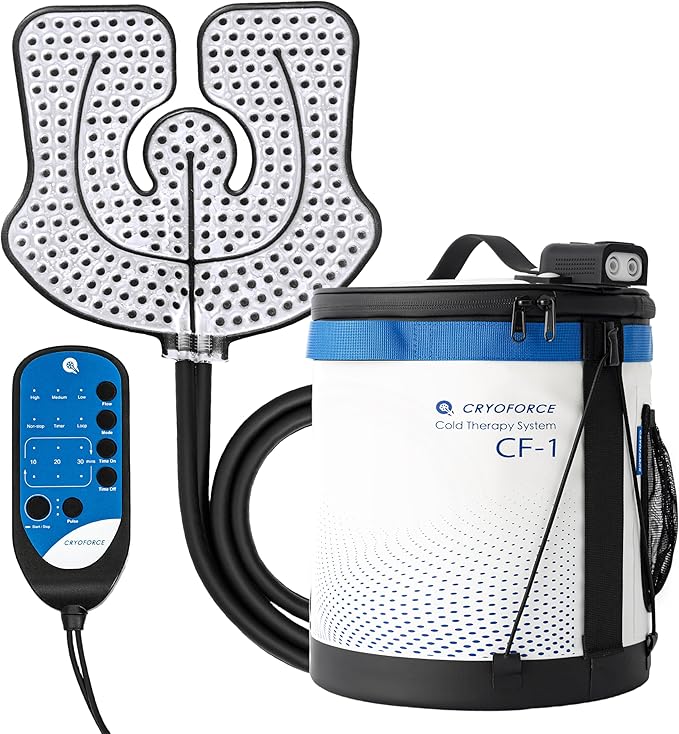
The honest tradeoff: a $400 inflatable tub costs roughly $3-$6 per session in ice once you factor in daily fills (or $15-$25 of ice per week if you're plunging 3-4 times). Add a $90-$200 ice therapy machine for knees or shoulders and you cover both whole-body cold exposure and the targeted post-injury work that a tub alone cannot pinpoint.
What to look for in a budget cold plunge setup
If you only remember four buying criteria, make it these:
- Insulation thickness. Triple-layer or drop-stitch inflatables hold cold water 6-10 hours longer than single-wall tubs. That difference is the difference between one ice fill per session and three.
- Capacity vs. dorm reality. Anything over 100 gallons becomes a pain to drain in a shared bathroom. 70-90 gallons is the dorm-friendly sweet spot.
- Drain hose length and fitting. Cheap tubs ship with 3-foot hoses that don't reach a bathtub or floor drain. Look for 10 ft+ drain hoses with standard garden-hose threading.
- Targeted recovery add-on. A whole-body plunge is great for systemic recovery, but if you sprained an ankle on Saturday or have post-surgical knee work, a wrap-based ice therapy machine delivers continuous cold for 4-6 hours hands-free.
Quick comparison: targeted cold therapy machines to pair with your plunge
Because dedicated sub-$500 cold plunge tubs vary widely by region and stock, the table below focuses on the targeted ice therapy machines we'd pair with a budget tub. These are the units that actually let a college athlete ice a knee during a study session or sleep with continuous shoulder cold after a baseball doubleheader.
| Model | Reservoir | Best for | Runtime | Programmable timer |
|---|---|---|---|---|
| CF-3 Pro 16.8QT | 16.8 qt (large) | Shoulder, hip, both knees | ~6 hrs per fill | Yes |
| CF-1 Quiet | ~9 qt | Post-op knee, dorm use | ~4-5 hrs | Basic |
| ACL Recovery Machine | ~9 qt | ACL/MCL rehab | ~4-5 hrs | No |
| Portable Programmable | ~7-9 qt | Travel, away games | ~4 hrs | Yes |
Top picks: targeted cold therapy machines for college athletes on a sub-$500 budget
CF-3 Pro 16.8QT Cold Therapy Machine — best for athletes who need long, hands-free sessions
If you're a football, hockey, or rugby player who finishes practice with a chronic shoulder or both knees barking, the CF-3 Pro's 16.8-quart reservoir is the standout in this list. The larger tank holds ice longer, meaning one fill can carry you through an entire afternoon film session or a full night's sleep without getting up to add ice. The programmable timer lets you set on/off intervals (commonly 15 min on, 15 min off) which is the protocol most college athletic trainers actually recommend for sustained cold therapy. Pair it with a 70-gallon inflatable tub for a complete sub-$500 build that covers both whole-body and targeted recovery. Check the CF-3 Pro on Amazon.
CF-1 Quiet Cold Therapy Machine — best for dorm rooms and post-op knees
Roommates matter. The CF-1 is built around a quieter pump that won't wake a sleeping suite-mate at 2 a.m. when you're icing a knee after a late game. It's the right pick if you're recovering from a meniscus scope, a partial ACL repair, or any procedure where your athletic trainer wants 4+ hours of continuous cold at night. The reservoir is smaller than the CF-3 Pro, but for a single joint that's plenty, and the lower noise floor matters more in shared housing than an extra hour of runtime. See the CF-1 on Amazon.
ACL Recovery Cold Therapy Machine — best for in-season rehab from ligament work
This one is purpose-built around the wrap and flow pattern most orthopedic surgeons specify for ACL and post-arthroscopic knee recovery. If you're returning to play after an offseason procedure and your DPT has you doing twice-daily icing protocols, having a dedicated machine that lives in your dorm beats borrowing the training room's unit at limited hours. It's a simpler unit without programmable cycling, but the consistent flow and snug knee wrap are what actually matter for the rehab window. View the ACL Recovery Machine on Amazon.
Portable Programmable Ice Machine — best for travel and away-game weekends
Cross-country meets, conference tournaments, and back-to-back road series mean a lot of your icing happens in hotel rooms. This portable machine is small enough to fit in a checked bag, has a programmable timer for unattended overnight cycling, and runs off any standard outlet. It's not the unit you'd choose as your only machine, but as a travel-only second unit it punches well above its price. Combine with a folding inflatable plunge tub for the most flexible budget setup. Check the portable model on Amazon.
How to build a complete sub-$500 cold plunge system
Here's the build most athletic-training students and club-sport athletes are running in 2026:
- Tub ($150-$280): A 75-90 gallon insulated inflatable with a drop-stitch base and external cover. Look for one rated to hold water below 50°F for at least 8 hours with a single 20 lb ice bag.
- Ice strategy ($15-$25/week): Either buy 20 lb bags from a gas station 2-3 times per week, or freeze 2L bottles in your dorm freezer and rotate them. Bottles are cheaper but slower to chill the water.
- Targeted machine ($90-$200): Pick one of the four units above based on your sport and any current injury.
- Thermometer ($10): A floating pool thermometer. You want 50-59°F for general recovery, 39-50°F for deeper cold adaptation work.
- Timer ($0): Your phone. 2-5 minutes for first-timers, building to 8-12 minutes max.
This whole setup typically lands between $265 and $515 depending on which targeted unit you choose, which keeps you at or under the $500 line for the tub plus most of the accessories.
Setup, safety, and dorm logistics
The boring parts that nobody on TikTok talks about: where do you actually put a 90-gallon tub of cold water in a dorm? Three answers that work in real life. First, an enclosed balcony or patio if you're in off-campus housing — the cold ambient temperature helps the water hold its chill and you don't have to drag a hose through a hallway. Second, a ground-floor common bathroom with a floor drain — get permission from your RA first. Third, the team training room — many college athletic departments are happy to let you store a personal tub in a corner if you ask the head trainer.
For safety, the rules are short. Never plunge alone if you've had any cardiac workup come back ambiguous. Never plunge after drinking. Get out if you start shivering uncontrollably or your hands cramp. And if you're using a targeted ice therapy machine overnight, set the programmable timer with off cycles — continuous unbroken cold against skin for 6+ hours is how athletes get cold-induced tissue damage, not how they recover faster.
Related guides on our site
For more on building out a recovery stack, see our breakdown of cold plunge vs. ice bath differences, our best portable ice bath tubs of 2026 roundup, and our walkthrough of how to choose a cold therapy machine for post-injury recovery. If you're managing a specific joint, our post-ACL icing protocol guide covers the hours-per-day schedule most college sports medicine staffs follow.
Frequently Asked Questions
Is a cold plunge tub under $500 actually worth it for a college athlete?
Yes, if you'll use it 3+ times per week. The recovery benefit doesn't depend on a $4,000 chiller — it depends on consistent exposure to 50-59°F water for 5-10 minutes. A $300 inflatable plus daily ice gets you the same physiology as a luxury unit; you just trade money for the inconvenience of buying bags of ice. For a college budget, that's almost always the right trade.
How cold should the water be for a college athlete's cold plunge?
For general post-practice recovery, 50-59°F (10-15°C) is the research-supported range. Colder than 39°F provides minimal additional recovery benefit and significantly higher risk. Most athletes target around 50°F and stay in for 6-10 minutes, which is enough to trigger the vasoconstriction and norepinephrine response without burning through your tolerance.
Can I use a cold plunge tub in a dorm room?
Technically yes, practically it's tight. A filled 75-gallon tub weighs about 625 lb, which most dorm floors handle fine but most dorm RAs do not love. A balcony, patio, ground-floor bathroom, or athletic department storage area is a better answer. Always check with your housing office before setting one up indoors.
Do I need a chiller, or is ice enough for under $500?
Ice is enough. Sub-$500 chillers exist but they're underpowered for a 75-gallon tub and most struggle to pull water below 55°F in a non-air-conditioned space. You'll spend less money and get colder water by simply buying ice 2-3 times per week, at least until you can save for a $700+ chiller.
What's the difference between a cold plunge tub and a cold therapy machine?
A cold plunge is whole-body immersion for systemic recovery — central nervous system reset, reduced perceived soreness, dopamine response. A cold therapy machine wraps a single joint and delivers continuous cold for hours, which is what you want after surgery, an acute sprain, or an in-season flare-up. Most serious college athletes use both: the tub for daily recovery, the machine for specific injuries.
How often should a college athlete cold plunge during the season?
Most sports medicine guidance in 2026 suggests 3-5 plunges per week during heavy training blocks, with a caveat — avoid cold immersion in the 4-6 hours after a strength-training session if your goal is hypertrophy, because cold exposure can blunt the muscle adaptation signal. Schedule plunges after conditioning days, after games, or on rest days instead.
Is the CF-3 Pro overkill for a single college athlete?
Not if you're a multi-joint case (both knees, or knee plus shoulder) or you want to set it overnight and sleep through a full session without refilling. The larger reservoir is the main reason to step up from the CF-1. If you're icing a single knee post-op and noise matters in your dorm, the CF-1 is the better fit. If you're a thrower, lineman, or distance runner with chronic load on multiple joints, the CF-3 Pro pays off.
Bottom line
A complete cold plunge tub under 500 for college athletes is realistic in 2026 if you build it as a system: a well-insulated inflatable tub, a disciplined ice schedule, and one targeted cold therapy machine that matches your sport and current injury status. Spend the money on insulation and a quality wrap-based machine, save it on gimmicks like Wi-Fi apps and built-in lights, and you'll have a recovery setup that holds up across all four years.
Key Takeaways
- Choosing the right cold plunge tub under 500 for college athletes means matching capacity and output ports to your actual devices
- Always check actual watt-hours (Wh), not just watts — runtime depends on Wh, not peak output
- Also covers: cheap ice bath dorm
- Also covers: cold plunge under $500
- Also covers: affordable plunge tub student
- Compare price-per-Wh across models to find the best value for your budget