If you need to clean algae from a cold plunge after summer power outage, act fast: drain the tub completely, scrub every surface with a chlorine-based sanitizer, flush the chiller and filter lines, then refill with fresh water and shock to a high free-chlorine level before restarting the pump. A multi-day outage in July or August lets water temperatures climb above 80°F, and that warm, stagnant, UV-lit environment is exactly what green, brown, and black algae need to bloom inside the tub, the hoses, and the heat exchanger. The fix is not complicated, but the order matters — rushing the refill before sanitizing the plumbing just reseeds the bloom.
This guide walks through the full recovery sequence used by cold plunge owners after a hurricane, wildfire grid-down event, or a tripped breaker that nobody noticed for a week. We will also cover the recovery tools you should keep on hand so that even if your tub is offline for repairs, your training and rehab routine does not stop.
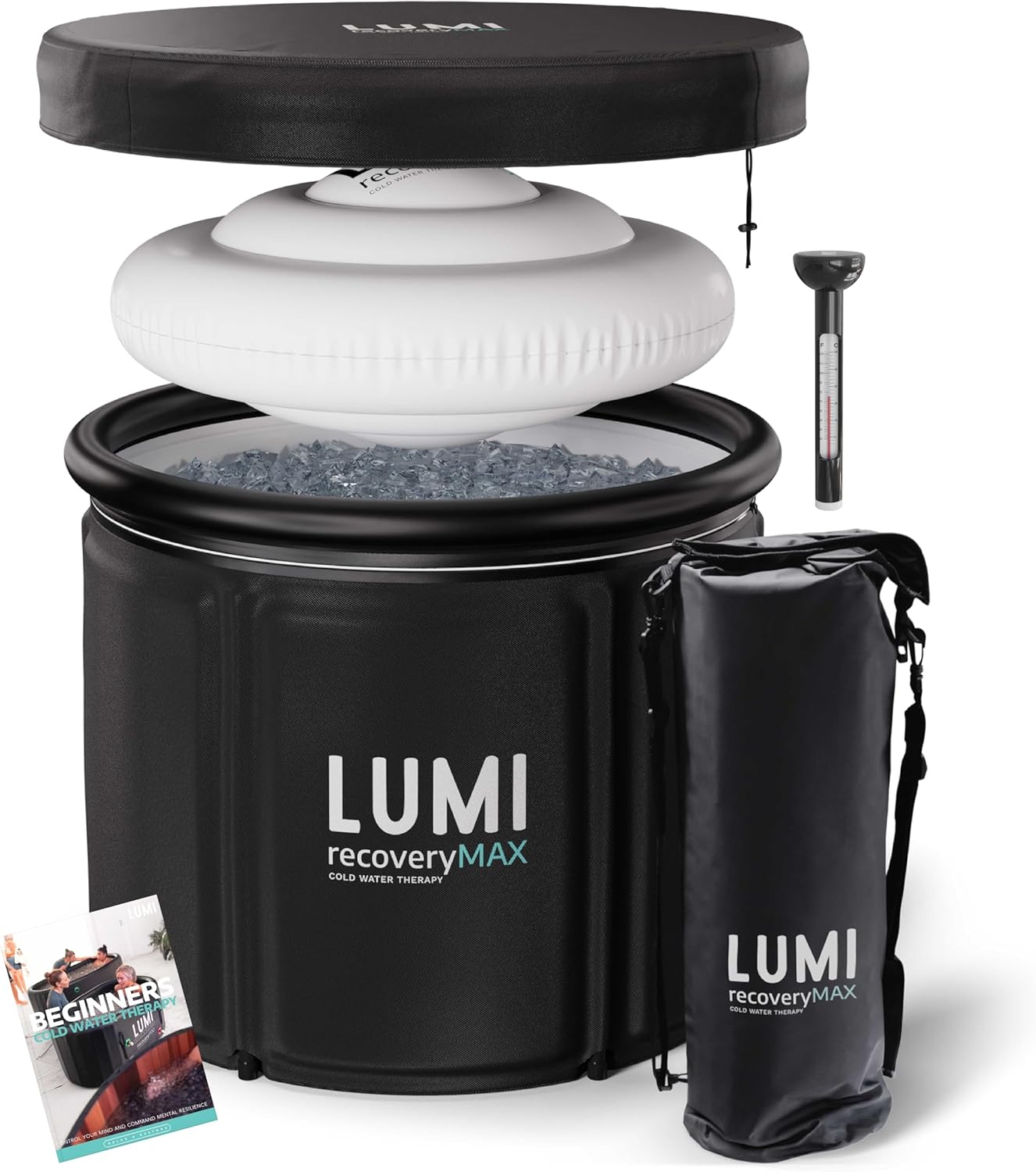
Why a summer outage turns a cold plunge green so fast
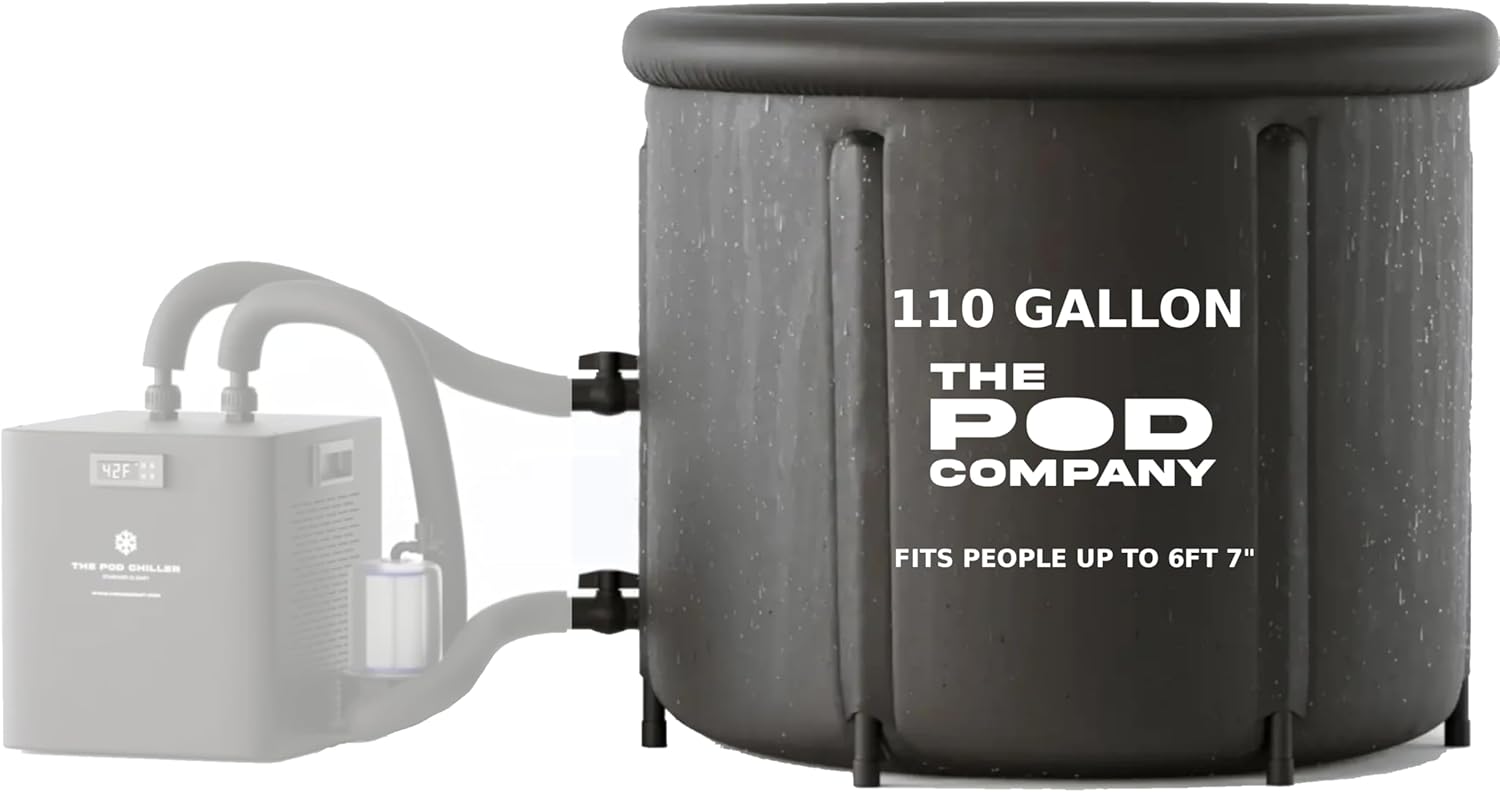
A working cold plunge keeps water between 39°F and 55°F, filtered every few minutes, and dosed with a residual sanitizer. Kill the power for 48–120 hours in summer and three things happen at once: the chiller stops circulating, the UV or ozone sanitizer goes dark, and the water temperature climbs into the 75–95°F range. Free chlorine burns off within 24 hours at those temperatures, and any algae spores blown in on the cover, on a bathing suit, or carried by the dog can now reproduce freely. By day three you will see a faint green tint; by day five you have visible mats of Chlorophyta or slimy black streaks of cyanobacteria on the floor and behind the jets.
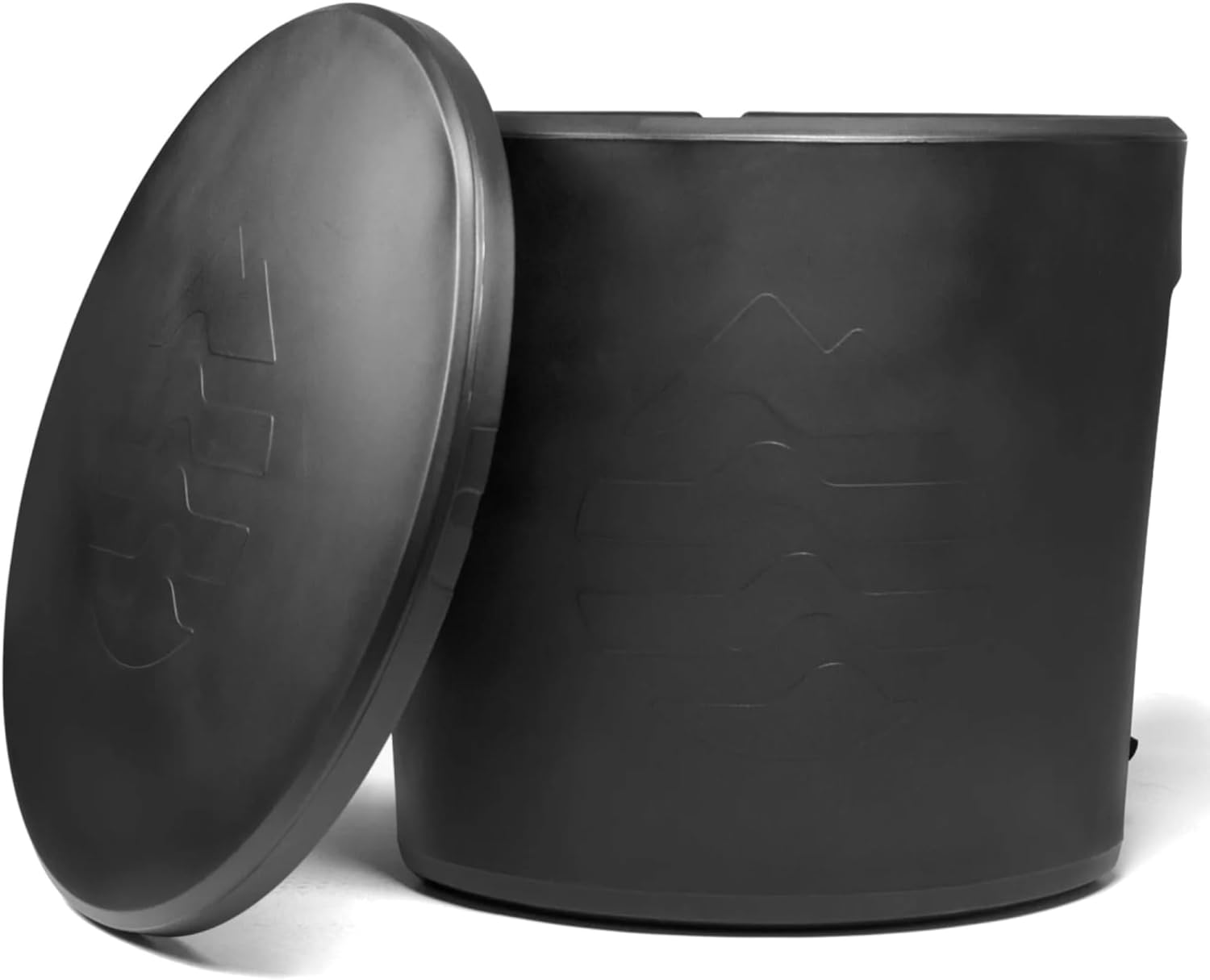
The good news: cold plunge tubs are small (usually 80–130 gallons) and use far simpler plumbing than a swim spa, so a full reset costs less than a service call. The bad news: if you skip the chiller flush, the algae living inside the heat exchanger will reinfect your fresh water within 24 hours.
Step-by-step: clean algae from a cold plunge after summer power outage
1. Power down and document the damage
Before you touch the water, unplug the chiller, ozone generator, and any auxiliary pump. Take a photo of the waterline, the filter cartridge, and the inside of any visible hose. You want a baseline for warranty claims if the heat exchanger turns out to be fouled beyond cleaning. If the GFCI tripped during the outage, reset it now and confirm it holds — a tripped GFCI after restoration usually means moisture intruded into a junction box and you need an electrician before going further.
2. Drain completely — do not try to shock and save
Owners often try to dump a few pounds of dichlor into the green water hoping to save the fill. After a multi-day summer outage this almost never works, because the biofilm has bonded to the acrylic, the seat texture, and the inside of every hose. Pump the tub out with a submersible utility pump or the chiller's drain port. Direct the discharge away from lawns and storm drains — the elevated chlorine you are about to add will harm grass and aquatic life.
3. Scrub every wetted surface
Mix a 10:1 water-to-bleach solution (about 1 cup of unscented household bleach per gallon of warm water) and scrub the tub interior with a soft nylon brush. Pay special attention to the seam where the jets meet the wall, the underside of the headrest, and the drain cover — these are the three spots biofilm hides. Rinse with clean water and pump that rinse water out too.
4. Flush the chiller and filter lines
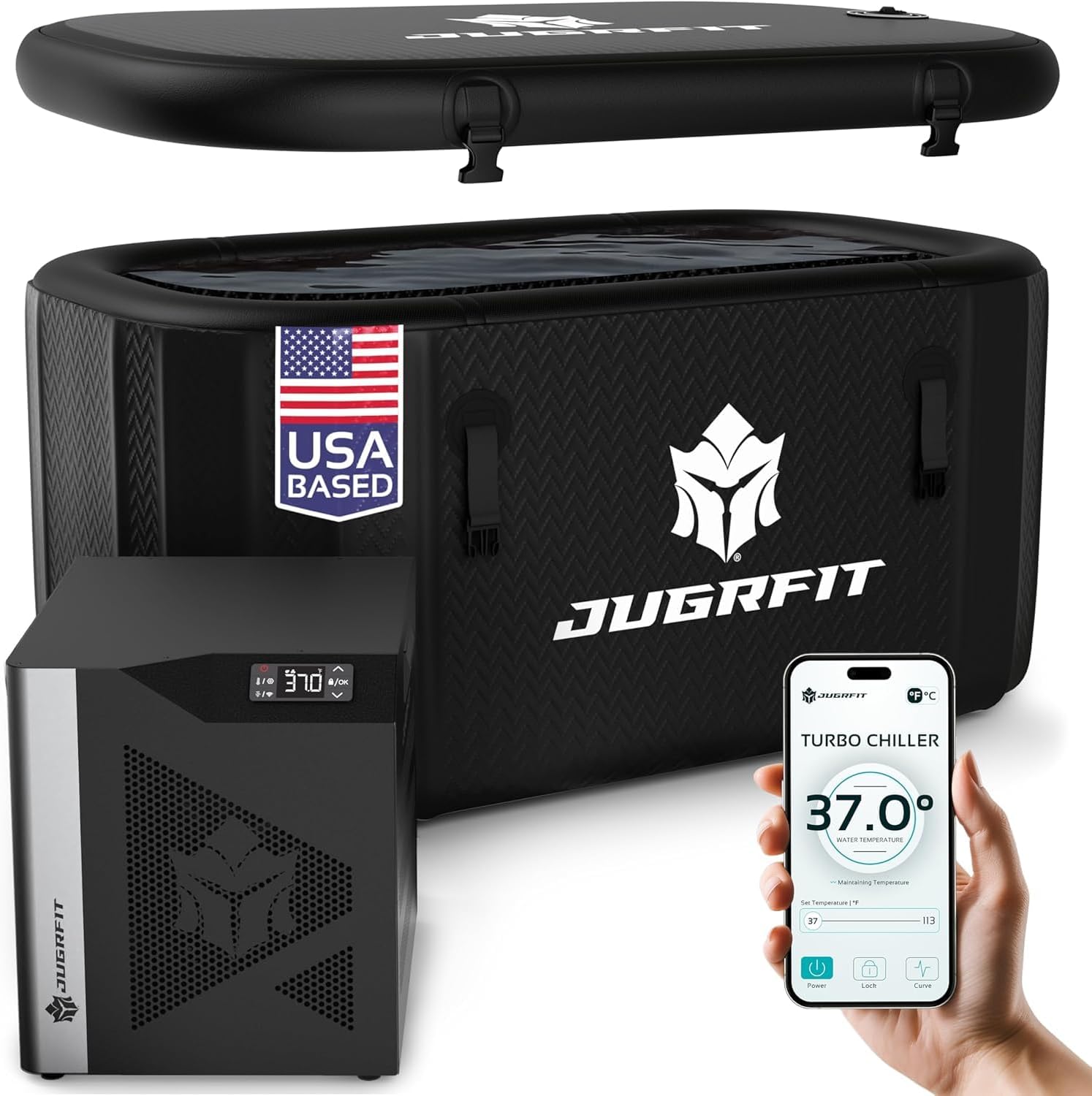
This is the step most homeowners skip and the reason the algae "comes back" a week later. Remove the filter cartridge and discard it — a cartridge that has hosted an algae bloom is done. Fill the tub with fresh water to the minimum operating level, add a chlorine shock to reach 10–15 ppm free chlorine, and run the chiller in circulation-only mode for 30–60 minutes. The hot, highly chlorinated water will sanitize the impeller, the heat exchanger, the suction line, and the return jets. Drain again.
5. Final refill, balance, and cold-down
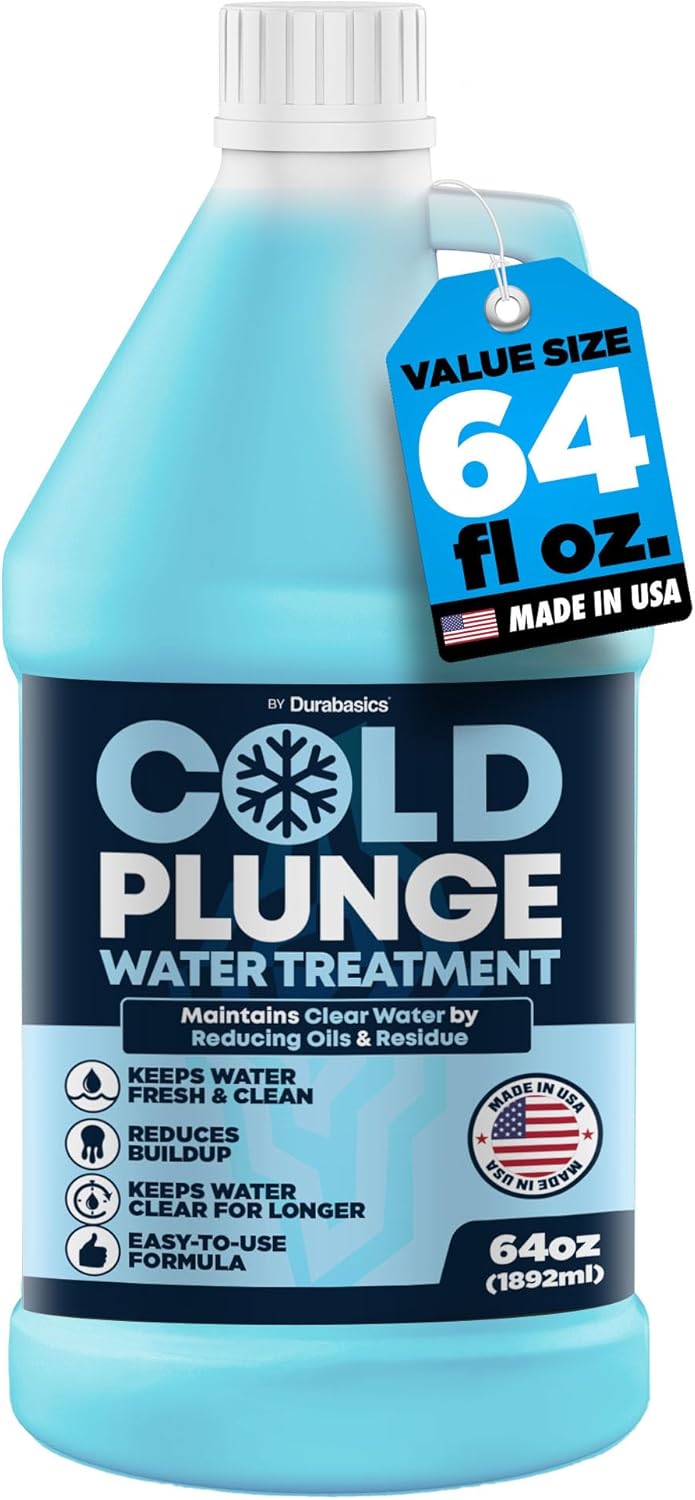
Refill with fresh water, install a new filter cartridge, balance pH to 7.2–7.6, and dose your normal sanitizer (chlorine, bromine, or hydrogen peroxide depending on your system). Power the chiller back on and let it pull the tub down to your target temperature. Most 1/3 HP chillers will drop a 100-gallon tub from 80°F to 50°F in 18–24 hours.
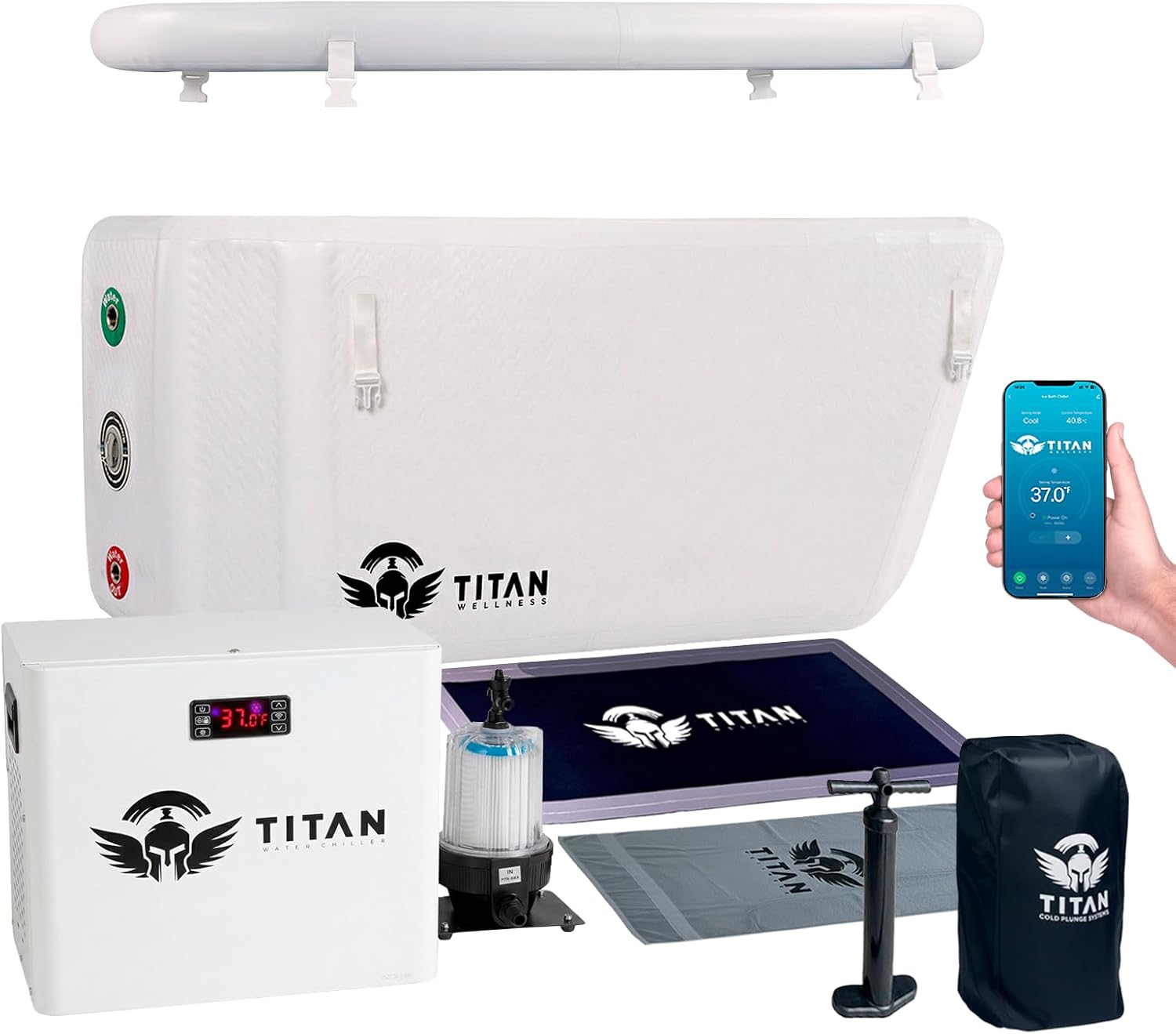
Keep your recovery routine going while the tub is down
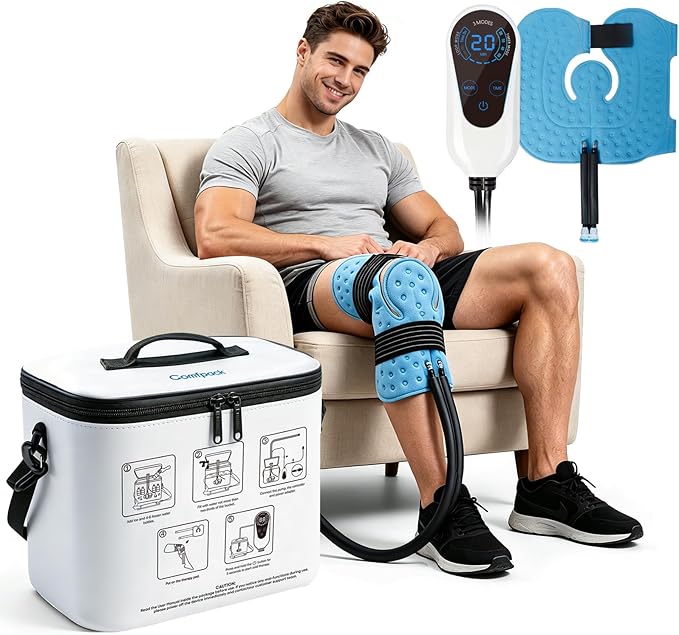
A full sanitize-and-cold-down cycle can take 24–48 hours, and if the chiller itself was damaged you might be looking at a week or more without your plunge. This is when a targeted cold therapy machine earns its keep. Instead of skipping your post-workout protocol or icing a sore knee with a leaky bag of frozen peas, a circulating cold therapy unit lets you keep applying focused cold to the joint that actually needs it.
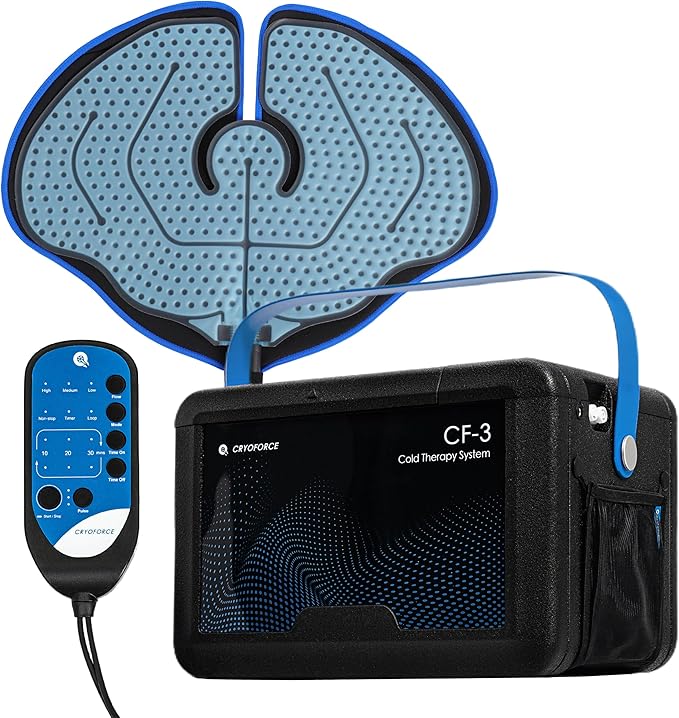
CF-3 Pro Cold Therapy Machine (16.8 QT)
If you are someone who normally uses the plunge for full-body recovery after lifting, jiu-jitsu, or trail running, the CF-3 Pro's larger 16.8-quart reservoir holds enough ice and water to run continuously for 6–8 hours — enough to cycle both knees and a shoulder in one sitting. It is the closest you can get to plunge-style sustained cold without the tub. Check the CF-3 Pro on Amazon.
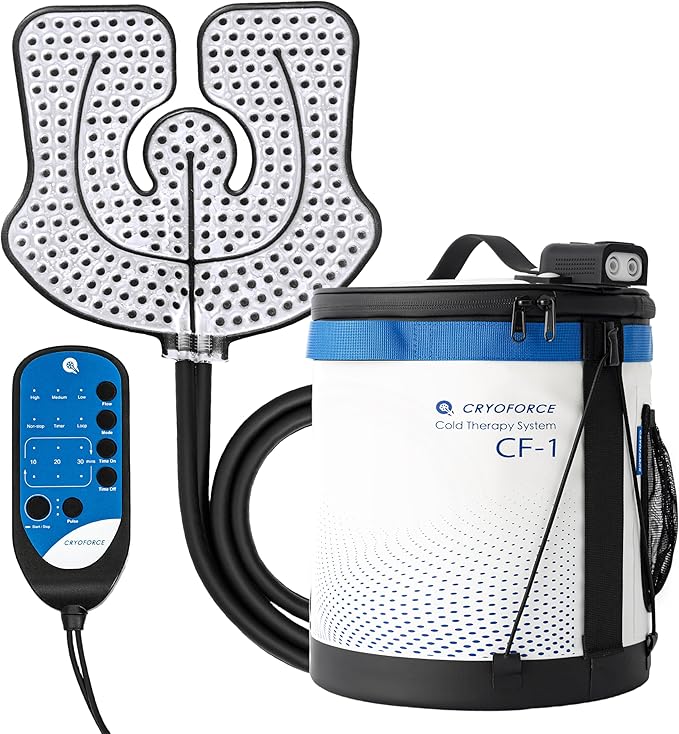
CF-1 Cold Therapy Machine (Quiet)
For nighttime use while you wait on the chiller repair, the CF-1's quieter pump is the better pick. It is sized for a single joint — knee, shoulder, ankle, or elbow — and the lower noise floor means you can leave it running next to the bed without waking up the household. See the CF-1 on Amazon.
Portable Ice Machine with Programmable Timer
If you travel for work or want a unit you can take to a friend's gym while your plunge is offline, the programmable timer model lets you set 15- or 20-minute cycles and forget it. Useful for ACL or rotator-cuff rehab protocols that call for fixed intervals. View the timer model on Amazon.
Cold therapy backup options compared
| Model | Reservoir | Best use case | Noise | Timer |
|---|---|---|---|---|
| CF-3 Pro 16.8 QT | Large | Multi-joint, long sessions | Moderate | Basic |
| CF-1 Quiet | Standard | Overnight single-joint use | Low | Basic |
| Portable w/ Timer | Standard | Travel and timed rehab cycles | Moderate | Programmable |
Preventing the next algae bloom
The single biggest mistake plunge owners make is leaving the cover off during a power outage. Even with the chiller dead, a tight, opaque cover blocks the UV that algae need to photosynthesize, and that alone buys you several extra days before a bloom takes hold. If you live in a hurricane zone or somewhere with rolling summer blackouts, consider three preventive moves: add a small battery-backed circulation pump rated for at least 24 hours of runtime, keep a sealed jug of liquid chlorine in the garage so you can shock immediately when power returns, and pre-cut a replacement filter cartridge so you are not waiting on shipping during the recovery.
For longer outages, dropping a 1-inch block of pool-grade trichlor in the skimmer before you leave town will keep a sanitizer residual for 3–5 days even with no circulation — not a perfect solution, but it dramatically slows the bloom.
While you are reviewing your setup, it is worth reading our companion guides on cold plunge chiller maintenance schedules, the best insulated covers for summer heat, and cold therapy machines vs. full ice baths for joint recovery. Together those three articles cover most of the off-season questions readers send in after this one.
Frequently Asked Questions
How long after a power outage does algae actually start growing in a cold plunge?
In direct summer sun with water above 80°F, visible green tint typically appears 48–72 hours after the chiller stops. In a shaded, covered tub the same bloom can take 5–7 days. Indoor plunges with no UV exposure may stay clear for over a week, though biofilm still forms inside the warm, stagnant plumbing.
Can I just shock the water with extra chlorine instead of draining?
Only if you caught it within the first 24 hours and the bloom is still a faint green haze. Once you can see mats on the floor or feel slime on the walls, the biofilm has bonded to surfaces and shock alone will not penetrate it. Drain, scrub, and refill is faster than fighting a partial kill that keeps rebooming.
Will algae damage the chiller's heat exchanger permanently?
Usually no, as long as you flush it with shock-level chlorine within a week of the bloom. Titanium and stainless heat exchangers tolerate short exposures to 15 ppm chlorine. The bigger risk is dried biofilm baking onto the coil after the unit has been off for weeks — at that point you may need a citric acid descaling cycle, which most manufacturers describe in the owner's manual.
Is it safe to plunge in the tub right after refilling and shocking?
No. Wait until free chlorine drops back to the 1–3 ppm range (or the equivalent for your sanitizer system) and pH is between 7.2 and 7.6. After a 10–15 ppm shock that usually takes 8–24 hours with the chiller running. Test with a fresh strip or a digital meter before getting in.
What if my cold plunge uses ozone or UV instead of chlorine — do I still shock it?
Yes. Ozone and UV are excellent at maintaining clean water but they are not strong enough to break through an established biofilm. After an outage-driven bloom, every reputable manufacturer recommends a one-time chlorine shock to reset the system, then resuming your normal ozone or UV routine.
Can I use a cold therapy machine as a permanent replacement for the plunge?
For targeted joint recovery, yes — a circulating ice therapy unit delivers more precise, sustained cold to a knee or shoulder than a 5-minute plunge. For systemic recovery (vagal tone, brown fat activation, mental resilience training), no — you need full-body immersion. Most serious users own both.
How often should I drain and refill my cold plunge in summer to prevent this?
If your chiller and filtration are running normally, a full drain-and-refill every 8–12 weeks is typical, with weekly chemistry checks in between. Doubling that frequency during heat waves — or any week the unit lost power for more than a few hours — is cheap insurance against the green-water emergency this article was written to fix.
Key Takeaways
- Choosing the right clean algae from a cold plunge after summer power outage means matching capacity and output ports to your actual devices
- Always check actual watt-hours (Wh), not just watts — runtime depends on Wh, not peak output
- Also covers: cold plunge algae removal power outage
- Also covers: green water cold plunge after outage
- Also covers: clean cold plunge after chiller failed
- Compare price-per-Wh across models to find the best value for your budget