If you're searching for the best cold plunge lids and covers for leaves and pollen, the short answer is a layered approach: a fine-mesh debris net for daily fallout plus a sealed, insulated cover for overnight and off-season protection. In 2026, the strongest options combine UV-stable vinyl shells, closed-cell foam cores, and drawstring or strap-down skirts that hug the rim of barrel, tank, or tub-style plunges. Below we break down what actually keeps oak catkins, pine pollen, maple seeds, and windblown grit out of your water, how to size a cover correctly, and which features matter most for outdoor patios, screened porches, and shaded backyard setups.
Why a Dedicated Cold Plunge Cover Matters in 2026
Open cold plunges look great in marketing photos, but in real backyards they fill up with biological debris within hours. Spring pollen blooms can coat the surface with a yellow film that clogs filters and feeds bacteria. Fall brings a steady drift of leaves, acorns, and seed pods. Even on calm summer days, gnats, mosquito larvae, and airborne dust will land on still water and sink. Every piece of organic matter you keep out is matter your filter, ozone system, or chiller doesn't have to fight, and that translates directly into longer water-change intervals, cleaner-smelling water, and less wear on your equipment.

A proper cover also stabilizes water temperature. Closed-cell foam between two layers of marine-grade vinyl can cut chiller runtime by 30 to 50 percent on a hot afternoon, because the cover blocks both radiant heat and convective heat from warm air sweeping across the surface. If you run a chiller 24/7, the energy savings often pay for the cover within a single summer.
The Three Cover Categories That Actually Work
Before you start shopping, it helps to understand that not all covers are created equal. Most cold plunge owners end up with one or two of these three categories, depending on climate and how often the tub is used.
1. Insulated Hard or Semi-Hard Lids
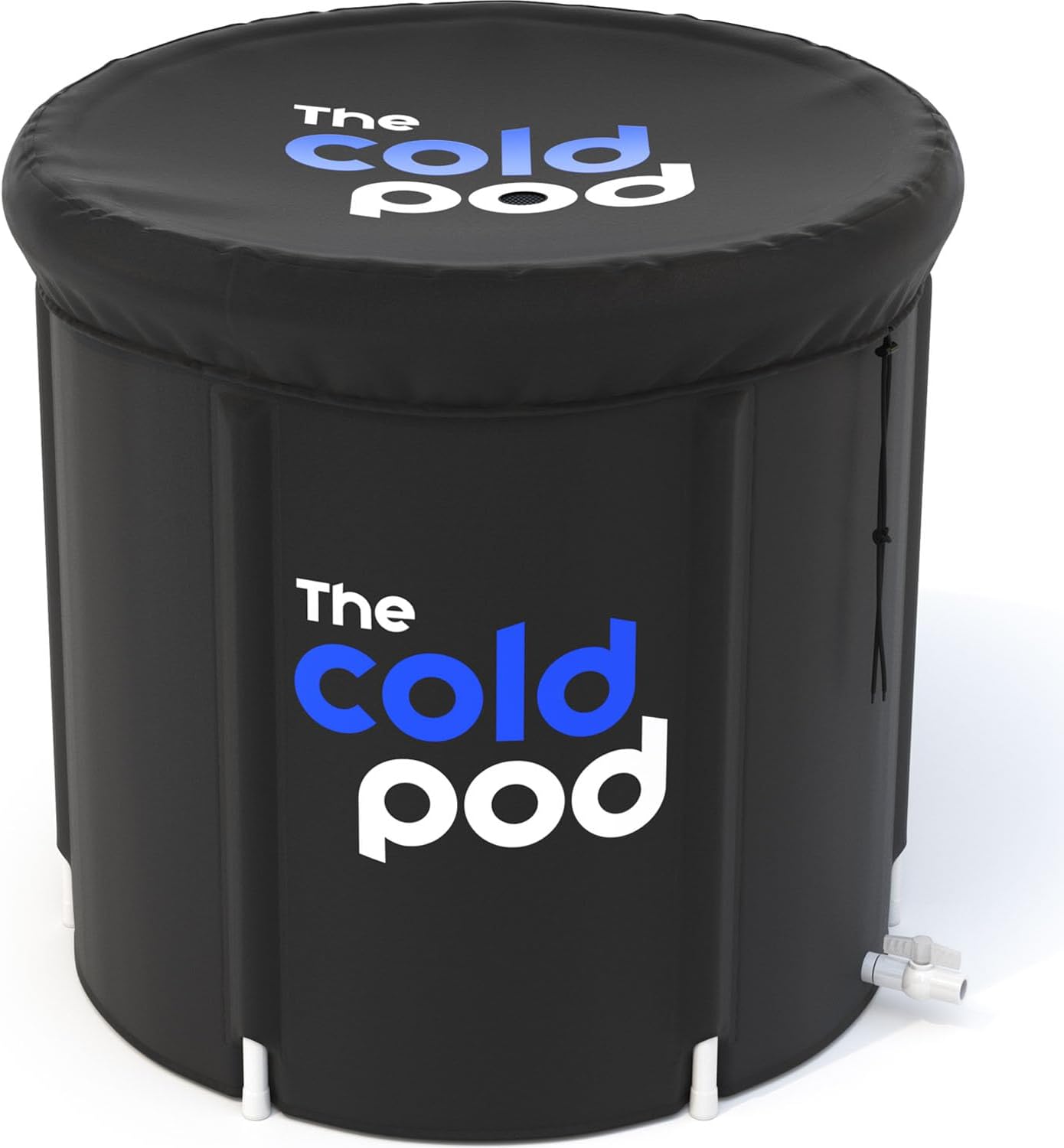
These are the spa-style covers familiar from hot tubs: a hinged or two-piece foam core wrapped in heat-sealed vinyl, with locking straps. They are the gold standard for keeping leaves and pollen out because they form a near-airtight seal at the rim. For round barrel plunges, look for tapered cores (thicker in the middle) that shed rain and resist sagging when wet leaves pile up. For rectangular tubs, a center-hinge design is much easier to lift solo than a one-piece slab.
Downsides: they're heavy (35 to 70 pounds when fully saturated), expensive, and need to be sized within about a half inch of your tub's outer dimensions. Custom-cut lids from spa fabricators are often the only way to get a true fit for non-standard plunges.
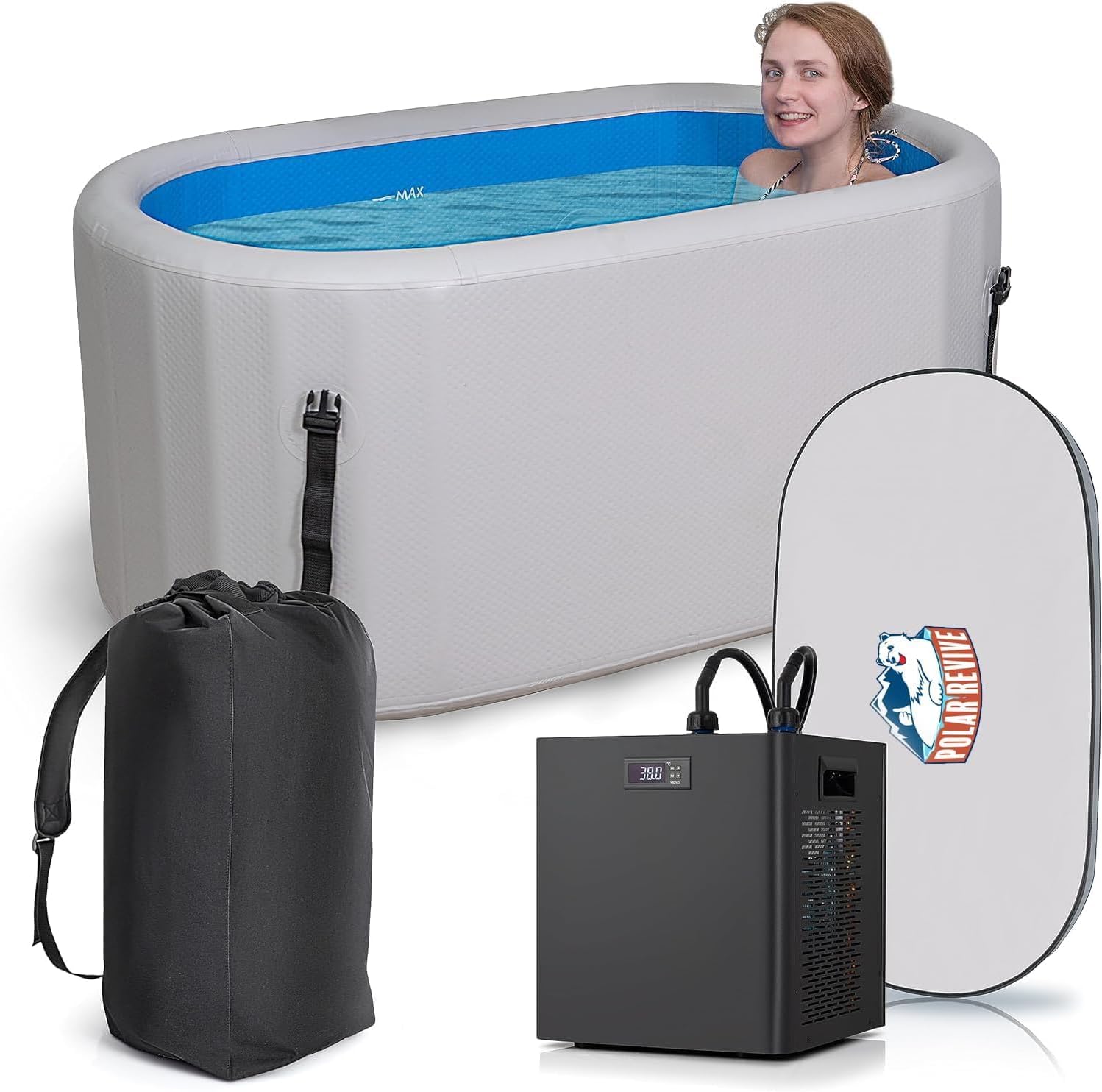
2. Soft Insulated Thermal Covers
Soft covers use a quilted construction — typically a layer of closed-cell foam, a reflective bubble layer, and an outer shell of ripstop nylon or UV-treated vinyl. They roll up or fold for storage, weigh 5 to 12 pounds, and use a drawstring hem or velcro straps to grip the tub rim. They aren't quite as airtight as hard lids, but they handle pollen and leaf debris well because the drawstring closes the gap at the lip.
Soft covers shine for users who plunge daily and want fast on/off access without wrestling a 60-pound slab. They also forgive minor sizing mismatches, since the drawstring or strap can cinch over a range of diameters. The trade-off is shorter lifespan: expect three to five seasons of outdoor use before the foam compresses and the vinyl chalks.
3. Mesh Debris Nets
A mesh net is not insulating — it won't help your chiller bill — but it is the single best tool for catching the fine, dry stuff that an insulated cover misses during the brief windows when you've lifted it for use or maintenance. A taut polyester or PVC-coated mesh stretched over a metal frame catches pine pollen, oak tassels, and grass clippings before they hit the water. For shaded patios under deciduous trees, a mesh net used between plunges (with the insulated cover going back on overnight) is a powerful combination.
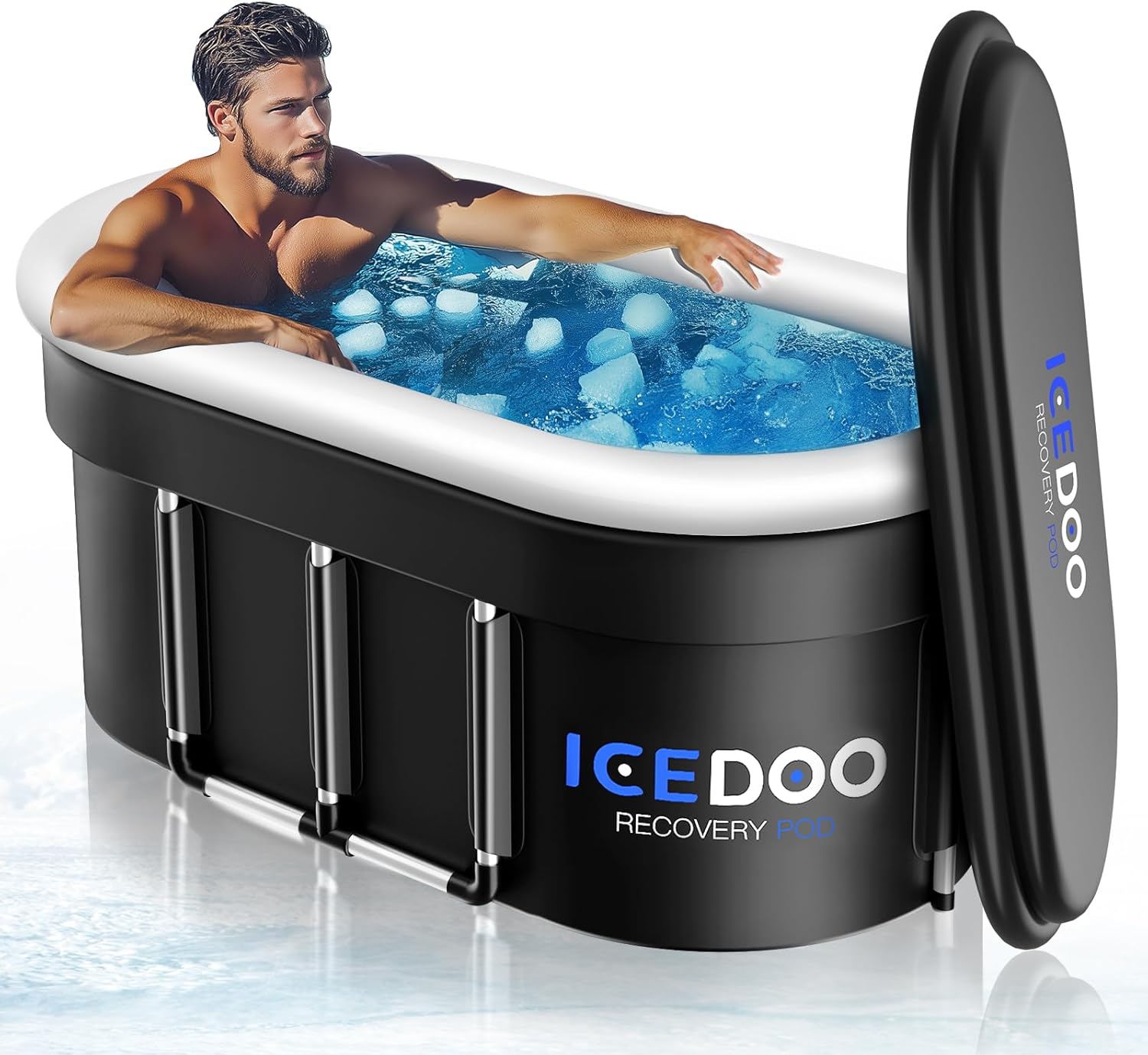
The best mesh nets have a fine weave (under 1mm openings to catch pollen clusters) and rigid frames so the mesh stays clear of the water surface. Floating mesh is much harder to clean and can wick organic matter back into the tub.
What to Look For: A 2026 Buying Checklist
When evaluating any cold plunge lids and covers for leaves and pollen, work through this checklist before committing.
- Closed-cell foam, not open-cell. Open-cell foam absorbs water like a sponge, gets heavy, and breeds mildew within a season. Look for 1.5 to 2 lb/ft³ density closed-cell EPS or polyurethane.
- UV-stabilized outer shell. Standard vinyl chalks and cracks under direct sun within 18 months. Marine-grade vinyl rated for 1000+ hours of UV exposure lasts three to five times longer.
- Heat-sealed seams, not stitched. Stitched seams admit pollen and let foam swell with moisture. Welded seams stay tight for years.
- Strap-down anchors. Wind lifts uncovered or unsecured lids. Look for at least four nylon webbing straps with stainless or marine-grade plastic buckles.
- Drainage geometry. Flat lids pond water; tapered or domed lids shed it. Ponded rainwater is where leaves accumulate and rot.
- Compatibility with your inlet and outlet. If your chiller hoses come over the top rim, make sure the cover has a notch or grommet so it can still close fully.
Sizing: The Step Most Buyers Get Wrong
Cold plunge tubs come in dozens of shapes — stock-tank circles, oval barrels, rectangular ice baths, octagonal cedar tubs — and an off-the-shelf cover that's even an inch undersized will leave a gap that pollen and small leaves blow through. Measure three things before you order:
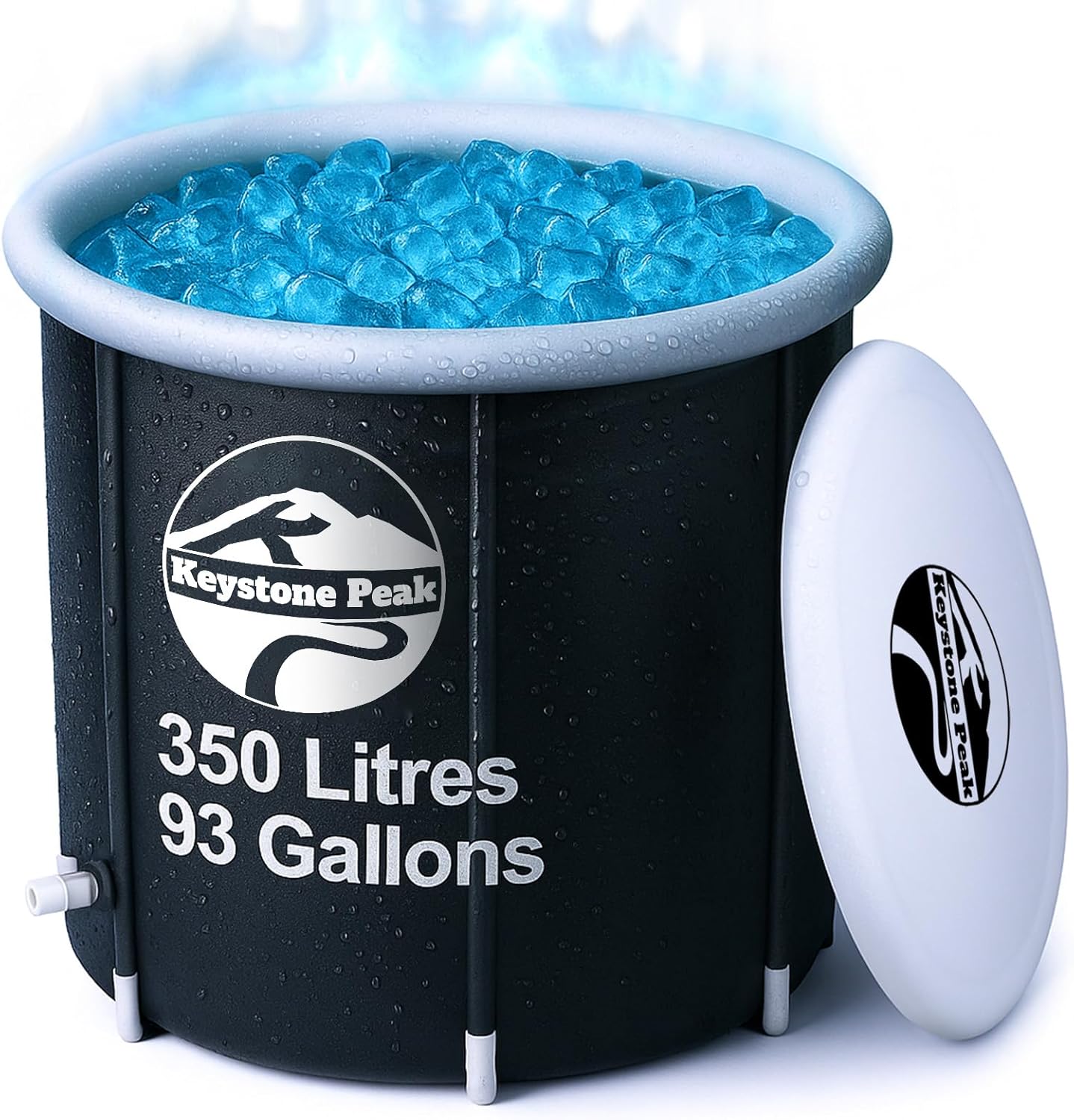
- Outer rim diameter or footprint at the widest point, not the inner pool diameter.
- Rim profile. A flared or rolled rim needs a cover with extra skirt depth. A flat rim works with almost any cover.
- Hose and cord cutouts. Note their position relative to a reference point (say, the drain) so you can orient the cover correctly.
If your tub falls outside standard sizes, a soft insulated cover with a drawstring is almost always more forgiving than a hard lid. For very tight pollen control on an oddly shaped tub, consider stacking: a custom-cut tarp underlay with a generic soft cover on top.
Seasonal Strategies: Spring Pollen vs. Fall Leaves
The two big debris seasons demand slightly different setups. Spring pollen is fine, dry, and travels on the lightest breeze. It accumulates as a film on water and creates a sticky scum line where it meets the rim. The defense is sealing the perimeter — a drawstring or strap-down skirt that closes the gap at the tub lip. Even a small gap will let pollen blow in over a 24-hour period.
Fall leaves are heavier and more localized. A debris net catches them at the surface, and a heavier insulated cover keeps soaked leaves from concentrating their weight in one spot. If you live under maples or oaks, plan to brush the cover off at least every other day during peak fall; a leaf blower on low setting works without scuffing vinyl.
In both seasons, the worst enemy is wind-driven rain hitting an angled cover. Rain plus pollen makes a paste that bonds to vinyl and is hard to rinse off. A quick spray-down with a garden hose after each storm prevents staining.
Outdoor Placement and Cover Performance
Where you put the plunge affects which cover works best. A tub on an exposed patio in full sun needs a UV-rated shell and may benefit from a reflective top layer to keep the cover itself cooler. A tub under a tree gets less sun but takes a heavy debris hit — there, a mesh net plus an insulated cover is almost mandatory.
Screened porches and three-season rooms change the calculus entirely. Pollen still infiltrates through standard window screens, but leaf debris essentially disappears. In a screened space, a lighter thermal cover focused on temperature stability often beats a heavy debris-blocking lid. For more on environment-specific setups, see our guide to cold plunge tubs for outdoor use and our notes on cold plunge chillers for hot climates, which both interact with cover choice.

Maintenance: Making Your Cover Last
Even a premium cover will degrade in two seasons if you treat it poorly. The basics:
- Rinse weekly during pollen season. A garden hose at moderate pressure is enough; pressure washers can shred seams.
- Treat with a marine vinyl protectant every two to three months. This keeps UV degradation in check and stops the surface from going chalky.
- Air the underside at least once a week. Trapped humidity grows mildew, especially on quilted soft covers. Flip the cover for 30 minutes after a plunge session.
- Don't sit or stand on the cover. Even hard spa-style lids aren't rated for full body weight, and a single misstep can split foam internally.
- Brush off snow before it freezes. A frozen 8-inch snowpack on a soft cover will stretch the seams permanently.
Pairing Covers with Filtration and Sanitation
A cover reduces, but never eliminates, the debris that hits your water. The cleaner your water stays under the cover, the longer your filter cartridges last and the less ozone or sanitizer you need. If you're building out a cleanliness-focused setup, browse our roundups on cold plunge filters and cold plunge water thermometers, both of which complement a good cover. A tight cover, fine pre-filter, and reliable thermometer form the core of a low-maintenance outdoor plunge.
Frequently Asked Questions
Do cold plunge covers really keep pollen out, or just leaves?
A properly sized cover with a drawstring or strap-down skirt blocks the vast majority of airborne pollen because pollen can't actively penetrate a sealed perimeter; it relies on direct air contact with water. Loose-fitting covers with gaps at the rim will let pollen blow in over hours or days. For maximum pollen control, choose a cover that hems below the tub rim and cinches tight, not one that just rests on top.
What's the best cold plunge cover for under oak or pine trees?
A two-layer setup wins: a rigid-frame mesh debris net used during the day to catch tassels and needles, plus a heavy insulated cover for overnight and unattended periods. Oak catkins in particular shed for two to three weeks each spring and can fill a tub with brown debris in 48 hours if uncovered. The mesh net catches them dry, before they can sink and decompose.
How thick should the foam core be on an insulated cold plunge lid?
For temperature stability in moderate climates, 2-inch tapered foam is the standard. In hot southern climates or if your chiller struggles, step up to 3 to 4 inches. Thicker foam doesn't meaningfully improve debris exclusion — that's a function of perimeter seal — but it dramatically reduces chiller load and slows ice melt if you use solid ice.
Can I use a regular hot tub cover on a cold plunge?
Often yes, if dimensions match. Hot tub covers are built for the same outdoor conditions and use the same closed-cell foam and marine vinyl construction. The main mismatch is shape: most hot tub covers are square or rectangular, while many cold plunges are round barrels. If your tub is rectangular and within standard hot tub footprints, a quality spa cover is a great option and often cheaper than a cold-plunge-branded equivalent.
How do I stop my cold plunge cover from blowing off in the wind?
Use a cover with at least four strap-down anchors that bolt or band around the tub. For barrel-style tubs without anchor points, a ratchet strap looped around the tub circumference over the cover holds it through 40 mph gusts. Avoid bungee cords; they stretch and let the cover lift enough for debris to enter during storms.
Will a cover prevent algae growth in my cold plunge?
It dramatically slows algae growth because algae needs light, and a solid cover blocks it. Combined with cold water (algae grows much slower below 60°F) and a sanitizer like ozone or low-dose chlorine, a tight cover can extend your water-change interval from weekly to monthly or longer. Mesh nets don't block light and don't help with algae on their own.
How long do quality cold plunge covers last outdoors?
Premium hard insulated lids with marine-grade vinyl typically last 4 to 6 seasons of year-round outdoor use before the foam compresses or vinyl cracks. Soft thermal covers last 3 to 4 seasons. Mesh debris nets, if stored indoors when not in use, can last a decade. UV exposure is the dominant failure mode for all three; shaded tubs see cover lifespans 30 to 50 percent longer than fully sun-exposed setups.
The Bottom Line
The right cold plunge lids and covers for leaves and pollen depend on your climate, tree cover, and how often you plunge. For most outdoor backyard setups in 2026, the winning combination is an insulated soft cover with strap-down anchors for overnight and off-hours protection, plus a fine-mesh debris net for daytime use during pollen and leaf-drop seasons. Spend on UV-stable materials and proper sizing, maintain the cover with monthly rinses and quarterly vinyl protectant, and you'll get years of cleaner water, lower chiller bills, and far less skimming work. Pair your cover choice with a strong filter and a reliable thermometer, and your plunge becomes a near-set-and-forget recovery tool through every season.
Key Takeaways
- Choosing the right cold plunge lids and covers for leaves and pollen means matching capacity and output ports to your actual devices
- Always check actual watt-hours (Wh), not just watts — runtime depends on Wh, not peak output
- Also covers: cold plunge debris cover
- Also covers: outdoor ice bath lid pollen
- Also covers: cold plunge insulated cover
- Compare price-per-Wh across models to find the best value for your budget