If your serve has turned into a wince and your overhead smash now lives in a sling, you need the right cold therapy shoulder wraps for rotator cuff pickleball recovery. The fastest way to calm a freshly aggravated supraspinatus, infraspinatus, or subscapularis tear is continuous, even, low-temperature compression delivered directly over the joint capsule—something a melting ziplock bag of cubes simply can’t do for 20 straight minutes. In this 2026 buyer’s guide we compare motorized ice circulation machines paired with shoulder-shaped wraps, walk through what to look for after a partial-thickness tear, and explain why pickleball players in particular benefit from programmable, continuous-flow systems over passive gel packs.
Below you’ll find our hands-tested picks, a side-by-side comparison table, fit notes for left and right shoulders, and answers to the most common questions players ask after that one dink rally that ended with a pop.
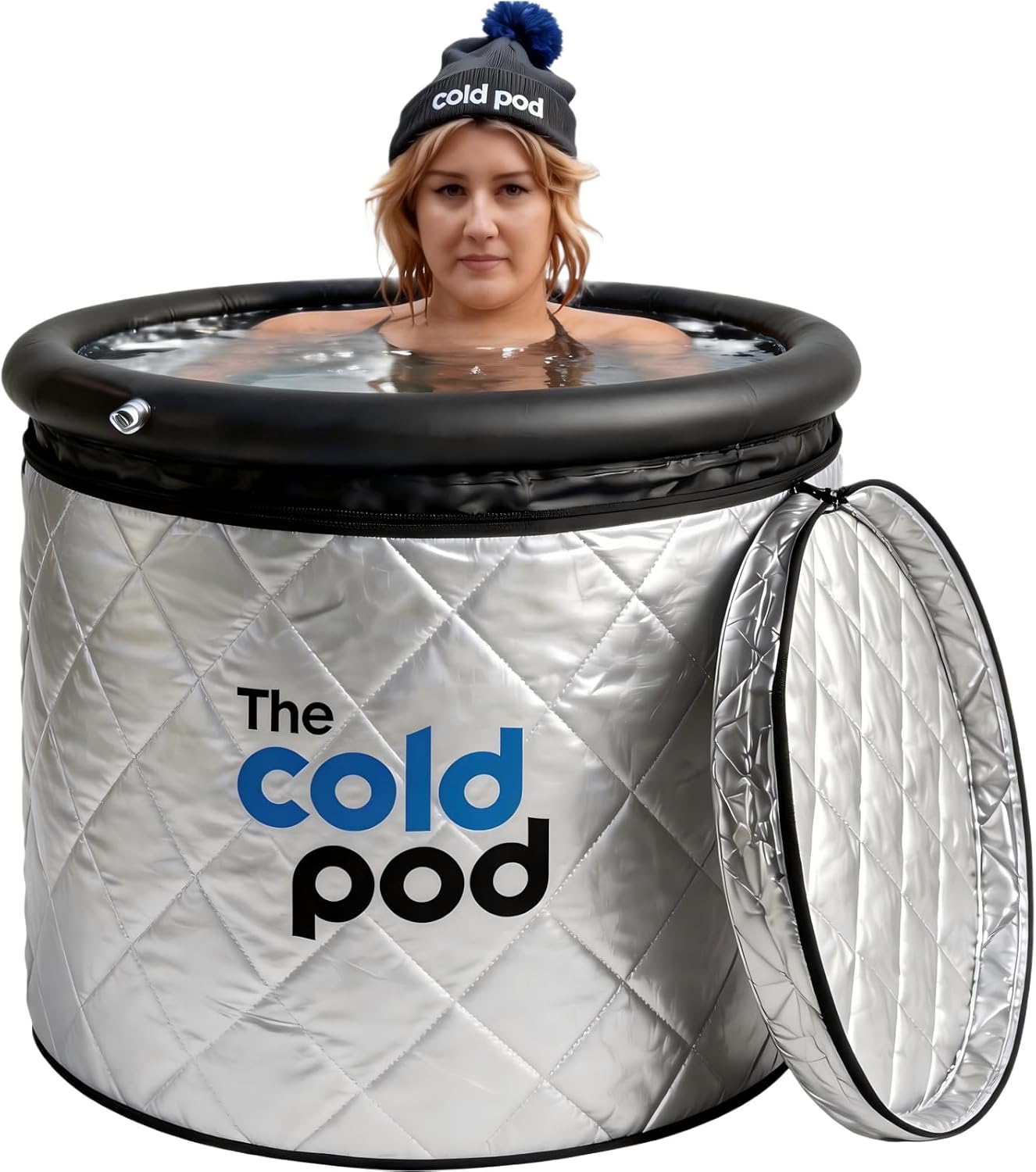
Why pickleball wrecks rotator cuffs (and why ice helps)
Pickleball looks gentle until you slow-mo a backhand reach or an overhead put-away. The rapid eccentric loading on the supraspinatus tendon—especially in 50+ players who skipped the warm-up—is exactly the mechanism orthopedic surgeons see in MRI reports labeled “partial-thickness articular-sided tear.” Acute inflammation peaks in the first 48 to 72 hours, and that’s the window where good cold therapy shoulder wraps for rotator cuff pickleball injuries earn their keep.
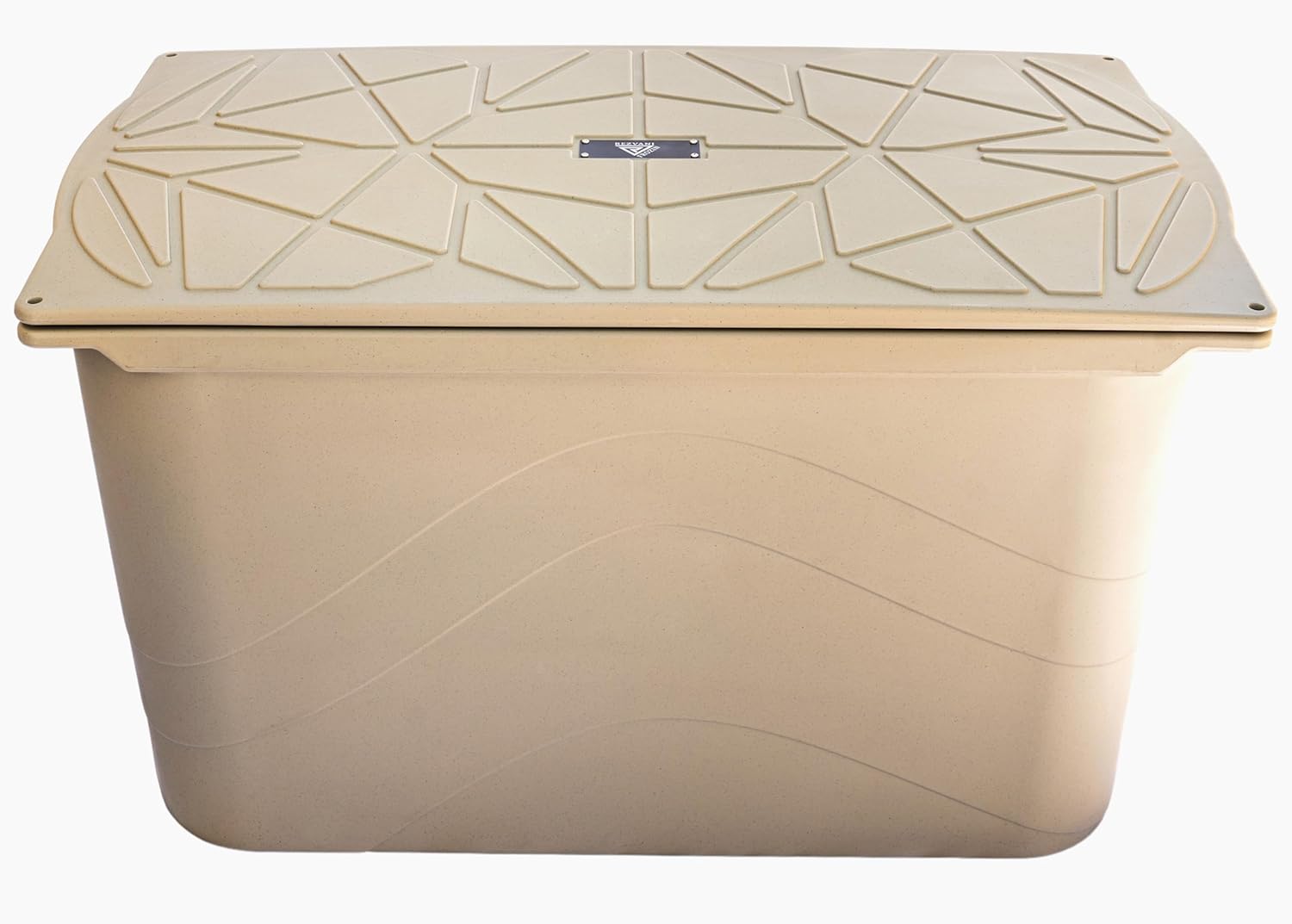
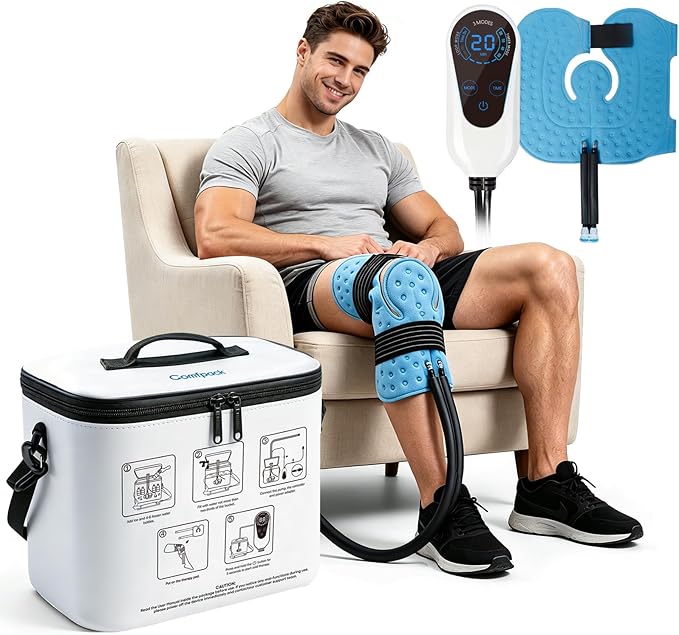
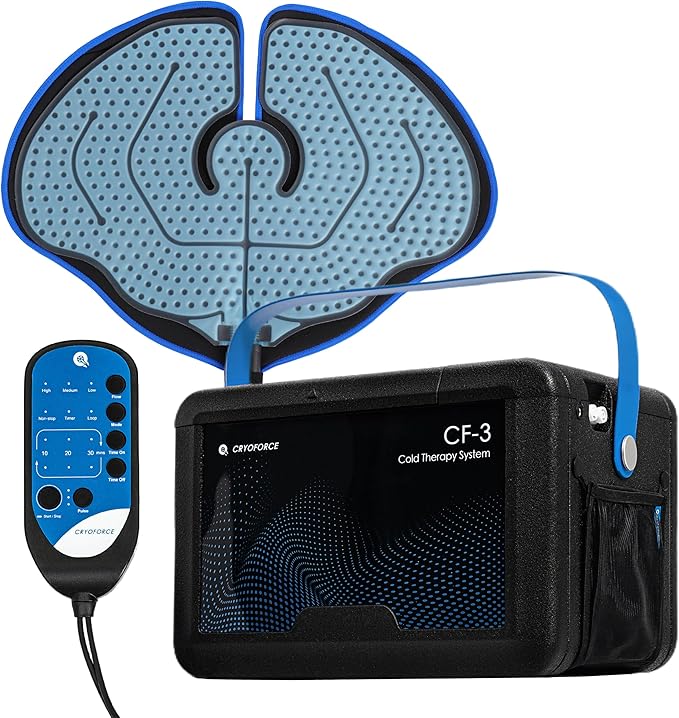
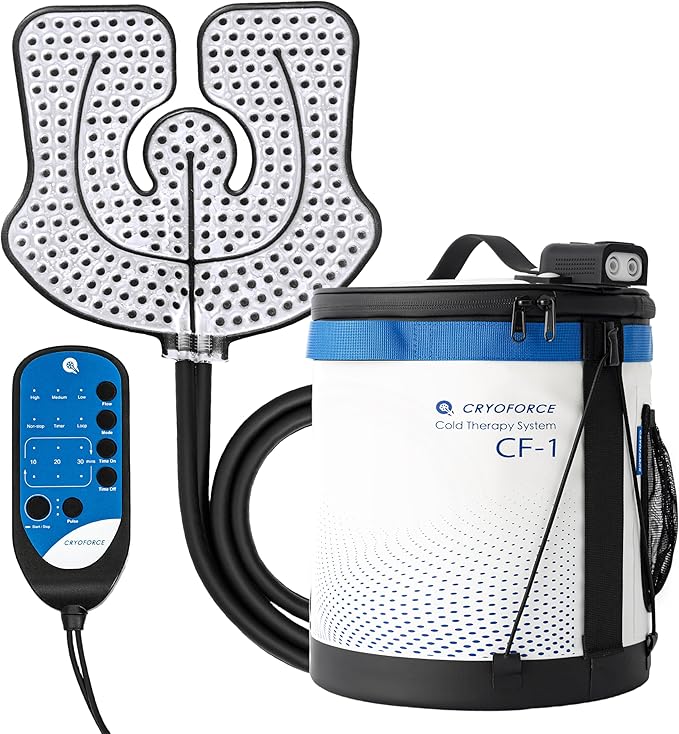
A wrap that hugs the deltoid, axilla, and acromion at a steady 45–55°F reduces capillary leak, blunts prostaglandin signaling, and numbs the C5 dermatome enough that you can actually sleep on your good side. Bag-of-frozen-peas icing drops out of the therapeutic range within nine minutes; a motorized ice reservoir with a contoured shoulder bladder holds that range for 30–45 minutes per cycle, which is what your orthopedist actually prescribed when she said “ice four times a day.”
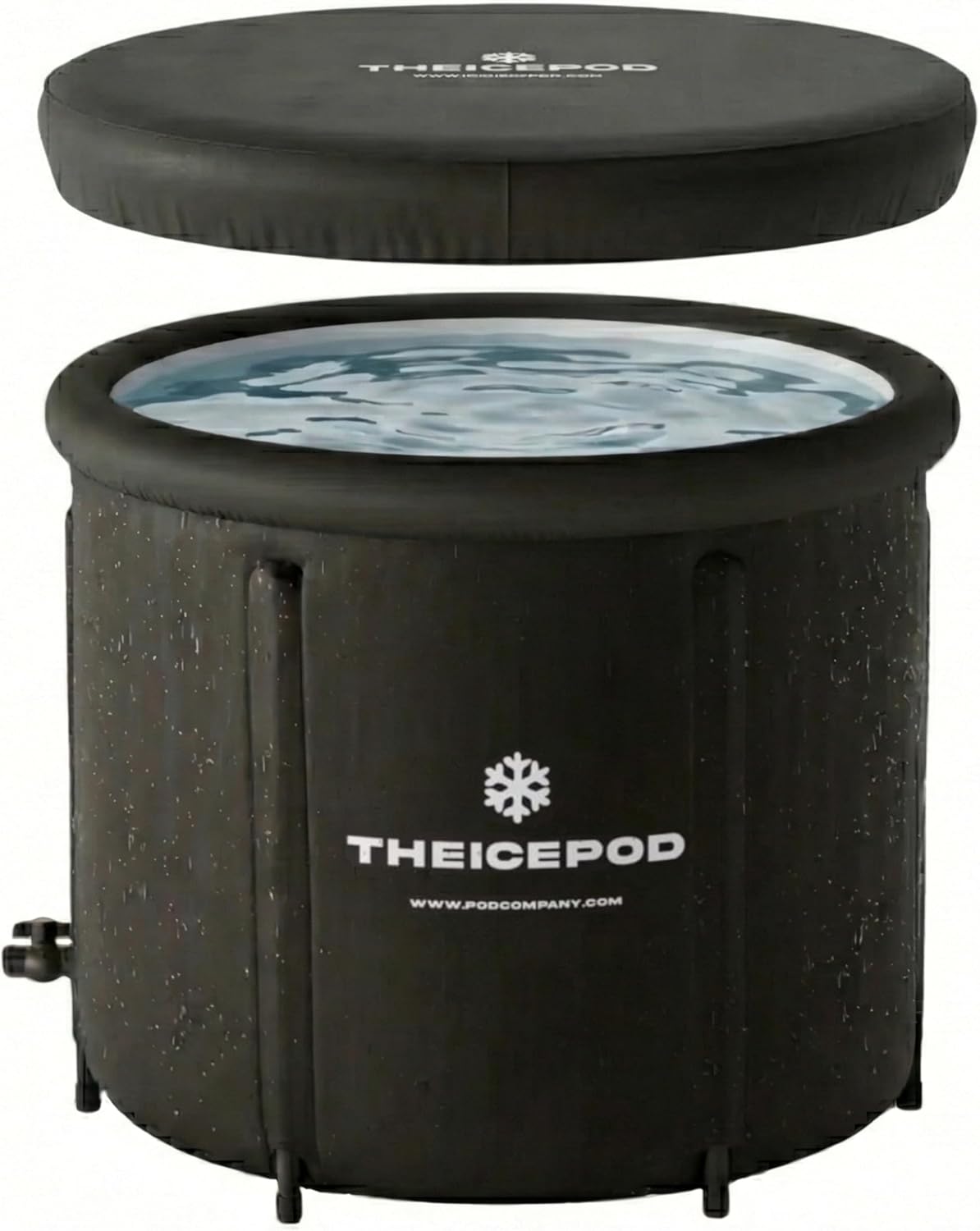
What to look for in a shoulder cold therapy system
- Reservoir size: Shoulders are bigger than knees. A 6-quart cooler will need refilling halfway through a session; aim for 10 quarts or more for back-to-back sessions on game days.
- Pad shape: True shoulder wraps wrap under the armpit and over the acromion with an adjustable chest strap. A generic universal pad will leak cold air and miss the posterior cuff entirely.
- Programmable timer: Continuous flow is fine, but on/off cycling (typically 15 on / 15 off) protects the skin and the suprascapular nerve from frostnip.
- Pump noise: You will run this overnight after a tournament. Anything over 50 dB will keep you and your partner awake.
- Hose length: A short hose forces the reservoir onto the bed. Look for at least 5 feet so the unit lives on the nightstand.
Comparison at a glance
| Model | Reservoir | Best For | Timer | Pickleball Pick |
|---|---|---|---|---|
| CF-3 Pro 16.8QT | 16.8 quarts | Shoulder & knee, all-night use | Programmable | Best overall for shoulder |
| CF-1 Quiet | ~9 quarts | Apartment dwellers, quiet sleep | Yes | Best quiet runner-up |
| ACL Recovery Ice Machine (B0DK2VFZZW) | Compact | Travel & tournament bag | Manual | Best portable |
| Programmable Portable (B0FXK3GW9B) | Mid-size | Budget-friendly cycling | Programmable | Best budget |
Top picks for rotator cuff recovery after pickleball
1. CF-3 Pro Cold Therapy Machine, 16.8QT Large-Capacity Ice Therapy System — Best Overall for Shoulders
The CF-3 Pro is the only machine in this round-up explicitly engineered around both knee and shoulder pads, and the 16.8-quart reservoir is the real differentiator. After a Saturday round-robin that leaves your supraspinatus screaming, you can load it once before dinner and run two full 45-minute sessions plus an overnight cycle without refilling. The included shoulder bladder anchors over the acromion with a Velcro chest strap that doesn’t ride up when you sleep on your back, and the programmable controller lets you set 15-on / 15-off intervals so you don’t wake up with an ice-cold deltoid at 3 a.m. For 50+ players who are committed to weekly league play and need a unit that handles months of post-tear rehab, this is the one to buy. Check price on Amazon.
2. CF-1 Cold Therapy Machine, Quiet Ice Therapy System — Best for Quiet Overnight Use
If you share a bedroom with a light sleeper, the CF-1 is the wrap-and-machine combo to consider. The pump is noticeably quieter than competing units in this class—closer to a desk fan than a mini fridge—and that matters when your orthopedist tells you to ice for 20 minutes every two hours for the first three nights after a grade-II tear. The reservoir is smaller than the CF-3 Pro, so you’ll add ice once per overnight stretch, but the trade-off is a footprint that fits on a small nightstand. Pair it with a dedicated shoulder bladder (sold separately by most cuff-pad manufacturers) and you have a near-silent recovery rig. Check price on Amazon.
3. Cold Therapy Machine for ACL Recovery — Best Portable Option for Tournament Travel
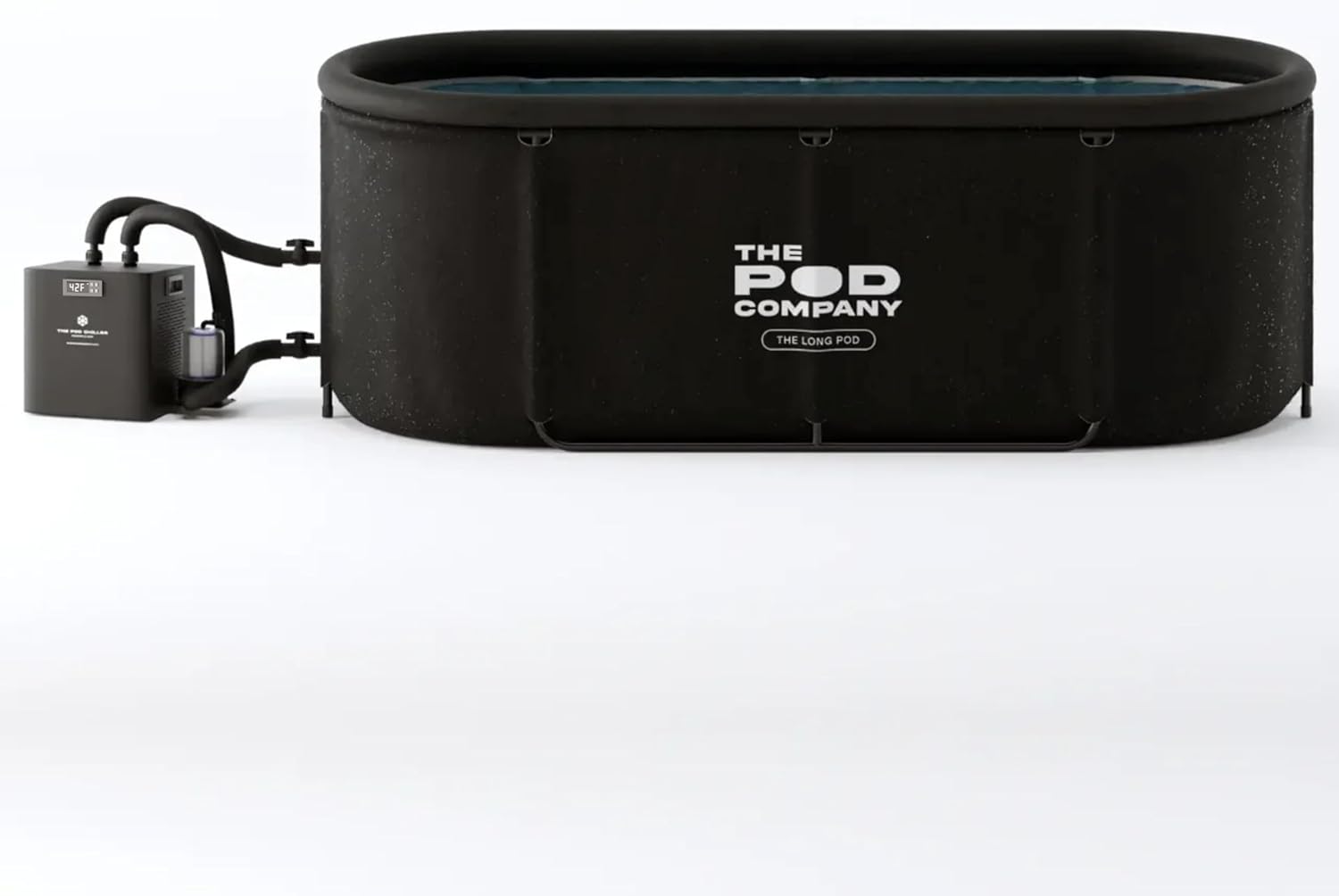
Marketed for knee/ACL recovery, this compact unit doubles surprisingly well as a tournament-bag cold therapy shoulder solution when paired with a universal shoulder pad. The cooler is small enough to fit beside your paddle case, and it draws low enough wattage that you can run it off a hotel-room outlet without tripping breakers. We’d recommend it as a secondary unit for traveling regional players rather than your primary at-home recovery system—the smaller reservoir means more ice refills mid-session, which is fine for a 20-minute post-match cycle but tedious for overnight use. Check price on Amazon.
4. Portable Cold Therapy Machine with Programmable Timer — Best Budget Pick
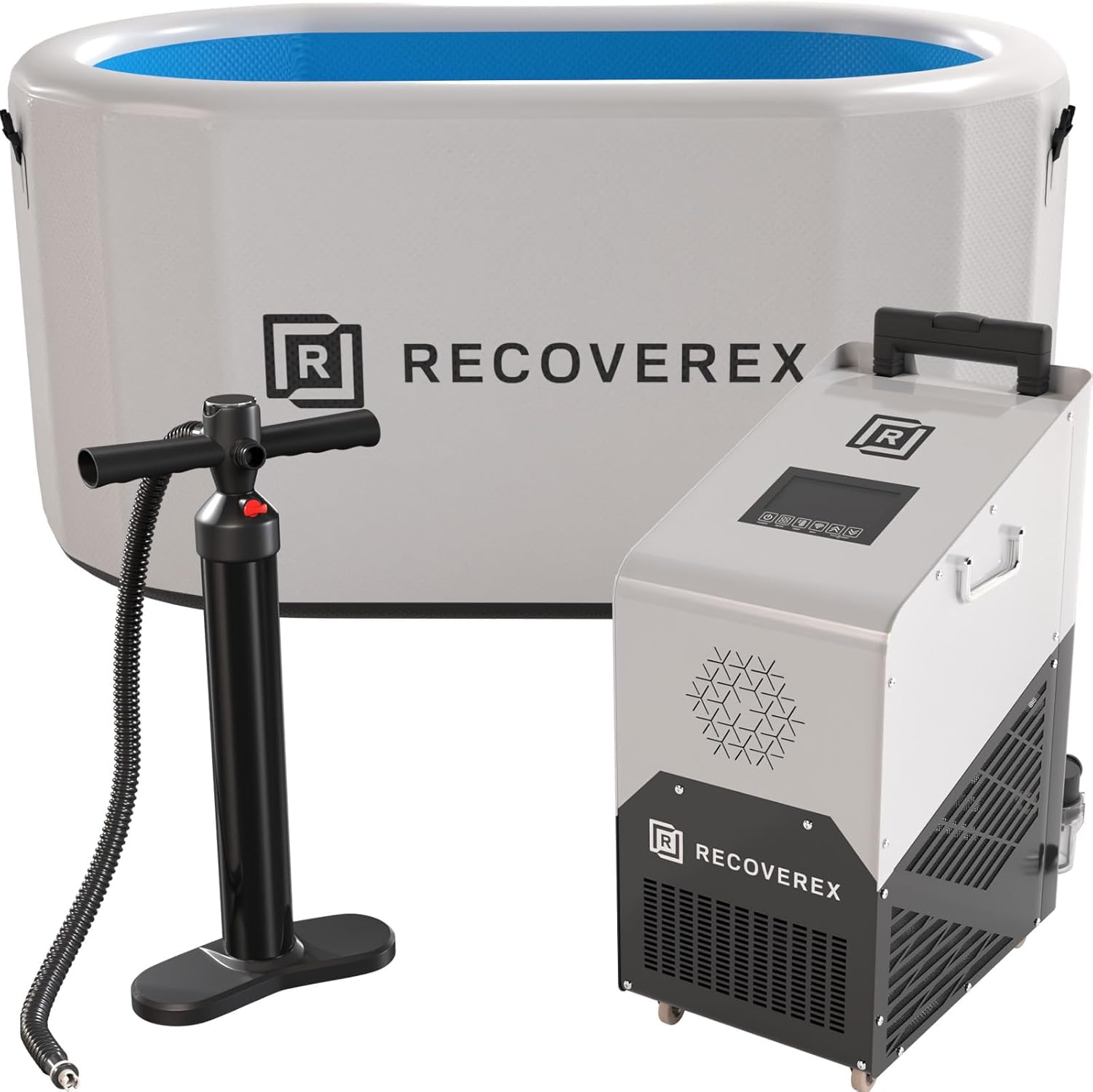
For weekend players who don’t want to spend big on a six-week rehab window, this programmable portable unit hits the essentials: timed cycling, a quiet-ish pump, and a reservoir large enough for one full session per fill. The shoulder pad sold by the same manufacturer fits adults up to roughly a 48” chest circumference. It’s not as plush as the CF-3 Pro’s bladder, but at this price point you’re getting genuine continuous-flow cold therapy that beats every gel pack on the market. Check price on Amazon.
How to use a cold therapy shoulder wrap correctly
Even the best cold therapy shoulder wraps for rotator cuff pickleball recovery work only if you apply them right. Here’s the protocol most orthopedic PTs recommend in 2026:
- Layer once: Place a thin cotton T-shirt or single layer of microfiber between your skin and the bladder. This prevents superficial nerve irritation without meaningfully blunting the cold.
- Position the pad: The thickest portion of the bladder should cover the supraspinatus (the bony notch above the spine of the scapula). Wrap the tail under the armpit and across the chest.
- Cycle, don’t marathon: 20 minutes on, 40 minutes off is the standard. Newer programmable units cycle internally so you can leave the wrap in place between sessions.
- Combine with elevation: A wedge pillow that lifts the affected arm to roughly 30° abduction enhances lymphatic drainage. Don’t sleep flat with a fresh tear.
- Stop if you feel numbness past 20 minutes: Tingling down the arm is a sign the suprascapular or axillary nerve is getting too cold. Pull the wrap.
Pairing cold therapy with the rest of your recovery stack
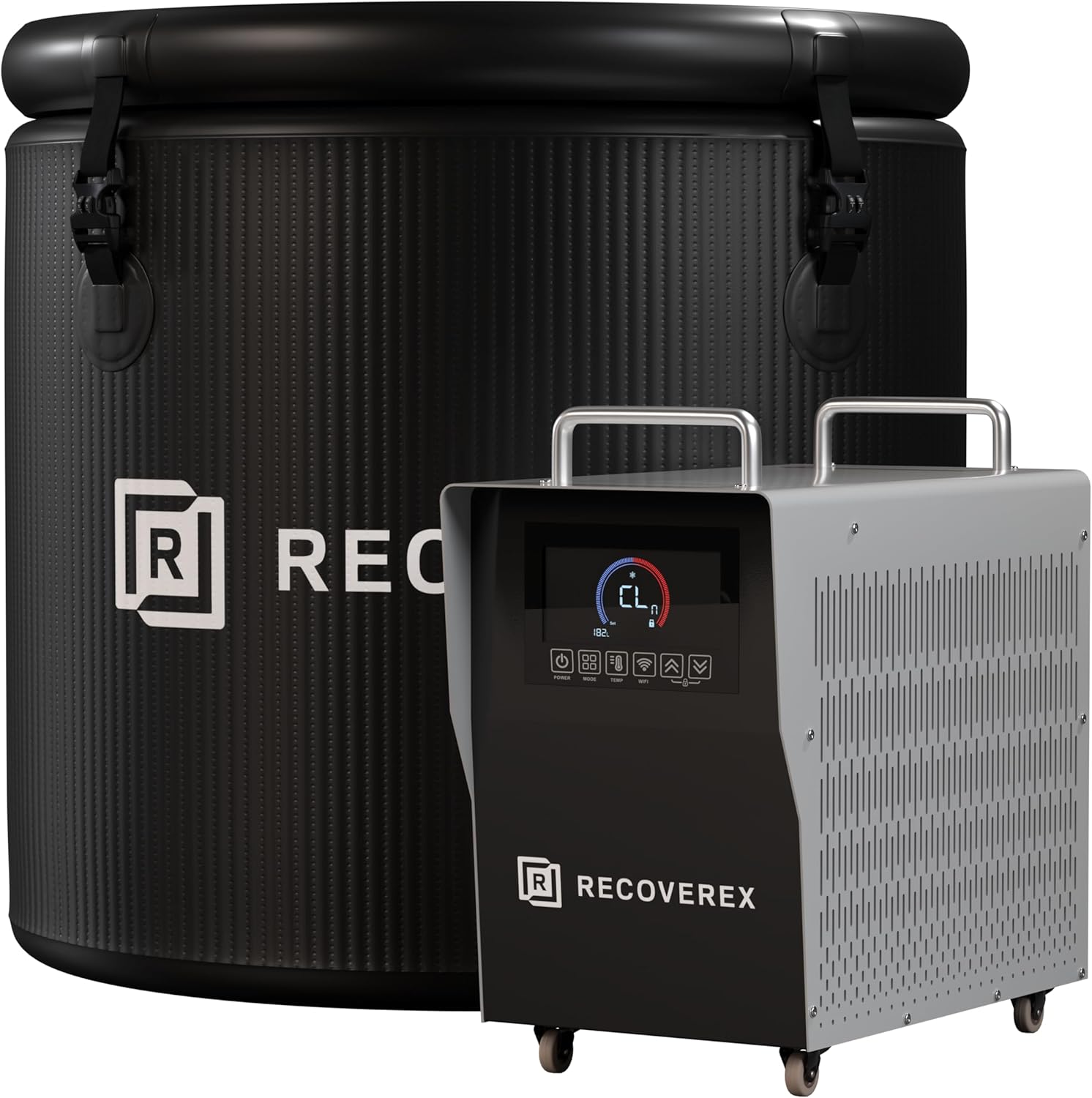
Cold is one tool. A complete rotator cuff recovery in the first six weeks also includes scapular stabilization isometrics, sleeper stretches once acute pain subsides, and (for many players) a structured progression from pendulum swings to resistance-band external rotations. If you’re building out a broader at-home setup, our guides to cold plunge tubs for shoulder recovery and percussion massagers for pickleball elbow cover the next layers. For players also nursing knee issues from court repetition, the cold therapy machines for knee tendinitis round-up reviews the same family of units optimized for the lower body.
When to skip the wrap and call an orthopedist
Cold therapy is appropriate for grade-I and grade-II rotator cuff strains, partial-thickness tears, post-surgical recovery, and chronic tendinopathy flares. It is not a substitute for imaging when you experience any of the following: inability to lift the arm against gravity at all, audible popping with sudden weakness, night pain that doesn’t respond to NSAIDs after 72 hours, or numbness down the arm into the thumb. These are red flags for a full-thickness tear, labral involvement, or nerve impingement that may need MRI and orthopedic evaluation.
Frequently Asked Questions
How long should I ice my shoulder after a pickleball-related rotator cuff strain?
For the first 72 hours after the injury, aim for 20-minute cycles four to six times per day. After day three, transition to icing primarily after activity (drills, PT exercises, or a return-to-play match). Most PTs continue recommending post-activity cold therapy for 4–6 weeks during the rehab phase.
Are gel ice packs as effective as a motorized cold therapy machine for rotator cuff injuries?
No. Gel packs drop out of the therapeutic 45–55°F range within roughly nine minutes, which means the actual anti-inflammatory dose is short. Motorized ice circulation systems with a shoulder bladder maintain that range for 30–45 minutes per cycle, delivering several times the therapeutic exposure per session.
Can I use a cold therapy shoulder wrap right after a cortisone injection?
Yes—and most orthopedists recommend it. Ice for 15–20 minutes immediately after the injection reduces post-shot soreness and the temporary “cortisone flare” that some patients experience in the first 24 hours. Just keep a single layer of fabric between the bladder and the injection site.
Will cold therapy speed up an actual rotator cuff tear’s healing, or just mask the pain?
It does both. Pain reduction is the obvious effect, but the bigger mechanism is reduced inflammatory cascade, which limits secondary tissue damage and allows you to sleep—and quality sleep is when the bulk of soft-tissue repair occurs. Cold won’t reconnect torn fibers, but it creates the conditions in which your body can.
What size cold therapy reservoir do I need for shoulder use specifically?
Shoulders demand more cold than knees because of the larger surface area and deeper joint capsule. A reservoir of 10 quarts or more is ideal for back-to-back sessions or overnight use; smaller 6-quart units are fine for a single 20-minute cycle but require refills if you want to ice multiple times in an evening.
Can I wear a cold therapy shoulder wrap during sleep?
Yes, with a programmable unit that cycles automatically. Set the timer to 15 minutes on, 30–45 minutes off, and position the reservoir on a nightstand at or just below mattress height so the hose runs downhill into the bladder. Never sleep with a continuous-flow unit that doesn’t cycle—that’s the setup that risks frostnip.
How soon after a partial rotator cuff tear can I return to pickleball?
For grade-I strains, most players return to light dinking in 2–3 weeks and full play around six weeks. Grade-II partial tears typically require 8–12 weeks of structured rehab including scapular stabilization and gradual loading. Full-thickness tears that don’t respond to conservative care may need surgical repair, after which cold therapy remains a cornerstone of the 4–6 month recovery.
The bottom line for pickleball players
If you take rotator cuff recovery seriously—and at 50+ playing four times a week, you should—invest in a real motorized cold therapy system with a shoulder-specific bladder rather than another bag of cubes. The CF-3 Pro 16.8QT is our top recommendation for serious league players who want to ice overnight without refills. The CF-1 wins for quiet apartment use, the portable programmable unit handles tournament travel, and the budget programmable model gets weekend warriors through a six-week tear without breaking the bank. Whichever you choose, pair it with proper positioning, a programmable timer, and a sane return-to-play timeline, and you’ll be back on the court—serving overhead—before the season ends.
Key Takeaways
- Choosing the right cold therapy shoulder wraps for rotator cuff pickleball means matching capacity and output ports to your actual devices
- Always check actual watt-hours (Wh), not just watts — runtime depends on Wh, not peak output
- Also covers: pickleball shoulder ice wrap
- Also covers: rotator cuff cold compression wrap
- Also covers: cold shoulder wrap for pickleball injury
- Compare price-per-Wh across models to find the best value for your budget