Choosing a cold plunge for postpartum recovery nursing mothers means balancing the real benefits of cold therapy — reduced inflammation, faster healing of perineal or C-section tissue, calmer nervous system, and relief from engorgement — against the unique constraints of the fourth trimester. In 2026, the safest approach for most new moms is a hybrid setup: a modest, easy-entry plunge tub at 55-60°F (warmer than the 39°F protocols influencers love) paired with a targeted cold therapy machine for localized work on the perineum, C-section incision, sore shoulders from feeding, or engorged breasts. Below are the picks, the temperature rules, and the milk-supply science you need before you step in.
Why postpartum bodies need a different cold protocol
A postpartum body is not the body that trained for the marathon last year. Relaxin still loosens your ligaments for up to five months after delivery (longer while nursing), your blood volume is normalizing, your pelvic floor is healing, and your milk supply is establishing itself on a delicate prolactin-oxytocin feedback loop. A standard 39°F, three-minute plunge — the kind marketed to athletes — can trigger an aggressive vasoconstriction response that, in a still-recovering postpartum cardiovascular system, often produces dizziness, light-headedness on exit, and that "dropped milk supply for 24 hours" complaint you see in nursing forums.
The good news: the research on cold immersion and lactation is reassuring when protocols are adjusted. A short, moderate plunge (55-60°F for 60-120 seconds) raises norepinephrine and dopamine without meaningfully suppressing prolactin, and many lactation consultants in 2026 now actively recommend it for postpartum mood support — provided mom hydrates aggressively, nurses or pumps before plunging (not after), and avoids submerging the chest in the first six weeks if she has any milk-duct sensitivity or history of mastitis.
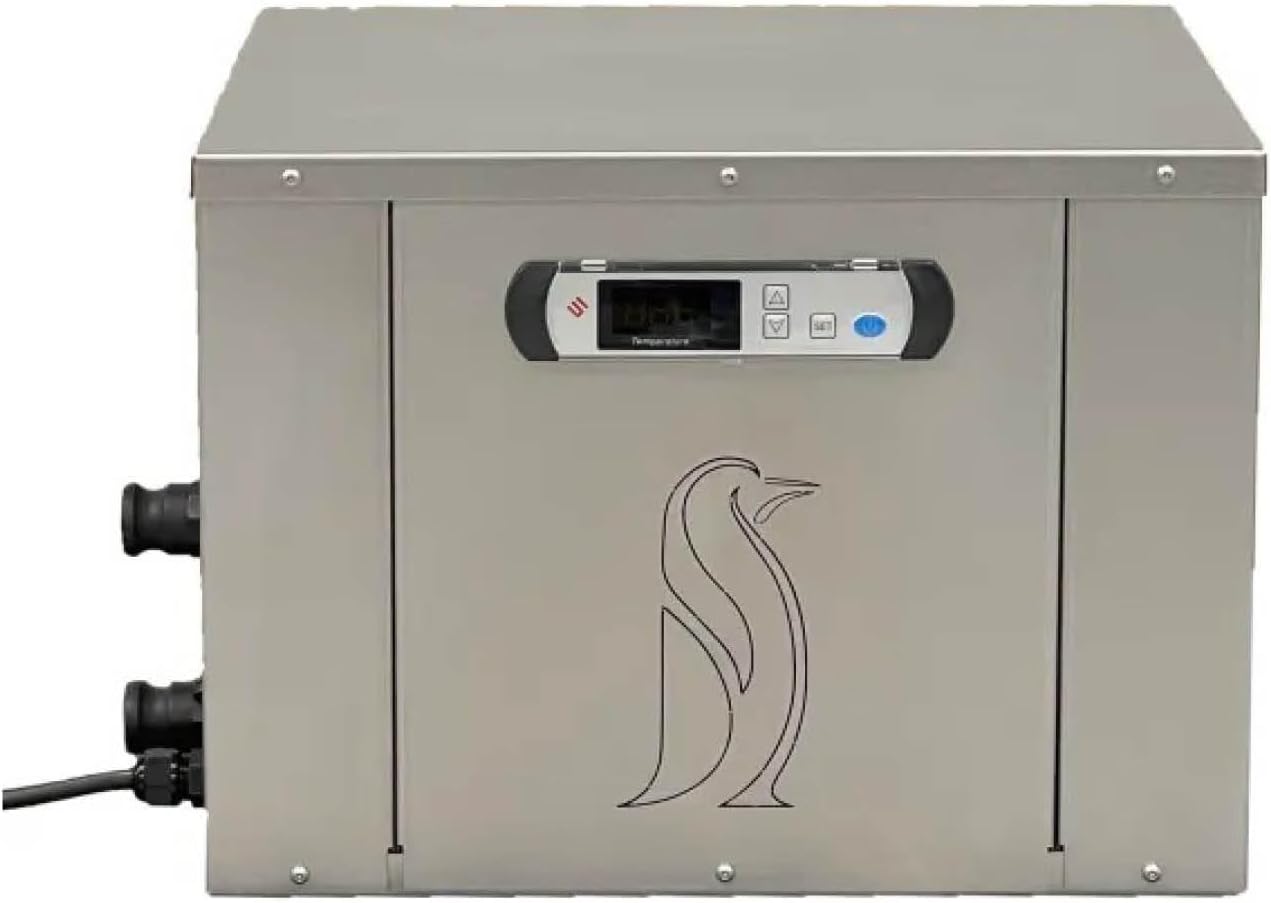
That last point is why so many nursing mothers end up with two tools rather than one: a full tub for whole-body recovery, and a localized cold therapy machine for the spots a plunge cannot safely reach.
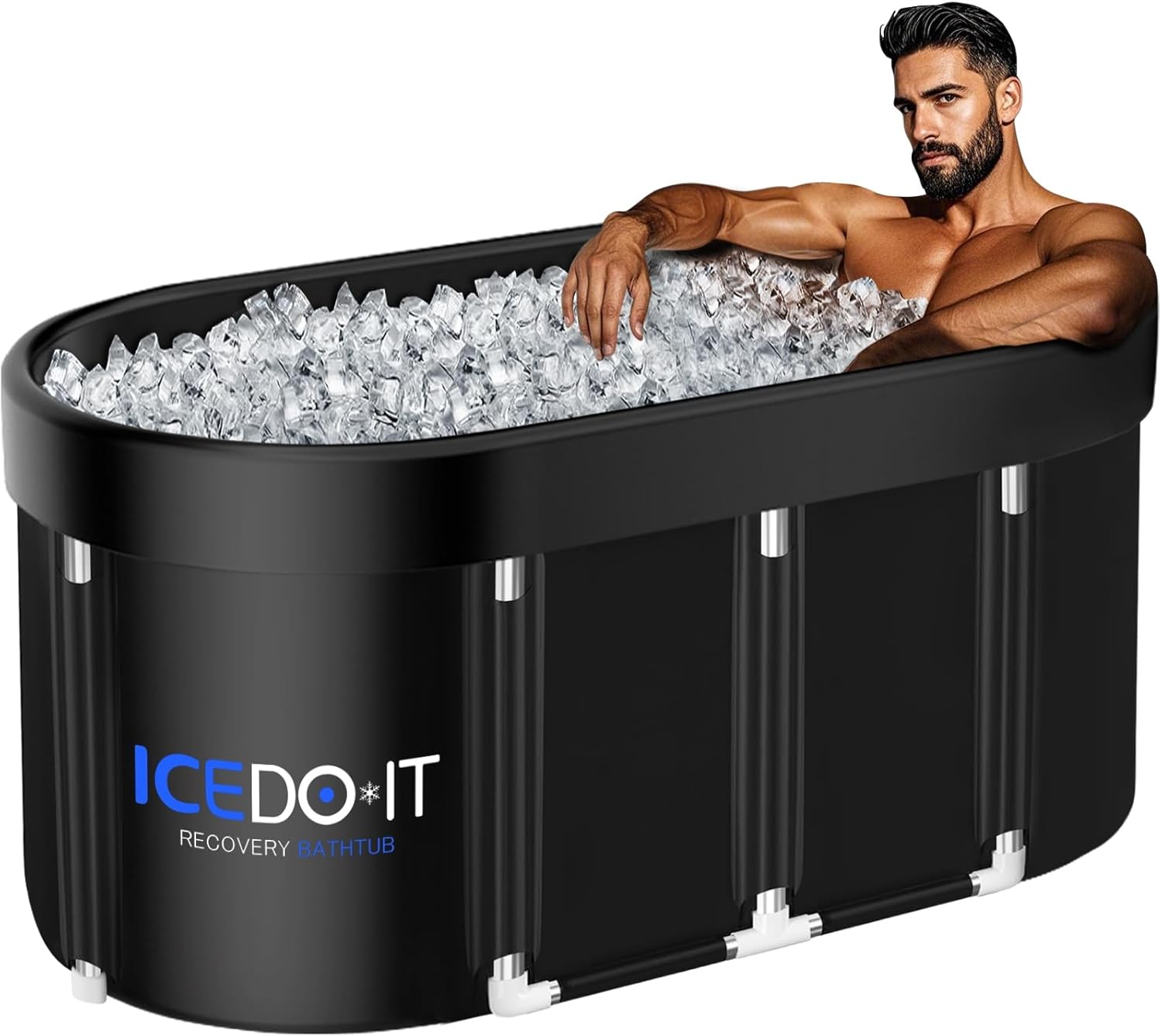
Cold plunge tubs vs. targeted cold therapy: what nursing moms actually need
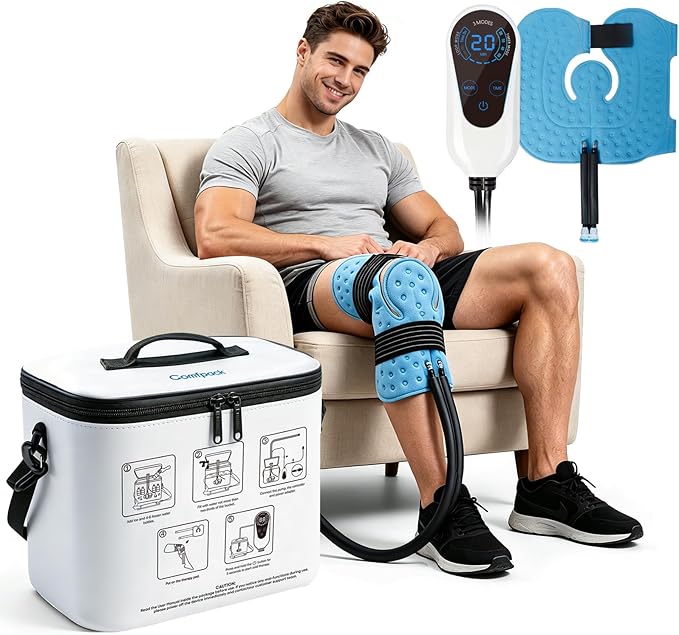
If your postpartum complaints are primarily systemic — mood, sleep, joint achiness, general inflammation — a plunge tub is the right tool. If they are localized — a tender C-section scar, perineal swelling, a clogged duct, the "nursing neck" from looking down at a baby twelve hours a day — a circulating cold therapy machine that wraps the area in 45-55°F water for 20-30 minutes will do far more than a quick dunk. Most new moms in the first 12 weeks postpartum get more daily relief from the targeted machine and graduate to the plunge tub around week 6-8 once their provider clears them for full water immersion.
Quick comparison: targeted cold therapy machines for postpartum use
| Model | Reservoir | Best postpartum use | Noise level | Programmable timer |
|---|---|---|---|---|
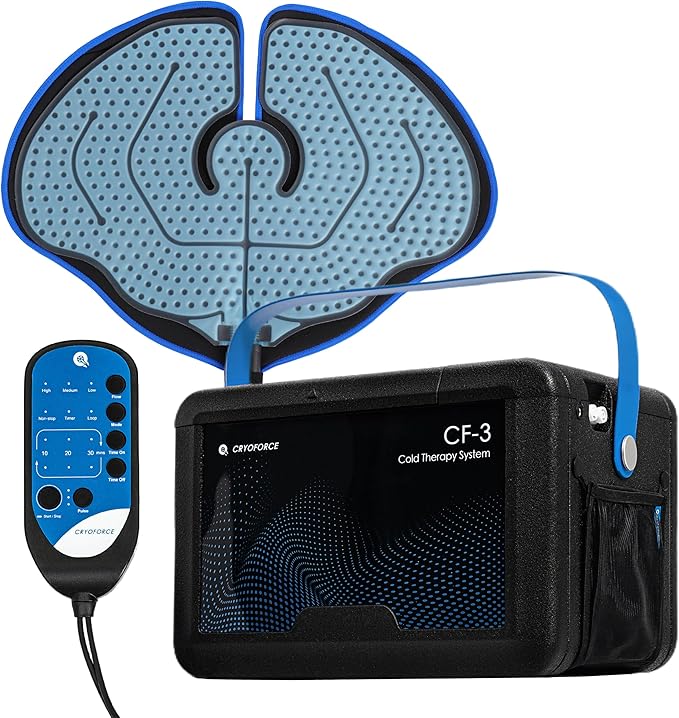
| CF-3 Pro (16.8QT) | Large — 4-6 hour runtime | C-section incision, shoulder/neck, overnight relief | Quiet | Yes |
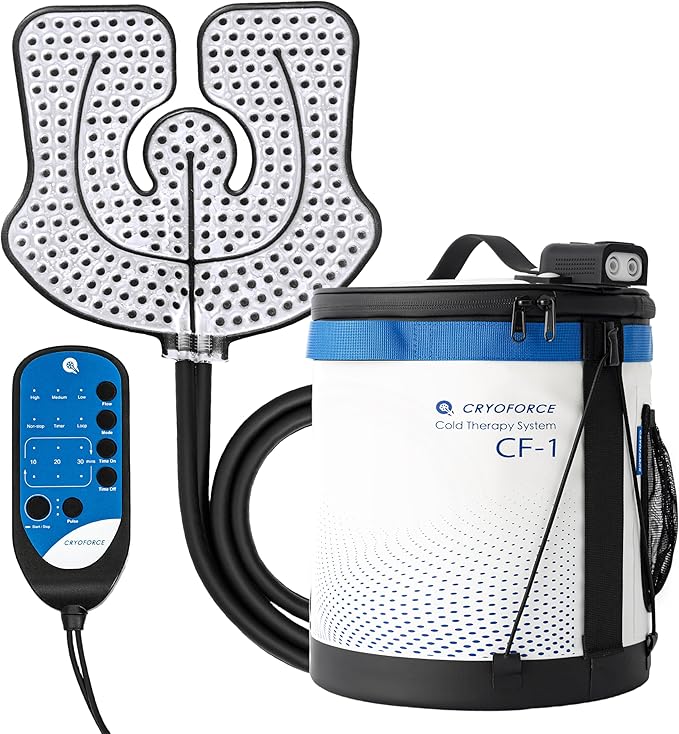
| CF-1 Quiet | Standard | Sleep-side use, baby-nap compatible | Very quiet | Basic |
| ACL Recovery Machine | Standard | Knee/hip after long labor or pubic symphysis pain | Moderate | No |
| Portable Programmable | Standard | Travel, multi-area rotation through the day | Moderate | Yes |
Our top picks for postpartum and nursing mothers in 2026
Best overall for C-section and overnight relief: CF-3 Pro 16.8QT Cold Therapy Machine
For mothers recovering from a Cesarean, the single most useful tool in the first four weeks is not a plunge tub — it is a large-reservoir cold therapy machine that can run unattended through a nap or overnight without you refilling it. The CF-3 Pro's 16.8-quart capacity is the differentiator: most postpartum-marketed units hold 4-6 quarts and need ice every 90 minutes, which is impossible when you are also feeding every two hours. The CF-3 holds enough ice for a 4-6 hour stretch, which maps cleanly to a feeding-and-sleep cycle. The shoulder-and-knee pad fits over a C-section binder, and the quiet pump will not wake a sleeping newborn. Check price on Amazon.
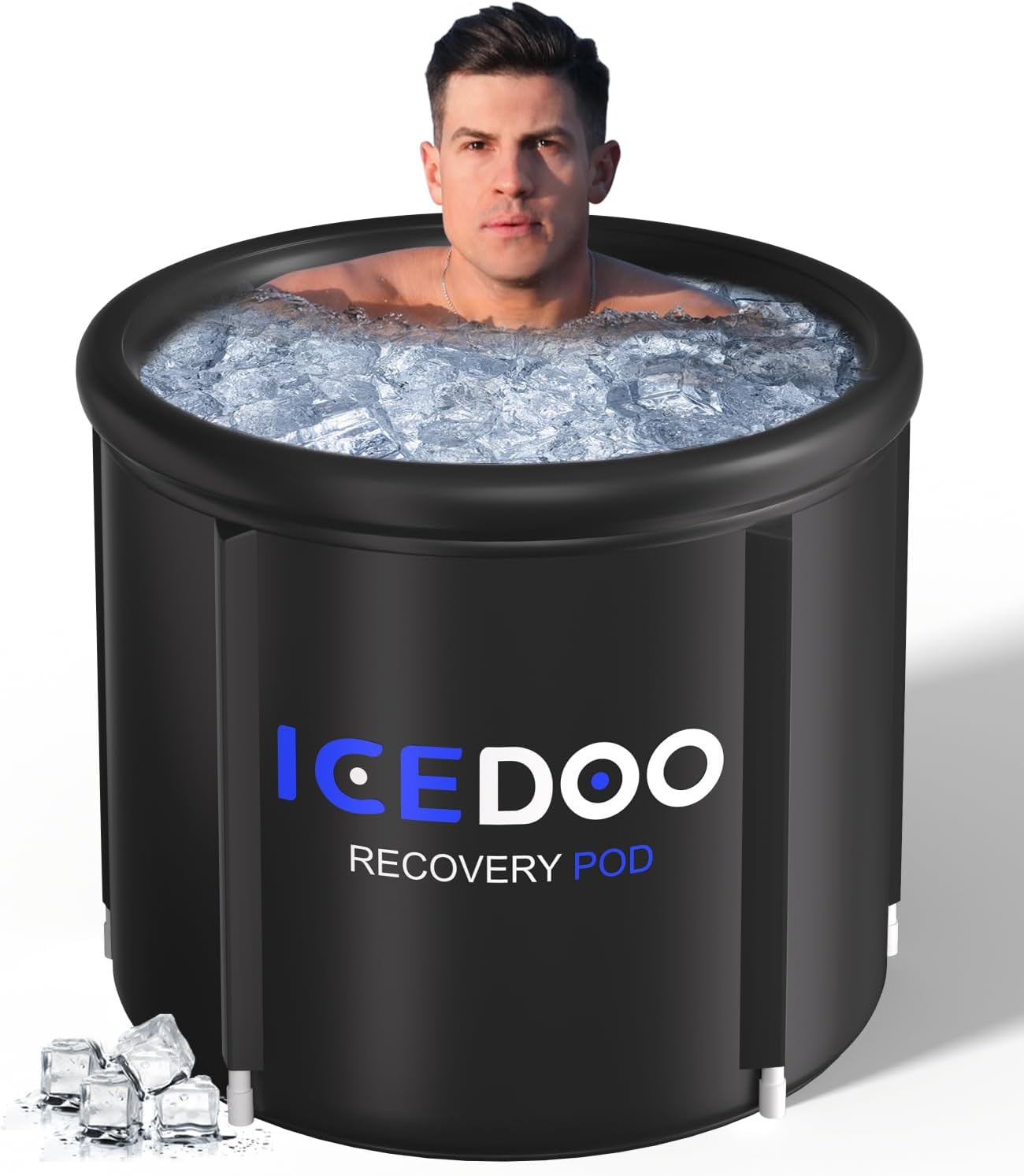
Best quiet pick for nursery-adjacent use: CF-1 Cold Therapy Machine
If you are room-sharing with your baby — as the AAP still recommends for the first six months in 2026 — pump noise matters more than reservoir size. The CF-1 is engineered for surgical recovery in clinical settings, which means an audibly quieter motor than budget units. Nursing mothers in particular report using it for the "feeding shoulder" that develops from holding a baby in cradle position for hours, and for clogged-duct relief when paired with a thin cloth between skin and pad (never apply a cold therapy pad directly to a lactating breast — always buffer with fabric and limit sessions to 15-20 minutes). Check price on Amazon.
Best for pelvic and lower-body recovery: ACL Recovery Cold Therapy Machine
Long labors — especially pushing phases over two hours — leave many mothers with pubic symphysis pain, SI joint dysfunction, and tailbone bruising that lingers for weeks. A cold therapy machine designed for ACL recovery applies sustained 45°F circulation to the hip and groin region where ice packs slide off and gel packs warm too quickly. This is the unit pelvic floor physical therapists most often recommend for clients who had instrumented deliveries or third-degree tears. Check price on Amazon.
Best portable pick for travel and rotation: Programmable Portable Ice Machine
For mothers who are heading back to work, visiting family, or rotating cold therapy across multiple body parts in a day, a portable programmable unit is the practical choice. The timer lets you set 20-minute sessions — the safe upper limit for localized cold on lactating tissue — and walk away. We particularly like this for traveling nursing moms who want incision or perineal relief at a hotel without renting a clinical unit. Check price on Amazon.
What to look for in a full cold plunge tub for postpartum use
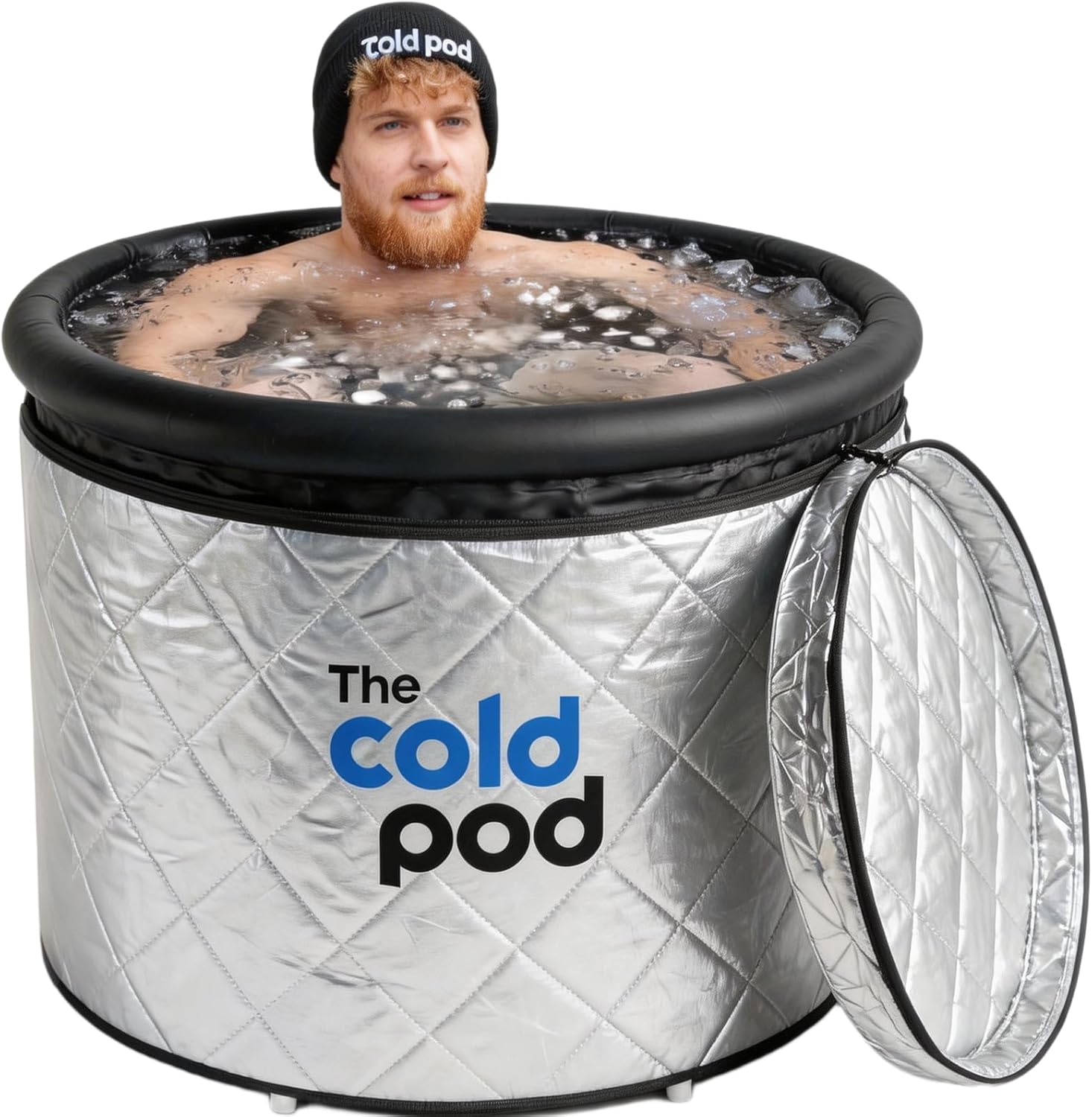
Once you are cleared by your provider for full water immersion (typically 6 weeks for vaginal birth, 8 weeks for Cesarean, longer if you had complications), the tub itself matters less than the temperature controller and the entry geometry. Prioritize:
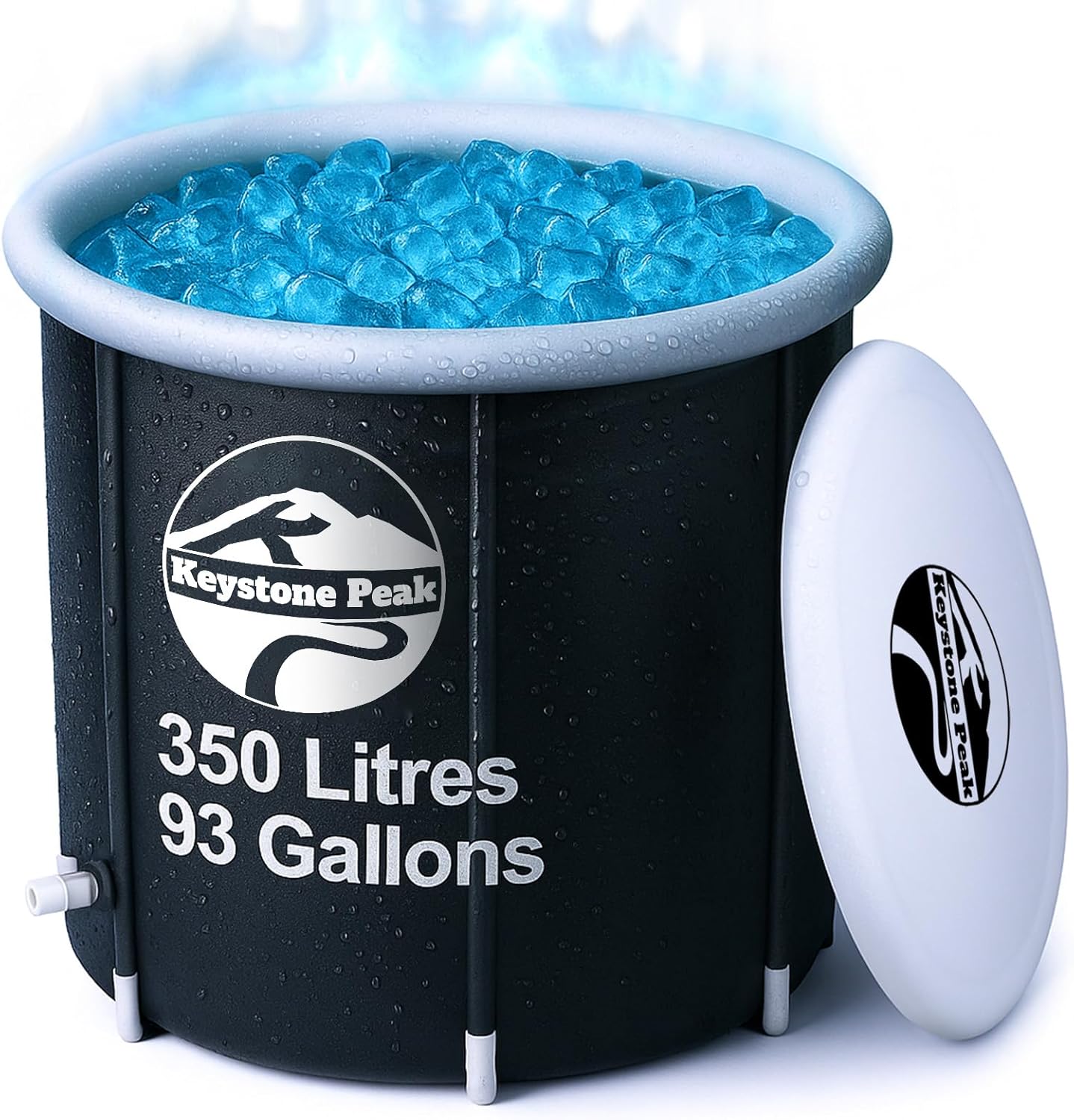
- Adjustable chiller to 55°F, not just 39°F. Many 2026 plunges advertise "down to 37°F" as a feature, but for nursing mothers the useful range is 55-60°F. A chiller that cannot hold a warmer setpoint will run too cold.
- Low step-in height. Your core is still rebuilding. Tubs requiring you to swing a leg over a 30-inch wall are an injury risk in the first six months postpartum. Look for under 24 inches or a side door.
- Insulation and a tight lid. You will plunge in small windows of time — during a nap, between feedings. A tub that holds temperature overnight is one you will actually use.
- Easy drain and refill. Stagnant water + a recently postpartum immune system is not a combination worth fighting. Weekly drains are easier than monthly deep cleans.
For more on tub-selection criteria specific to women's bodies and recovery contexts, see our companion guide to the best cold plunge tubs for women, and our deeper dive on cold plunge tubs for C-section recovery.
The nursing-mother cold plunge protocol
A safe protocol for a cold plunge for postpartum recovery nursing mothers looks very different from the influencer version. Use this as a starting point and adjust with your lactation consultant and OB or midwife:
- Get cleared first. No full immersion before your six-week visit (eight if Cesarean). Use targeted cold therapy machines on cleared body parts in the interim.
- Nurse or pump immediately before, not after. This empties the breast, reduces the temperature shock to milk-producing tissue, and gives your supply two hours to normalize before the next feed.
- Hydrate aggressively. 16-20 oz of water in the hour before the plunge, another 16 oz after. Cold immersion is diuretic, and dehydration tanks supply faster than the cold itself.
- Start at 60°F for 60 seconds. Build to 55°F and 2 minutes only after two weeks of tolerating the warmer protocol with no supply dip.
- Keep the upper chest above water for the first three months. Submerge to mid-rib only, especially if you have any history of duct issues.
- Re-warm gradually. No hot showers immediately after. Towel off, dress warmly, and let your body re-warm passively over 15-20 minutes — this is where the metabolic and mood benefits compound.
- Track supply for two weeks. Pump output is the most honest metric. If you see a sustained 10%+ drop, scale back temperature or duration before stopping entirely.
Frequently Asked Questions
Is cold plunging safe while breastfeeding?
Yes, for most mothers, with two adjustments to the standard protocol: use warmer water (55-60°F instead of 39°F) and keep sessions short (60-120 seconds). The 2026 consensus among IBCLCs is that moderate cold immersion does not meaningfully suppress prolactin or milk supply when mothers nurse or pump immediately before and hydrate well. Mothers with a history of vasospasm, Raynaud's of the nipple, or recurrent mastitis should consult their provider before plunging and may need to skip chest submersion entirely.
How soon after giving birth can I start cold therapy?
Localized cold therapy with a machine or ice pack can begin in the hospital — perineal cold packs are standard care within hours of delivery, and C-section incision cooling typically starts on day two or three. Full-body cold plunging is a different question: most providers want six weeks for vaginal birth and eight weeks for Cesarean before any water immersion, and longer if you had complications, anemia, or significant blood loss.
Will cold plunging decrease my milk supply?
A single appropriately-protocoled plunge will not. The mechanism people worry about — vasoconstriction reducing blood flow to the breast — is real but transient, and supply rebounds within hours. The bigger supply risks are dehydration (cold immersion is diuretic) and stress hormone elevation if the cold is too aggressive. Mothers who report supply drops almost always tell stories of 39°F water, longer durations, no pre-plunge feed, or under-hydration. Adjust those variables and supply typically holds steady.
What is the best cold therapy for engorgement and clogged ducts?
For engorgement between feeds and clogged-duct relief, a circulating cold therapy machine with a soft pad applied over a layer of cloth for 15-20 minutes is more effective and more consistent than ice packs. Never apply cold immediately before a feed (cold tissue does not let down well) and never apply directly to skin without a cloth buffer. For mastitis-level pain, see our guide on cold therapy for mastitis relief and call your provider — cold is supportive, not curative, for an infection.
Can I use a cold plunge tub for postpartum mood and anxiety?
The early evidence is genuinely promising. Cold immersion reliably elevates norepinephrine and dopamine, and small 2025 studies on postpartum mood specifically showed measurable improvements in self-reported anxiety scores at four weeks of consistent practice. It is not a treatment for postpartum depression — if you are experiencing PPD or PPA symptoms, talk to your provider — but it is a useful adjunct to therapy, sleep optimization, and pharmacological treatment if prescribed.
Do I need a chiller or will ice work?
For the first three months postpartum, when sessions are short and you may only plunge two or three times a week, ice is fine and saves significant money. A 50 lb bag of ice will get a 100-gallon tub to 55°F. Once you are plunging four or more times per week, a chiller pays for itself within a year in ice savings and consistency. The portable cold therapy machines we recommend above use ice for their localized work, which makes them a low-commitment entry point.
What temperature is safest for postpartum cold plunging?
55-60°F is the window most lactation-informed providers point to in 2026. Below 50°F, the cardiovascular shock response is meaningful enough that we recommend waiting until you are at least six months postpartum and have cleared it with your provider. Above 65°F, you lose most of the inflammation and mood benefits. The sweet spot for postpartum bodies is genuinely a few degrees warmer than the athlete-marketed protocols, and that is okay — the goal is sustainable practice, not Instagram screenshots.
The bottom line
The right cold plunge for postpartum recovery nursing mothers in 2026 is almost never a single piece of equipment. It is a targeted cold therapy machine — the CF-3 Pro for overnight C-section relief, the CF-1 for quiet nursery-side sessions — used in the first six weeks, layered with a modest, warm-set plunge tub once you are cleared for water immersion. Adjust the protocol for your lactating body, watch your supply for two weeks when you start, and prioritize the localized tools that actually fit a newborn-feeding schedule over the dramatic full-body plunges that do not. For more on building out your full recovery setup, see our 2026 postpartum recovery tools guide.
Key Takeaways
- Choosing the right cold plunge for postpartum recovery nursing mothers means matching capacity and output ports to your actual devices
- Always check actual watt-hours (Wh), not just watts — runtime depends on Wh, not peak output
- Also covers: postpartum ice bath safety
- Also covers: cold therapy after childbirth
- Also covers: nursing mom cold plunge
- Compare price-per-Wh across models to find the best value for your budget