If you are searching for the best cold therapy machines for ACDF cervical fusion recovery, the short answer is this: choose a quiet, programmable ice unit with a soft, contoured pad that can wrap the front of the neck and upper trapezius without pressing on the incision. After anterior cervical discectomy and fusion, swelling in the throat, jaw, and shoulder girdle is the single biggest driver of pain, dysphagia, and poor sleep during weeks one and two. A motorized cold therapy unit that circulates 40–55°F water for 6–8 hours overnight outperforms gel packs, which warm up within 20 minutes and force you to twist your neck to swap them — exactly the motion your surgeon told you to avoid.
Below we review four cold therapy machines that ACDF patients consistently report success with in 2026, explain how to fit a knee-style pad to the cervical region safely, and answer the questions we get most often from one- and two-level fusion patients.
Why ACDF recovery has different cold-therapy needs than knee or shoulder surgery
ACDF is performed through the front of the neck, retracting the esophagus, trachea, and carotid sheath to reach the cervical discs. That anterior approach means three things for your recovery setup:
- The incision is small but the swelling is regional. Postoperative edema commonly spreads from the jawline down through the supraclavicular fossa, and patients describe a "golf ball in the throat" sensation for 5–14 days. Cold therapy must cover that entire zone, not just a 4-inch incision strip.
- You cannot rotate or flex your neck to manage the device. Most ACDF patients wear a soft or Aspen collar for 2–6 weeks. The cold unit, hose, and controls need to be reachable with the head in neutral.
- Skin over the cervical spine is thin. Direct ice contact or pads colder than 40°F applied for longer than 20 minutes can cause frostbite over the clavicle and superficial nerves. A programmable timer is not optional.
Hospital-grade systems like the Breg Polar Care or Game Ready cost $300–$2,000+ and are usually rented through your surgical center. The consumer units below deliver the same continuous-flow cold therapy for ACDF cervical fusion recovery at roughly a third of the price, and you keep them.
What to look for in a cold therapy unit after cervical fusion
Five specifications matter more than brand name:
- Quiet pump (<40 dB). You will sleep with this running. Anything louder than a refrigerator will wake you, and broken sleep is the #1 predictor of prolonged opioid use after ACDF.
- Programmable on/off cycles. The American Academy of Orthopaedic Surgeons recommends 20 minutes on, 20–40 minutes off for cervical icing. Manual units force you to set alarms; programmable ones cycle automatically through the night.
- Pad geometry. A universal or knee-shaped pad with hook-and-loop straps fits better around the neck than a shoulder pad designed for the deltoid. You want coverage from mandible to mid-trapezius.
- Reservoir size. A 6-quart tank runs roughly 4–6 hours; a 16-quart tank runs 8–12 hours without refilling — important because reaching down to a floor-level unit twice a night defeats the purpose of cold therapy in cervical recovery.
- Insulated hose and quick-disconnect. If you need to use the bathroom at 3 a.m. in a collar, you do not want to lift the whole unit. Quick-disconnects let you detach the pad in one motion.
Comparison table: top cold therapy machines for ACDF recovery in 2026
| Model | Tank | Runtime | Programmable timer | Noise | Best for |
|---|---|---|---|---|---|
| CF-3 Pro 16.8QT | 16.8 qt | 10–12 hr | Yes, 5–55 min cycles | ~38 dB | Overnight, larger patients, 2+ level fusions |
| CF-1 Quiet | 6 qt | 5–6 hr | Yes, fixed presets | ~35 dB | Quietest sleep, single-level ACDF |
| Portable Programmable Timer Unit (B0FXK3GW9B) | 7 qt | 6–8 hr | Yes, fully adjustable | ~40 dB | Travel, post-op clinic visits |
| ACL Recovery Cold Therapy (B0DK2VFZZW) | 6 qt | 4–6 hr | Manual | ~42 dB | Budget pick, daytime use |
The four best cold therapy machines for ACDF cervical fusion recovery
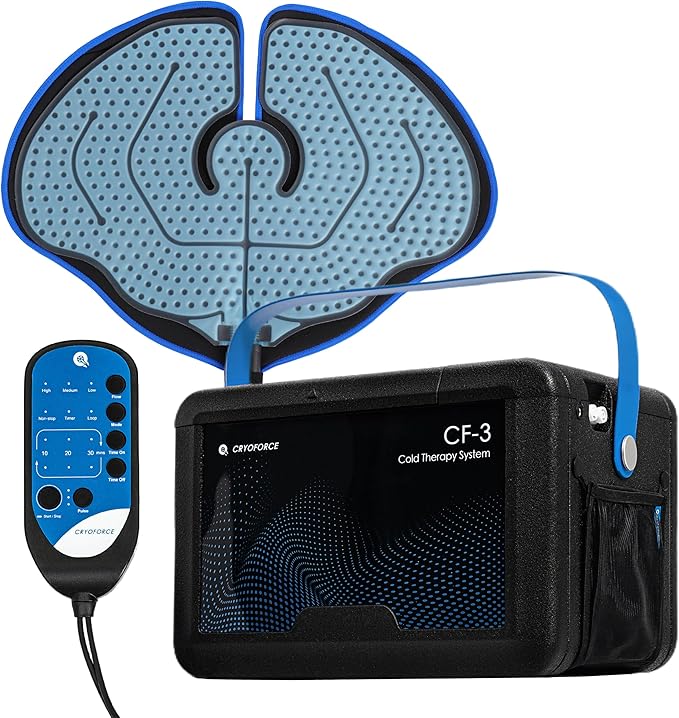
1. CF-3 Pro 16.8QT — best overall for overnight cervical icing
The CF-3 Pro is the unit we recommend most often for one- and two-level ACDF patients because its 16.8-quart insulated reservoir runs a full overnight cycle without a refill. The included universal pad has enough surface area to wrap from the mandible down across the supraclavicular fossa, and the strap geometry lets you secure it without lifting your elbows above shoulder height — important in week one when scapular elevation still pulls on the incision. The programmable controller offers cycles from 5 to 55 minutes on/off, so you can dial in the 20-on / 30-off protocol most spine surgeons recommend. At roughly 38 dB the pump is quieter than a typical bedroom fan.
Check the CF-3 Pro 16.8QT on Amazon
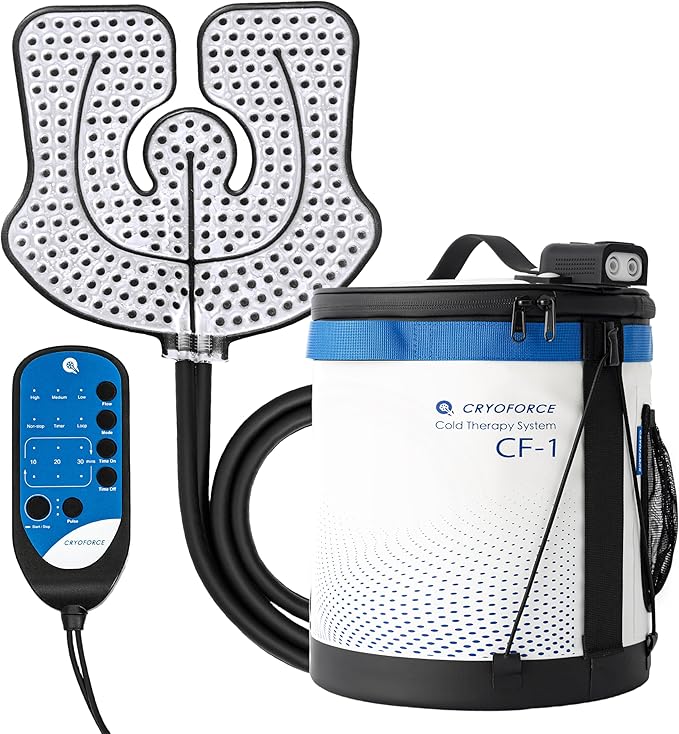
2. CF-1 Quiet Cold Therapy System — best for light sleepers
If your bedroom is quiet enough that you can hear a digital clock tick, the CF-1 is the cold therapy machine to buy. Its brushless pump runs at roughly 35 dB — below the threshold most people consciously notice — which matters because ACDF patients sleep on their back, often propped on a wedge, and any vibration carries directly through the headboard. The 6-quart tank limits runtime to about 5 hours, so plan to refill once before bed and once around the 3 a.m. bathroom trip if you are still using opioids. The pad is smaller than the CF-3 Pro's but fits the cervical region more snugly without bunching.
Check the CF-1 Quiet System on Amazon
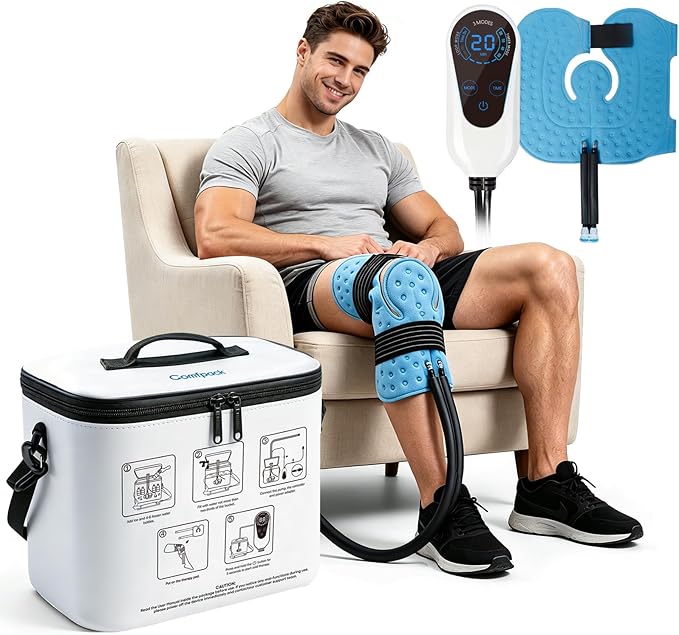
3. Portable Cold Therapy Machine with Programmable Timer — best for follow-up visits and travel
The 4–6 week post-op window includes multiple imaging visits, hardware checks, and (for many patients) a return-to-work appointment. This portable unit weighs under 8 pounds with the tank empty, has a recessed carrying handle, and the digital programmable timer remembers your last cycle setting between power cycles. We also like that the lid latches positively — important if the unit rides in a car seat next to you on the way to physical therapy. Cooling performance matches the larger tanks for the first 4 hours; after that, ice depletion becomes noticeable.
Check the Portable Programmable Unit on Amazon
4. Cold Therapy Machine for Knee & ACL Recovery — best budget pick
Despite the knee/ACL marketing, this unit's pad is shaped enough like a hospital cold collar to wrap a cervical region effectively. The pump is louder than the CF-1 and the timer is manual rather than programmable, which means you will need to set a phone alarm for each 20-minute cycle. For daytime icing in a recliner — when you are awake anyway — those limitations matter less. At well under the price of the CF-3 Pro, it is a reasonable choice for patients whose insurance is reimbursing a hospital rental and who only need a backup or supplemental unit.
Check the ACL Recovery Cold Therapy Unit on Amazon
How to position the pad on your neck after ACDF
Most cold therapy machines for ACDF cervical fusion recovery ship with knee or shoulder pads, not dedicated cervical collars. That is fine — the trick is in how you wrap them:
- Place a single layer of thin cotton (a pillowcase works) between the pad and your skin. This is non-negotiable for the first 72 hours when sensation can be altered from retraction.
- Center the pad over the lower portion of the throat and the front of the shoulders, not directly over the incision. Edema, not the incision itself, is the pain generator.
- Use the longer Velcro strap diagonally across the chest and under the opposite arm — this anchors the pad without compressing the carotid arteries.
- If you are wearing an Aspen or Miami J collar, slip the pad under the collar's front panel. The collar holds the pad in place perfectly and you avoid double-strapping.
For more guidance on positioning, see our walkthrough on cold therapy pad placement after neck surgery and our protocol for icing schedules during the first week after spine surgery.
Cold therapy vs. other recovery modalities
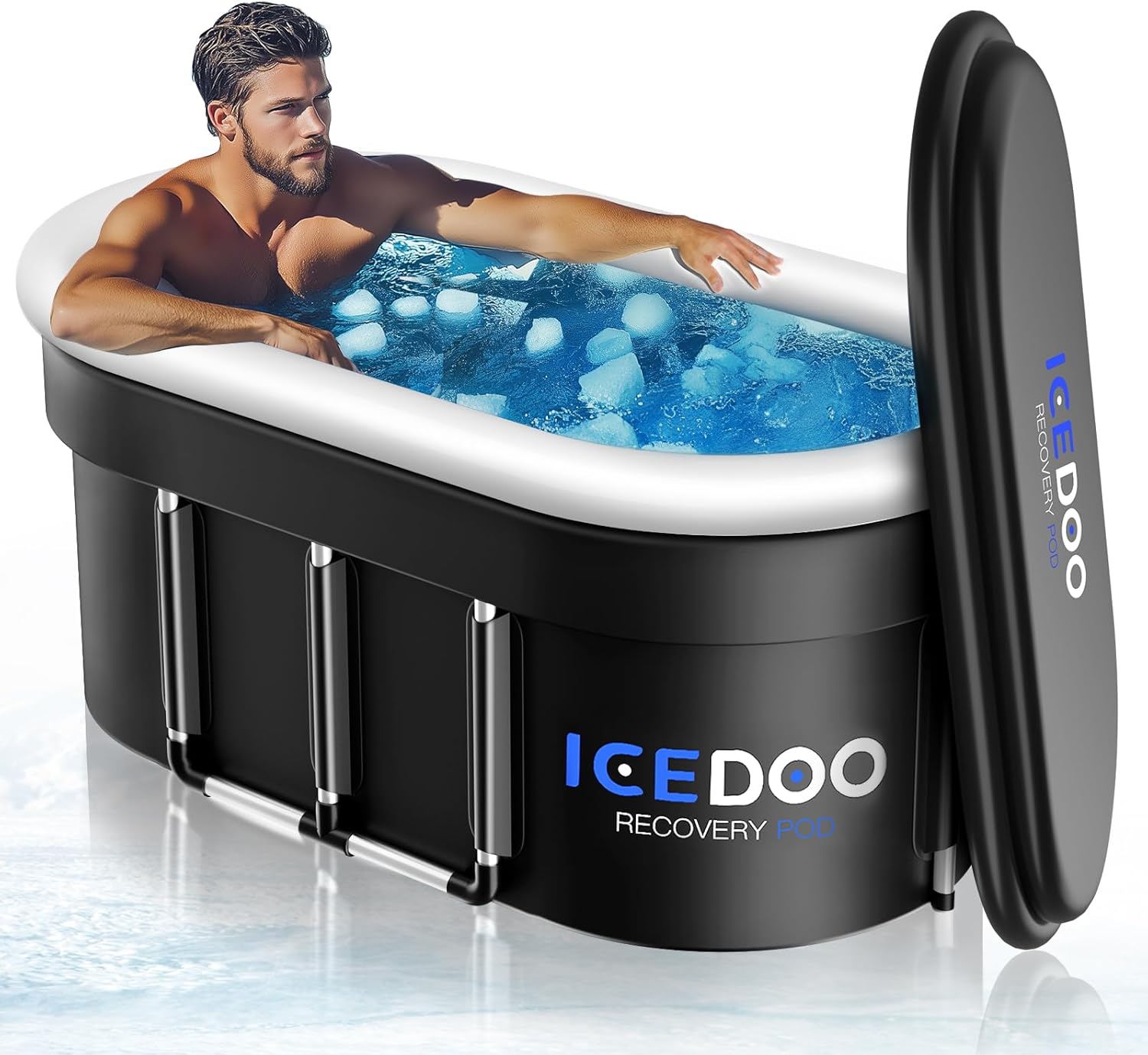
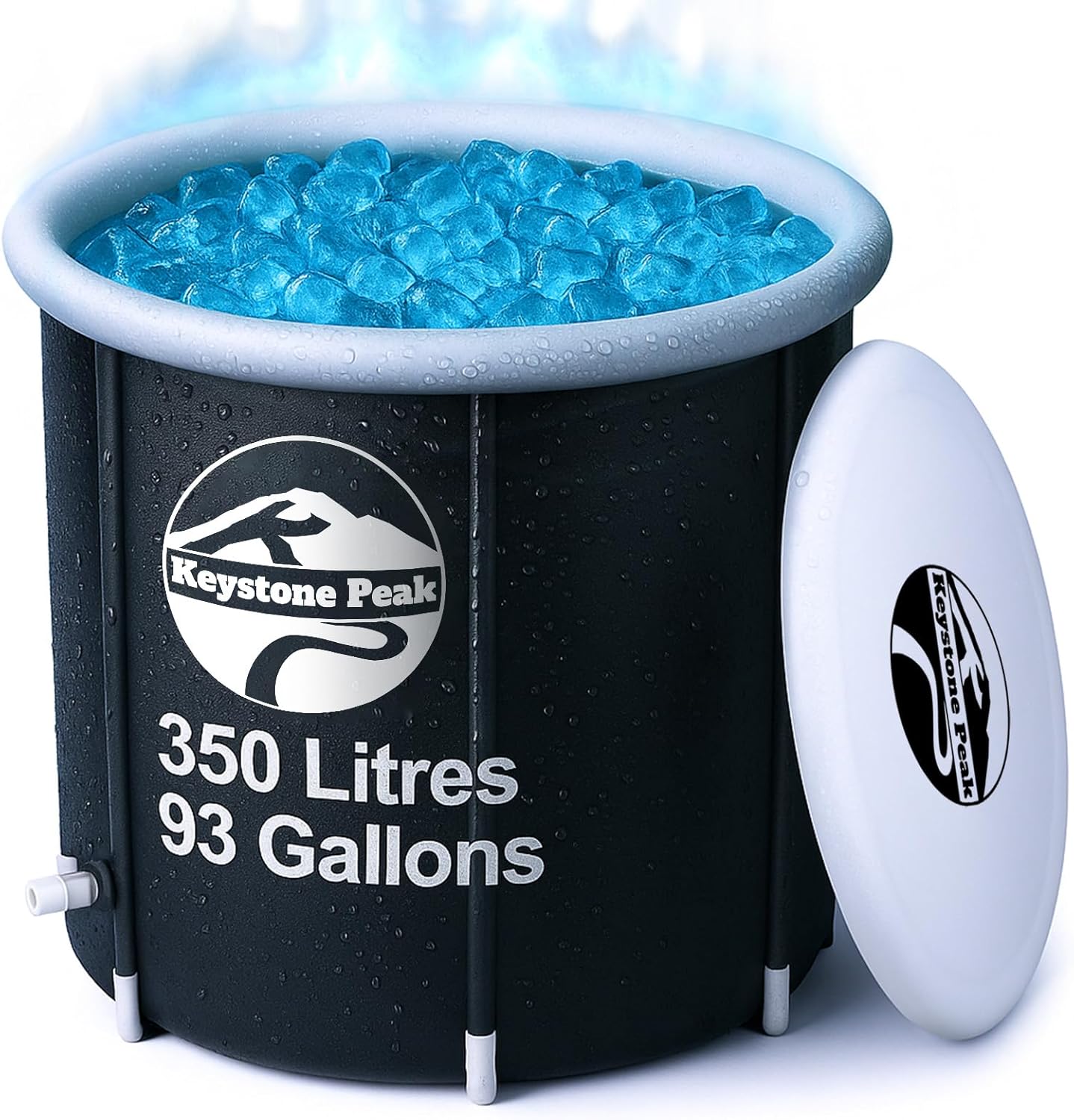
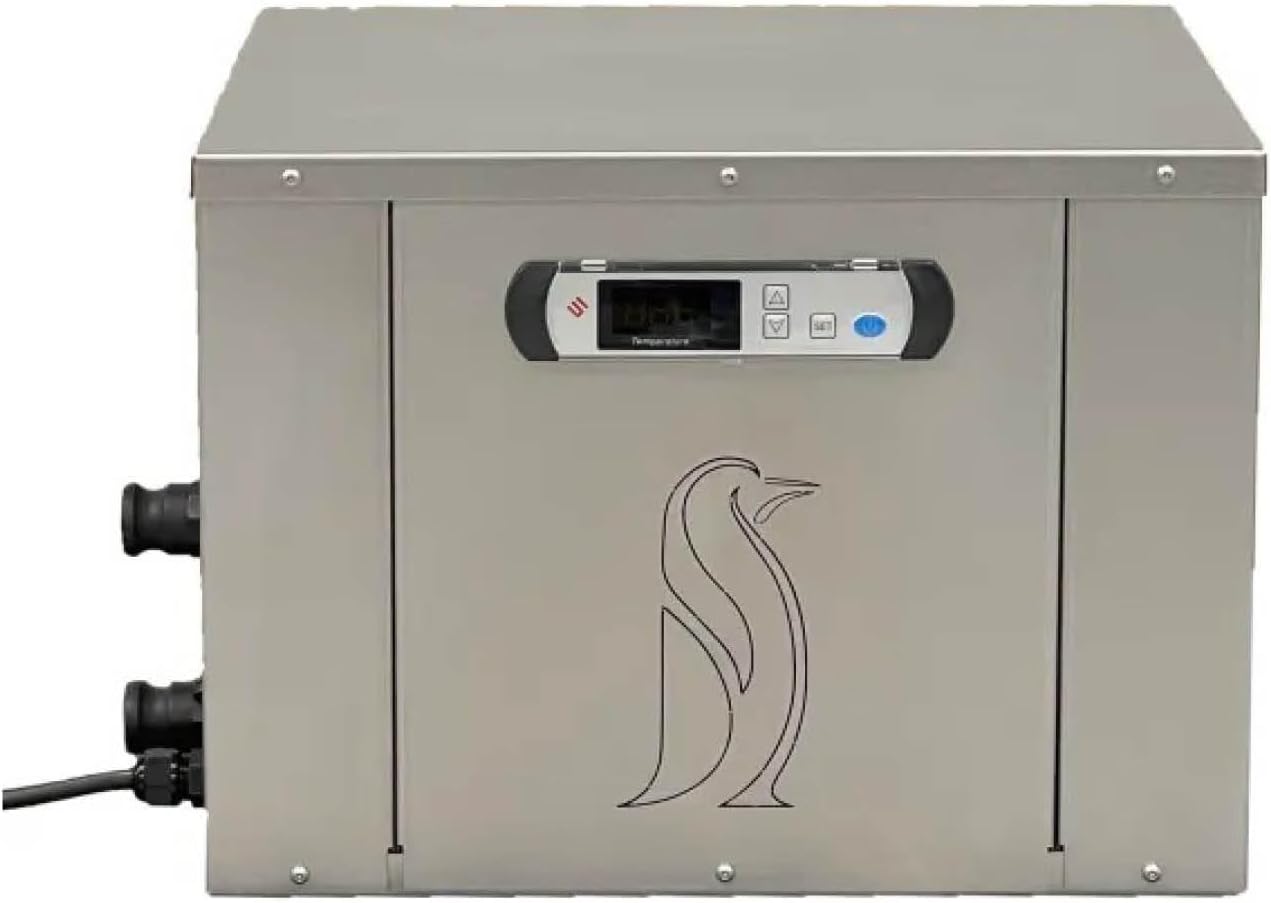
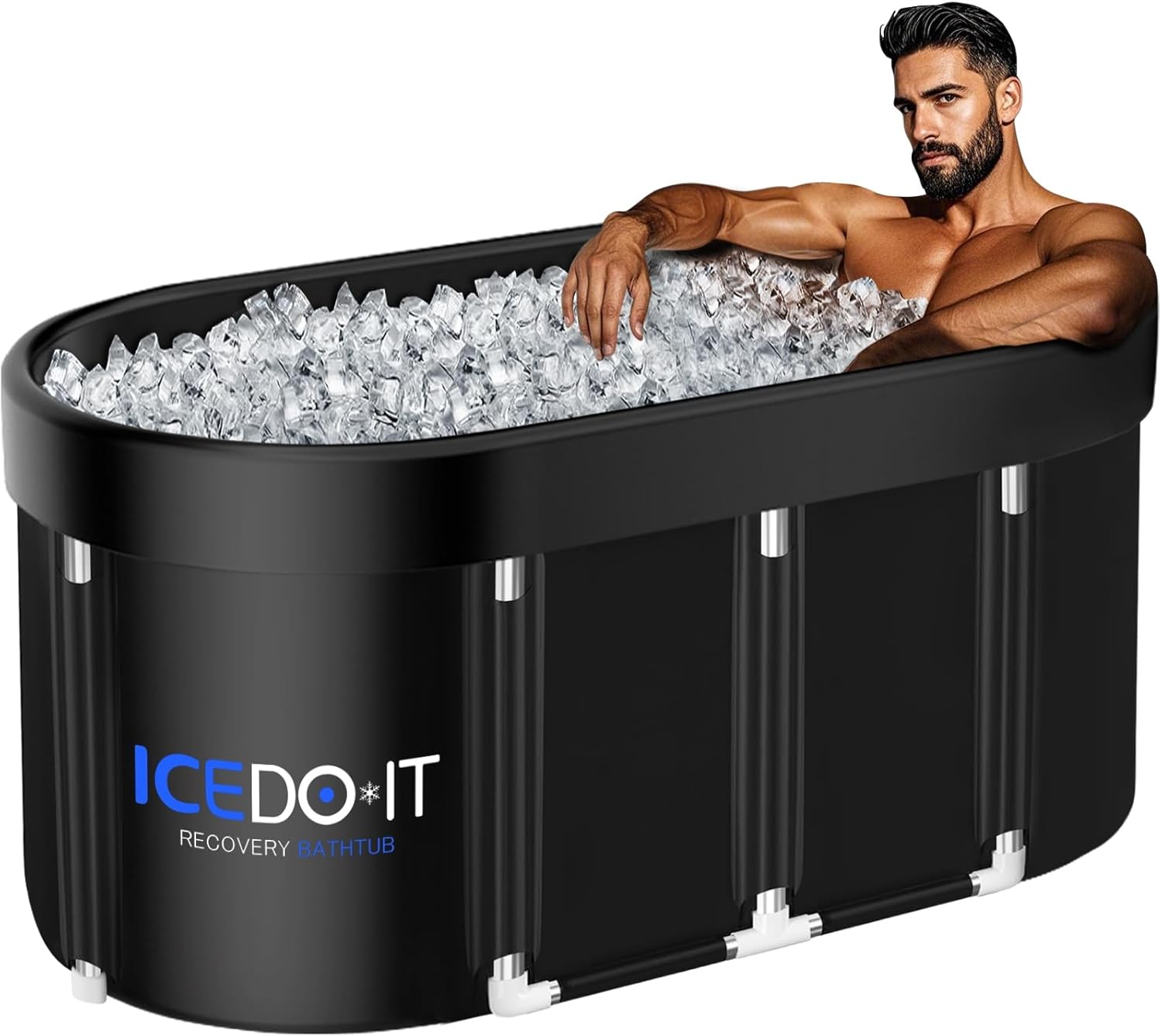
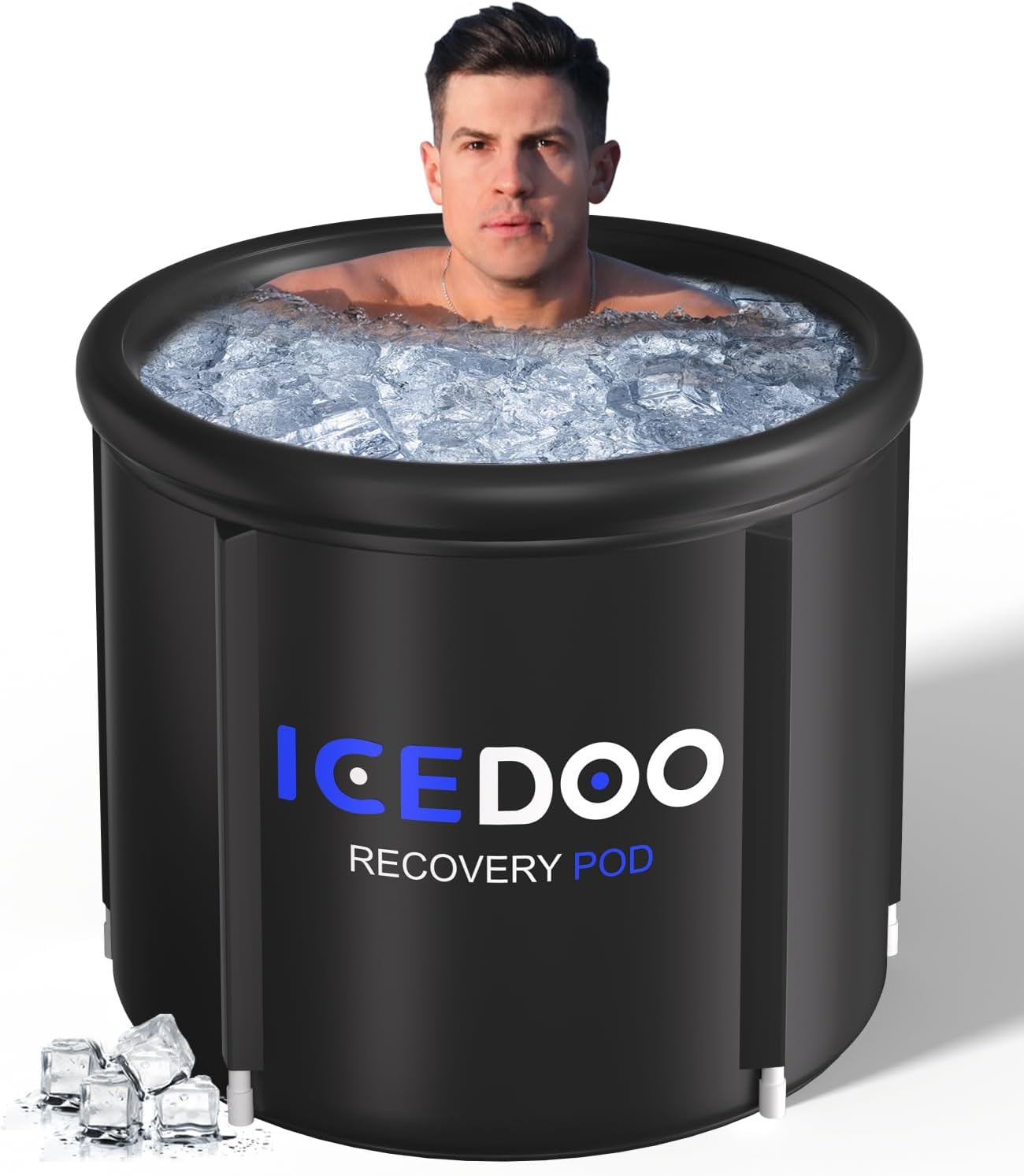
Cold therapy is one leg of a three-leg stool. The other two are gentle ambulation (10-minute walks every 2 hours starting day one) and elevation (sleeping at 30–45 degrees, which a wedge pillow makes easy). If you are weighing whether to also invest in a cold plunge tub for long-term recovery once your fusion is solid at the 12-week mark, see our comparison of cold plunge tubs versus targeted cold therapy machines — for ACDF specifically, a targeted machine wins until you have surgeon clearance to submerge.
Frequently Asked Questions
How long after ACDF surgery should I use a cold therapy machine?
Most cervical spine surgeons recommend continuous cycled icing for the first 72 hours, then 4–6 sessions per day through the end of week two, then as needed through week six. After week six, switch to heat for muscle tension and reserve cold for flare-ups. Always follow your specific surgeon's protocol over any general guideline.
Can I sleep with a cold therapy machine on after cervical fusion?
Yes, but only with a programmable timer that cycles the pump off automatically. Continuous flow at 40°F for 8 hours can cause skin damage over the clavicle. Set 20 minutes on, 30–40 minutes off, and place a thin cotton layer between pad and skin. Units like the CF-3 Pro and CF-1 are designed specifically for this overnight use case.
Will a knee cold therapy pad work on my neck after ACDF?
In most cases, yes. The universal pads shipped with the CF-3 Pro, CF-1, and the portable programmable unit are flexible enough to wrap the anterior neck and upper trapezius. Avoid the smaller patella-specific pads sold as accessories — they lack the surface area to cover ACDF-related swelling.
How cold should the water be for cervical fusion icing?
Aim for 45–55°F at the pad. That is roughly half ice, half cold tap water in the reservoir. Colder than 40°F risks frostbite on the thin skin overlying the clavicle and sternocleidomastoid; warmer than 60°F will not meaningfully reduce edema. Most consumer units self-regulate within this band once the ice has equilibrated for 10 minutes.
Is a cold therapy machine better than gel ice packs for ACDF?
Yes, for two reasons. First, a circulating machine maintains a stable temperature for hours, whereas gel packs warm above 50°F within 20 minutes and stop working. Second, swapping gel packs requires neck rotation and arm elevation — exactly the motions an ACDF patient is told to avoid. Machines stay strapped in place through multiple cycles.
How do I clean and store the unit after my fusion has healed?
Drain the reservoir completely, run a cycle with one cup of distilled white vinegar in 4 quarts of water to descale the pump, then run a plain water cycle to rinse. Air-dry the pad flat. Store the unit with the lid off so any residual moisture evaporates. Done correctly, these machines last for a decade and are useful for future shoulder, knee, or back episodes.
Will insurance cover a cold therapy machine for ACDF recovery?
Sometimes. Many surgical centers bill a rental Polar Care or Game Ready unit through your DME (durable medical equipment) benefit. Purchase reimbursement is rarer but possible with a prescription and a letter of medical necessity from your surgeon citing post-operative edema management. Save your receipt and the ASIN regardless — HSA and FSA accounts almost always cover these units without prior authorization.
Key Takeaways
- Choosing the right cold therapy machines for ACDF cervical fusion recovery means matching capacity and output ports to your actual devices
- Always check actual watt-hours (Wh), not just watts — runtime depends on Wh, not peak output
- Also covers: cervical fusion ice machine
- Also covers: ACDF post op cold therapy
- Also covers: neck surgery cold compression
- Compare price-per-Wh across models to find the best value for your budget