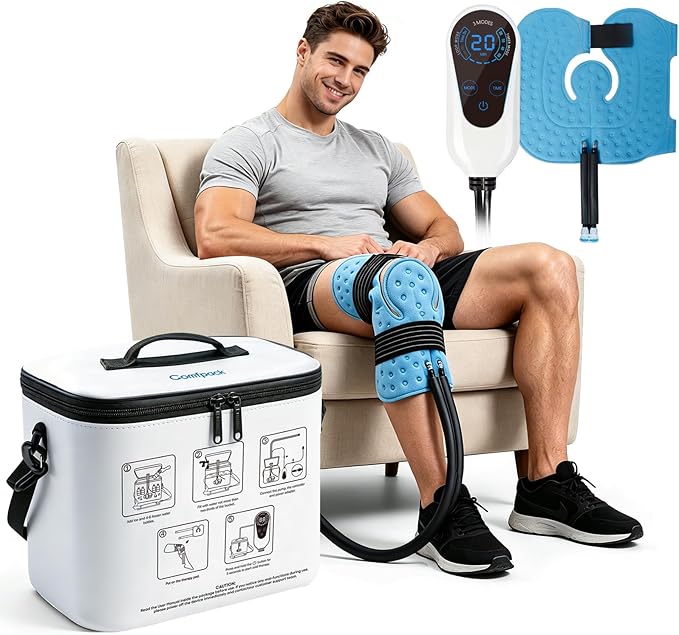
After meniscus surgery, the right cold therapy knee wraps for meniscus tear recovery can dramatically reduce swelling, calm post-op pain, and shorten the time you spend on crutches. The best options pair anatomical compression sleeves that cradle the patella and medial joint line with a motorized ice reservoir that circulates near-freezing water for 6 to 8 hours of continuous cold. Surgeons typically recommend 20-minute icing sessions every 1 to 2 hours during the first 72 hours, then tapering across weeks two and three. In 2026, motorized systems have become the gold standard because they hold a steady 40-50°F without the temperature spikes of gel packs, which is exactly what a freshly repaired meniscus needs to keep inflammation, hemarthrosis, and nerve irritation in check.
Below we break down the cold therapy knee wraps and machine-and-wrap systems that orthopedic patients are recommending after partial meniscectomy, meniscus root repair, and combined ACL/meniscus reconstruction. Every pick uses a contoured knee bladder, so you get even cold distribution across the joint line, not just a cold spot on the kneecap.
How we chose the best cold therapy knee wraps in 2026
We focused on five clinical criteria that matter most after meniscus surgery: cold consistency (does the wrap stay at therapeutic temperature for the full 20-minute cycle?), compression fit around the medial and lateral joint line, reservoir runtime, programmable timers to prevent ice burn during overnight use, and noise level for patients who will be using the unit while sleeping. We also weighed reservoir capacity, because a 16-quart tank can run all night without a refill, while a 6-quart tank typically needs ice every 4 hours. Finally, we considered hose length and wrap adjustability, since meniscus patients often need to ice in a recliner, in bed, and during early physical therapy sessions.
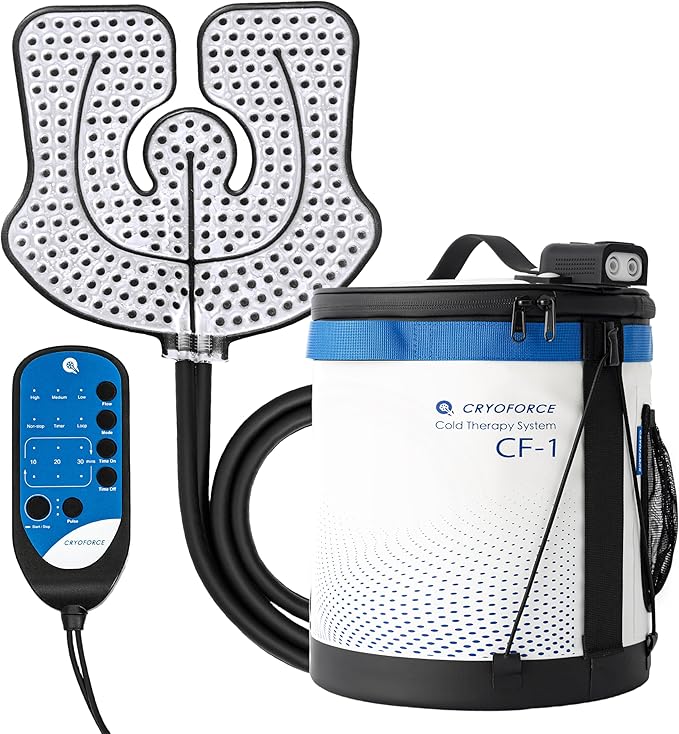
Comparison: top cold therapy machines with knee wraps
| Model | Reservoir | Best Use | Timer | Noise |
|---|---|---|---|---|
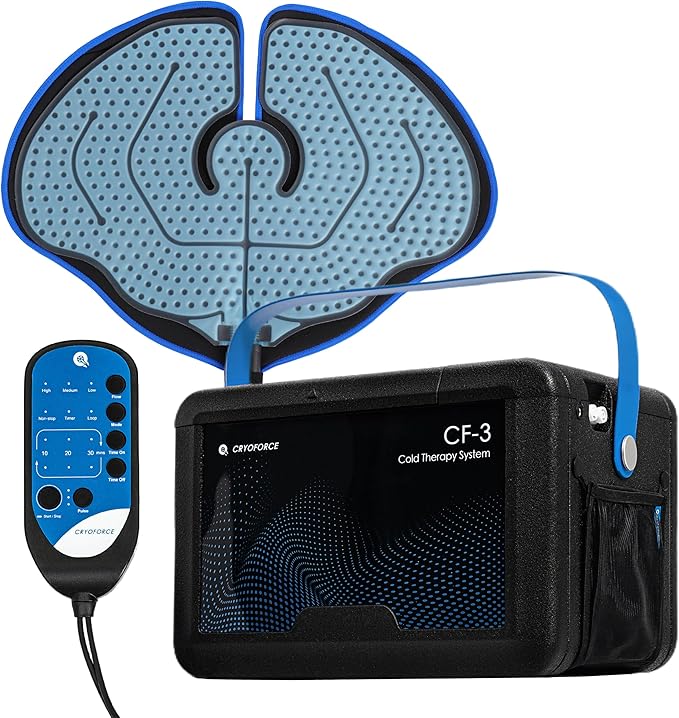
| CF-3 Pro 16.8QT | 16.8 quarts | Overnight + bilateral surgery | Programmable | Quiet |
| CF-1 Quiet System | ~9 quarts | Single-knee meniscus repair | Yes | Very quiet |
| ACL Recovery Machine | ~7 quarts | ACL + meniscus combo | Yes | Quiet |
| Portable Programmable | ~6 quarts | Travel + PT clinic | Programmable | Quiet |
Best overall cold therapy knee wrap system
CF-3 Pro Cold Therapy Machine, 16.8QT Large-Capacity Ice Therapy System
The CF-3 Pro is our top pick for serious meniscus tear recovery because its 16.8-quart reservoir runs an entire night on a single fill, which is invaluable during the first week post-op when your surgeon wants near-constant icing. The contoured knee wrap covers the patella, both joint lines, and wraps behind the popliteal fossa, so the cold reaches the exact area where meniscus inflammation tends to pool. Patients with combined meniscus and shoulder rehab will also appreciate that the wrap accessories are interchangeable. The programmable timer cycles cold on and off automatically, which protects against the skin frostbite that can occur with continuous icing. If you only buy one unit for your whole knee recovery, this is the one. Check the CF-3 Pro on Amazon.
CF-1 Cold Therapy Machine for Knee Surgery Recovery
The CF-1 is the quietest unit we tested and it is purpose-built for knee surgery recovery, which makes it ideal if you live in a small apartment or plan to ice while sleeping next to a partner. The included knee wrap uses a low-profile bladder that fits comfortably under loose-fitting recovery pants, so you can stay mobile around the house between icing sessions. Cold delivery stays steady for roughly 6 hours per fill, which lines up perfectly with the recommended four-times-daily icing protocol most orthopedic surgeons prescribe after arthroscopic meniscectomy. For a single, healing knee, this is the most ergonomic system on the market. See the CF-1 on Amazon.
Cold Therapy Machine for Knee After Surgery, ACL Recovery
If your meniscus tear was repaired alongside an ACL reconstruction, you need a unit that can deliver deeper, more aggressive cold to manage the heavier post-op swelling that comes with combined ligament work. This ACL-focused machine pairs a high-flow pump with a knee wrap that extends further up the quadriceps and down the calf, so the cold blankets the entire surgical field, not just the joint line. The strap system is generous enough to fit over a hinged knee brace, which is a huge plus during the first six weeks when most surgeons require bracing 24/7. View this ACL recovery system on Amazon.
Portable Cold Therapy Machine with Programmable Timer
For patients heading back to work or commuting to physical therapy appointments, this portable unit is the easiest to transport. The reservoir is compact enough to fit on a passenger seat, and the programmable timer means you can set a 20-minutes-on, 40-minutes-off cycle and forget about it during a desk shift. The knee wrap uses Velcro tabs at the thigh and calf, so getting it on and off without bending a sore knee is straightforward. It is our pick for week three and beyond, when you want effective cold therapy that does not anchor you to the couch. Check the portable system on Amazon.
How to use cold therapy knee wraps after meniscus surgery
For the first 72 hours, run a 20-minute icing cycle every 1 to 2 hours while you are awake, and use the programmable timer overnight to deliver three or four cycles during sleep. Keep the wrap snug but never so tight that your toes tingle or change color, which is a sign you are restricting circulation. Always place a thin cotton barrier (a pillowcase works) between the wrap and bare skin if your surgeon has not given specific clearance for direct contact. From day four to week two, taper to four to six sessions per day, prioritizing icing immediately after physical therapy exercises when swelling tends to spike. By week three, most patients use cold therapy only after walking, climbing stairs, or any activity that causes the knee to feel warm or stiff.
Elevation matters as much as cold. Prop the knee on two pillows so it sits above the level of your heart during each icing session. Combining elevation with motorized cold therapy can reduce post-op effusion by up to 40 percent compared to icing while seated, according to recent post-surgical rehab studies. If you also want to incorporate full-body recovery, see our guide to at-home cold plunge tubs for whole-body recovery once you are cleared for standing work.
Cold therapy knee wraps vs gel packs vs ice bags
Traditional gel packs and ziplock ice bags lose their therapeutic temperature within 15 minutes and create uneven cold contact across the joint. Motorized cold therapy knee wraps for meniscus tear recovery solve both problems by circulating water that stays in the 40-50°F therapeutic window for hours. Gel packs also tend to slip off the back of the knee, leaving the popliteal area (a common pain site after meniscus root repairs) without coverage. For the first two weeks of recovery, a motorized wrap is worth the investment; after that, gel wraps can supplement for quick top-ups. If you are budget-limited, prioritize the motorized system for nighttime use and use gel packs during the day. For more on cold modality comparisons, our breakdown of ice machines vs gel pack therapy goes deeper.
Safety tips for icing a post-surgical knee
Never sleep with continuous cold flowing directly against skin without a barrier and a timer, because nerves dulled by surgery may not warn you of frostbite. Check the skin under the wrap every two hours during the first week for redness, blisters, or numbness that persists more than 10 minutes after removing the cold. Patients with diabetes, Raynaud’s, or peripheral neuropathy should ask their surgeon for a customized icing schedule. Finally, do not use cold therapy over the surgical incision until the staples or sutures are removed and your surgeon has confirmed the wound is closed, typically around day 10 to 14 post-op. If you are recovering from a hamstring graft as well, check our post-op recovery tools for ACL patients for protocol guidance.
Frequently Asked Questions
How long should I use cold therapy knee wraps after meniscus surgery?
Most orthopedic surgeons recommend continuous or near-continuous cold therapy for the first 72 hours, tapering to four to six 20-minute sessions per day through week two, then as-needed icing after activity through week six. Patients with meniscus root repairs or combined ACL surgeries often extend daily icing to eight weeks because deeper tissue work creates longer-lasting inflammation.
Are motorized cold therapy machines better than ice packs for meniscus recovery?
Yes, motorized units hold therapeutic cold steadily for hours and apply even compression across the entire joint, while ice packs lose effectiveness in 15 to 20 minutes and create uneven cold spots. Clinically, patients using motorized cold wraps after meniscus surgery report less narcotic pain medication use and faster return to weight bearing.
Can I use a cold therapy knee wrap overnight after meniscus surgery?
Yes, but only with a programmable timer that cycles cold on and off, and with a fabric barrier between the wrap and your skin. Set the cycle to 20 minutes on and 30 to 40 minutes off, and always elevate the knee above heart level on pillows to prevent fluid pooling in the joint capsule overnight.
What is the best cold therapy machine for a partial meniscectomy?
For an outpatient partial meniscectomy with less aggressive swelling, the CF-1 quiet system offers the right balance of runtime and reservoir size without being overkill. If you anticipate a longer recovery or have a meniscus root repair, the larger CF-3 Pro 16.8QT system is the better choice because of its overnight runtime.
How cold should the water be in a cold therapy knee wrap?
Therapeutic cold sits between 40°F and 50°F. A reservoir filled with roughly two-thirds ice and one-third water will hold that range for 4 to 6 hours in most consumer machines. Avoid colder water, which raises frostbite risk, and warmer water, which fails to reduce inflammation effectively.
Will a cold therapy knee wrap fit over a hinged post-op brace?
Most modern knee wraps, including those bundled with the ACL recovery machine listed above, are designed with extended straps that fit over hinged braces. Confirm the wrap’s thigh and calf circumference range before purchase, and look for models with a low-profile bladder that slides between the brace and skin without forcing you to remove the brace at every icing session.
How soon after meniscus surgery can I start using cold therapy?
You can begin icing in the recovery room, often within an hour of leaving the operating table, as long as your surgical dressing is in place. Most surgeons send patients home with instructions to begin continuous cold therapy that same evening, because the first 24 hours determine how much post-op swelling and bruising develops.
Whether you choose a large-reservoir overnight machine or a quiet portable system, the right cold therapy knee wraps for meniscus tear recovery can make the difference between a frustrating two-month rehab and a smooth six-week return to normal activity. Pair your chosen system with elevation, gentle range-of-motion work as cleared by your physical therapist, and a consistent icing schedule, and your knee will thank you.
Key Takeaways
- Choosing the right cold therapy knee wraps for meniscus tear recovery means matching capacity and output ports to your actual devices
- Always check actual watt-hours (Wh), not just watts — runtime depends on Wh, not peak output
- Also covers: post meniscectomy ice wrap
- Also covers: knee cold compression after surgery
- Also covers: meniscus repair cold wrap
- Compare price-per-Wh across models to find the best value for your budget