If a herniated disc or sciatica flare-up just sidelined you, the fastest at-home relief usually comes from sustained, controlled cooling over the lumbar spine — and that's exactly what cold therapy back wraps for herniated disc recovery are built to deliver. The best options in 2026 fall into two camps: simple gel-pack lumbar wraps you freeze and strap on, and circulating ice-water machines paired with a universal or back-shaped pad that holds a steady temperature for 30-plus minutes. Below we break down what actually works for nerve-root inflammation, compare the top machine-based systems that double as serious back-recovery rigs, and answer the questions sciatica sufferers ask most.
Why cold therapy helps a herniated disc and sciatica flare-up
A herniated disc irritates the surrounding nerve roots — most often the sciatic nerve — which triggers an inflammatory cascade: swelling, heat, muscle guarding, and that signature shooting pain down the leg. Cold therapy works on three fronts at once. It constricts local blood vessels to slow the inflammatory response, numbs the superficial nerve endings to dull pain signals, and reduces the muscle-spasm reflex that compounds disc pressure. Heat feels nice, but during the first 48–72 hours of a flare-up, heat increases blood flow to an already-inflamed area and tends to make sciatica worse. Cold is the conservative, evidence-aligned first move.
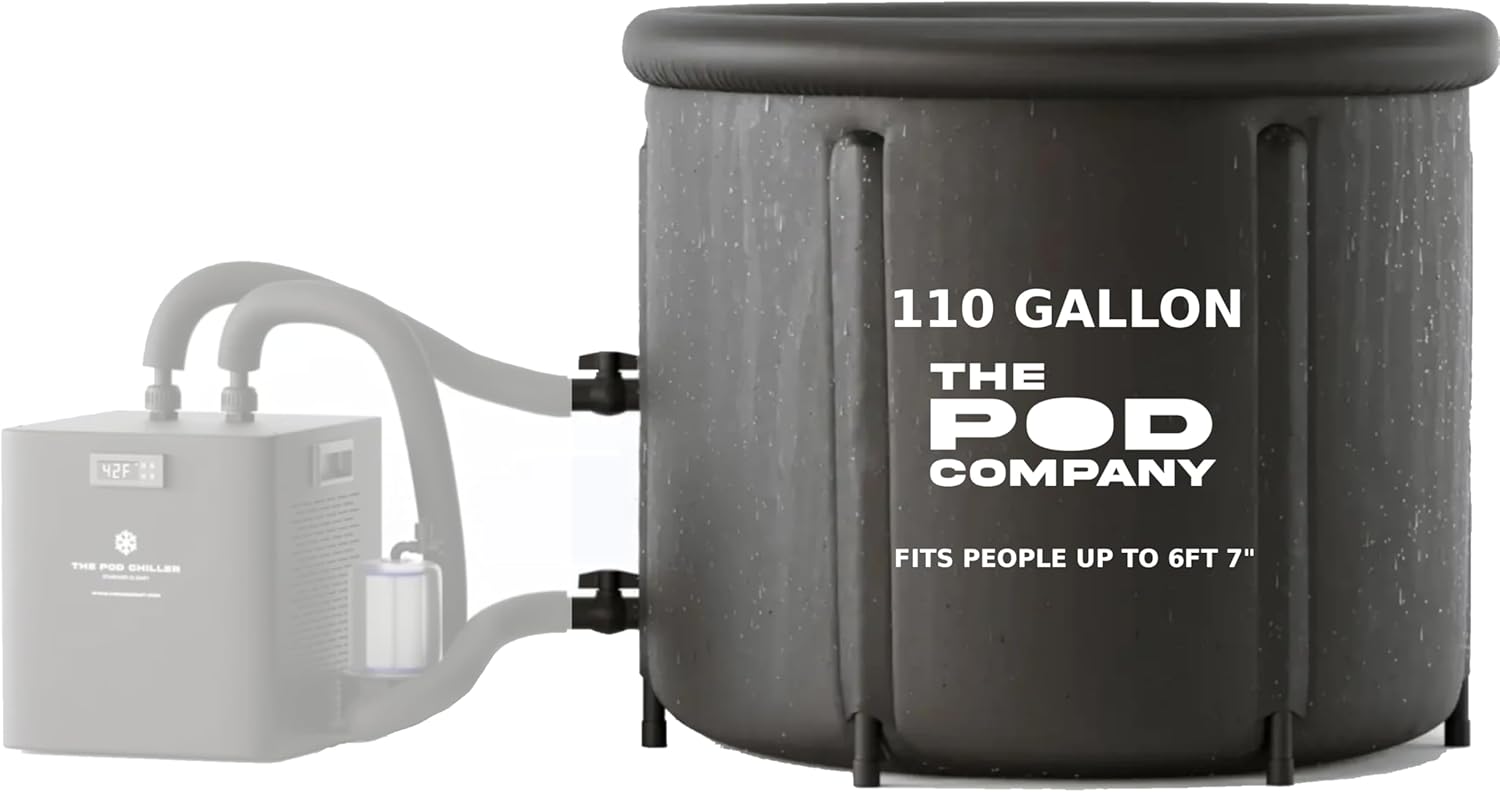
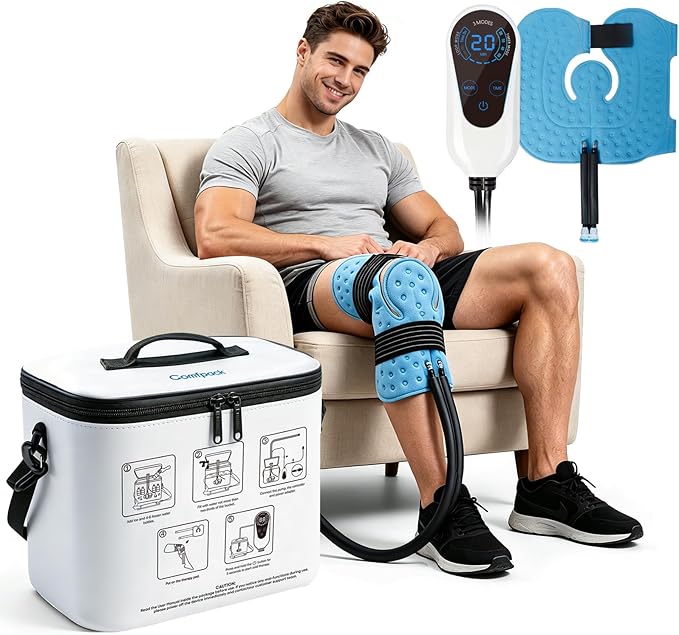
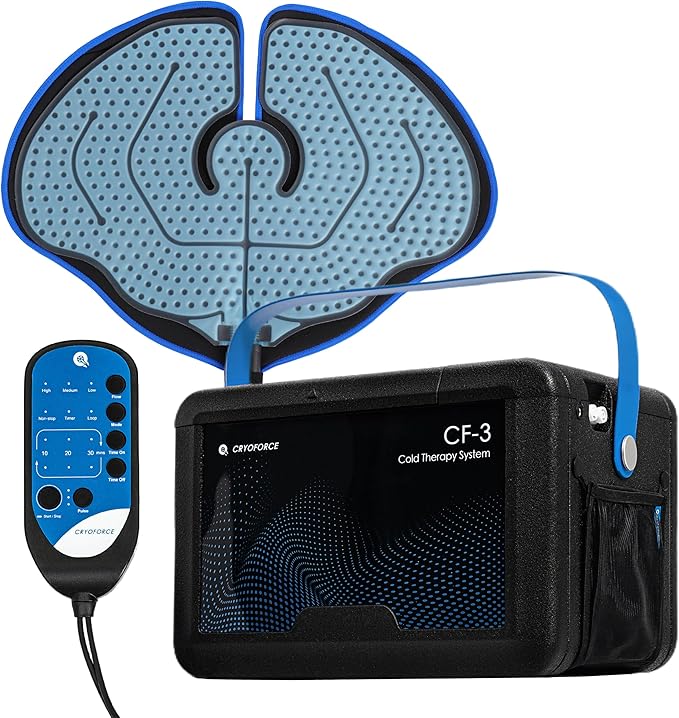
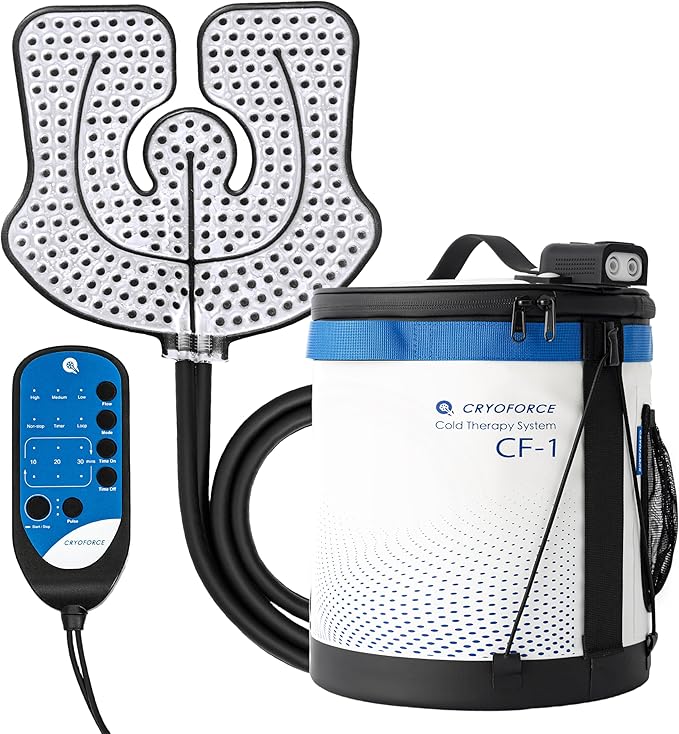
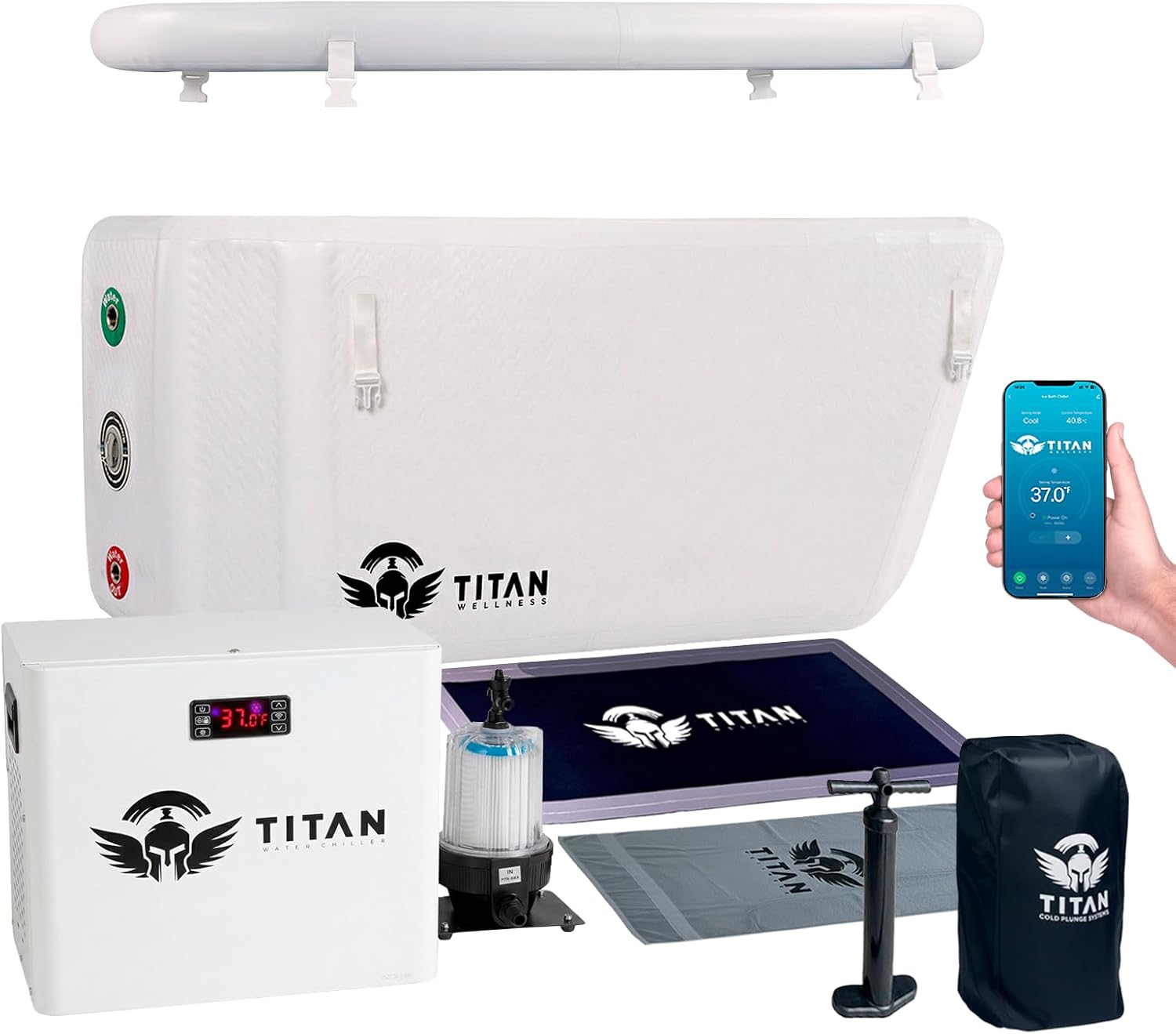
The trade-off is that frozen gel packs lose their bite within 10–15 minutes and need re-freezing. That's why people with chronic disc issues increasingly skip wraps and run a circulating cold-water system with a lumbar or universal pad — the temperature stays in the therapeutic 45–55°F window for as long as the reservoir has ice, which is the same logic behind post-surgical cryotherapy units used in orthopedic clinics.
What to look for in a cold therapy back wrap or system
- Coverage area: The pad or wrap should span L1 through S1 — roughly from the bottom of your ribcage to the top of your pelvis. A small knee-only pad won't cut it for disc issues.
- Compression: Light, even compression helps the cold penetrate and reduces edema. Look for adjustable Velcro straps or a wide elastic belt that doesn't bunch when you lie down.
- Run time: Gel wraps: 15 minutes of useful cold. Circulating machines: 4–6 hours per ice load on larger reservoirs. For a real flare-up, the machine wins.
- Noise: If you plan to sleep through a session, a quiet pump (under 45 dB) matters a lot.
- Pad compatibility: Many machines ship with a universal pad that can be wrapped around the lumbar area; some sell a dedicated back/hip pad as an accessory.
- Timer and auto shut-off: Skin damage from over-icing is real. A programmable timer that cycles 20 minutes on / 40 off is the gold standard.
Top cold therapy systems for herniated disc and sciatica in 2026
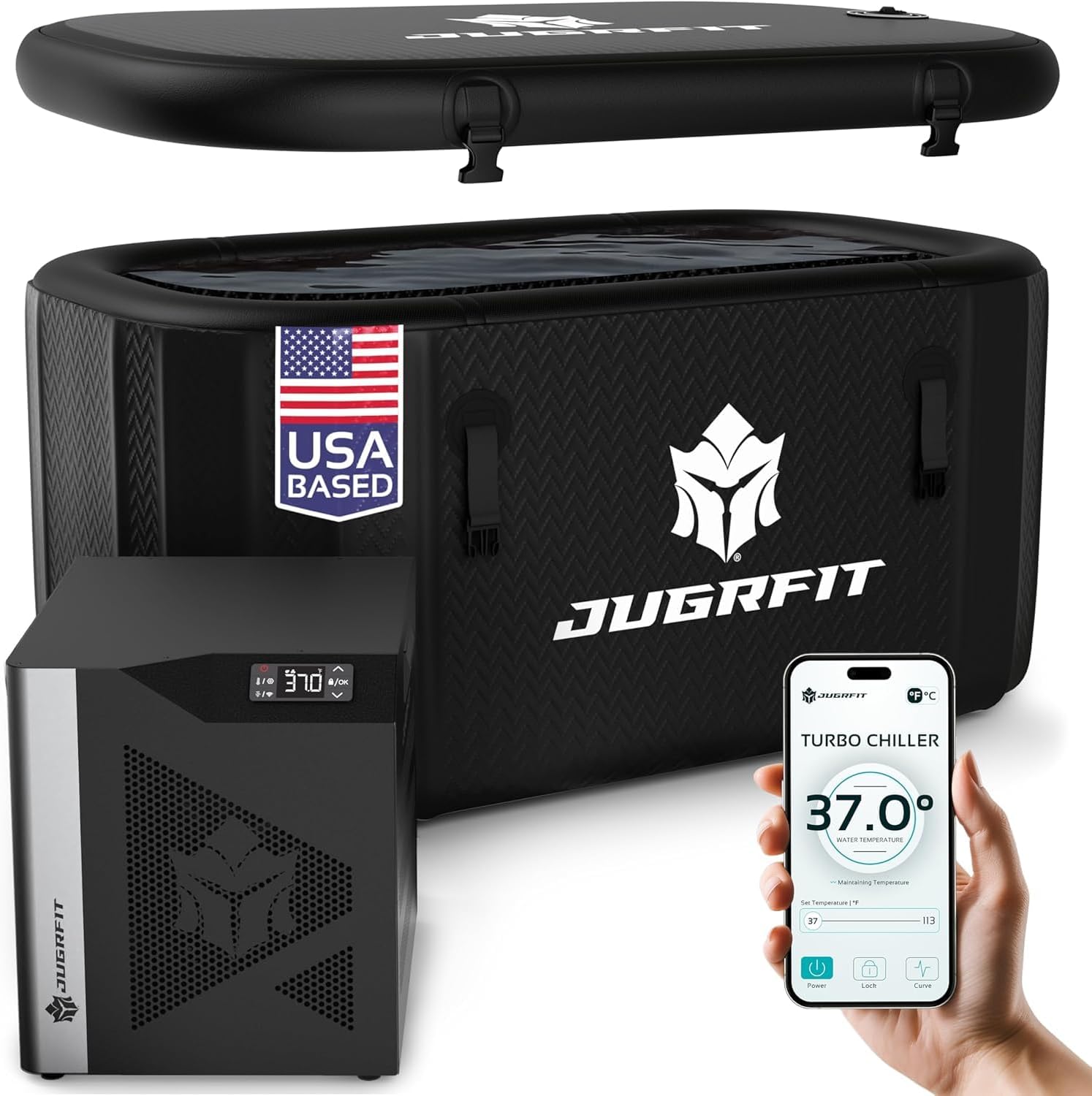
Pure neoprene-plus-gel back wraps are everywhere on Amazon, but for anyone dealing with recurring disc pain we lean toward circulating ice-water machines paired with a universal pad you can position over the lumbar spine. They hold therapeutic temperature longer, distribute cold more evenly, and avoid the freezer-burn hot spots gel packs create against thin lumbar skin. Here's how the best machine-based options for back recovery stack up.
| System | Reservoir | Best For | Noise | Timer |
|---|---|---|---|---|
| CF-3 Pro 16.8QT | 16.8 quarts | All-day back & hip recovery | Low | Programmable |
| CF-1 Quiet System | ~9 quarts | Nighttime sciatica relief | Very low | Programmable |
| Portable Ice Machine (B0FXK3GW9B) | Compact | Travel & office use | Low | Programmable |
| ACL Recovery Machine (B0DK2VFZZW) | Mid | Budget post-flare protocol | Moderate | Manual |
Best overall for chronic disc pain: CF-3 Pro 16.8QT Cold Therapy Machine
If you're managing a real herniated disc — not a tweak — the CF-3 Pro is the system to beat in 2026. The 16.8-quart reservoir is the largest in this lineup, which translates to 5–7 hours of continuous therapeutic cooling on a single ice load. That matters enormously for back pain, because the lumbar musculature is dense and thick, and shorter sessions just don't conduct cold deep enough to reach the inflamed nerve root area. The programmable timer lets you run a 20-on / 40-off protocol overnight without getting up, and the included universal pad wraps cleanly around the lower back when you side-lie with a pillow between the knees — the standard sciatica-friendly sleeping position. Build quality is on par with clinic-grade units at roughly a third of the price. Check current price on Amazon.
Best for nighttime sciatica: CF-1 Quiet Cold Therapy Machine
The CF-1 trades reservoir size for near-silent operation, which is exactly the right call if your sciatica is worst at 2 a.m. and you need to sleep through a cold cycle. The pump runs quiet enough to not wake a light sleeper or a partner, and the programmable timer handles the on/off cycling so you're not setting alarms. You'll need to add ice once or twice during a long night, but for users whose flare-ups are most disruptive when they're trying to rest, the trade-off is worth it. Pair it with a back-shaped pad (sold separately on many storefronts) for the best lumbar contact. See it on Amazon.
Best portable option: Programmable Cold Therapy Machine
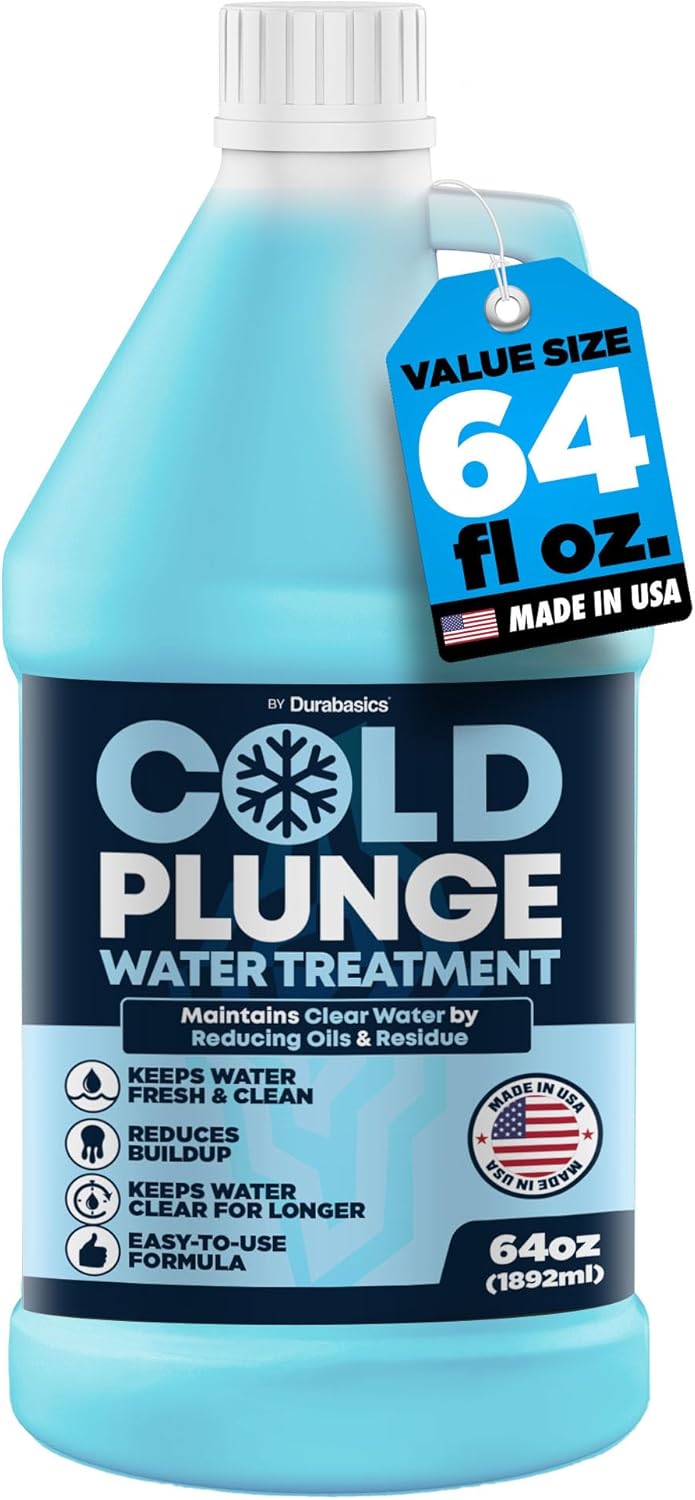
For people who travel, work long days at a desk, or want to bring cold therapy into the office during a flare-up, this compact unit is the easiest to live with. It's light enough to move between rooms, runs on a standard outlet, and the programmable timer is the same auto-cycling design as the larger CF-series machines. Reservoir capacity is smaller, so it's better suited for two or three structured 20-minute sessions per day rather than overnight use, but it pairs well with a universal pad positioned across the lumbar belt. View on Amazon.
Budget pick for a single flare-up: ACL Recovery Cold Therapy Machine
If you're dealing with a one-off acute episode and don't want to spend on a long-term system, this machine — marketed primarily for ACL and knee recovery — works fine for back pain as long as you can position the universal pad against the lumbar area with a compression belt or a snug shirt. It's the simplest unit in the lineup with manual controls, but it's reliable, the pad is reasonably sized, and the price point is hard to beat for short-term use. Check Amazon listing.
How to use cold therapy back wraps for herniated disc relief safely
The standard protocol that pain-management clinics teach is 20 minutes on, 40 minutes off, repeated for two to four cycles. Never apply a cold pad directly to bare skin — a thin cotton T-shirt or the fabric sleeve that ships with most pads is enough of a barrier to prevent ice burn while still letting therapeutic cold through. Position the pad so it covers the lumbar spine and extends slightly down over the upper glutes, since the sciatic nerve exits the pelvis through the piriformis region and benefits from coverage there too. Stop immediately if you notice numbness that persists more than a few minutes after removing the pad, skin that turns bright white or blistered, or a sharp increase in nerve pain.
Cold therapy is most effective in the first 48–72 hours of a flare-up. After that, alternating cold and heat (cold for inflammation, heat for muscle relaxation) is often more useful than cold alone. If pain is accompanied by loss of bladder or bowel control, progressive leg weakness, or saddle anesthesia, skip the at-home protocol and get to an emergency room — those are red flags for cauda equina syndrome.
Related reading on our site
If you're building out a broader recovery setup, you may also want to look at our guides to the best cold plunge tubs for home recovery, cold therapy machines for knee surgery, and ice bath vs. cryotherapy for back pain. Stacking modalities — a morning plunge plus targeted lumbar cooling in the evening — is how a lot of chronic disc sufferers stay ahead of the next flare-up.
Frequently Asked Questions
How long should you ice a herniated disc at a time?
Twenty minutes per session, with at least forty minutes of skin-rewarming between sessions, repeated two to four times a day. Longer than twenty minutes doesn't increase the anti-inflammatory effect and raises the risk of skin damage and reflexive vasodilation, which can actually worsen swelling.
Is a cold therapy machine better than a gel pack wrap for sciatica?
For a real sciatica flare-up, yes. A frozen gel pack loses therapeutic temperature within 10–15 minutes, while a circulating ice-water machine holds 45–55°F for hours. The steady temperature is what reaches the deeper lumbar tissue where the nerve-root irritation lives. Gel wraps are fine for minor tweaks but underpowered for disc pain.
Can you sleep with a cold therapy back wrap on overnight?
You shouldn't sleep with continuous cold contact for hours — that's a frostbite risk. But a circulating machine with a programmable timer that cycles 20 minutes on and 40 minutes off can run safely through the night, and that on-off pattern is actually how most clinics dose overnight cryotherapy after spinal injections.
Should you use ice or heat for a herniated disc?
Ice in the first 48–72 hours, when inflammation is the dominant problem. After that, heat helps relax the protective muscle spasm around the disc, and many people do best alternating: cold to settle a flare, heat to loosen the surrounding muscles before stretching or walking.
What size cold therapy pad do I need for lower back pain?
A pad that covers from the bottom of your ribcage to the top of your pelvis — usually 10 to 14 inches tall and wide enough to wrap around your sides. A small knee-shaped pad will leave too much of the lumbar paraspinal muscle untreated. Most circulating systems sell a universal or back-specific pad as an accessory.
Are cold therapy back wraps safe if you have a pinched nerve?
Generally yes, and they're often recommended for the acute phase. The exceptions are people with Raynaud's, cold urticaria, peripheral vascular disease, or impaired sensation in the area being treated. If you can't feel temperature clearly on the skin where the pad sits, you can't notice ice burn forming — talk to a clinician before using cold therapy.
How often can you use cold therapy back wraps for herniated disc pain in a day?
Two to four structured sessions of 20 minutes is the typical ceiling, with at least 40 minutes of rewarming between each. During a severe flare-up, some clinicians clear patients for an additional overnight cycled session on a timed machine. More than that doesn't add benefit and starts to compromise the skin and superficial circulation.
Bottom line
For an occasional back tweak, a simple gel-pack lumbar wrap from Amazon is fine. For a real herniated disc or recurring sciatica, invest in a circulating cold therapy machine with a universal or back-shaped pad — the CF-3 Pro 16.8QT for serious overnight protocols, the CF-1 if quiet operation is non-negotiable, or the portable programmable unit if you need to bring relief with you. Pair any of them with a sensible 20-on / 40-off schedule, and you'll have the same cold-dosing setup orthopedic clinics use after disc procedures, at a fraction of the rental cost.
Key Takeaways
- Choosing the right cold therapy back wraps for herniated disc means matching capacity and output ports to your actual devices
- Always check actual watt-hours (Wh), not just watts — runtime depends on Wh, not peak output
- Also covers: sciatica cold compression wrap
- Also covers: herniated disc ice pack
- Also covers: lumbar cold therapy wrap
- Compare price-per-Wh across models to find the best value for your budget