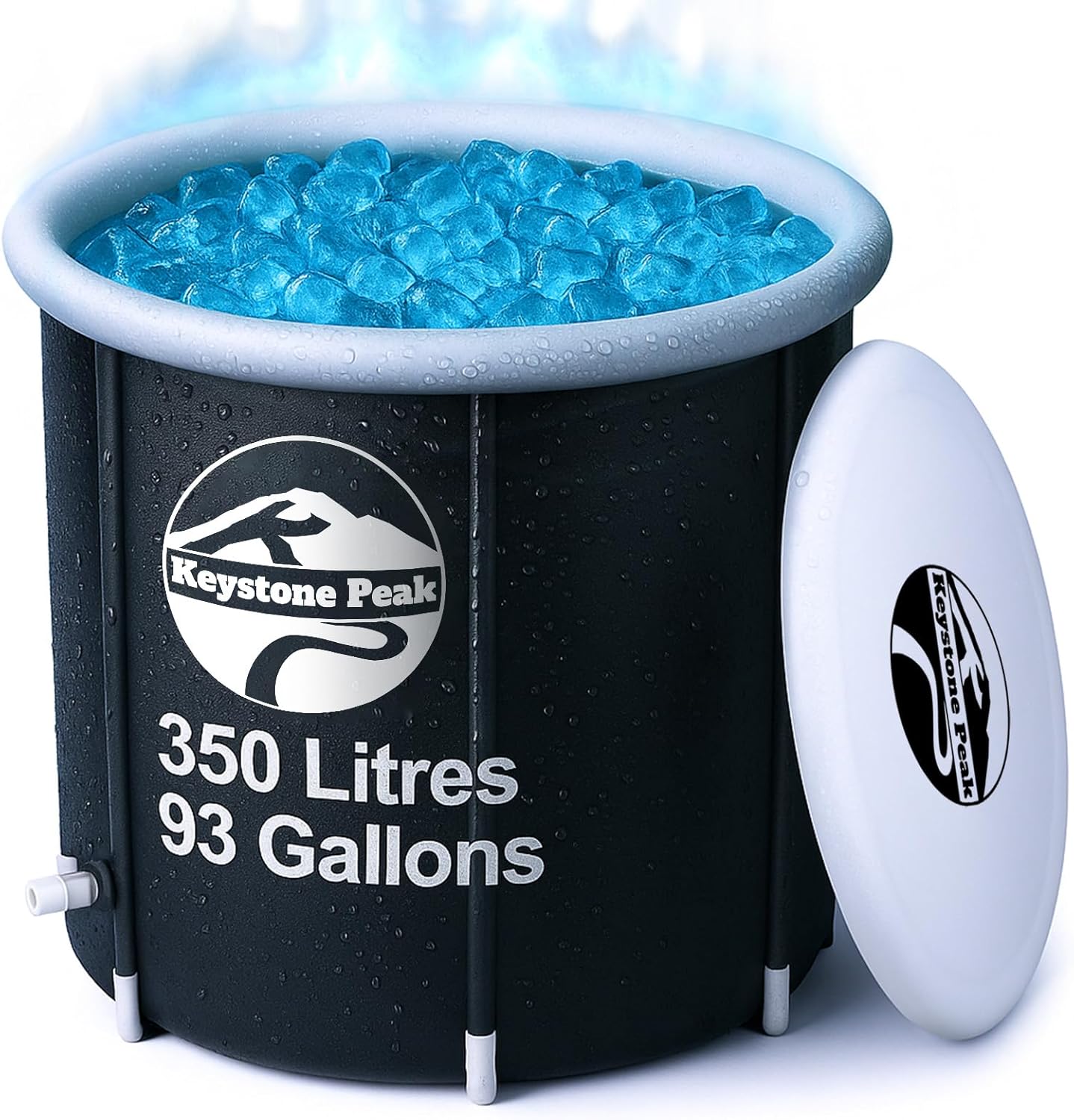
For fibromyalgia patients with cold sensitivity, traditional cold plunge tubs for fibromyalgia patients are often too aggressive — full-body immersion at 38–50°F can trigger flares, vasoconstriction pain, and central sensitization rebound. The smarter 2026 approach is localized, temperature-adjustable cold therapy machines that target one painful area at a time, with programmable timers that cap exposure before your nervous system overreacts. This guide reviews four cold therapy systems that double as a controllable alternative to a plunge tub, so you can get the documented anti-inflammatory and analgesic benefits of cold without the systemic shock that often worsens fibromyalgia symptoms.
Why a Standard Cold Plunge Tub Often Backfires for Fibromyalgia
Fibromyalgia involves a hypersensitized central nervous system. The same cold stimulus a healthy athlete experiences as “invigorating” can register as sharp, burning pain for a fibromyalgia patient — a phenomenon called allodynia. Add Raynaud’s phenomenon, which co-occurs in roughly 30% of fibromyalgia cases, and a 50°F plunge can leave fingers and toes numb, blue, and painful for hours afterward.
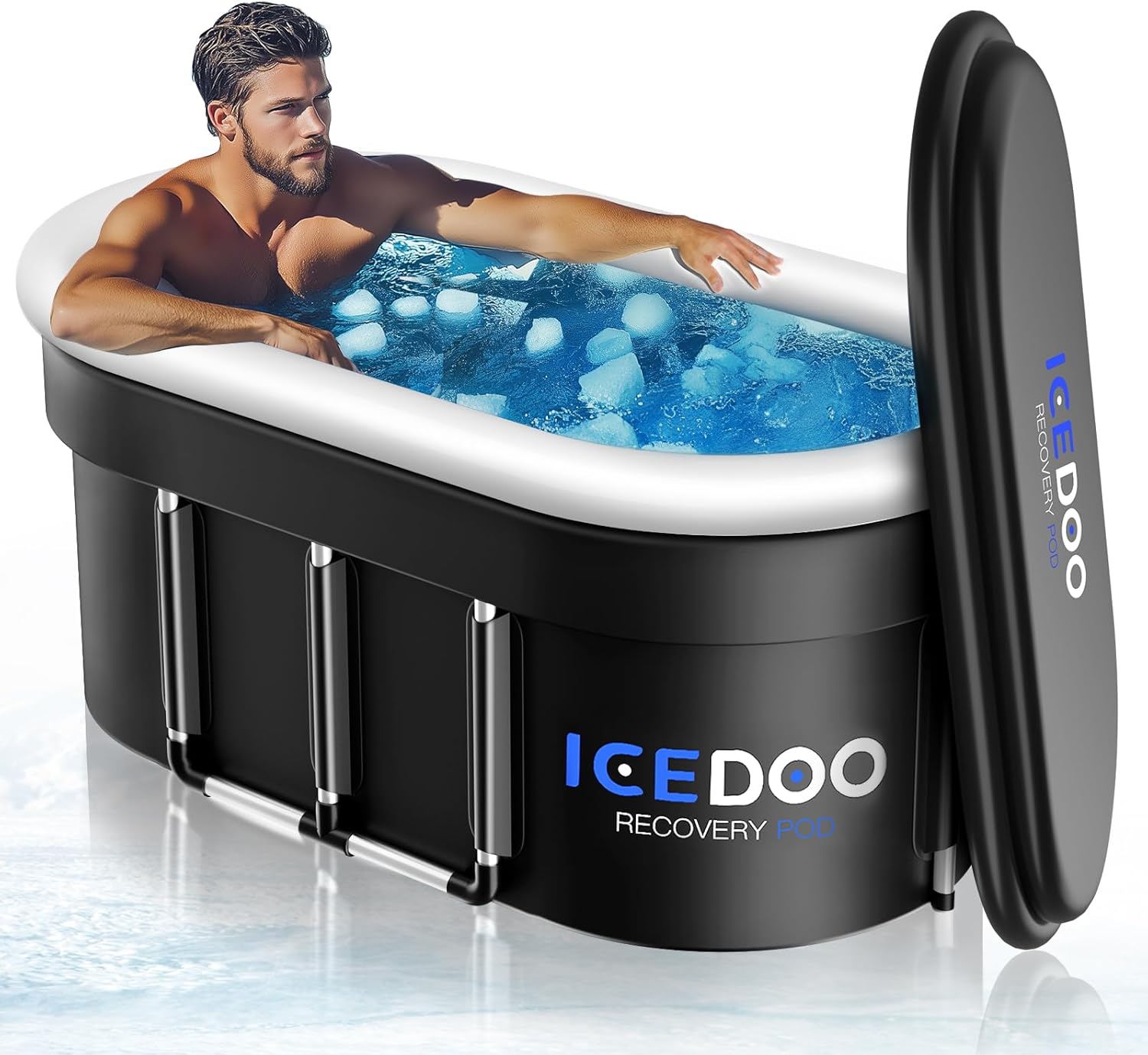
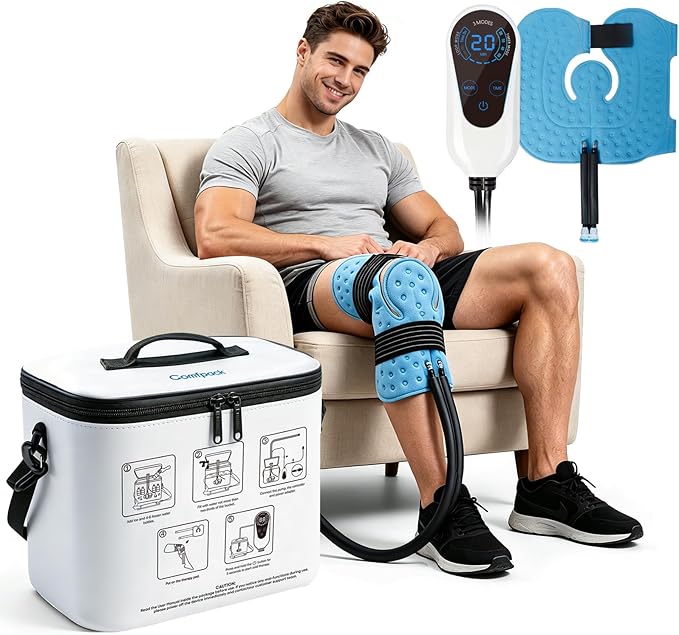
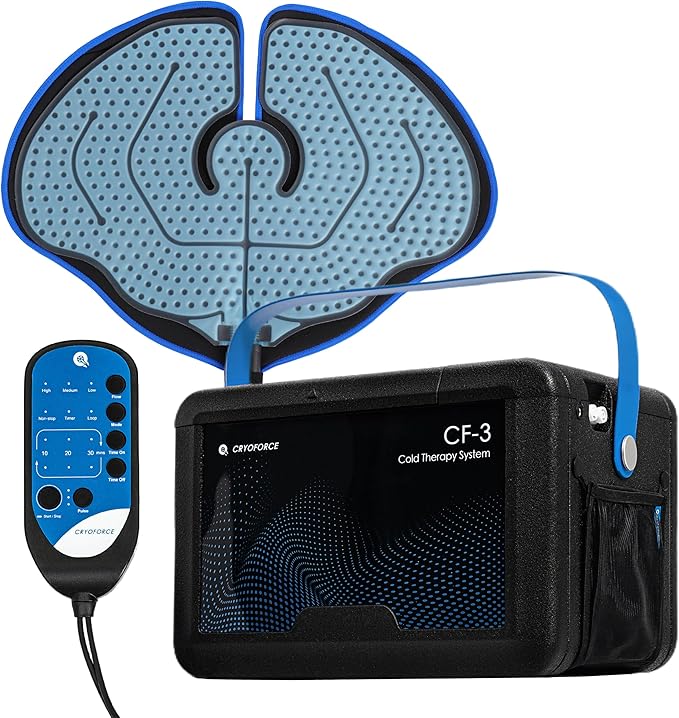
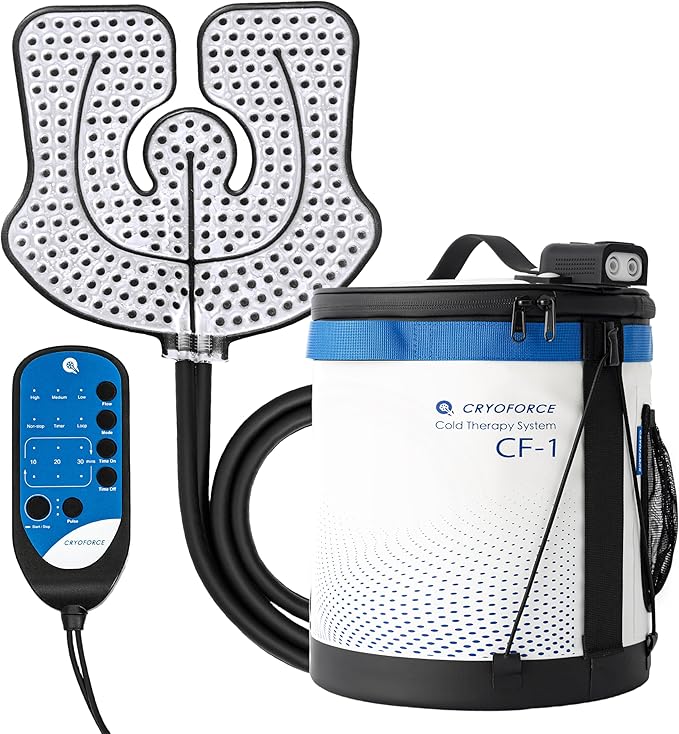
The clinical answer isn’t to avoid cold therapy entirely. Research published through 2025 continues to support targeted cryotherapy for trigger-point pain, inflammation control, and sleep quality in fibromyalgia. The answer is dose control: shorter durations, higher water temperatures (often 55–65°F instead of 39°F), and localized application instead of whole-body immersion. That’s exactly what a modern cold therapy machine delivers, and why many fibromyalgia patients in 2026 are skipping the full plunge tub investment entirely in favor of compact, programmable units that respect their sensitivity threshold.
What to Look For in a Fibromyalgia-Friendly Cold Therapy System
- Programmable timer: 10–15 minute sessions, not 30+. Auto-shutoff prevents overexposure on a flare day when your perception of time and cold is impaired.
- Adjustable temperature or flow rate: You need to dial cold intensity down on bad-pain days and up on better days.
- Targeted pad applicators: Knees, shoulders, lower back, neck — match the pad to your worst trigger point rather than shocking your whole body.
- Quiet operation: Fibromyalgia frequently coexists with hyperacusis (sound sensitivity). A loud compressor can spike sympathetic tone and undo the therapy.
- Large reservoir: Bigger tanks mean fewer ice top-offs, which matters when your hands hurt and refilling is itself a flare risk.
2026 Comparison Table
| Model | Reservoir | Best For | Programmable Timer | Noise Level |
|---|---|---|---|---|
| CF-3 Pro | 16.8 QT | Multi-site / longer sessions | Yes | Low |
| CF-1 Quiet | ~9 QT | Sound-sensitive users, evening use | Yes | Very low |
| ACL Recovery Model | ~6 QT | Single-joint targeting, budget pick | Basic | Moderate |
| Portable Timer Model | ~8 QT | Flare-day flexibility / travel | Multi-stage | Low |
Best Cold Therapy Systems for Fibromyalgia in 2026
CF-3 Pro 16.8QT — Best Overall for Cold-Sensitive Patients
The CF-3 Pro is what I recommend when someone with fibromyalgia asks about cold plunge tubs for fibromyalgia patients and we’re trying to find a saner alternative. The 16.8-quart reservoir holds enough ice water to run a 15-minute session at a milder 55–60°F instead of forcing a punishing 40°F, which matters enormously when allodynia is in play. Pad coverage handles knees and shoulders — the two most common widespread-pain locations after the lower back. The programmable timer auto-stops circulation, so you don’t have to “tough it out” past your tolerance. Compressor noise is mild enough that hyperacusis sufferers report being able to leave it running in the same room without rebound headaches.
CF-1 Quiet System — Best for Sound-Sensitive Users
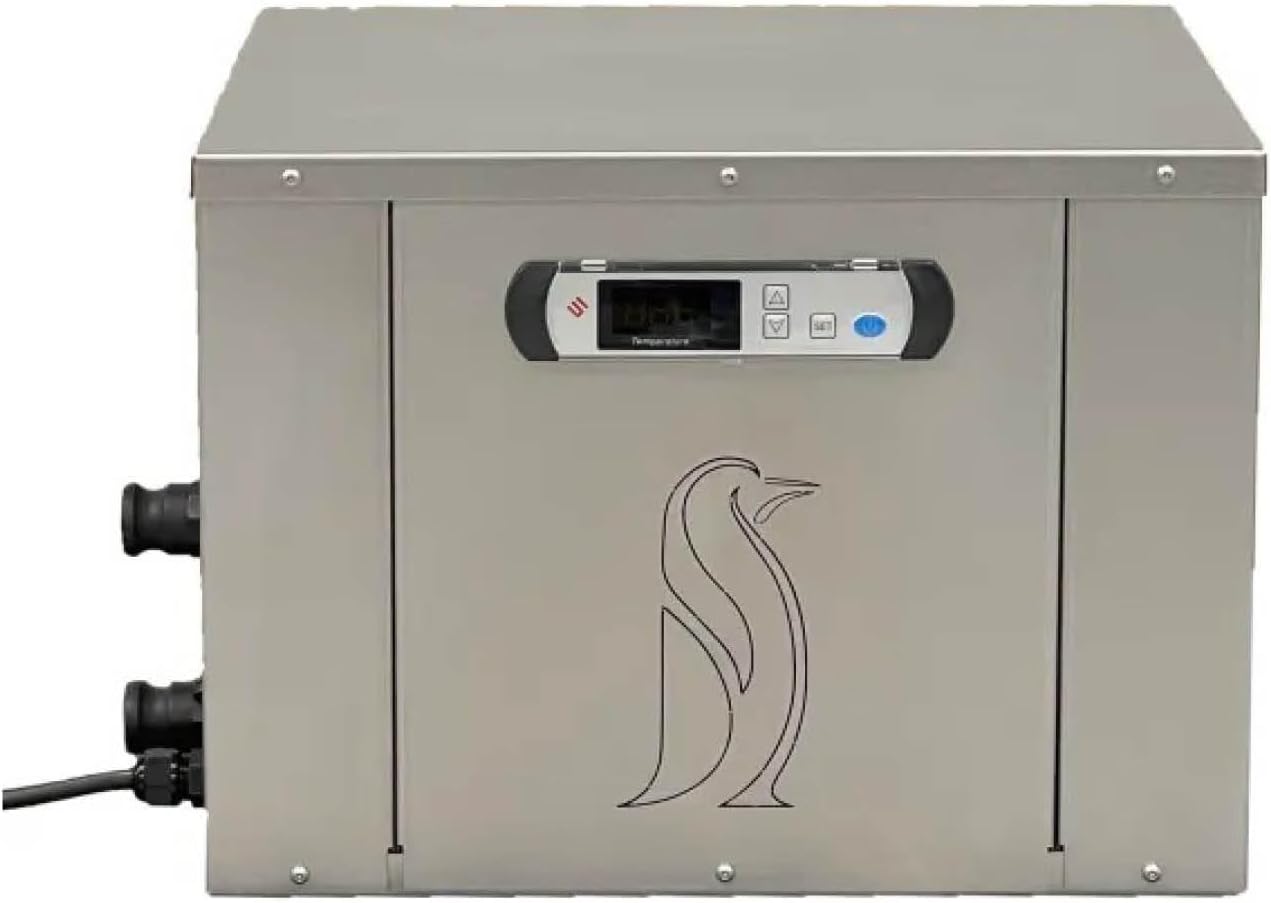
If noise itself is a trigger — and it is for a large share of fibromyalgia patients — the CF-1 is the quieter sibling. It runs noticeably softer than the CF-3 Pro, which makes it the better pick for bedroom or late-evening use when you’re trying to use cold therapy to dampen pain before sleep. The smaller reservoir means slightly more frequent ice top-offs, but the gentler acoustic profile is often worth the trade. Pair it with our guide on cold versus heat therapy for fibromyalgia to figure out which sessions of your day should be cold-focused versus warmth-focused.
Check the CF-1 Quiet on Amazon
ACL Recovery Cold Therapy Machine — Best Budget Targeted Option
Designed for post-surgical knee recovery, this model is genuinely useful for fibromyalgia patients who have one specific trigger point that flares more than the rest — often a knee, hip, or shoulder. It’s smaller, less expensive, and easier to store than a plunge tub. The downside is a more basic timer and a slightly louder pump than the CF-1, so think of this as the entry-level option to test whether targeted cold therapy actually helps your symptoms before investing in a larger system. For many readers this is the “try it before you commit” pick.
Check the ACL Recovery model on Amazon
Portable Programmable Timer Model — Best for Flare-Day Flexibility
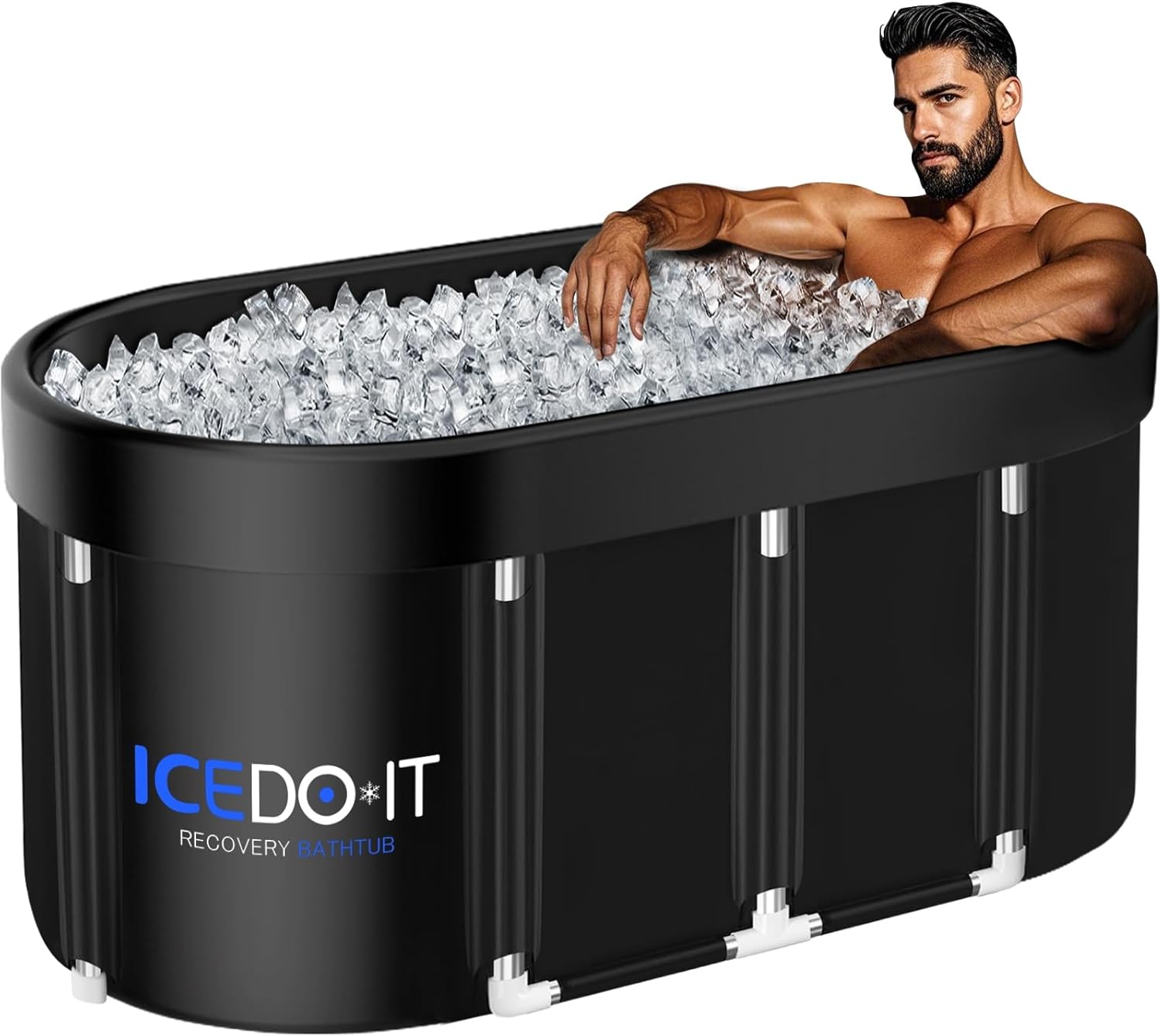
The portable programmable-timer system is the one I recommend for patients whose pain location moves day to day — which is most fibromyalgia patients. Its multi-stage timer lets you set very short initial sessions (5 minutes) and gradually extend if tolerated, instead of forcing a single fixed duration. The portable form factor means you can move it from couch to bed to office, which matters when fatigue is heavy and walking to a fixed plunge tub isn’t realistic. Check our breakdown of portable ice baths for small spaces if you’re also considering a full plunge alternative for occasional whole-body sessions.
Check the Portable Timer model on Amazon
How to Use Cold Therapy Safely with Fibromyalgia and Cold Sensitivity
Three rules separate helpful cold therapy from a flare trigger.
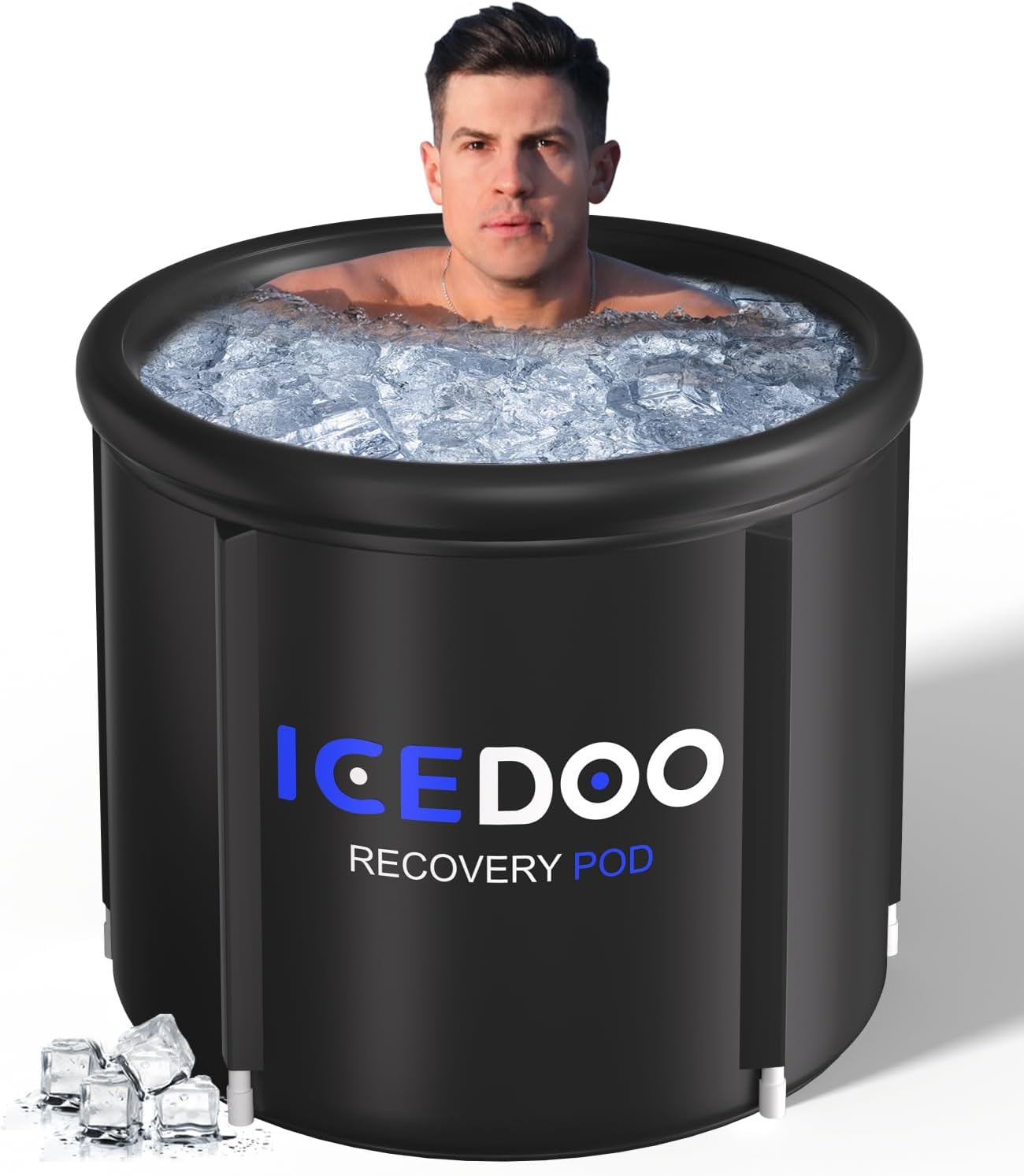
1. Start warmer than the internet tells you to. Athletic plunge protocols recommend 38–50°F. For fibromyalgia with allodynia or Raynaud’s, start at 60–65°F and let your nervous system adapt over weeks. There’s no medal for tolerating colder water faster, and pushing too fast is the single most common reason cold plunge tubs for fibromyalgia patients fail in the first month.
2. Cap sessions at 10 minutes initially. Even 5 minutes of localized cold is therapeutic. Anything past your tolerance threshold activates sympathetic overdrive, which is the exact opposite of what you’re trying to achieve.
3. Rewarm slowly and actively. Don’t jump into a hot shower afterward — the rapid swing is itself a trigger. Wrap up in a dry layer, sip warm (not hot) tea, and let your skin return to baseline over 15–20 minutes. This passive rewarm is where many of the documented anti-inflammatory benefits actually consolidate.
If you’ve tried a friend’s plunge tub and felt worse, that does not mean cold therapy doesn’t work for you — it likely means the dose was wrong. A targeted machine gives you the granular control a tub can’t. For more on temperature dialing specifically, see our guide to cold plunge tubs with temperature control.
Frequently Asked Questions
Are cold plunges safe for people with fibromyalgia?
Cold therapy can be safe and beneficial for fibromyalgia, but a full cold plunge at athletic-protocol temperatures is rarely the right starting point. Localized cold via a therapy machine at 55–65°F with 5–10 minute sessions is the lower-risk entry point. Always clear it with your rheumatologist if you also have Raynaud’s, cryoglobulinemia, or cardiovascular conditions.
What temperature should a fibromyalgia patient use for cold therapy?
Start at 60–65°F for the first two to three weeks, then drop to 55°F if symptoms improve and tolerance grows. Most fibromyalgia patients never need to go below 50°F to get the analgesic and sleep-quality benefits. Lower isn’t better — it’s just colder.
Can cold therapy actually reduce fibromyalgia pain?
Yes, with caveats. Controlled-duration localized cold reduces trigger-point pain intensity and improves sleep onset in published studies through 2025. It does not appear to modify the underlying central sensitization, so think of it as symptom management — not a cure — used alongside graded exercise, sleep hygiene, and prescribed medication.
Is a cold therapy machine better than an ice pack for fibromyalgia?
Functionally yes, because circulating-water machines maintain a constant target temperature for the full session, while ice packs warm progressively and either underdose at the end or freeze your skin at the start. Continuous controlled temperature is gentler on hypersensitive skin and more reproducible session-to-session.
How long should each cold therapy session last?
Begin at 5 minutes per area, building toward 10–15 minutes maximum. Some fibromyalgia patients respond best to two short sessions per day rather than one long one. Use the programmable timer — do not estimate from memory, since time perception under cold and fatigue is unreliable.
Will cold therapy trigger a Raynaud’s attack?
It can if you apply cold directly to fingers, toes, ears, or nose. Stick to larger muscle groups — knees, shoulders, lower back, quads — and keep extremities warmly covered during sessions. Several of the machines reviewed above let you direct cold to the trunk while extremities stay insulated, which is the safest pattern for combined fibromyalgia and Raynaud’s.
Should I get a cold plunge tub or a cold therapy machine first?
For fibromyalgia patients with cold sensitivity, start with a cold therapy machine. It’s a lower-cost test of whether cold actually helps your symptoms before committing to a $1,500+ tub. Many patients find the targeted machine is all they ever need. If you do graduate to a tub later, see our guide to chiller versus ice-based plunge tubs to pick the right system for your tolerance level.
Key Takeaways
- Choosing the right cold plunge tubs for fibromyalgia patients means matching capacity and output ports to your actual devices
- Always check actual watt-hours (Wh), not just watts — runtime depends on Wh, not peak output
- Also covers: fibromyalgia cold plunge tolerance
- Also covers: gentle cold therapy fibromyalgia
- Also covers: adjustable temperature plunge fibromyalgia
- Compare price-per-Wh across models to find the best value for your budget