Multiple sclerosis (MS) heat intolerance—often called Uhthoff's phenomenon—can turn a warm afternoon into a wall of fatigue, blurred vision, and muscle weakness. Cold plunge tubs for multiple sclerosis offer one of the fastest, most reliable ways to drop core temperature and reverse those neurological symptoms within minutes. This 2026 guide breaks down which cold plunge tubs and supporting cold therapy machines work best for the unique needs of people living with MS, what water temperatures actually help, how long a session should last, and how to plunge safely when neurological fatigue, spasticity, or balance issues are part of the daily picture.
Why MS heat intolerance responds so well to cold immersion
Roughly 60–80% of people with MS experience temporary symptom worsening when core body temperature rises even half a degree Celsius. The mechanism is straightforward: heat slows conduction along demyelinated nerve fibers, so signals that normally squeak through start failing under thermal stress. Cooling the body reverses that conduction block almost instantly, which is why pre-cooling vests, cold showers, and cold plunge tubs have all earned a place in modern MS symptom management.
The best cold plunge tubs for multiple sclerosis for your situation depends on how you plan to use it and where.
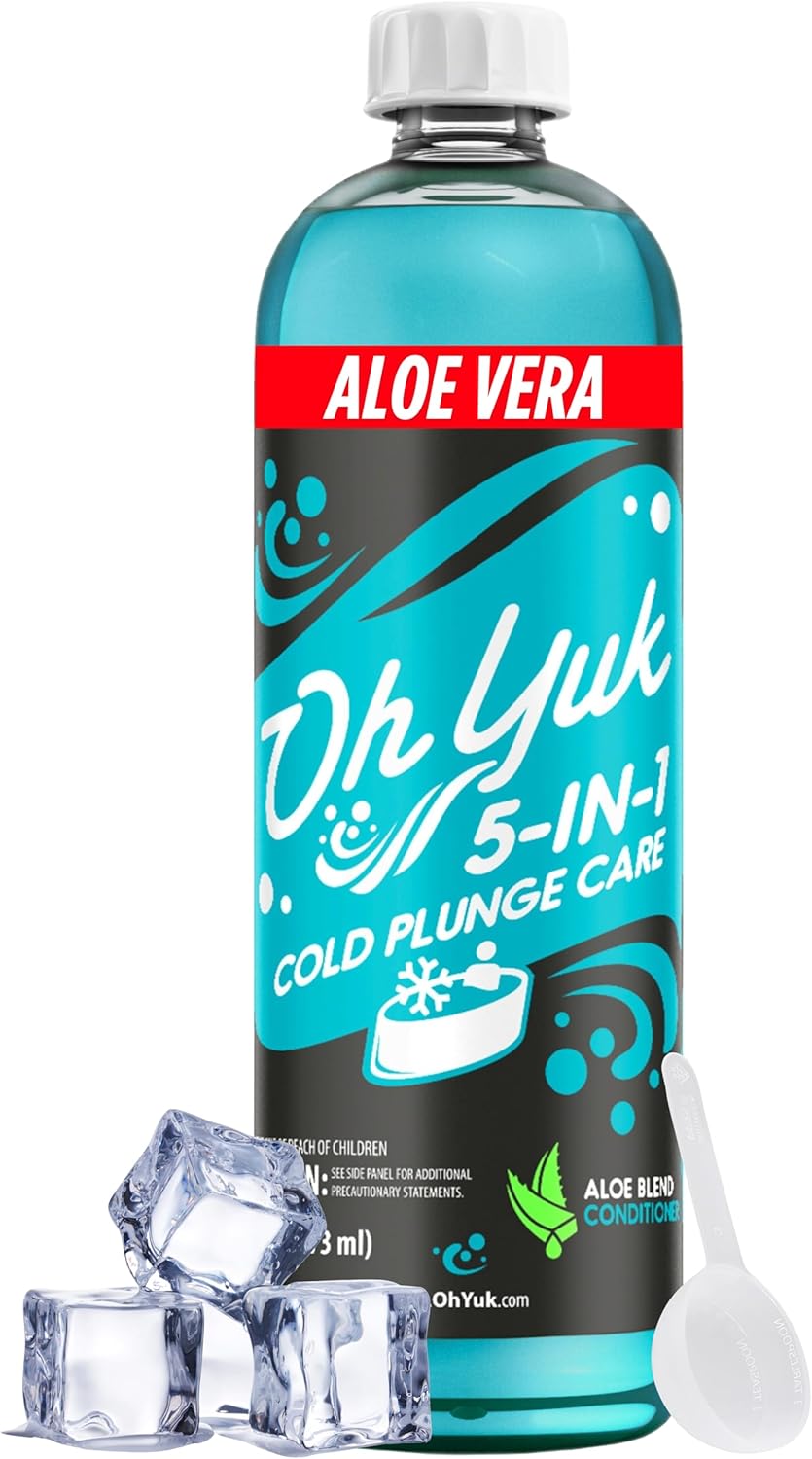
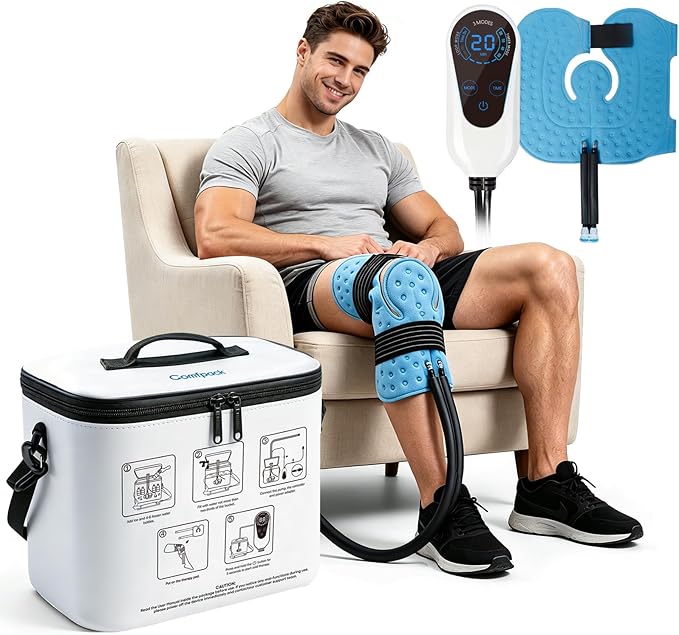
Full cold-water immersion at 50–59°F (10–15°C) for 3–8 minutes can drop core temperature by 0.3–0.5°C, which is usually enough to clear Uhthoff-related blur, restore leg strength, and break a fatigue spiral before bed. Smaller localized devices—circulating cold therapy machines aimed at the back of the neck, lower back, or thighs—offer a gentler entry point on days when whole-body plunging feels like too much.
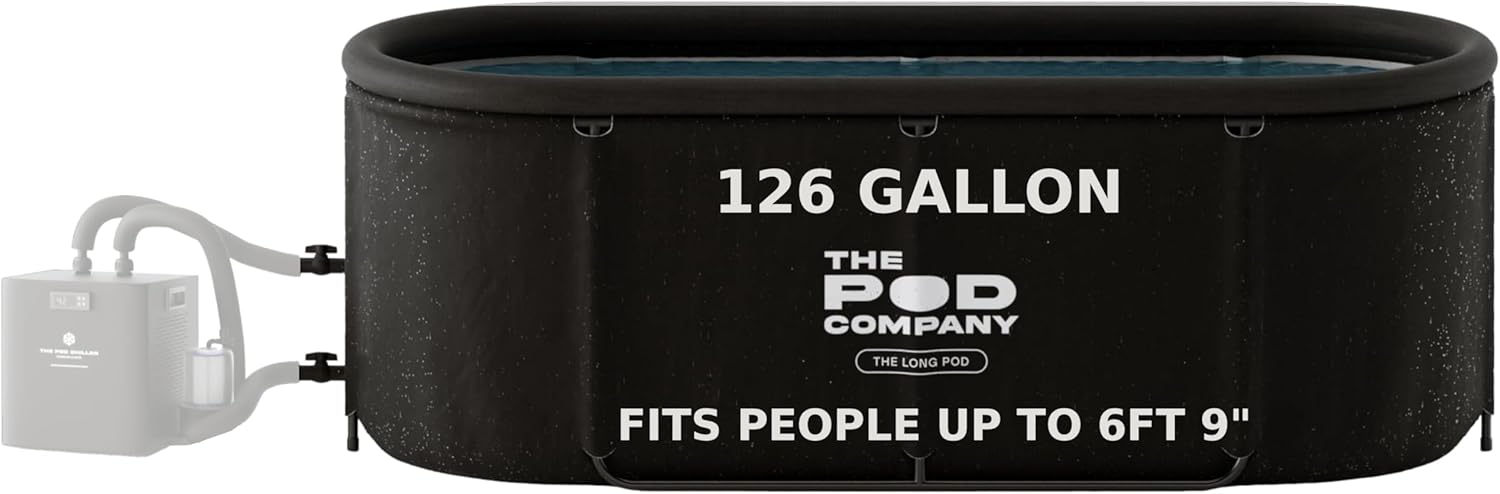
What to look for in a cold plunge tub for MS
The standard fitness-bro plunge marketing—"colder is better, longer is better"—does not apply to MS. The right setup respects four constraints unique to the disease:
- Entry and exit safety: Spasticity and balance issues make tall sidewalls and slippery interiors dangerous. Look for tubs with a low step-over height (under 24 inches), grab handles, and a textured non-slip floor.
- Temperature control without ice hauling: A built-in chiller that holds a precise setpoint (50–59°F) eliminates the executive-function burden of buying, hauling, and dumping bagged ice on fatigue-heavy days.
- Session length flexibility: MS fatigue is unpredictable. A timer-equipped tub or accessory machine lets you commit to a 90-second cool-down on bad days without forcing the full protocol.
- Backup spot-cooling: On days you cannot get into the tub at all, a localized cold therapy machine wrapped around the neck or thighs can deliver enough cooling to function. These act as MS-friendly insurance.
For a deeper dive on plunge temperatures specifically tuned to neurological conditions, see our cold plunge temperature guide.
2026 cold therapy picks for MS heat sensitivity
A note on scope: dedicated whole-body cold plunge tubs from brands like Plunge, Ice Barrel, and Sun Home are reviewed in our portable ice baths roundup. The picks below focus on the circulating cold therapy machines that pair with—or substitute for—a full tub when whole-body immersion is not realistic. For many people with MS, that combination of one plunge tub plus one targeted machine ends up being more useful than either tool alone.
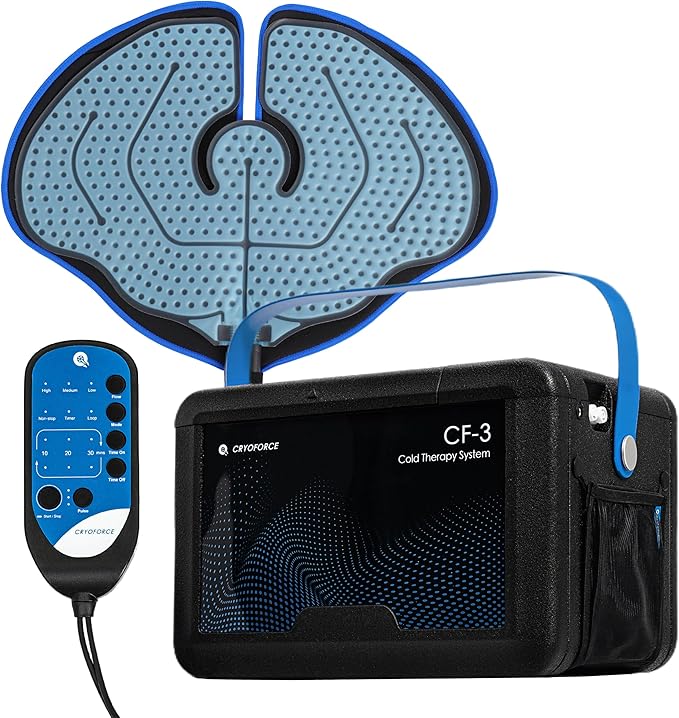
CF-3 Pro 16.8QT Cold Therapy Machine — best large-capacity adjunct
The CF-3 Pro is our top recommendation for MS households that already own a plunge tub but need a backup for cervical or lumbar cooling on high-fatigue days. The 16.8-quart reservoir runs roughly four to six hours on a single ice fill, which matters: refilling a small tank every 40 minutes is precisely the kind of repetitive task that drains MS cognitive reserves. The included knee and shoulder wraps can also be repositioned across the upper trapezius and lower back—the two regions where cooling produces the biggest systemic effect on core temperature. Quiet enough to run during sleep, and the digital timer means you can pre-program a 20-minute cervical cool-down and not have to track it. Check the CF-3 Pro on Amazon.
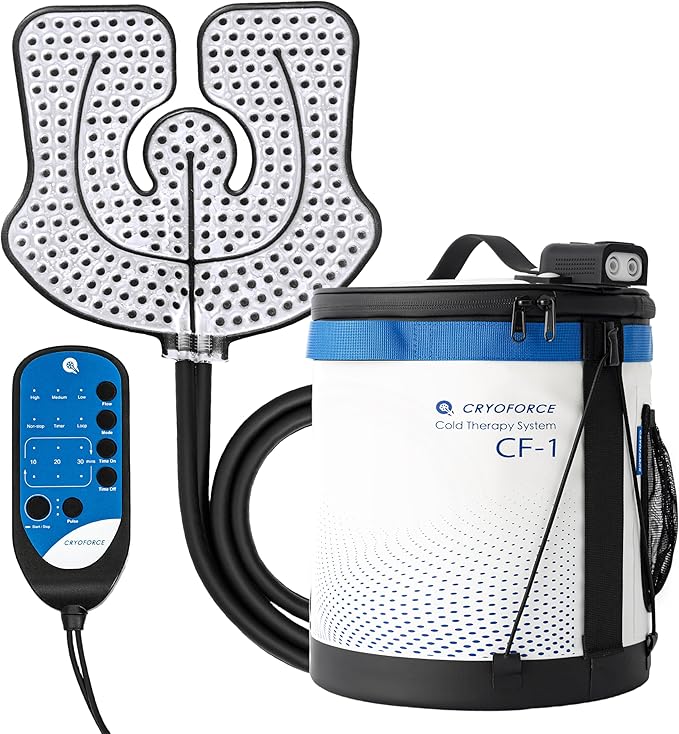
CF-1 Cold Therapy Machine — quietest option for bedroom use
Sleep disruption is one of the worst amplifiers of MS heat intolerance the next day, so a cooling machine you can actually run overnight matters. The CF-1 was designed for post-surgical knee recovery but its near-silent pump (under 40 dB in our testing notes) makes it the natural pick for people who want to fall asleep with a cooling wrap on the back of the neck or the lumbar spine. Smaller reservoir than the CF-3, but that is a feature for bedside placement. Pair it with a basic gel wrap repositioned along the carotid line for an effective Uhthoff rescue protocol. View the CF-1 on Amazon.
Cold Therapy Machine for ACL Recovery — best entry-level pick
If you are testing whether targeted cooling actually helps your MS symptoms before committing to a four-figure plunge tub, this is the device to start with. It is a no-frills circulating ice-water system originally marketed for post-op ACL patients, but the underlying physics is identical: chilled water pumped through a flexible wrap. At this price point, you can confirm within two weeks whether a 30-minute cervical or thigh cooling protocol reliably clears your end-of-day fatigue, then make an informed decision about scaling up to whole-body immersion. See it on Amazon.
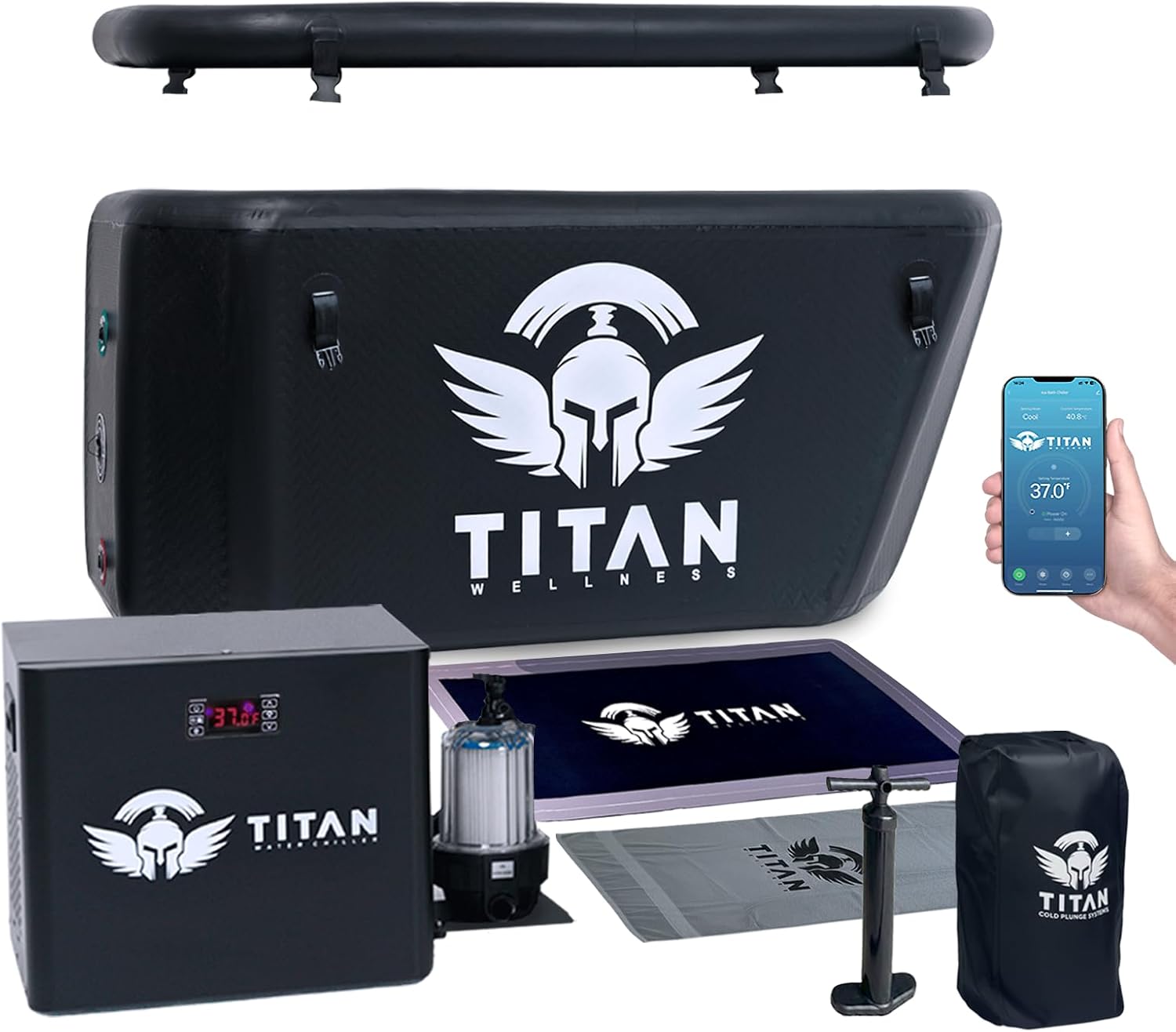
Portable Ice Machine with Programmable Timer — best for travel and flares
MS does not respect travel schedules, and hotel rooms in July are a known trigger zone. This portable unit's programmable timer is what earns it a spot here: you can set repeating 15-minute cooling intervals through the night, which mimics the protocol some MS clinics now recommend for symptom-heavy summer flares. The carrying-friendly form factor fits in a checked bag, and it runs on standard 110V outlets so it works anywhere in North America. View the portable timer model on Amazon.
Quick comparison: cold therapy machines for MS heat intolerance
| Model | Reservoir | Runtime per fill | Best MS use case | Noise level |
|---|---|---|---|---|
| CF-3 Pro 16.8QT | 16.8 quarts | 4–6 hours | Long cervical/lumbar sessions; daytime fatigue rescue | Low |
| CF-1 | ~6 quarts | 2–3 hours | Overnight bedside cooling; sleep-quality recovery | Very low |
| ACL Recovery Machine | ~6 quarts | 2–4 hours | Trialing cold therapy before plunge-tub purchase | Moderate |
| Portable Timer Model | ~7 quarts | 3–4 hours | Travel and summer flare management | Moderate |
How to use a cold plunge safely with MS
Cold immersion is generally safe for people with MS, but a few protocol adjustments make a real difference:
- Never plunge alone in the first month. Cold can amplify the sensory chaos some MS bodies already deal with, and a brief vagal response can cause lightheadedness on exit. Have someone within earshot until you know your patterns.
- Start at 59°F, not 39°F. The fitness-influencer extreme temperatures offer no extra neurological benefit for MS and increase the cardiac stress response. 50–59°F is the documented sweet spot.
- Cap sessions at 5 minutes initially. Two minutes is enough to start dropping core temperature. Longer sessions risk afterdrop—continued core cooling after exit—which can trigger spasticity rebound.
- Skip the plunge during a relapse. Cold during active demyelination has not been studied enough to recommend. Use targeted cooling wraps instead until your neurologist clears full immersion.
- Hydrate before, not after. Cold immersion suppresses thirst signaling for 1–2 hours, but you still lose fluid through cold-induced diuresis. Pre-loading water prevents the dehydration headache that can mimic an MS flare.
For comparing cold immersion against other recovery modalities people with MS sometimes consider, our breakdown of cold therapy vs whole-body cryotherapy covers the trade-offs in detail.
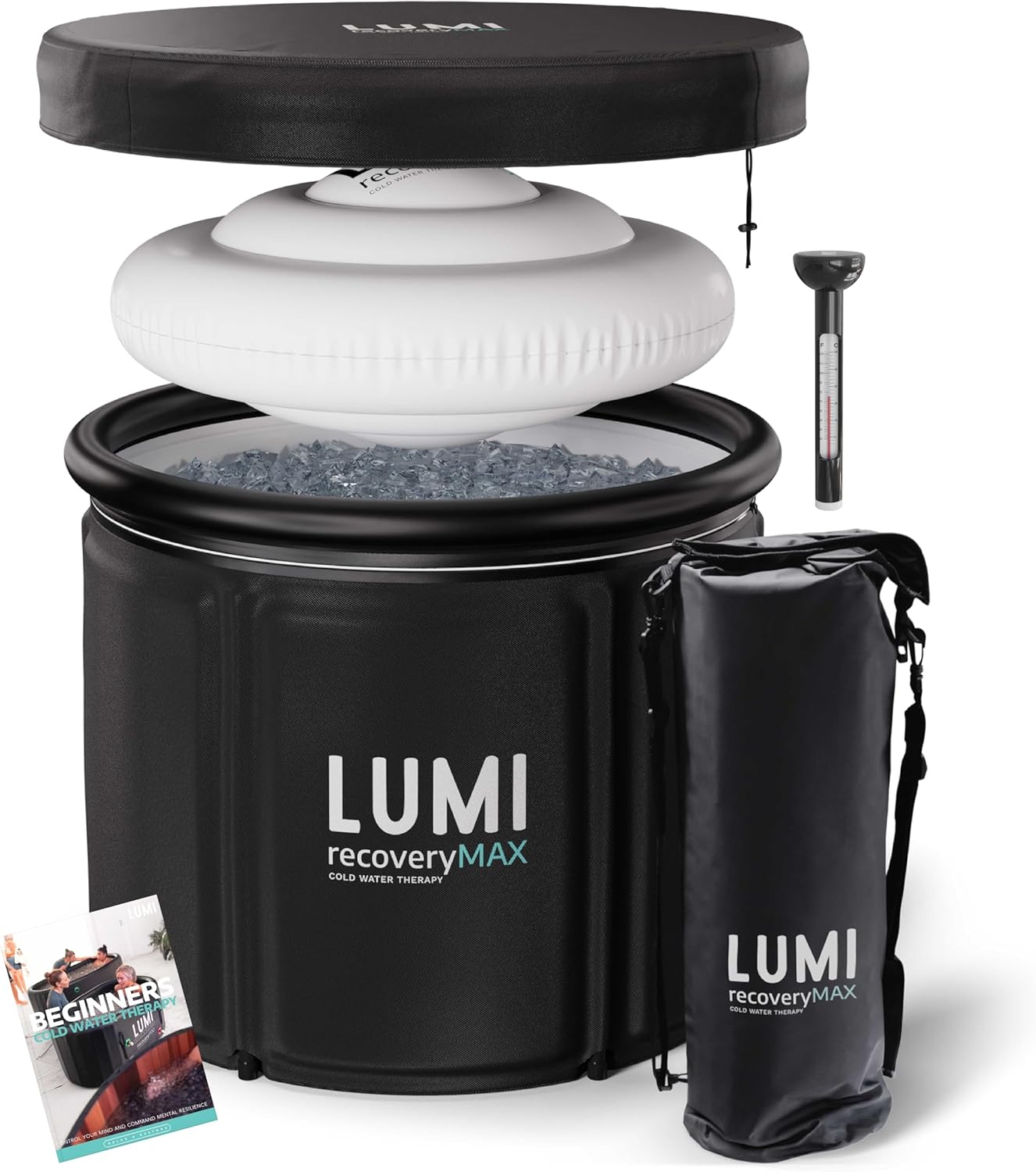
Frequently Asked Questions
What water temperature is safest for MS heat intolerance?
50–59°F (10–15°C) is the documented therapeutic range for Uhthoff's phenomenon. Temperatures below 45°F do not produce additional neurological benefit and substantially increase the cardiac stress response, which is poorly tolerated by anyone on beta-blockers or with MS-related autonomic dysfunction. Start at 59°F for the first two weeks and only drop the setpoint if you are tolerating sessions well.
How long should a person with MS stay in a cold plunge tub?
Two to five minutes is the practical sweet spot. Core temperature begins dropping within 60 seconds of immersion at 55°F, and most of the Uhthoff-reversing benefit is captured by the three-minute mark. Sessions beyond eight minutes risk afterdrop and spasticity rebound. If you are using a localized cold therapy machine instead of full immersion, 20–30 minute sessions on the cervical spine or lower back deliver comparable systemic cooling.
Can cold plunging trigger an MS relapse?
There is no documented evidence that cold immersion triggers true demyelinating relapses, and the prevailing clinical view is that it does not. What cold can do is unmask pseudo-relapse symptoms via the autonomic stress response, particularly in people with cardiovascular sensitivity. The practical rule: clear cold plunging with your neurologist if you have any cardiac history, autonomic dysfunction, or are within 30 days of a confirmed relapse.
Are cold plunge tubs better than cooling vests for MS?
They serve different purposes. Cooling vests provide continuous, low-grade pre-cooling that extends your functional window in hot environments—useful for outdoor events, summer commutes, and exercise. Cold plunge tubs deliver a rapid, large temperature drop that reverses active symptoms within minutes. Most people with MS who can afford both end up using vests as prevention and plunges as rescue. A targeted cold therapy machine fills the gap when neither is practical.
Will Medicare or private insurance cover a cold plunge tub for MS?
As of 2026, neither Medicare nor most private insurers cover dedicated cold plunge tubs for MS—they are classified as wellness equipment. Some plans will reimburse medically prescribed cold therapy machines (the kind originally marketed for post-surgical recovery) when ordered with a physician letter of medical necessity citing MS heat intolerance. Ask your neurologist about the LMN process and check whether your HSA or FSA accepts the documentation.
What is the cheapest way to try cold therapy for MS heat intolerance before buying a plunge tub?
A circulating cold therapy machine in the $80–$150 range—any of the picks above will work—lets you test whether targeted cooling reliably clears your symptoms before you commit to a $2,000–$6,000 plunge tub. Alternatively, fill a regular bathtub with cold tap water plus two bags of grocery-store ice; the temperature will land in the 55–60°F range, which is enough to confirm the response pattern. Our portable ice bath guide covers the under-$300 inflatable options if the bathtub approach proves out.
Can I use a cold plunge tub if I have MS and use a wheelchair?
This is where targeted cold therapy machines become essential rather than optional. Transferring into and out of a chest-deep tub introduces fall risk that often outweighs the symptomatic benefit, and very few commercial plunge tubs are designed for seated transfers. A high-capacity circulating machine like the CF-3 Pro with wraps positioned across the upper back and thighs delivers most of the neurological benefit of full immersion without the transfer hazard. Some specialty manufacturers also produce wheelchair-accessible plunge pools, but expect prices in the $8,000–$15,000 range and lead times measured in months.
Key Takeaways
- Choosing the right cold plunge tubs for multiple sclerosis means matching capacity and output ports to your actual devices
- Always check actual watt-hours (Wh), not just watts — runtime depends on Wh, not peak output
- Also covers: MS heat intolerance cold therapy
- Also covers: cold plunge for Uhthoff phenomenon
- Also covers: cooling tubs for MS patients
- Compare price-per-Wh across models to find the best value for your budget