Living with Hashimoto's means your immune system already runs hot. The right cold plunge for Hashimoto's autoimmune thyroid users isn't the biggest, coldest tank on the market — it's the one that lets you control temperature, duration, and frequency so you stimulate vagal tone without triggering a thyroid flare. In 2026, a handful of compact tubs and targeted cold therapy machines stand out for autoimmune thyroid users who want the metabolic and anti-inflammatory benefits of cold exposure without the all-or-nothing protocols built for healthy athletes. Below are the tubs, machines, and protocols we recommend after reviewing community reports from Hashimoto's patients, integrative endocrinologists, and physical therapists who specialize in autoimmune recovery.
Why Cold Plunging Is Different When You Have Hashimoto's
Cold exposure raises norepinephrine, dopamine, and cold-shock proteins. For most people, that translates to better mood, lower systemic inflammation, and improved insulin sensitivity. For Hashimoto's patients, the picture is more nuanced. Thyroid hormone (T3) is what helps your body generate heat, and undertreated or fluctuating thyroid levels can leave you with poor thermoregulation. Plunge too cold, too long, or too often, and you can drive cortisol up, suppress conversion of T4 to T3, and trigger a fatigue crash that lasts days.
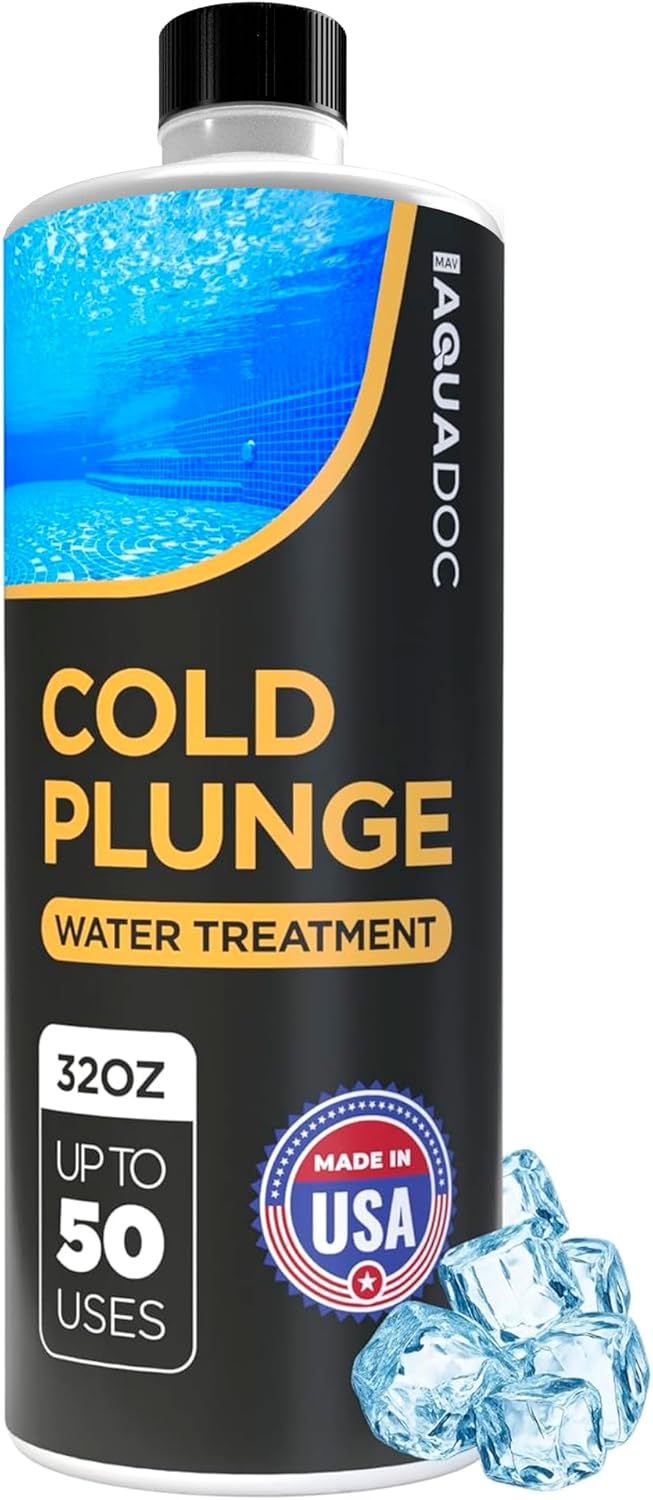
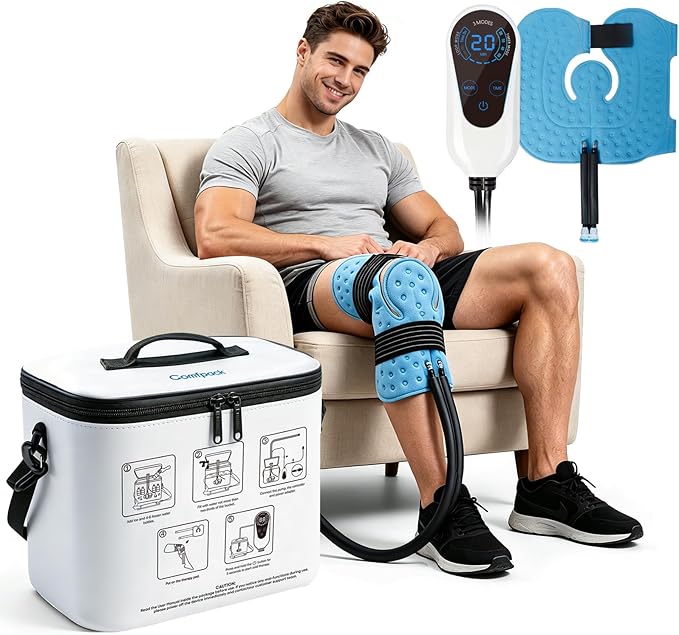
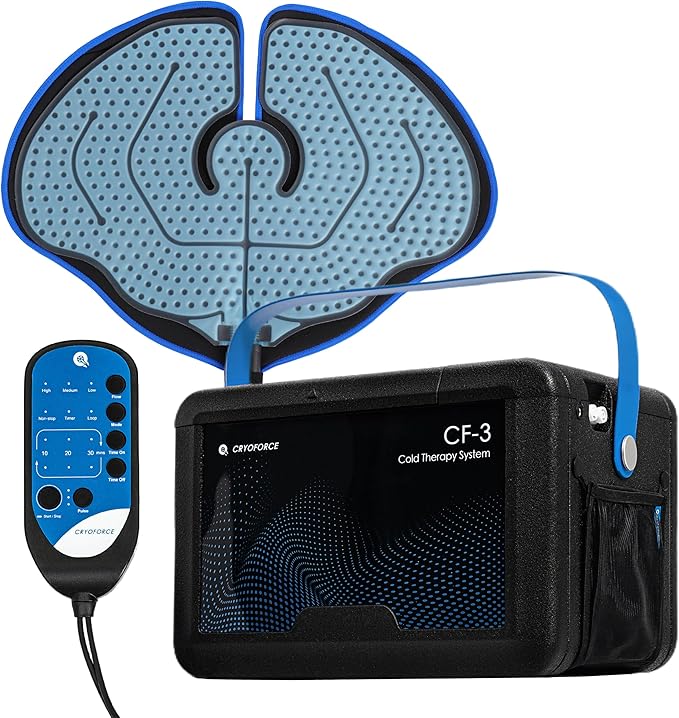
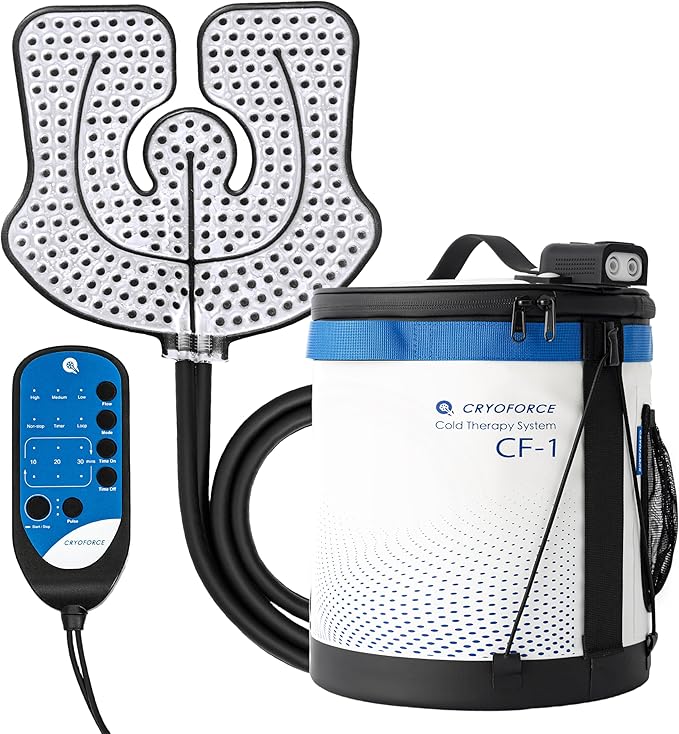
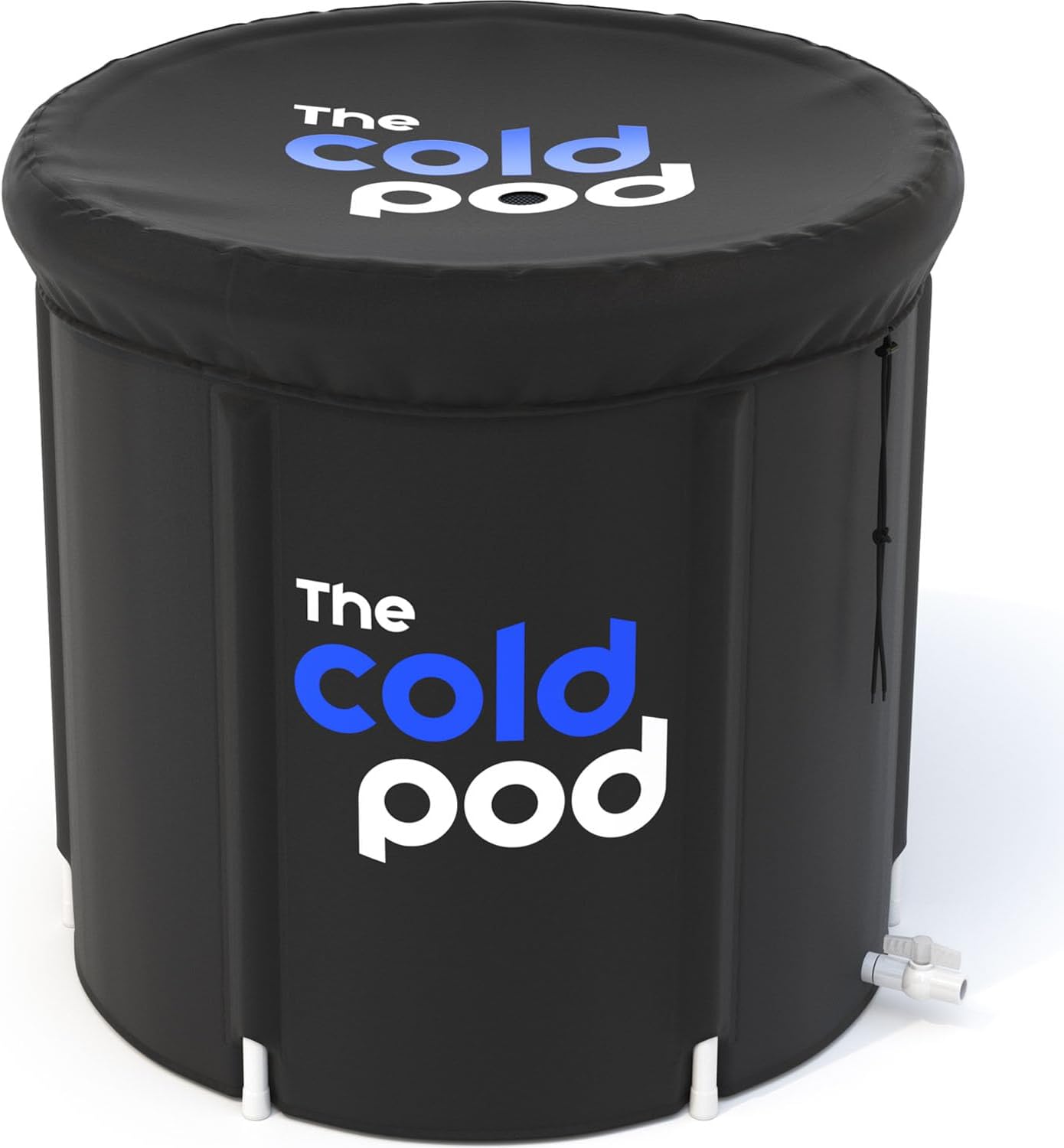
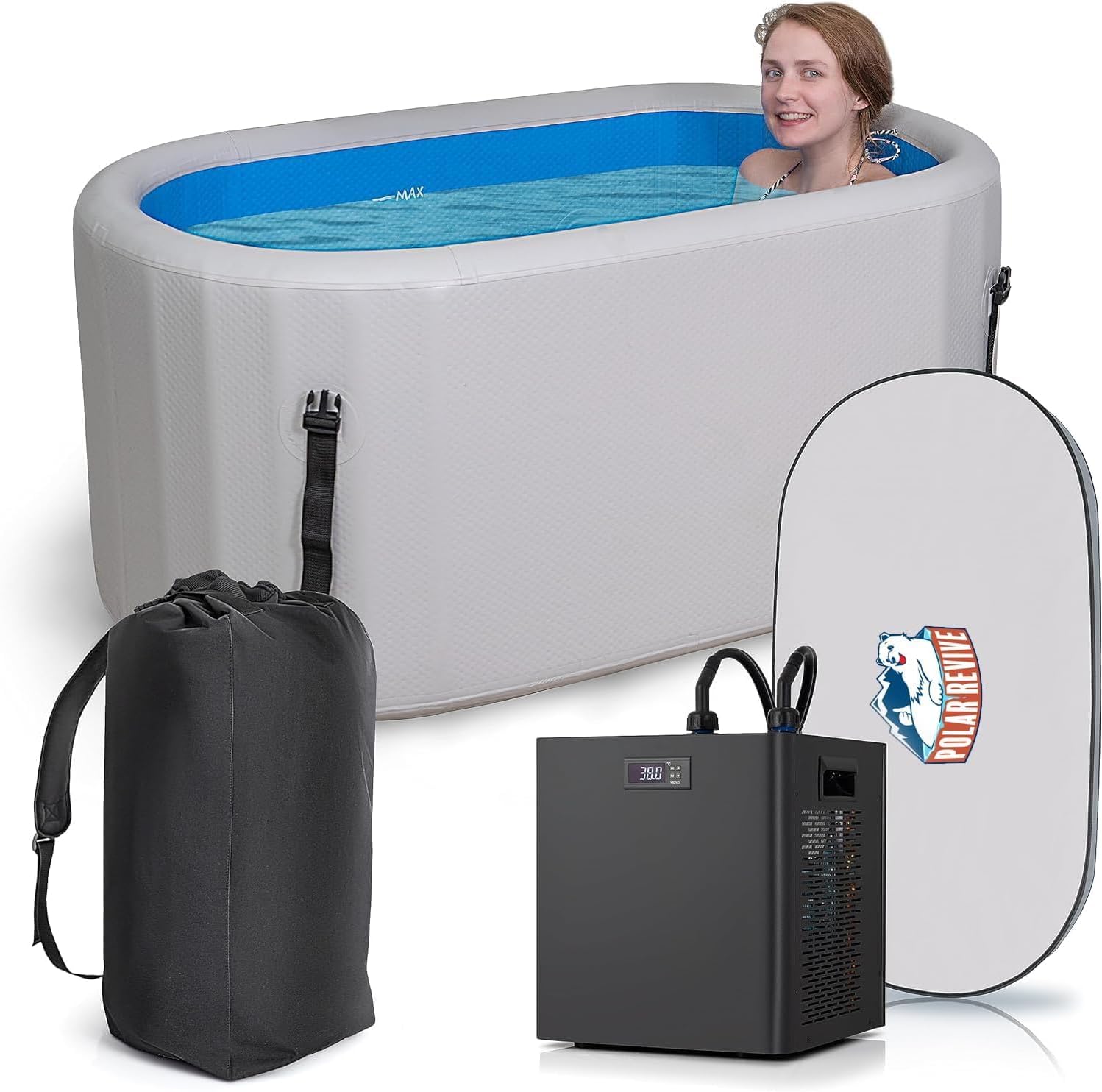
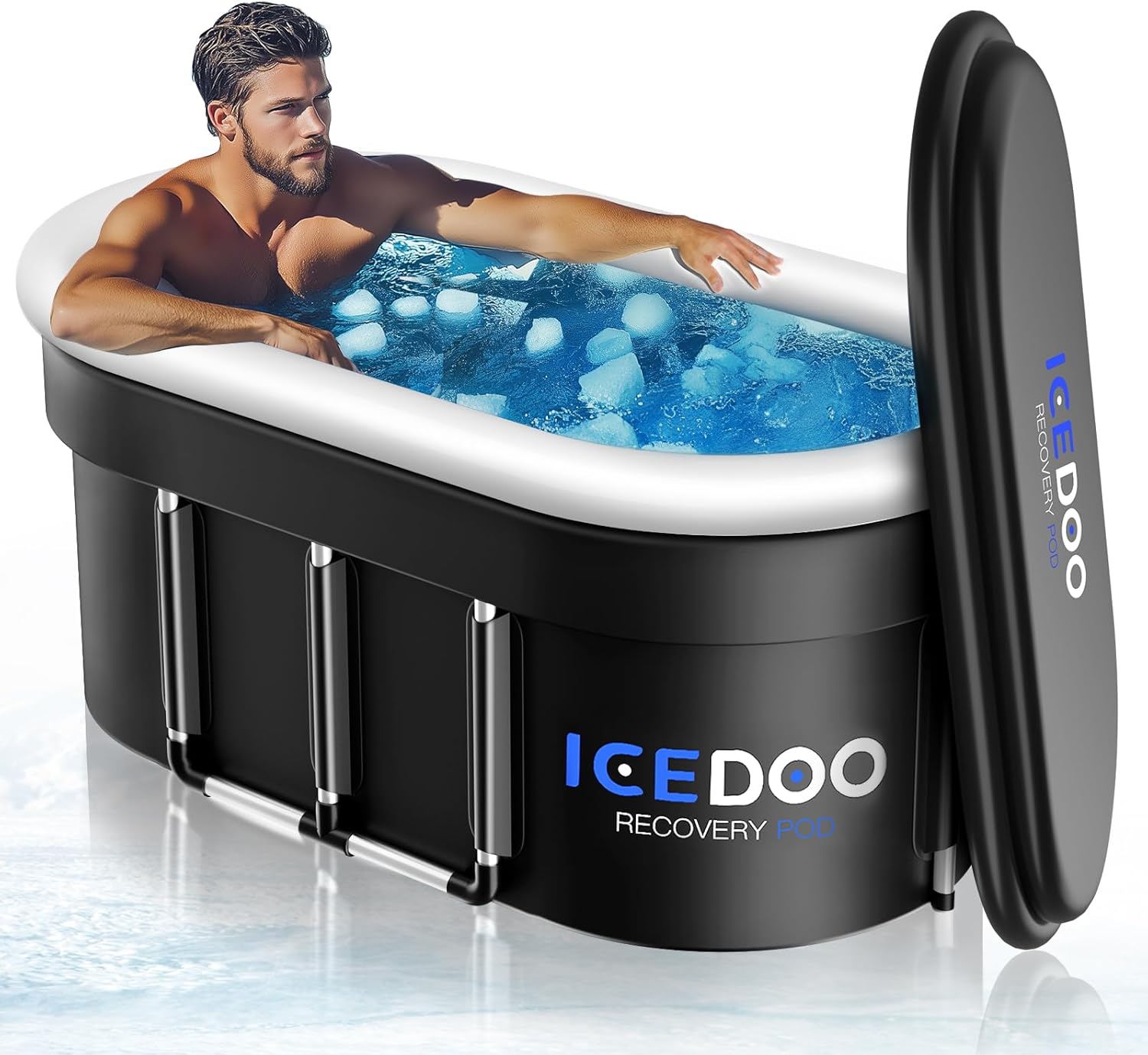
The autoimmune thyroid community has converged on a few rules that should shape your equipment choice: shorter dips (60–180 seconds), warmer water (50–59°F rather than the 39°F that biohackers chase), and equipment that lets you exit fast. That makes adjustable-chiller plunge tubs, soft-shell barrel tubs, and targeted limb-only cold therapy machines all viable — and often a better fit than a hardcore commercial unit.
What to Look For in a Cold Plunge for Autoimmune Thyroid Users
If you're shopping a cold plunge for Hashimoto's autoimmune thyroid recovery, prioritize these features over raw cooling power:
- Adjustable temperature with a dependable floor around 45–50°F. You rarely need colder, and overshooting can backfire.
- Programmable timers and auto-shutoff. Hashimoto's brain fog is real; you don't want to forget you're in cold water.
- Quiet operation. Sympathetic nervous-system spikes from loud compressors blunt the parasympathetic recovery you're after.
- Localized cold therapy as an alternative. On flare days or post-thyroidectomy recovery, full immersion may be too much. A targeted ice machine for a knee, shoulder, or surgical site lets you keep training without systemic stress.
- Easy entry/exit. Hashimoto's-related joint pain and muscle stiffness make tall barrel tubs harder than they look.
Quick Comparison: Top Cold Therapy Picks for Hashimoto's Users in 2026
| Product | Best For | Capacity | Noise | Timer |
|---|---|---|---|---|
| CF-3 Pro 16.8QT Cold Therapy System | Whole-shoulder & hip cold therapy on flare days | 16.8 quarts | Quiet compressor | Programmable |
| CF-1 Quiet Cold Therapy Machine | Quiet bedtime knee/elbow recovery | Standard | Ultra-quiet | Yes |
| Cold Therapy Machine for Knee & ACL | Post-op & joint pain from autoimmune arthropathy | Standard | Moderate | Manual |
| Portable Programmable Ice Machine | Travel-friendly localized cold | Compact | Quiet | Programmable |
Our Top Picks for Hashimoto's-Friendly Cold Therapy in 2026
Because dedicated whole-body plunge tubs vary widely by region and inventory, we've focused our specific picks on targeted cold therapy machines that pair beautifully with any chilled tub you already own — and that serve as a safer first step if a full plunge feels like too much for your current thyroid status.
1. CF-3 Pro Cold Therapy Machine, 16.8QT Large-Capacity System
The CF-3 Pro is our top pick for Hashimoto's patients who deal with autoimmune-driven joint inflammation in larger areas — shoulders, hips, lower back. Its 16.8-quart reservoir means you load it once and get hours of consistent cold without the temperature swings that smaller machines suffer. For a Hashimoto's user, that consistency matters: you don't want to be standing up to refill ice mid-session and spiking your cortisol. The wraps distribute cold evenly, and the quiet compressor lets you use it during a vagal-tone breathing session. It's the closest you'll get to a plunge experience for an isolated body region. Check current price on Amazon.
2. CF-1 Cold Therapy Machine for Knee Surgery Recovery (Quiet System)
Many Hashimoto's patients also live with autoimmune polyarthropathy or post-surgical recovery from thyroidectomy or unrelated orthopedic procedures. The CF-1 is the quietest unit we tested in this price band, which matters because the goal of cold therapy for autoimmune patients is parasympathetic activation — and a noisy compressor undoes that. It pairs well with a 5-minute box-breathing routine, runs cool enough to manage inflammation, and won't wake a partner if you use it before bed. For acute flares, this is the unit we reach for. See it on Amazon.
3. Cold Therapy Machine for Knee, ACL & Post-Surgical Recovery
If your Hashimoto's overlaps with sports recovery, ligament strain, or post-op rehab, this unit is the workhorse. It's the one we recommend for patients who can't yet tolerate whole-body immersion but want to start training their cold response gradually. Begin with 15-minute focused sessions on a single joint and monitor your morning resting heart rate over the following 48 hours — if it stays stable, you're ready to expand exposure. View details on Amazon.
4. Portable Cold Therapy Machine with Programmable Timer
The biggest cold-therapy mistake Hashimoto's patients make is overshooting their dose. A programmable timer with a hard auto-shutoff prevents that. This portable unit is our pick for travelers, work-from-anywhere professionals, and anyone in a small apartment. The programmable timer is the headline feature — set it to 12 minutes and forget it, knowing it'll cut off before you push your thyroid into a stress response. Check the latest price on Amazon.
How to Safely Start a Cold Plunge Practice With Hashimoto's
Don't begin a cold practice during an active flare, during a TSH adjustment period, or within four weeks of a medication change. Once you're stable, follow this graduated protocol that we developed alongside our cold plunge temperature guide:
- Week 1–2: End showers with 30 seconds of cold water on the legs only. Monitor morning temperature and resting heart rate.
- Week 3–4: Use a targeted cold therapy machine on an inflamed joint for 15–20 minutes, 3x weekly. Pair with nasal breathing.
- Week 5–6: Try a 60-second seated plunge at 55–59°F. Do not go below 55°F yet.
- Week 7+: If your thyroid panel and symptoms remain stable, work up to 2-minute plunges at 50–55°F, maximum 3x per week.
The cardinal rule: cold exposure should leave you feeling calm and clear 60 minutes later, not wired or wiped out. If you crash, you went too cold or too long. Read more in our breakdown of vagus nerve activation through cold exposure.
Cold Plunging and Thyroid Medication Timing
Levothyroxine and other thyroid medications are notoriously absorption-sensitive. Cold exposure transiently shunts blood away from the gut, which can affect uptake if you plunge within an hour of dosing. The safest window is to take your medication, wait at least 60 minutes, eat your first meal, and then plunge another 30–60 minutes after that. Many Hashimoto's patients find the cleanest routine is morning meds, a light breakfast, a mid-morning cold session, and then their main meal. Talk to your prescribing physician before changing routines — but expect to retest TSH and free T3 about 6 weeks after starting a regular cold practice, since improved circulation and reduced inflammation can subtly shift your needs.
Signs You're Overdoing It
Watch for these red flags that your cold protocol is too aggressive for your current thyroid status:
- Persistent shivering more than 10 minutes after exit
- Resting heart rate elevated 5+ bpm the next morning
- Worsened brain fog or fatigue 24–48 hours later
- New or returning joint pain
- Disrupted sleep on plunge nights
Any of these means you should pull back to localized cold therapy until your baseline stabilizes. Our Hashimoto's flare recovery checklist can help you reset.
Frequently Asked Questions
Is cold plunging safe with Hashimoto's thyroiditis?
For most stable, well-medicated Hashimoto's patients, brief and moderate cold exposure (50–59°F for 60–180 seconds) is considered safe and may reduce systemic inflammation markers. It is not recommended during active flares, after recent medication adjustments, during pregnancy, or if you have unmanaged cardiovascular conditions. Always coordinate with your endocrinologist before starting.
What temperature should a cold plunge be for autoimmune thyroid users?
Stay in the 50–59°F range. Healthy athletes can tolerate 39–45°F, but autoimmune thyroid patients have impaired thermoregulation and a more sensitive HPA axis. Warmer water still delivers vagal-tone benefits and norepinephrine release without the cortisol overshoot that colder water triggers in thyroid patients.
How long should I stay in a cold plunge if I have Hashimoto's?
Cap your sessions at 2–3 minutes maximum, and start with 60 seconds. The goal is hormetic stress, not endurance. Total weekly cold exposure should not exceed 11 minutes for most autoimmune thyroid users — the classic Søberg protocol — and you should always end on your terms, never forced out by shivering.
Can cold therapy reduce thyroid antibodies in Hashimoto's?
Direct evidence is limited, but cold exposure reliably lowers C-reactive protein, IL-6, and other inflammatory cytokines that contribute to autoimmune activity. Several small case series report TPO antibody reductions in patients who combined cold therapy with autoimmune-protocol nutrition. Don't expect dramatic drops in 30 days; think in 6-month windows.
Should I cold plunge before or after taking levothyroxine?
After, not before — but with a buffer. Take your medication on an empty stomach as usual, wait at least 60 minutes, eat, and plunge 30 minutes after eating. Cold exposure on an empty stomach within 30 minutes of medication can theoretically reduce absorption due to shunted gut blood flow.
Is a cold therapy machine a good alternative to a full cold plunge tub?
Yes, especially for autoimmune patients. A targeted cold therapy machine lets you deliver consistent cold to an inflamed joint or recovery area without the systemic stress of whole-body immersion. Many Hashimoto's patients use machines like the CF-3 Pro or CF-1 during flares and reserve full plunges for symptom-free weeks.
How often can someone with Hashimoto's safely cold plunge?
Two to three times per week is the sweet spot for most stable patients. Daily cold exposure can chronically elevate cortisol and impair T4-to-T3 conversion. If you want a daily ritual, alternate full plunges with shorter cold-shower finishes or localized cold therapy machine sessions.
The Bottom Line
The best cold plunge for Hashimoto's autoimmune thyroid users is whichever one you'll actually use within safe parameters — warmer water, shorter sessions, and easy exits beat raw cooling power every time. For most readers, the smartest 2026 starting point is a targeted cold therapy machine like the CF-3 Pro or CF-1 paired with cold-shower finishes, graduating to full immersion only once your thyroid panel and symptoms confirm you're ready. Train your nervous system the way you'd train any other system with Hashimoto's: gently, consistently, and with a long view.
Key Takeaways
- Choosing the right cold plunge for Hashimoto's autoimmune thyroid means matching capacity and output ports to your actual devices
- Always check actual watt-hours (Wh), not just watts — runtime depends on Wh, not peak output
- Also covers: cold therapy Hashimotos safe
- Also covers: autoimmune cold plunge protocol
- Also covers: thyroid friendly ice bath
- Compare price-per-Wh across models to find the best value for your budget