Living the van life means every gallon of fresh water matters, which is why traditional 80-gallon ice baths simply won't work in your build. The good news: portable cold plunge tubs for van life now include compact, recirculating cold therapy systems that deliver the same recovery benefits using just 1-2 gallons of water—and many fit in a cabinet under your sink. In this 2026 guide, we'll compare the most water-efficient cold therapy machines and shrink-down plunge options that pair with onboard tanks, off-grid pumps, and 12V power so you can ice your knees, shoulders, or back without draining your fresh water supply.
Why traditional cold plunges don't work in a van
A standard backyard cold plunge holds 80 to 100 gallons of water. Even the smallest tall-barrel tubs need 40-60 gallons to submerge your torso. Most Class B and Sprinter builds carry between 20 and 40 gallons of fresh water total—meaning a single plunge would drain your entire onboard supply, leaving nothing for cooking, dishes, or the toilet flush pump.
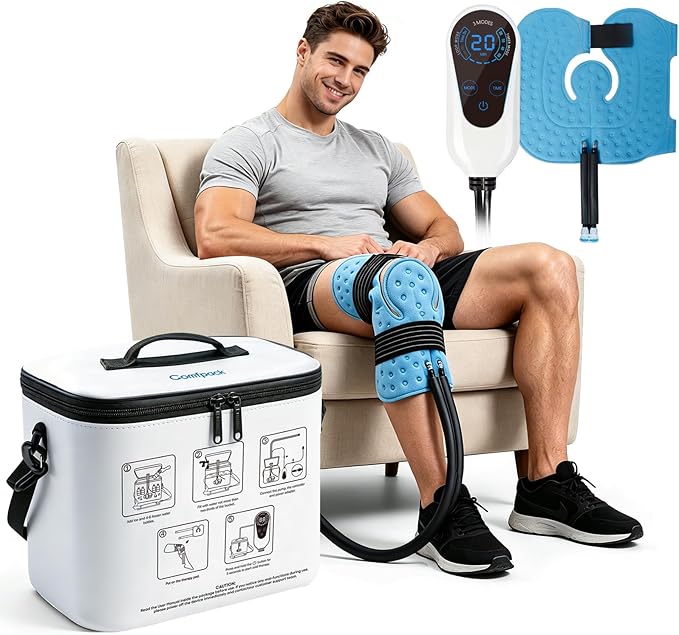
That's why nomads who chase cold therapy for joint recovery, post-hike soreness, or sleep quality are increasingly skipping full-body submersion and switching to targeted cold therapy machines. These devices wrap a chilled pad around the specific joint you need to treat (knee, shoulder, ankle, back) and recirculate ice water from a small 1-4 gallon reservoir. You get the proven anti-inflammatory effect of cold therapy without dumping 50 gallons down a campground drain.
Water budget math for van life cold therapy in 2026
Here's a simple framework before you buy anything:
- Fresh tank capacity: Know your number. Most Promaster builds run 20-30 gallons; full Sprinter conversions push 40-50.
- Daily essential use: Drinking, cooking, dishes, and hand-washing average 3-5 gallons per person per day.
- Cold therapy budget: What's left after essentials. For most weekend trips, that's 2-4 gallons total—enough for one full reservoir fill on a recirculating system.
- Ice supply: Plan to top-off with bagged ice from gas stations or campgrounds. A 7-lb bag of cubed ice equals roughly 0.8 gallons of meltwater.
If you're chasing a true full-body plunge while parked at a fishing hole, the answer isn't a tub—it's the lake, river, or ocean you parked next to. For everything else, recirculating systems win on water economics.
Comparison: best water-efficient cold therapy systems for van life
| Product | Reservoir | Power | Best for | Compact? |
|---|---|---|---|---|
| CF-3 Pro 16.8QT | 16.8 quarts (~4.2 gal) | AC + DC adapter | Shared use, multi-zone | Medium |
| CF-1 Quiet | ~9 quarts | AC | Solo van builds, quiet sleep | Yes |
| ACL Recovery Ice Machine | ~7 quarts | AC | Post-injury road trips | Yes |
| Programmable Timer Model | ~9 quarts | AC | Set-and-sleep recovery | Yes |
Top picks: portable cold plunge tubs for van life with limited fresh water
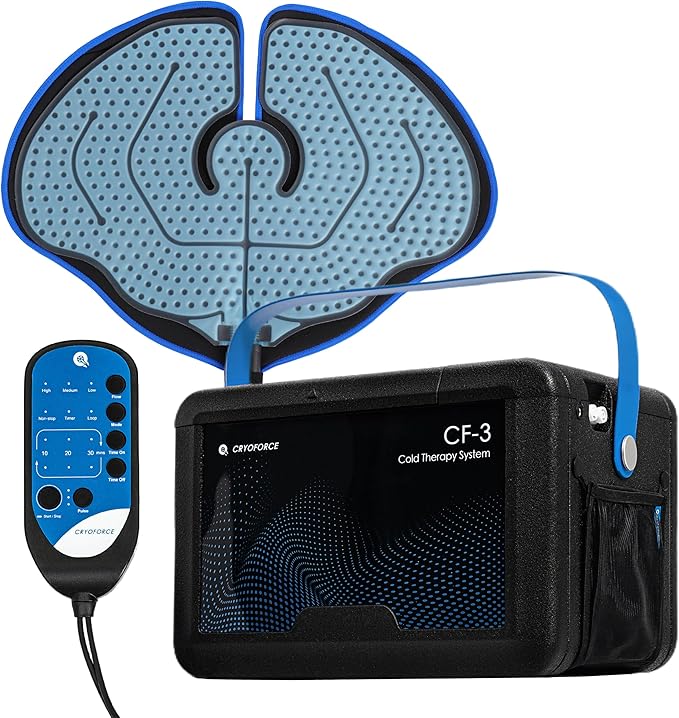
1. CF-3 Pro 16.8QT Cold Therapy Machine — best for couples and multi-joint use
If you and your van partner both need recovery after a long ride or hike, the CF-3 Pro's 16.8-quart (about 4.2-gallon) reservoir runs significantly longer between refills than smaller units. That matters when boondocking three days from the nearest water spigot. The large capacity also keeps ice colder longer because the thermal mass is greater—important when your van interior swings from 60°F overnight to 85°F by noon. The wrap fits knees and shoulders interchangeably, so one machine handles both partners' problem joints. Check the CF-3 Pro on Amazon.
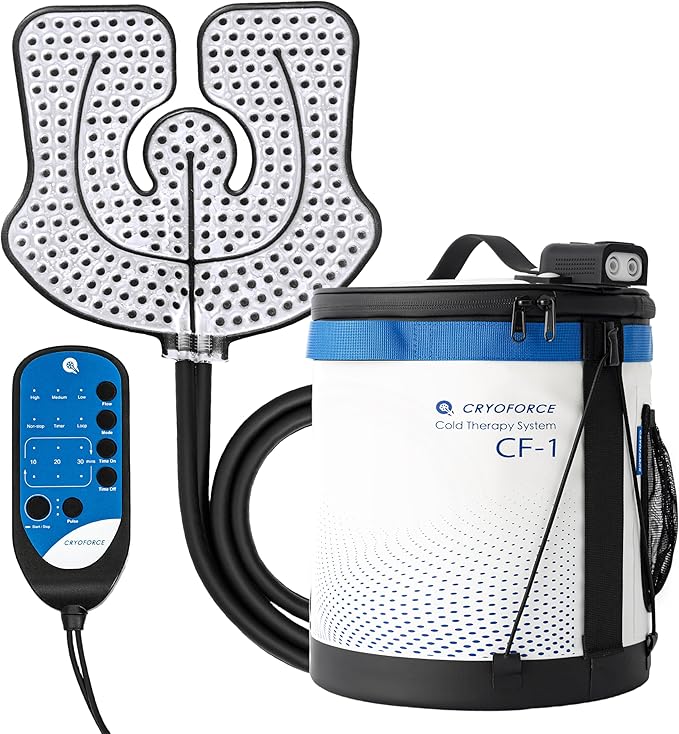
2. CF-1 Quiet Cold Therapy Machine — best for stealth camping and small builds
The CF-1's headline feature for van lifers is the quiet pump. Standard cold therapy machines can hum at 50-55 dB, which feels deafening inside an insulated cargo van at 2 a.m. The CF-1 runs noticeably quieter, making it usable for overnight knee recovery without waking yourself, your partner, or the neighbor in the next campsite. Footprint is small enough to live permanently in a galley cabinet or under a bench seat, and the AC draw is gentle enough that a modest 600W inverter handles it without straining your battery bank. See the CF-1 on Amazon.
3. Cold Therapy Machine for ACL Recovery — best for post-surgery road trips
If you're traveling while recovering from knee surgery, ACL reconstruction, or meniscus repair, this unit is specifically designed for the structured 20-on/40-off icing protocols orthopedic surgeons prescribe. The reservoir is modest, which actually helps in a van—less water to refill, faster to drain at a dump station, and the smaller footprint stows easily in a wheel-well cabinet. The wrap conforms tightly to a post-op knee even over a brace, so you can keep your recovery protocol on schedule while you chase national park weather. View on Amazon.
4. Portable Ice Machine with Programmable Timer — best for set-and-sleep van recovery
The programmable timer is the killer feature for boondockers who want to ice an injury overnight without monitoring a control panel from a sleeping bag. Set 20-minute intervals, lay back in the bunk, and let the machine cycle on/off automatically. Battery banks with timer-friendly inverters pair well here—you can run the pump for the on-cycles without leaving an AC inverter idling all night. The small footprint also makes it the easiest unit on this list to dedicate cabinet space to in a tight build. Check current price on Amazon.
What about an actual portable plunge tub in a van?
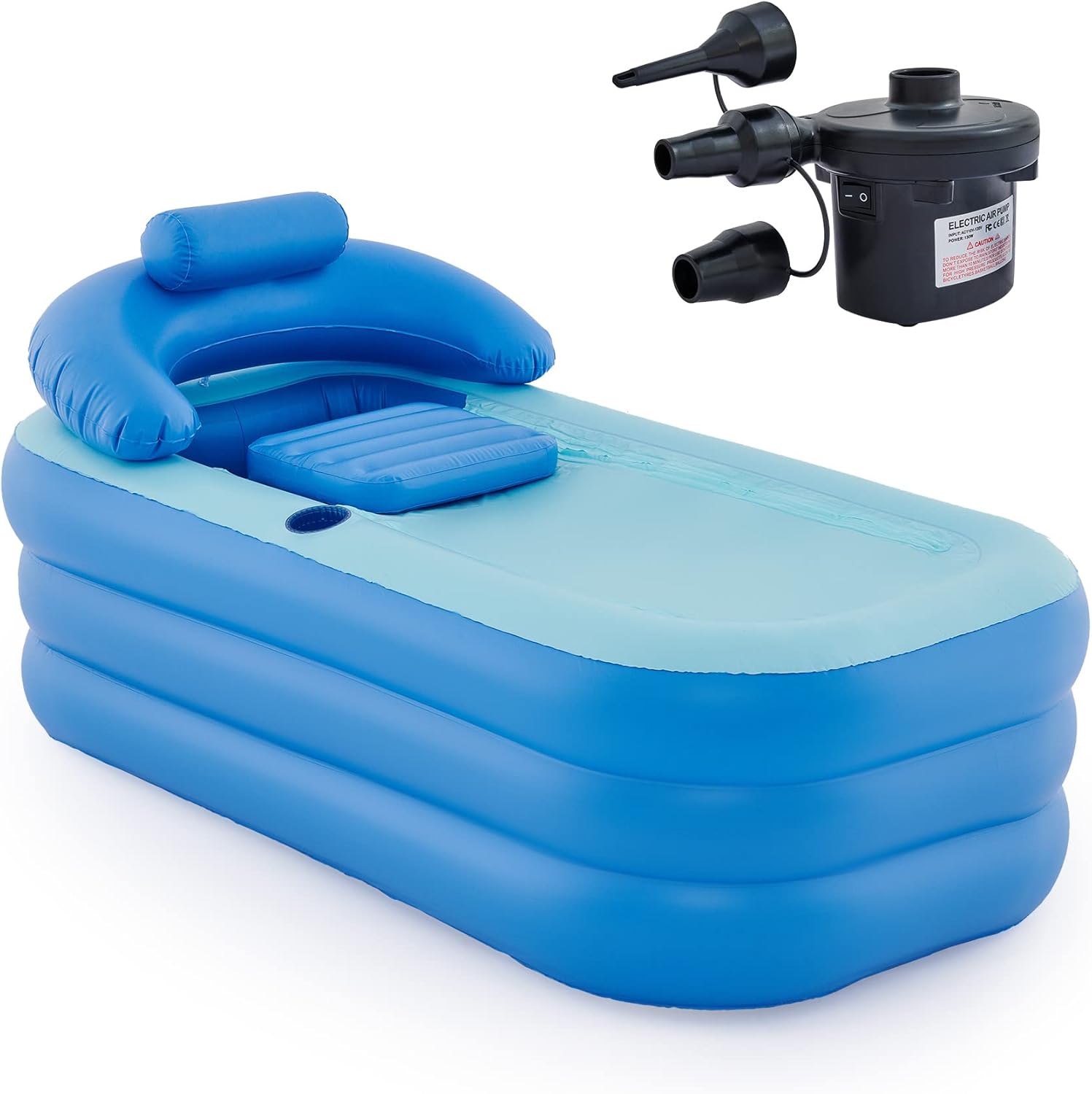
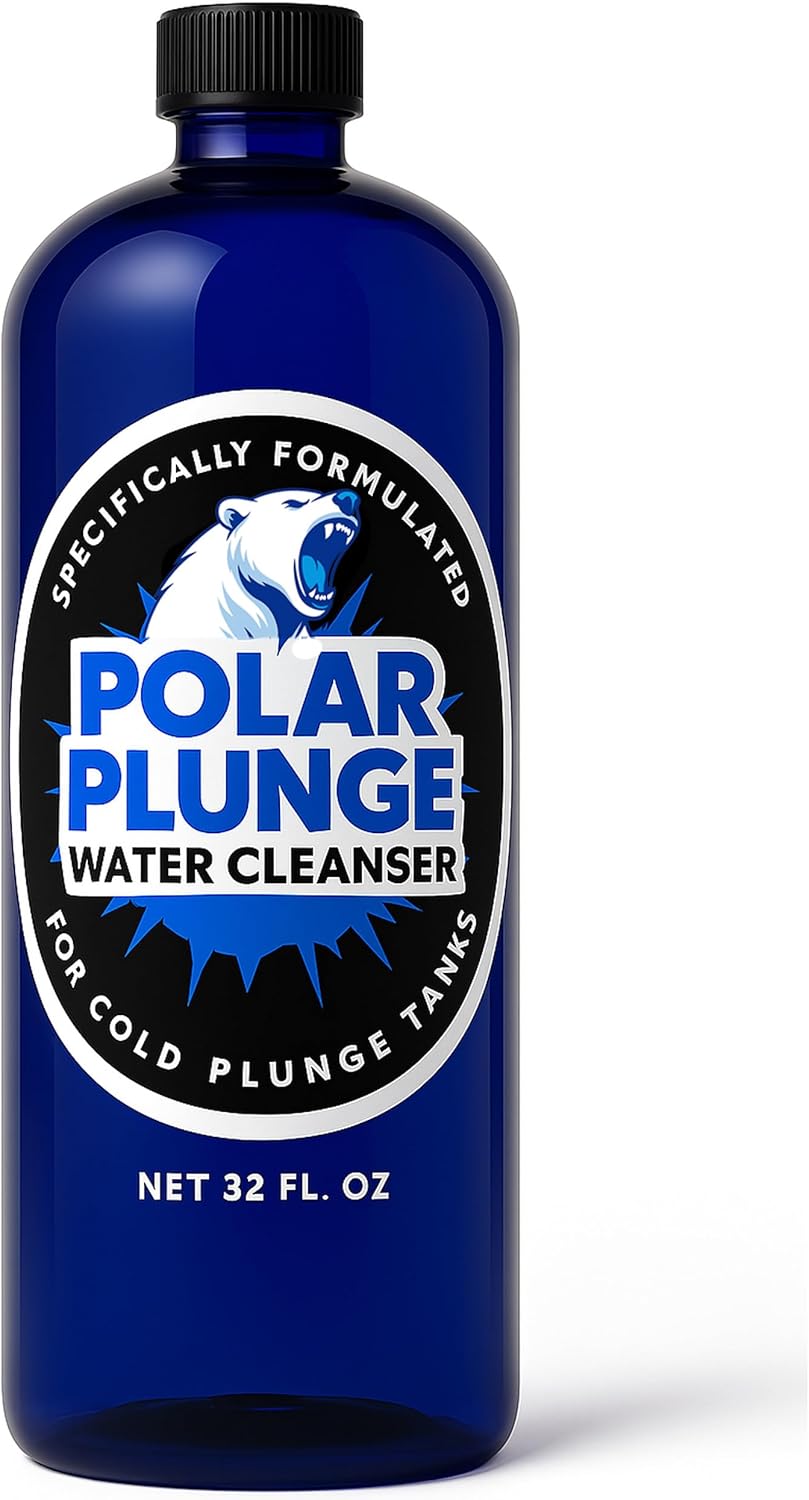
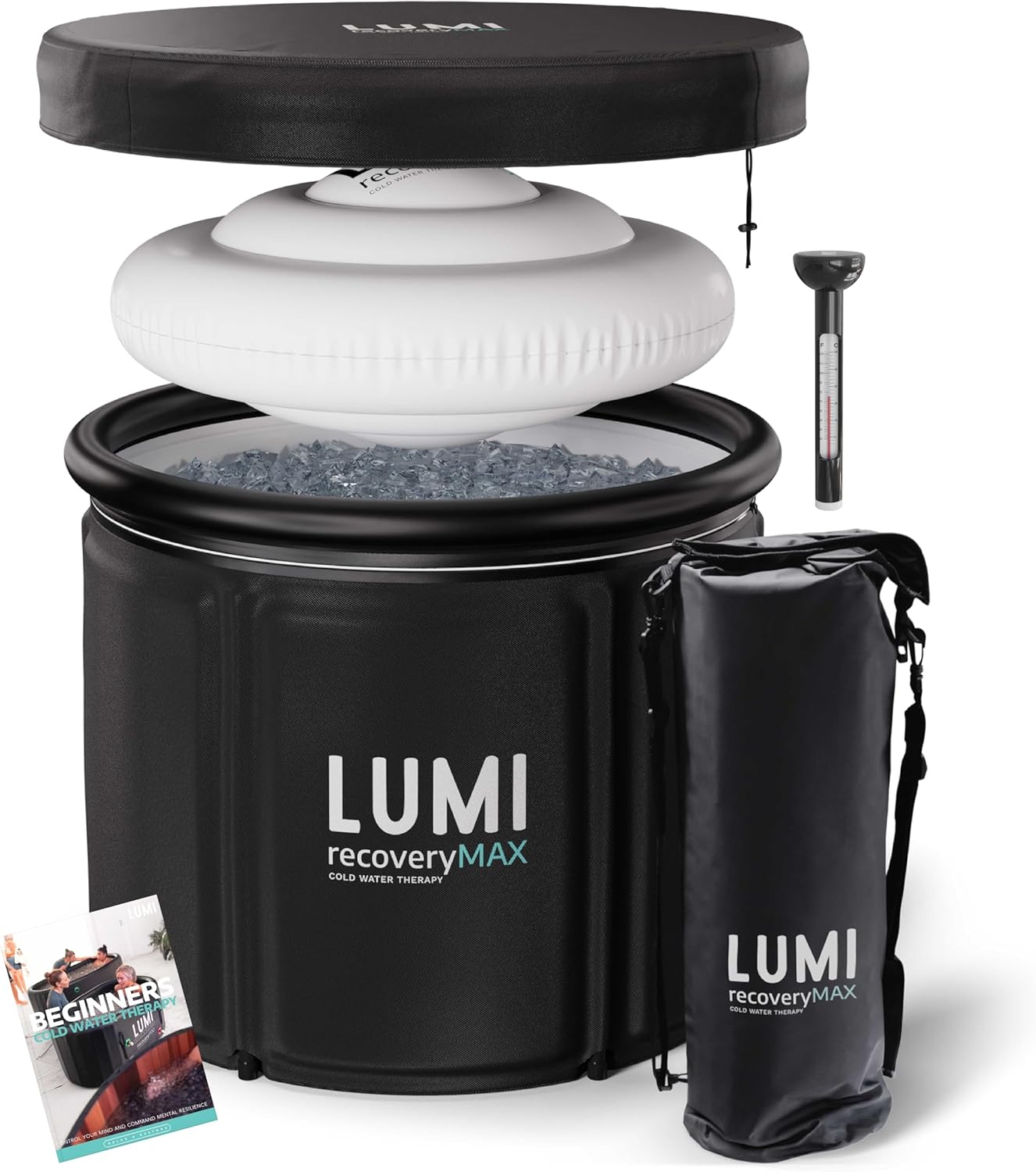
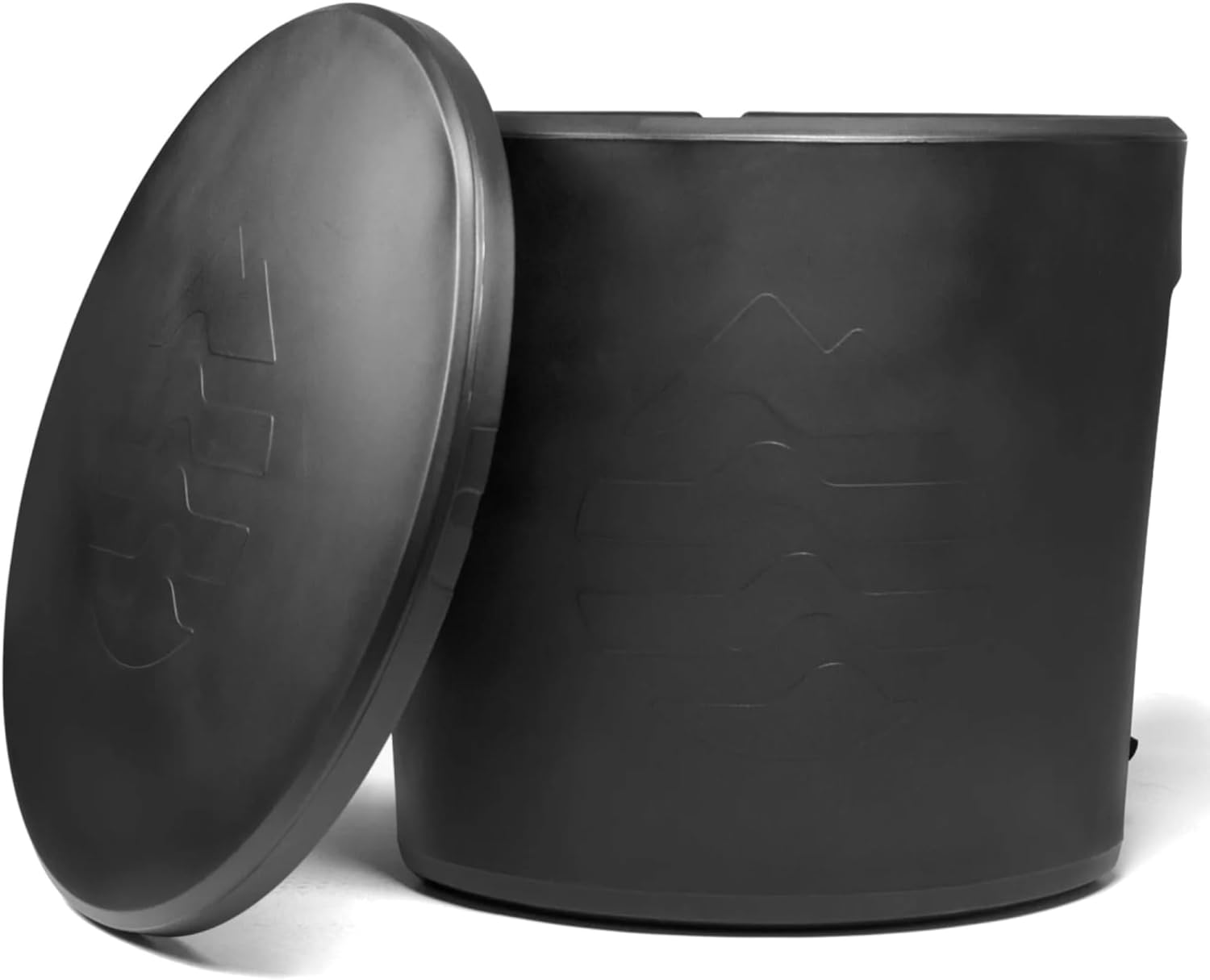
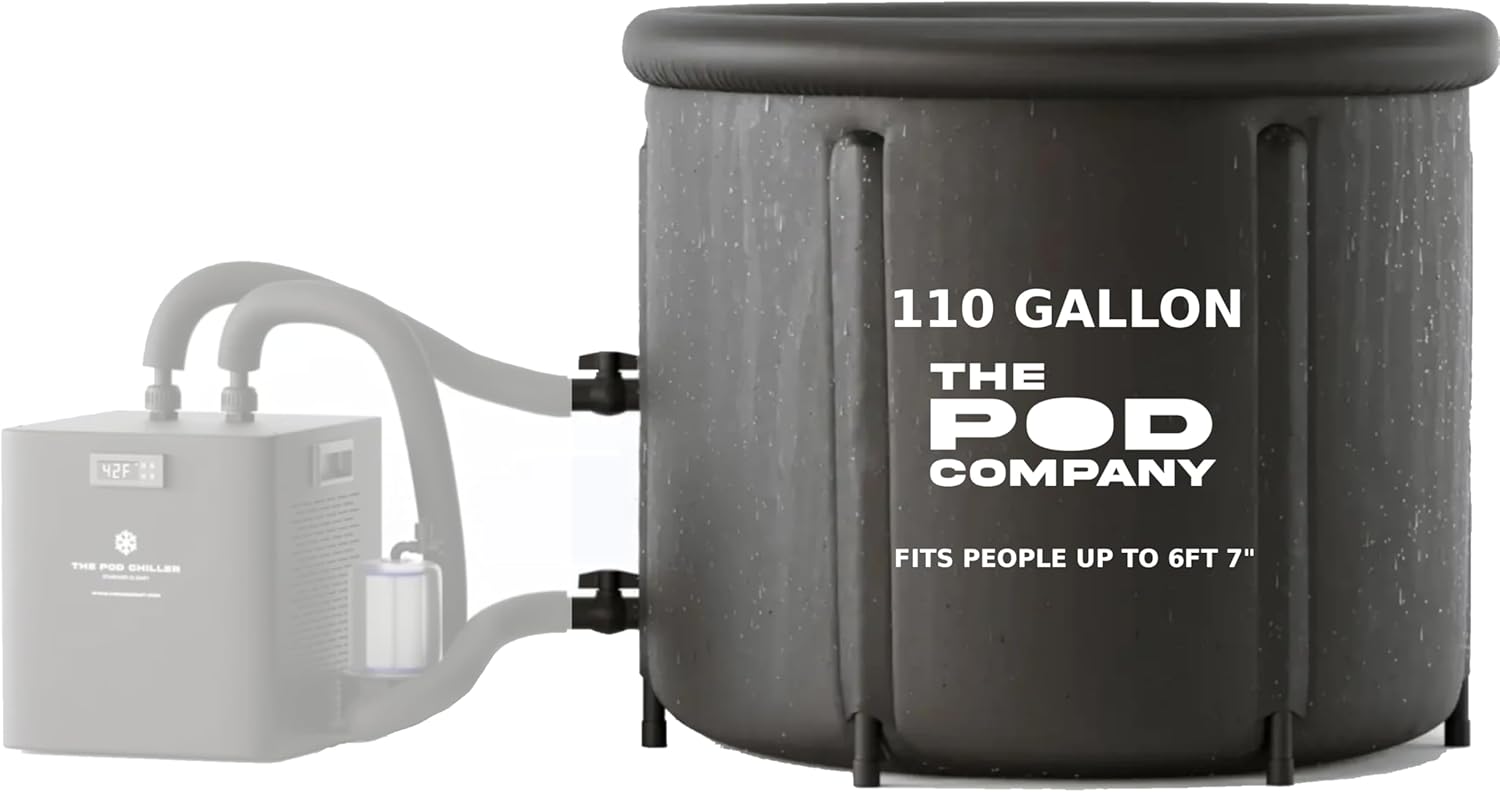
Some van lifers still want full-body submersion. Inflatable barrel-style tubs do exist, but be honest about the tradeoffs:
- Water: Even the smallest barrel needs 30+ gallons. Plan to fill from an outdoor spigot at a campground or rec area—never your fresh tank.
- Setup space: You need a flat exterior pad, which means setting up outside the van. Not a stealth-camping option.
- Drainage: Dump on dirt, never on pavement or near a water source. Some campgrounds prohibit grey-water dumping anywhere on-site.
- Chilling: Without a built-in chiller (which needs serious wattage), you're back to bagged ice—typically 30-50 lbs per plunge.
If you're committed to a full plunge, consider a DIY chest-freezer plunge build mounted in a fixed location and use the van strictly to travel between sessions. For nomadic recovery, targeted cold therapy machines remain the more practical answer.
Setting up cold therapy off-grid: power, ice, and water sourcing
Power
Most cold therapy machines draw 60-90 watts when the pump runs. On a 300Ah lithium house battery, that's roughly 30-40 hours of continuous run time before recharge—far more than you'll use even with three icing sessions per day. A 1000W pure sine inverter handles any of the units above. Some newer models include 12V DC adapters that skip the inverter entirely, saving 10-15% on conversion losses.
Ice
The biggest van life cold therapy problem isn't power or water—it's ice supply. Strategies:
- Carry a small 12V freezer (Iceco, Setpower, or Dometic) and pre-freeze water bottles or silicone ice blocks. Refreezable blocks last longer than cubes in the reservoir.
- Buy 7-lb bags from gas stations on travel days and stash them in the freezer.
- Use reusable PCM (phase-change material) packs designed for medical cold therapy. They drop reservoir temperature without diluting the water, meaning a single 4-quart fill can run multiple sessions.
Water
Reuse the same reservoir water across multiple sessions on the same day—just refresh the ice. Only swap the water when it starts to look cloudy or after sweat or skin contact contamination. This trick alone can keep one gallon of fresh water serving a whole weekend of icing.
Who should skip cold therapy machines and choose a different setup?
Cold therapy machines target joints. They're outstanding for knees, shoulders, ankles, elbows, and lower back. They're not the right tool if your goal is whole-body vagus-nerve stimulation, cortisol regulation, or the classic ice bath mental-health protocol made famous by recovery influencers. For that experience you need full submersion of the torso, and a van isn't the venue. Plan those sessions around lakes, rivers, the Pacific in winter, or scheduled stops at a recovery studio. For everything injury and inflammation-related, the recirculating machines above carry their weight in a build where every gallon counts.
For broader buying guides see our budget cold plunge picks under $500 and our cold therapy machine vs ice bath comparison.
Frequently Asked Questions
How much water do portable cold plunge tubs for van life actually need?
Full-immersion inflatable barrels need 30-50 gallons, which is impractical for most van builds. Recirculating cold therapy machines need only 1-4 gallons per fill, and that same fill can serve multiple sessions if you swap ice between uses. For 95% of van lifers, the recirculating option is the only realistic choice given typical 20-40 gallon onboard fresh water capacities.
Can I run a cold therapy machine off a solar setup with no shore power?
Yes. The units listed above draw 60-90 watts. On a 300W solar array with a 200Ah lithium battery, you can run three 20-minute sessions per day indefinitely, even with partial sun. Use a pure sine inverter, and prefer machines with DC input if your build is fully 12V to skip the inversion losses entirely.
What's the best way to keep ice frozen longer in a hot van?
Insulate the reservoir externally with a neoprene sleeve or reflective bubble wrap. Pre-chill the water before adding ice. Use refreezable PCM blocks instead of cubed ice—they last 2-3x longer. Park in shade or run vent fans during midday. A small 12V freezer (under 50W) pays for itself in ice savings within a few weeks of full-time travel.
Do these machines work for full-body cold plunging or just specific joints?
Cold therapy machines circulate cold water through a wrap that targets a single joint at a time. They are not full-body plunges. For full immersion in a van life context, plan around natural cold water (lakes, ocean, mountain streams) rather than carrying a tub. Pair the targeted machine for daily recovery with occasional natural plunges for full-body benefits.
How cold do recirculating cold therapy machines actually get?
With a full ice load, most machines deliver pad temperatures between 37°F and 45°F—comparable to a proper ice bath. They hold that temperature for 4-6 hours per ice fill. That's colder than what most surgeons require for post-op icing and well within the range for inflammation control and recovery use.
Will a cold therapy machine drain my van's house battery overnight?
No. A 90W machine running an automatic 20-on/40-off cycle averages about 30W actual draw. Over 8 hours that's roughly 240Wh—about 20Ah from a 12V battery. Even modest house battery banks (100Ah lithium) handle a full night of programmed icing with capacity to spare for fridge and lighting.
Can I use lake or river water instead of fresh tank water in the reservoir?
Technically yes, since the water never touches your body directly—it circulates through a sealed pad. But sand, silt, and organic matter will clog the pump and shorten machine life. If you do use natural water, run it through a coffee filter or fine mesh first, and flush the system with clean water at the end of every trip.
Key Takeaways
- Choosing the right portable cold plunge tubs for van life means matching capacity and output ports to your actual devices
- Always check actual watt-hours (Wh), not just watts — runtime depends on Wh, not peak output
- Also covers: van life cold plunge low water
- Also covers: compact cold plunge for vandwellers
- Also covers: cold immersion off-grid van
- Compare price-per-Wh across models to find the best value for your budget