Searching for cold plunge tubs for pregnant women in your second or third trimester? Here is the honest answer most articles bury: leading obstetric guidance in 2026 still cautions against full-body cold water immersion during pregnancy, particularly past week 14. The combination of vasoconstriction, blood pressure shifts, and uterine response is not well studied, and major OB-GYN organizations have not endorsed cold plunging for expectant mothers. That does not mean you must abandon cold therapy entirely. Localized cold therapy machines—targeting a swollen knee, sore shoulder, sciatic hip, or carpal tunnel flare—deliver many of the recovery benefits without the systemic risks of submersion.
Below, we walk through what current guidance says about cold plunge tubs for pregnant women, when full immersion is generally discouraged, and the localized cold therapy units that midwives and prenatal physical therapists more commonly green-light in 2026. Every product listed is a targeted ice-circulation machine—not a tub—because that is what the evidence and most clinicians support for pregnant clients in the second and third trimester.
Why most clinicians steer pregnant clients away from full cold plunge tubs
Cold plunge tubs in the 38°F to 50°F range trigger an intense systemic response: catecholamine spikes, peripheral vasoconstriction, transient blood pressure elevation, and shivering thermogenesis. In a non-pregnant adult, these responses are part of the appeal. During pregnancy, the picture changes:
- Blood flow redistribution. Vasoconstriction shunts blood toward the core, and the placenta is exquisitely sensitive to maternal hemodynamics. There is no robust human data showing this is safe in trimesters 2 and 3.
- Blood pressure swings. Pregnant women in the second and third trimester already experience cardiovascular adaptations. Cold shock can produce sharp BP changes that are poorly tolerated, especially with preeclampsia risk factors.
- Vagal response and syncope. Cold-water face immersion can trigger a vasovagal reaction. A faint in or near a tub is dangerous in any trimester—doubly so with a third-trimester belly.
- Fall risk. Climbing in and out of a deep, slippery tub with a shifted center of gravity is the single most under-discussed hazard.
This is why we deliberately did not assemble a list of full-immersion cold plunge tubs for pregnant women. Until prospective obstetric data exists, the safer, evidence-aligned move is targeted cold therapy on the specific joint or muscle group that hurts. Talk to your OB or midwife first; the picks below are the kinds of devices many prenatal PTs are comfortable recommending once cleared.
What localized cold therapy actually does during pregnancy
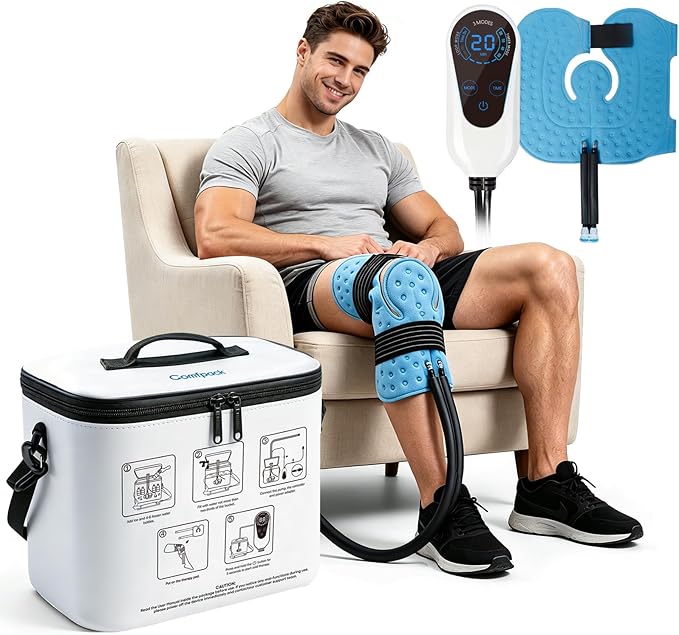
A cold therapy machine circulates chilled water through a wrap or pad placed over one body region—knee, shoulder, low back, ankle, wrist. You stay seated or reclined, your core temperature does not drop, and you can stop instantly. For the pregnancy aches that drove you to search for cold plunging in the first place—pelvic girdle pain, sciatica, swollen ankles, carpal tunnel from fluid retention, plantar fasciitis, an aggravated old knee or shoulder injury—a circulating ice machine is usually a better tool than any tub.
Benefits that translate from cold plunging to localized cold therapy:
- Reduced local inflammation and edema
- Pain relief without NSAIDs (which are restricted in trimesters 2 and 3)
- Faster recovery from prenatal yoga, walking, or PT sessions
- Easier sleep when a specific joint is throbbing
If you want broader recovery context, see our companion guide on cold therapy machines versus traditional ice packs during pregnancy and our walkthrough on when it is safe to return to cold plunging postpartum.
Comparison: localized cold therapy units suitable as a tub alternative
| Model | Reservoir | Best For In Pregnancy | Timer / Controls | Noise Level |
|---|---|---|---|---|
| CF-3 Pro 16.8QT | 16.8 quarts (largest) | Long sessions, multi-area use, third trimester swelling | Programmable timer, temperature adjust | Quiet |
| CF-1 Quiet | Standard (~8 quarts) | Bedside use, night-time knee/shoulder pain | Simple timer | Very quiet |
| ACL/Knee Recovery Unit (B0DK2VFZZW) | Standard | Pre-existing knee injuries aggravated by pregnancy weight gain | Basic | Moderate |
| Portable Programmable Timer Unit (B0FXK3GW9B) | Standard portable | Travel, hospital bag for postpartum, controlled session length | Programmable timer | Moderate |
Top picks for pregnant women who wanted a cold plunge tub
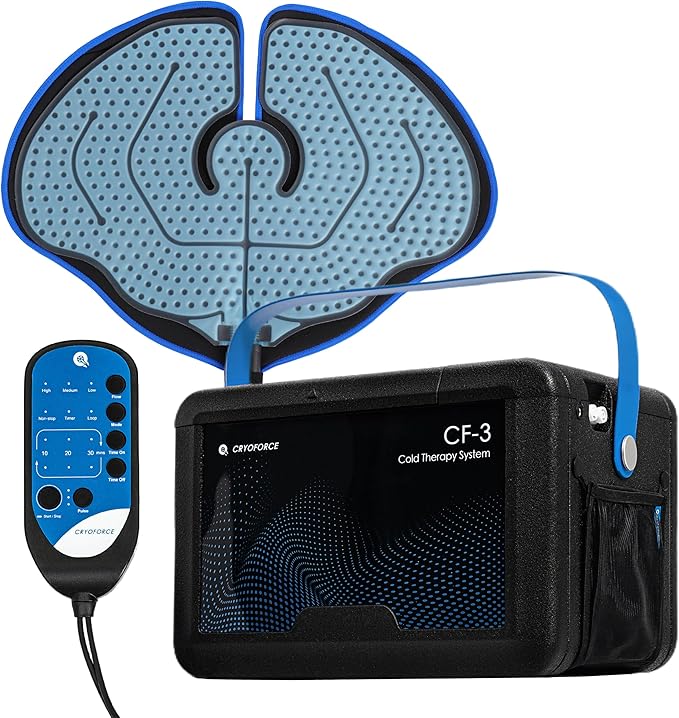
1. CF-3 Pro Cold Therapy Machine, 16.8QT — best overall alternative to a plunge tub
If the appeal of a cold plunge tub was longer, hands-off recovery sessions, the CF-3 Pro is the closest thing you can safely use in trimesters 2 and 3. Its 16.8-quart reservoir holds ice and water long enough for 45 to 90 minute sessions without refilling, which matters when your hips, knees, and ankles are all flaring after a prenatal yoga class. The wrap pads can be repositioned to any single joint per session. Because your core temperature stays stable, you avoid every one of the systemic risks that make full submersion problematic during pregnancy. Pair it with elevation and a wedge pillow for third-trimester ankle edema. See current pricing on Amazon.
2. CF-1 Cold Therapy Machine — quietest bedside option
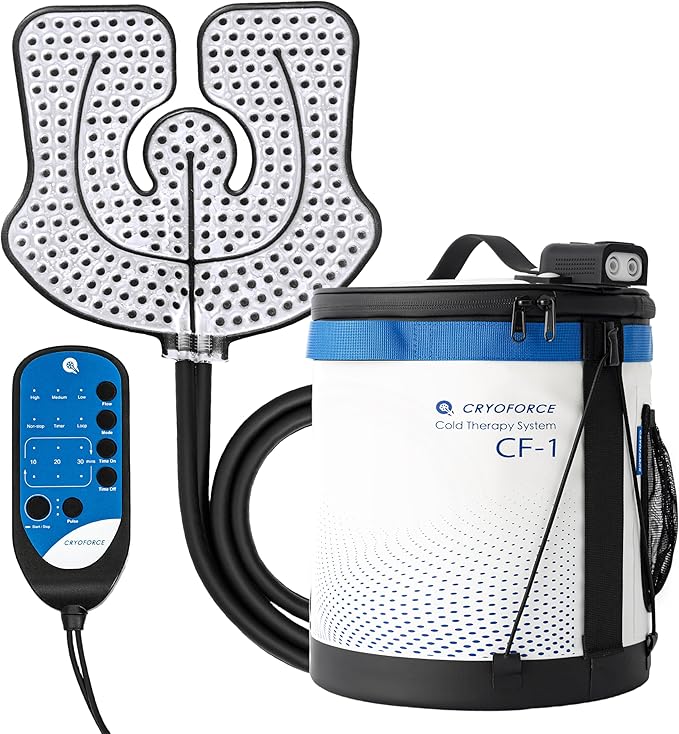
Sleep is already fragile in the third trimester, and a noisy compressor is the last thing you need at 2 a.m. when sciatic pain wakes you. The CF-1 was engineered specifically for quiet operation, and the runtime is generous enough for an overnight session if your PT recommends one. It is our pick for women dealing with nocturnal hip pain, restless legs, or a single problem joint that flares overnight. Lower reservoir volume than the CF-3 Pro, but plenty for one focused area. Check the latest price on Amazon.
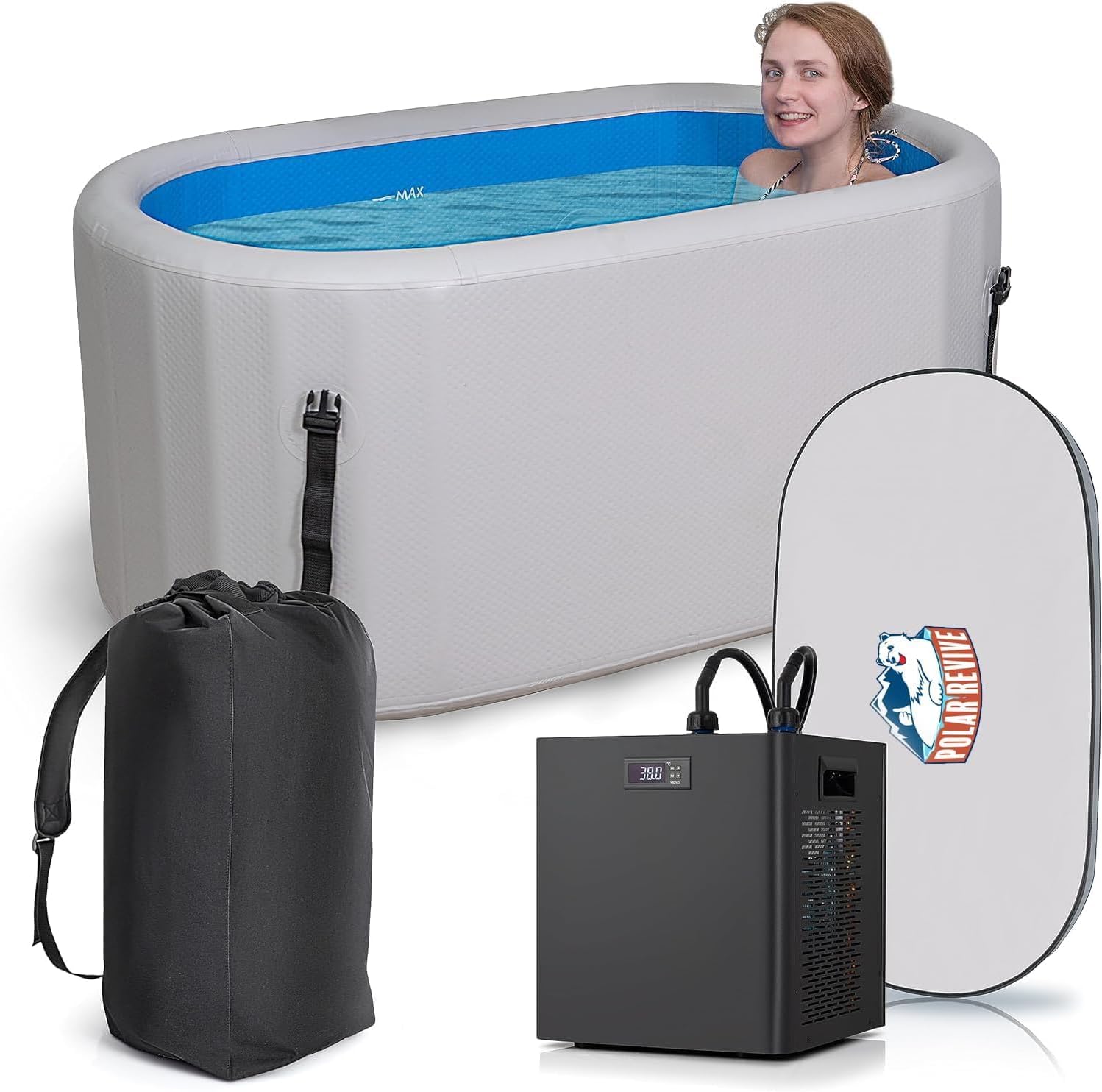
3. Cold Therapy Machine for Knee Surgery / ACL Recovery — for pre-existing joint injuries
Pregnancy weight gain plus relaxin-loosened ligaments can wake up an old ACL repair, meniscus tear, or chronic patellofemoral issue. This unit was built specifically for post-surgical knee recovery, which means the wrap is anatomically shaped for the knee, and the cooling profile is steady and predictable. If your search for cold plunge tubs for pregnant women was really driven by one cranky knee, this is a more targeted tool. View it on Amazon.
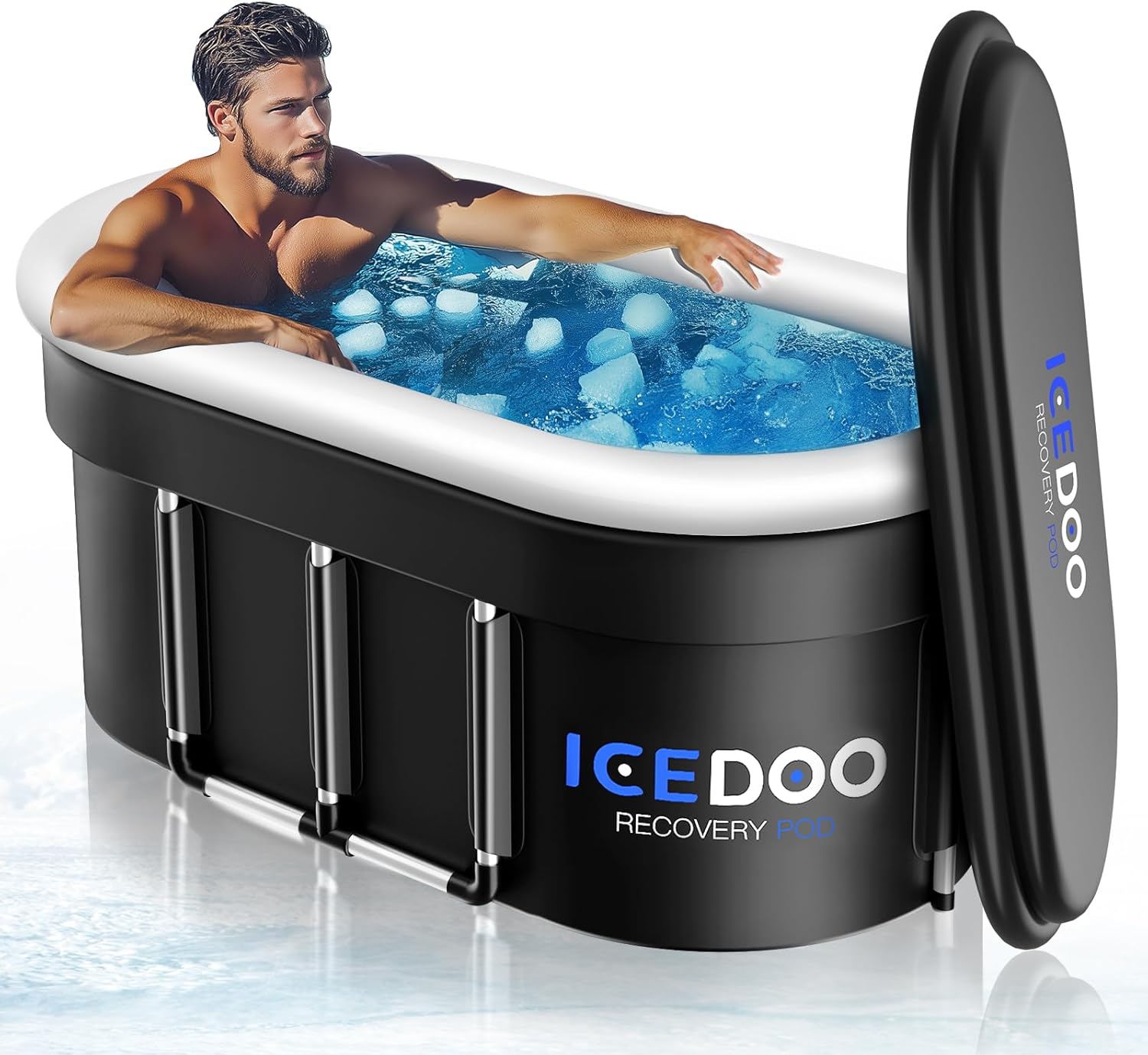
4. Portable Cold Therapy Machine with Programmable Timer — best for travel and hospital bag
The programmable timer is the standout feature here, and it matters more in pregnancy than in any other use case. Twenty-minute auto-shutoff means you can lie back, rest, and not worry about over-icing a region or falling asleep on a pad. The portable form factor also makes it realistic to pack for the hospital, where postpartum perineal and joint recovery often calls for ice on day one. Suitable for trimester two and three knee, shoulder, or low-back use. View the current listing on Amazon.
How to use localized cold therapy safely during pregnancy
- Get clearance first. Always ask your OB, midwife, or prenatal PT before starting any cold therapy regimen, especially if you have a history of Raynaud's, hypertension, preeclampsia, or clotting disorders.
- Cap sessions at 15-20 minutes per area. This is the same guideline used for non-pregnant adults and avoids skin damage. Use the programmable timer if your unit has one.
- Always use the fabric wrap—never bare skin contact. Pregnancy increases skin sensitivity, and you do not want an ice burn.
- Never apply directly to the abdomen. Cold therapy is for peripheral joints and muscles. The belly is off-limits.
- Hydrate and elevate. Especially for ankle and knee edema, elevation plus cold dramatically outperforms cold alone.
- Stop if you feel lightheaded, get a headache, or notice reduced fetal movement. These are uncommon with localized cold therapy but are absolute stop signs.
For a deeper dive on pacing, see our linked guide on how long cold therapy sessions should last by trimester.
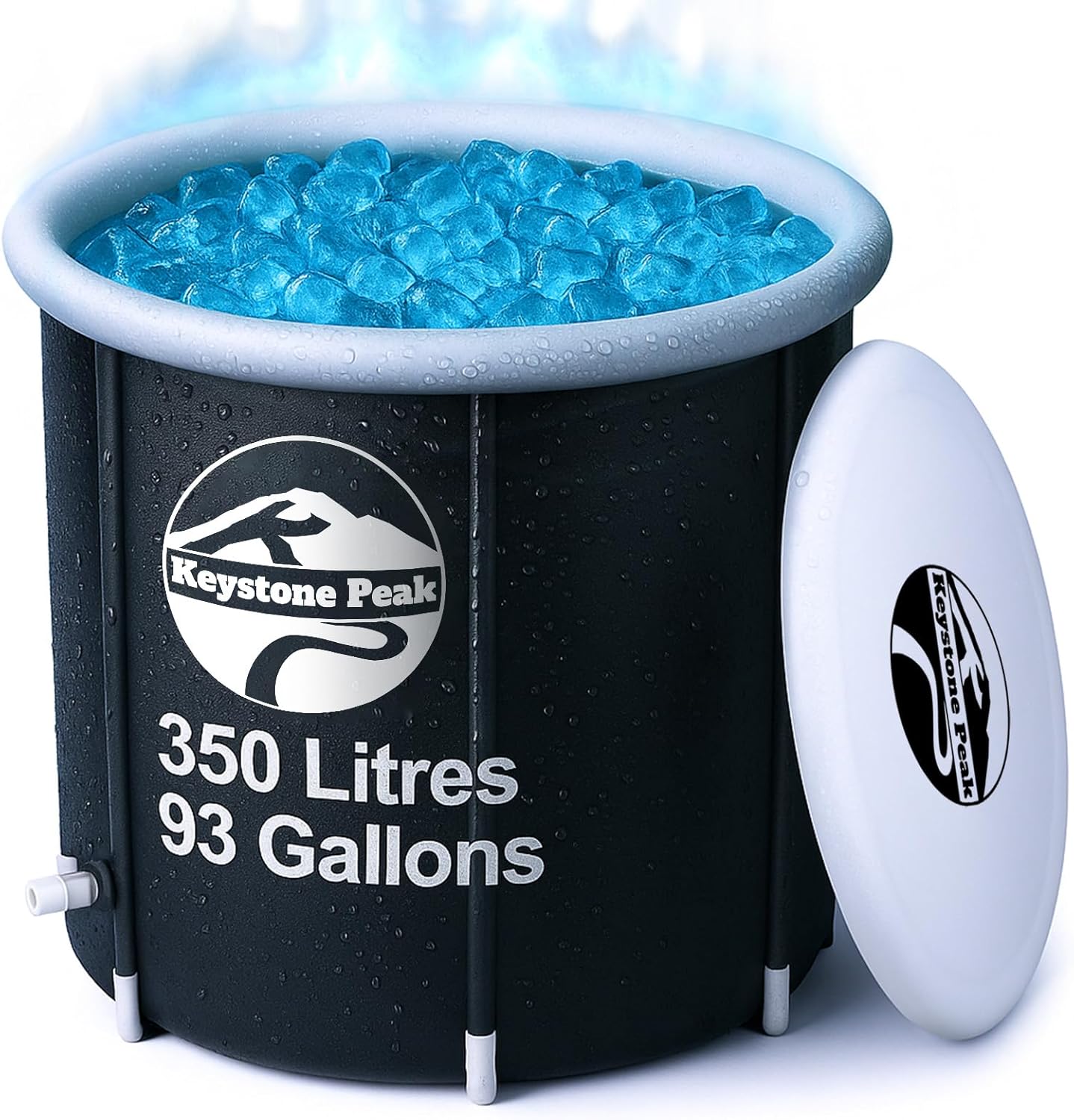
What about cool-water foot soaks or partial baths?
Some prenatal PTs are comfortable with cool (not cold) foot or calf soaks at 60°F to 70°F for swelling, since the surface area immersed is small and the core temperature impact is negligible. This is very different from sitting in a 45°F plunge tub. If you want this option, a basic foot tub and a bag of ice is usually all you need—no specialty cold plunge tubs for pregnant women required, and frankly, no product on the market is specifically validated for that use.
Frequently Asked Questions
Is it safe to use a cold plunge tub in the second trimester?
Most obstetric clinicians in 2026 advise against full-body cold water immersion in the second trimester. The cardiovascular and vasoconstrictive response is not well-studied in pregnancy, and there are no professional society guidelines endorsing it. Localized cold therapy on a specific joint is generally considered a safer alternative once cleared by your provider.
Can cold plunging in the third trimester induce labor?
There is no good evidence that cold plunging induces labor, but the systemic stress response (catecholamine surge, BP changes, possible vagal response) is reason enough for most OBs to discourage it in the third trimester. The bigger practical risk is a fall climbing in or out of the tub with a shifted center of gravity.
What is the safest way to do cold therapy while pregnant?
Localized application using a circulating cold therapy machine on a single peripheral joint—knee, shoulder, ankle, wrist—with a fabric wrap, capped at 15 to 20 minutes per session, with provider clearance. Never apply cold therapy directly to the abdomen.
Are ice baths different from cold plunge tubs during pregnancy?
Functionally, no. Both involve full-body immersion in water cold enough to trigger a systemic cold-shock response, and the same cautions apply. The vessel and temperature, not the marketing label, determine the physiological effect.
Can I use cold therapy for swollen ankles in late pregnancy?
Yes—elevation plus a circulating cold therapy wrap on the ankle or calf is one of the most effective combinations for third-trimester edema. Limit each session to 15-20 minutes per leg and keep the unit's temperature on the higher end of its range.
When can I safely return to cold plunging after giving birth?
Most providers recommend waiting until your postpartum check-up (typically 6 weeks), with longer waits if you had a C-section, perineal tears, or postpartum complications. Cold therapy on specific areas can usually resume sooner with provider guidance. See our postpartum cold plunge recovery timeline for specifics.
Is contrast therapy (hot and cold) safe in pregnancy?
Hot immersion is the bigger concern—core temperatures above 102°F have been linked to neural tube risks, particularly in the first trimester. Most OBs advise against traditional contrast therapy during pregnancy. Stick to localized, moderate cold therapy and skip the hot side.
Bottom line
If you came here looking for the best cold plunge tubs for pregnant women in the second and third trimester, the most honest 2026 answer is: there is not a tub on the market we are willing to recommend for full-body submersion during pregnancy, because the obstetric evidence does not yet support it. What we can recommend—after your OB or midwife signs off—is a quality localized cold therapy machine like the CF-3 Pro 16.8QT for longer multi-area sessions, the quiet CF-1 for bedside relief, or a portable programmable unit for hospital and travel use. You get the inflammation and pain benefits that drove you to consider cold plunging in the first place, without the systemic risks that make full immersion a gamble during pregnancy.
Key Takeaways
- Choosing the right cold plunge tubs for pregnant women means matching capacity and output ports to your actual devices
- Always check actual watt-hours (Wh), not just watts — runtime depends on Wh, not peak output
- Also covers: pregnancy safe cold plunge
- Also covers: second trimester ice bath
- Also covers: third trimester cold therapy
- Compare price-per-Wh across models to find the best value for your budget