Finding cold plunge tubs for Ehlers-Danlos syndrome patients with joint instability requires careful consideration of safety, temperature control, and joint-specific support. Unlike standard cold immersion, EDS patients face unique risks: subluxations triggered by cold-induced muscle contraction, autonomic dysfunction (POTS), and impaired thermoregulation. The best cold therapy solutions for hypermobile patients in 2026 are not always full-body plunge tubs — many EDS-aware clinicians now recommend targeted, programmable cold therapy machines that isolate unstable joints without the cardiovascular shock of whole-body immersion. This guide reviews the safest cold therapy systems, compares their features against EDS-specific concerns, and explains when localized cooling beats traditional plunges.
Why Standard Cold Plunge Tubs Can Be Risky for Ehlers-Danlos Patients
Most cold plunge marketing assumes a healthy musculoskeletal baseline. For people living with hypermobile EDS (hEDS), classical EDS, or vascular EDS, that assumption breaks down quickly. Three EDS-specific complications make unmodified immersion problematic, and they are the reason this niche needs its own buying guide.
Subluxation risk during cold shock. When the body hits cold water, muscles contract involuntarily and the diaphragm spasms. In a patient with lax connective tissue, that involuntary contraction can yank an unstable shoulder, hip, or knee out of position. The mechanical act of climbing into a tub also stresses wrists, ankles, and the SI joint — all common dislocation sites in EDS.
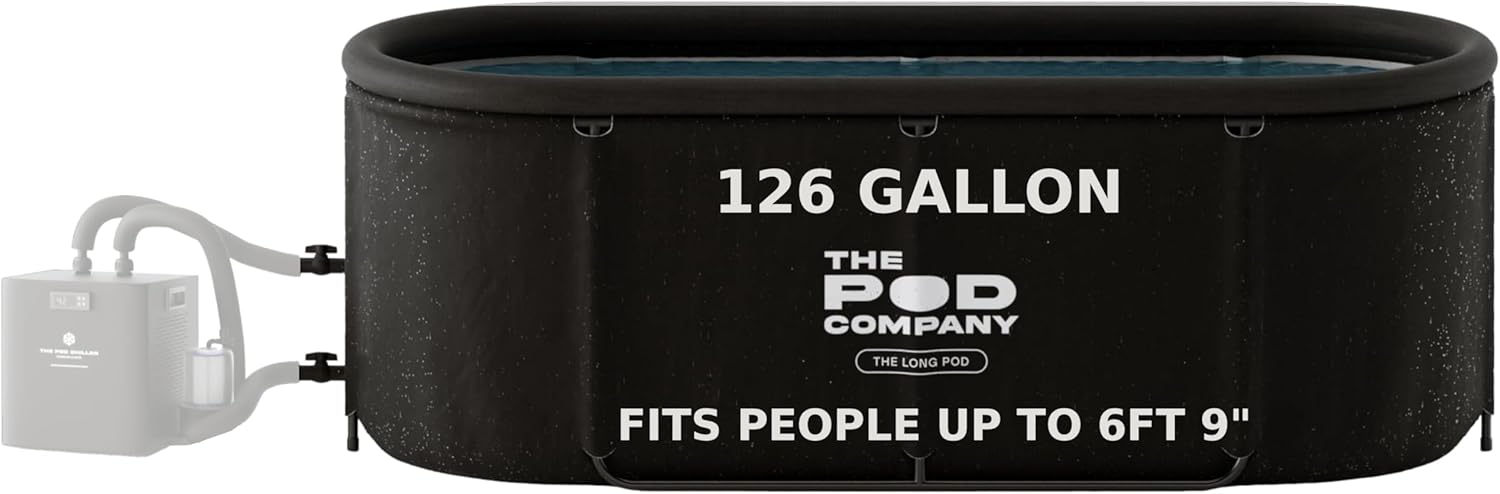
Dysautonomia and POTS overlap. A majority of hEDS patients meet criteria for postural orthostatic tachycardia syndrome. Cold immersion provokes a vagal response and rapid blood pressure shifts that can trigger pre-syncope, especially during the stand-up phase exiting the tub. Combined with hypermobile ankles, that’s a fall risk.
Thermoregulation impairment. Faulty connective tissue affects vascular tone, so EDS patients often warm and cool inefficiently. Prolonged whole-body cold exposure can cause rebound chills and prolonged shivering, which itself stresses unstable joints for hours afterward.
For these reasons, many EDS physical therapists and rheumatologists now suggest targeted, machine-delivered cold therapy rather than full immersion. A circulating ice pad strapped to a single joint delivers the anti-inflammatory benefits without the cardiovascular load. See our companion piece on cold therapy protocols for POTS and dysautonomia for dosing-level guidance.
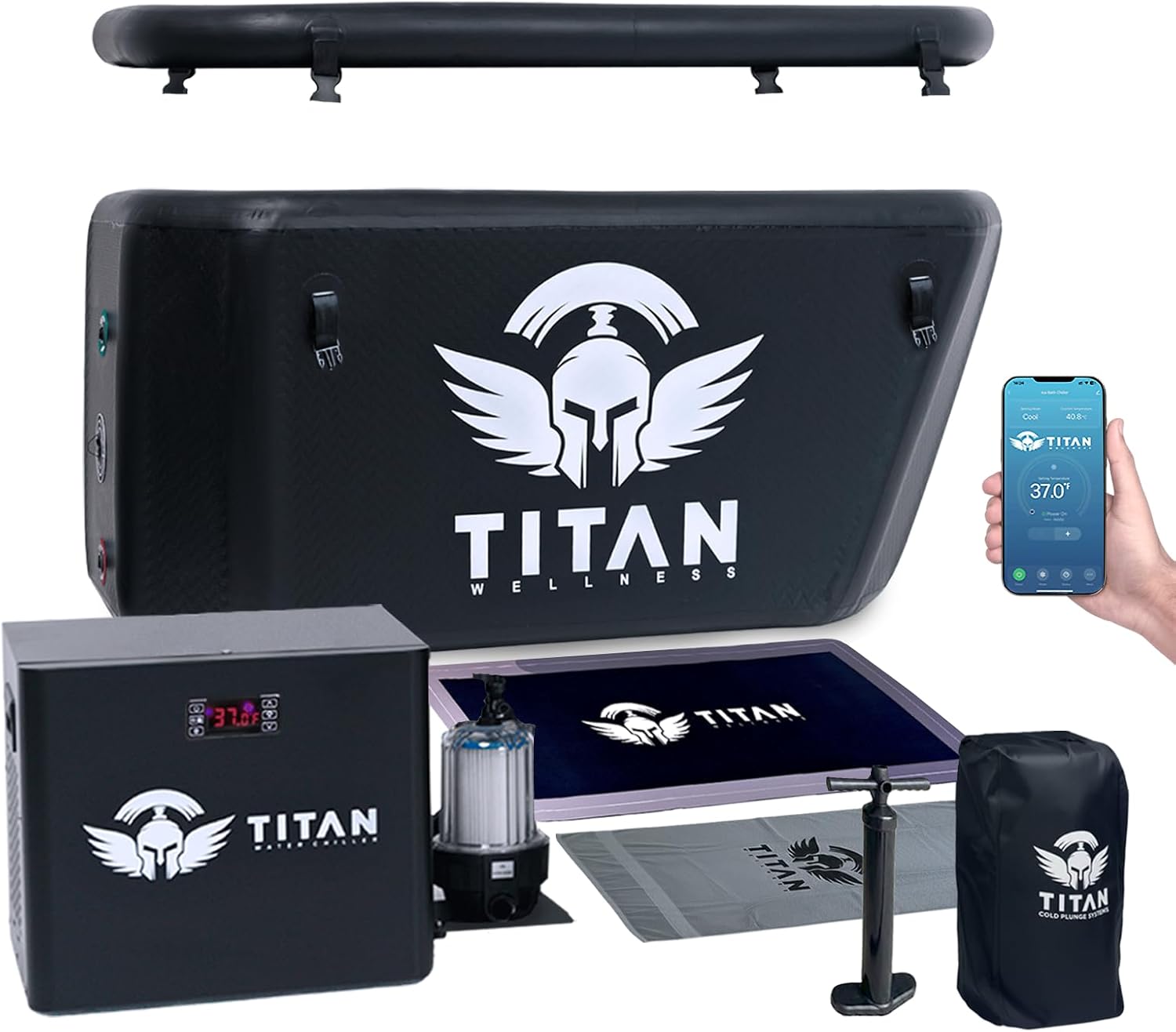
What to Look for in Cold Therapy Equipment for EDS
If you’re shopping for cold plunge tubs for Ehlers-Danlos syndrome management, prioritize these features over raw temperature minimums or marketing claims:
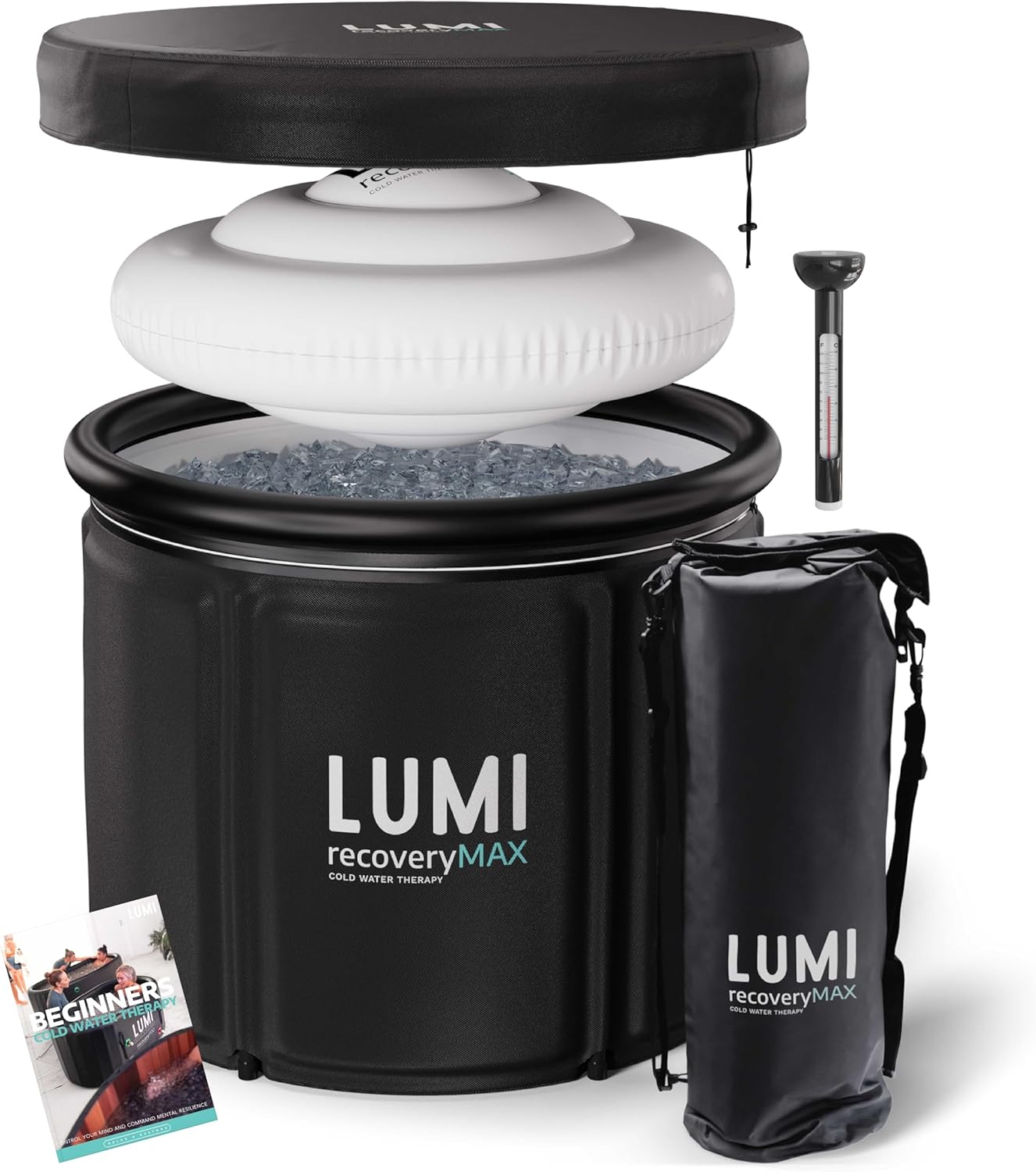
- Programmable timers and auto shut-off. EDS skin is often fragile and prone to mast-cell-related reactions. A timer prevents over-cooling, frostnip, and tissue damage that the patient may not feel due to comorbid small fiber neuropathy.
- Adjustable, moderate temperature ranges. EDS protocols typically use milder cold (45–55°F) to avoid vasospasm and Raynaud’s flares, rather than the aggressive 38–42°F preferred by athletic plunge users.
- Targeted joint pads. Wraps for knee, shoulder, hip, or ankle allow joint-specific therapy without systemic cold stress.
- Quiet compressor operation. Many EDS patients have comorbid mast cell activation or sensory hypersensitivity; loud machines are a barrier to consistent daily use.
- No-lift, bedside design. The unit should sit beside a couch or bed, eliminating the lift-and-transfer movements that destabilize joints.
- Large reservoir capacity. Bigger ice tanks mean fewer mid-session refills, which matters when standing up is itself a risk.
Comparison: Best Cold Therapy Machines for EDS Joint Instability in 2026
| Model | Reservoir | Best For | Programmable Timer | Noise Level | EDS Suitability |
|---|---|---|---|---|---|
| CF-3 Pro Cold Therapy Machine | 16.8 QT (large) | Multi-joint, knee + shoulder rotation | Yes | Low | Excellent for whole-body joint support |
| CF-1 Cold Therapy Machine | Standard | Single-joint post-surgical use | Yes | Very quiet | Excellent for sensory-sensitive patients |
| Cold Therapy Machine for ACL Recovery | Standard | Knee subluxations and post-op | Basic | Moderate | Strong for knee-dominant instability |
| Portable Cold Therapy Machine | Compact | Travel, bedside, flares | Yes | Low | Best for variable-location use |
Top Cold Therapy Picks for EDS Joint Instability
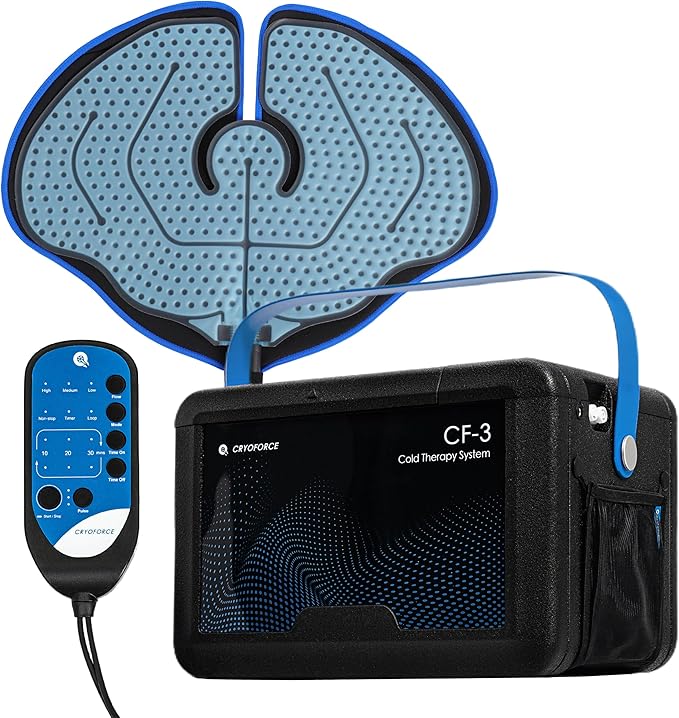
1. CF-3 Pro Cold Therapy Machine — Best Overall for Multi-Joint EDS Patients
EDS rarely affects a single joint. A patient managing a hypermobile shoulder, a subluxing knee, and an unstable SI joint needs equipment that can rotate across body regions without a separate purchase for each. The CF-3 Pro’s 16.8-quart reservoir is the standout feature here: a single ice fill typically runs through an entire 45–60 minute multi-joint rotation session, which means no mid-treatment refilling and no standing-up-while-cold transitions. The included pads are large enough to wrap a shoulder one day and a knee the next, and the unit’s programmable timer supports the short-cycle, low-temperature protocols that EDS clinicians prefer over long, deep-cold exposures. For patients whose flares migrate across joints, this is the most versatile choice in 2026. Check current price on Amazon.
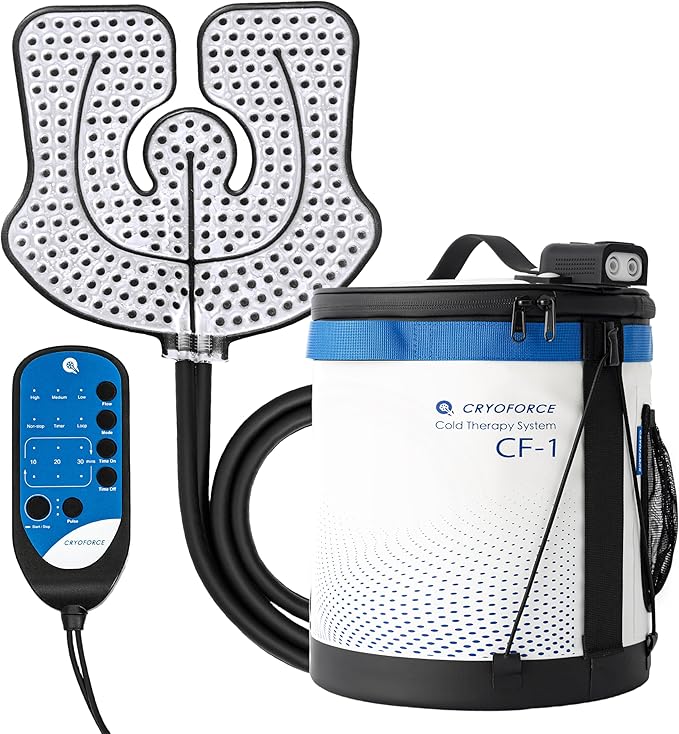
2. CF-1 Cold Therapy Machine — Best Quiet Option for Sensory-Sensitive Patients
Mast cell activation syndrome (MCAS) and sensory processing differences are common comorbidities of Ehlers-Danlos syndrome, and a noisy compressor can be enough to derail daily compliance. The CF-1 is engineered around quiet operation, making it usable at night or during nervous system “crash” days when noise tolerance is low. It’s a single-joint machine rather than a multi-pad system, so it’s best matched to a patient with one dominant unstable joint — most often a knee after a subluxation or partial dislocation. The included wrap secures with even pressure without overcompressing fragile EDS skin, and the timer prevents the over-cooling that tends to trigger small-fiber neuropathy flares. View on Amazon.
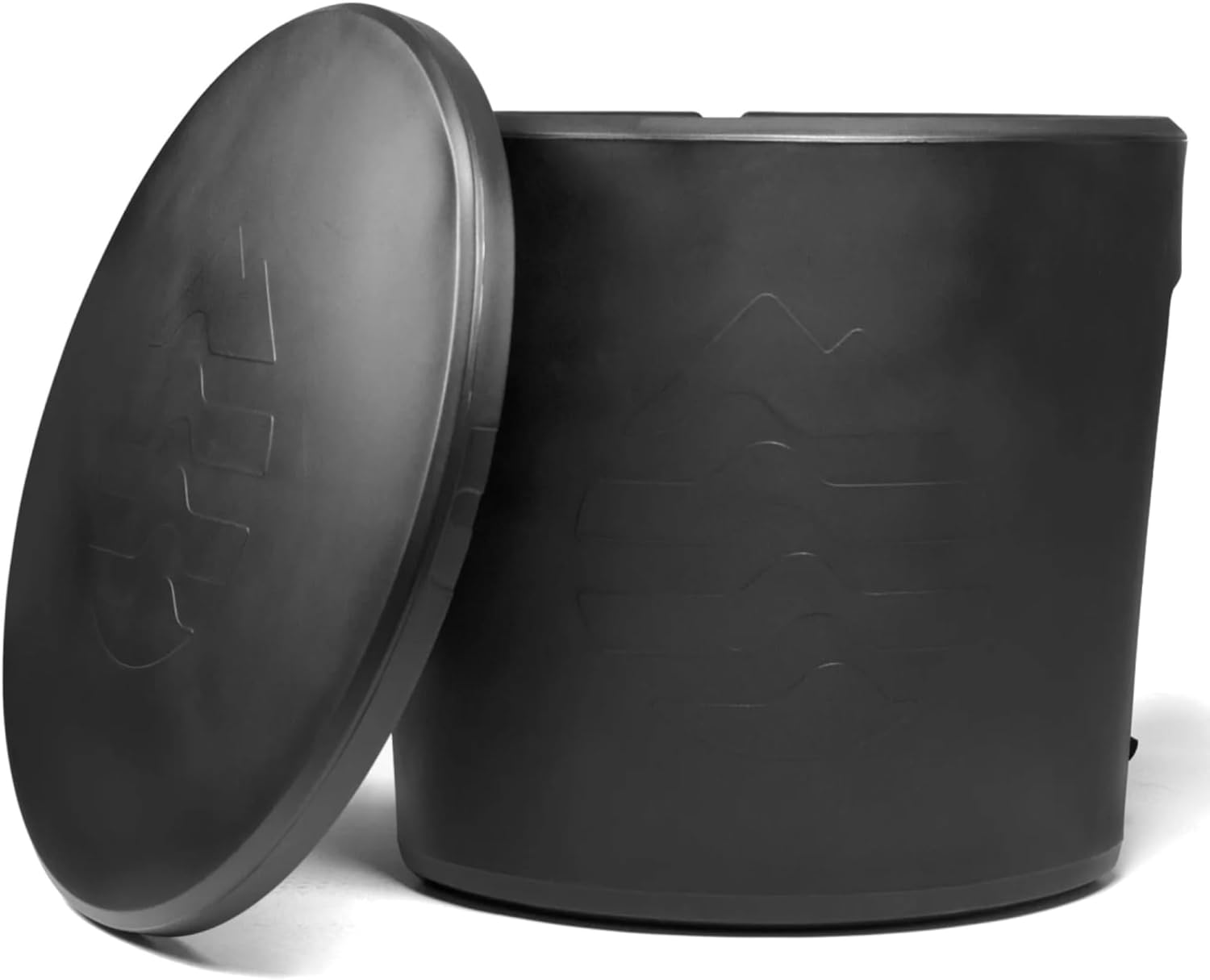
3. Cold Therapy Machine for ACL Recovery — Best for Recurrent Knee Subluxations
EDS patients are disproportionately represented in ACL, MCL, and meniscus injury statistics because lax ligaments offer less rotational protection. Even patients who haven’t had surgery often live in a permanent “post-injury” state with their knees. This unit is designed specifically around knee anatomy and post-surgical protocols, which translates directly to EDS use because the wrap geometry stabilizes the joint while it cools — an underappreciated benefit. The pad is sized for genuine knee coverage rather than a generic squarish pad that slips off during sleep. For patients who track their knee instability as the dominant problem in their EDS picture, this is the most clinically targeted choice on the list. See current price.
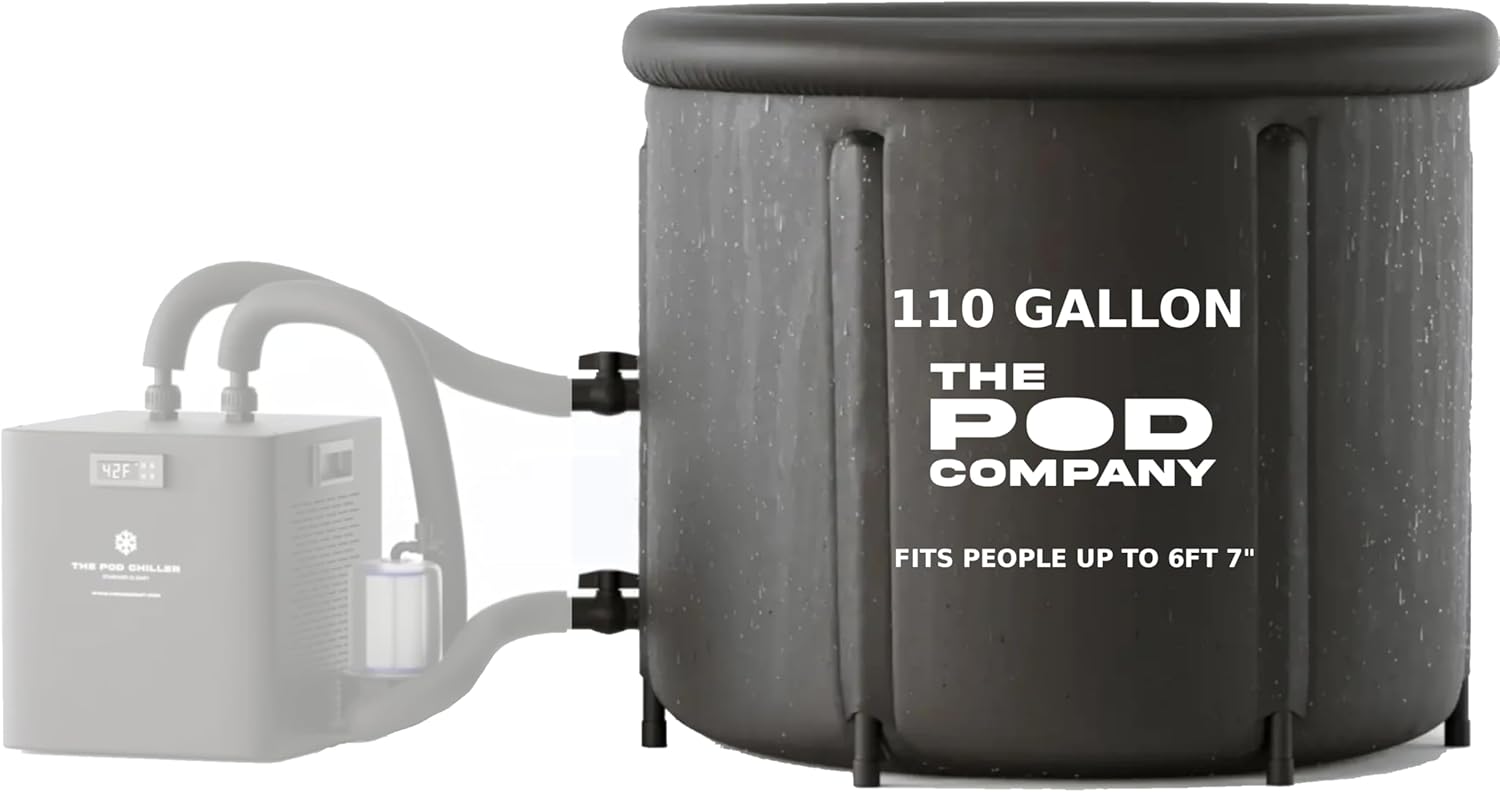
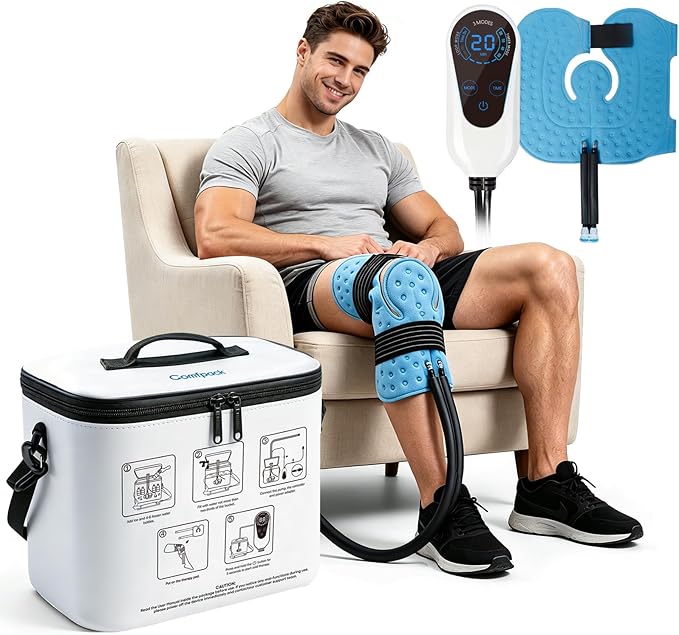
4. Portable Cold Therapy Machine with Programmable Timer — Best for Travel and Bedside Flares
EDS flares don’t respect location. A patient may need cold therapy at home today, in a hotel tomorrow, and at a relative’s house next week. This portable unit is light enough to move between rooms without recruiting help — an important consideration given that lifting heavy objects can itself trigger shoulder or wrist subluxations. The programmable timer is the standout feature for EDS use, allowing the short, repeated cooling bouts (typically 15 minutes on, 30 minutes off) that prevent vasospasm. It’s the practical pick for a patient who needs cold therapy embedded into a real, mobile life rather than tied to a permanent setup. Check Amazon availability.
When a Full Cold Plunge Tub Still Makes Sense for EDS Patients
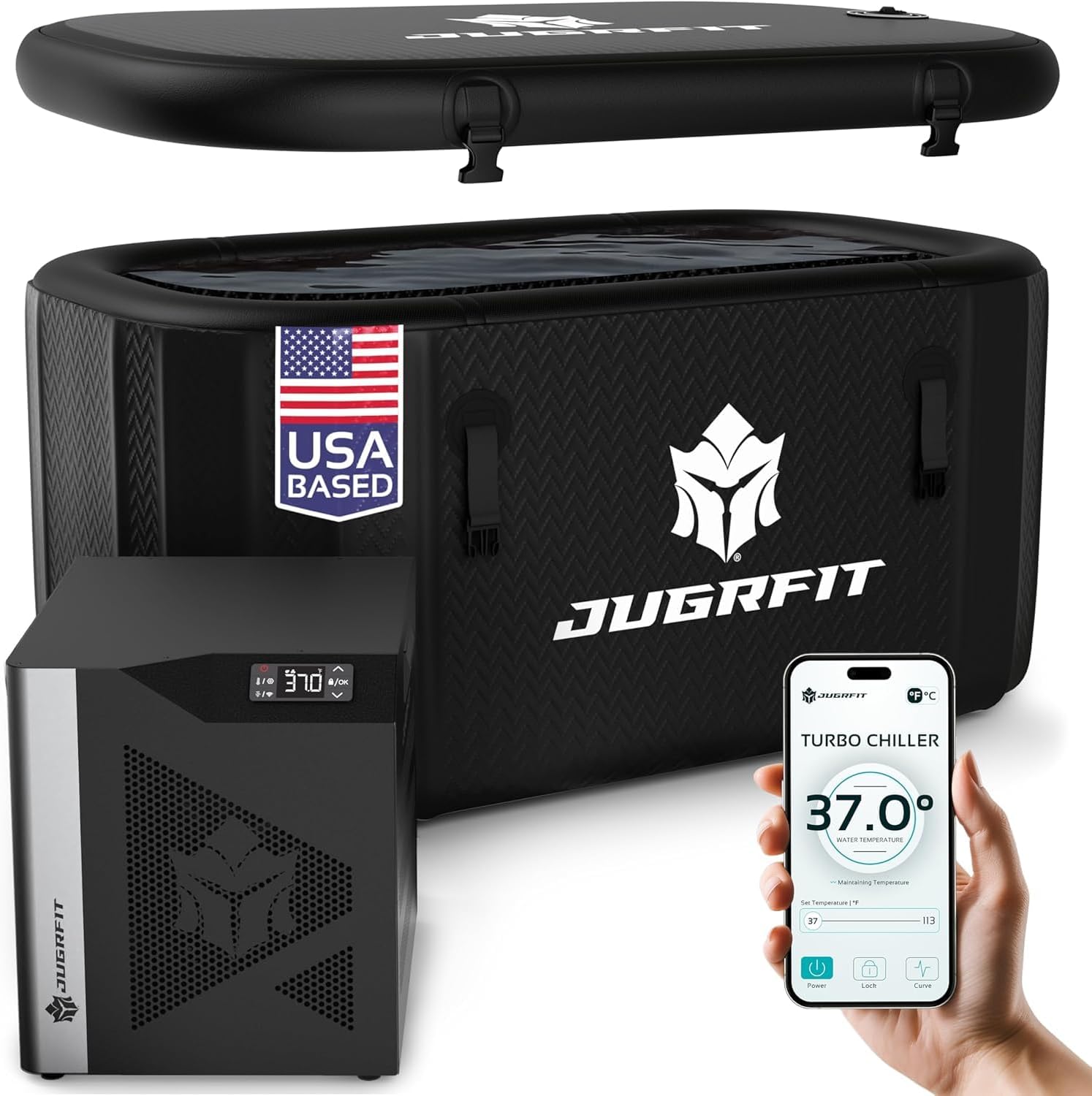
Targeted machines are the safer default, but full immersion isn’t off the table for every patient. EDS patients who are well-controlled, who have no significant POTS component, who have stable joints with mild hypermobility, and who work with a knowledgeable PT can sometimes benefit from short, supervised plunges — particularly for nervous system regulation and inflammation in connective tissue. If you’re in that subset, look for a tub with a sturdy non-slip step, a temperature you can dial up to 50–55°F rather than 38°F, and ideally a partner or caregiver nearby for the exit phase. Our deeper guide to cold plunges for hypermobility syndromes covers entry/exit technique in detail.
Safety Protocol: Using Cold Therapy with EDS in 2026
Whether you choose a targeted machine or a full tub, a few protocol principles reduce risk significantly. Start at higher temperatures (50–55°F) and shorter durations (5–10 minutes) than non-EDS guides recommend. Always have a barrier — a thin towel — between the pad and skin if you have small-fiber neuropathy or numbness, because EDS skin can sustain cold injury without perceived pain. Avoid cold therapy during active dislocations; reduce the joint first, then ice. Watch for Raynaud’s phenomenon (white, blue, then red fingers or toes), and stop immediately if it occurs. And track your sessions: EDS patients often respond unpredictably to interventions that work for the general population, so a simple log of temperature, duration, and next-day joint stability is the most useful diagnostic tool you have.
For broader recovery context, our review of cold therapy tools for chronic pain conditions covers adjacent diagnoses including fibromyalgia and ME/CFS, which overlap heavily with the EDS population.
Frequently Asked Questions
Are cold plunge tubs safe for Ehlers-Danlos syndrome patients?
Standard cold plunge tubs carry real risks for EDS patients due to subluxation potential during cold shock, dysautonomia triggers, and impaired thermoregulation. They can be used safely by well-controlled patients with mild hypermobility, no significant POTS, and supervised entry/exit technique. For most EDS patients, however, targeted cold therapy machines are safer and more sustainable than full immersion in 2026.
What temperature should an Ehlers-Danlos patient use for cold therapy?
Most EDS-knowledgeable clinicians recommend 50–55°F for whole-body work and 45–55°F for targeted joint application. This is significantly warmer than the 38–42°F range that athletic cold plunge culture promotes. Higher temperatures still deliver anti-inflammatory benefit while avoiding vasospasm, Raynaud’s episodes, and excessive vagal response.
Can cold therapy reduce joint pain in hypermobile EDS?
Yes, when applied correctly. Targeted cold therapy reduces local inflammation around chronically stressed joints, which is a major pain driver in hypermobile EDS. The mechanism is most effective for joints that have been subluxed, overused, or are in the days following a flare. Cold therapy does not address the underlying connective tissue laxity, so it is a symptom-management tool rather than a corrective one.
How long should cold therapy sessions last for EDS patients?
Start with 5–10 minute sessions and reassess. EDS patients often respond well to multiple short sessions per day (for example, 10 minutes every 2–3 hours during a flare) rather than a single long session. Sessions over 20 minutes raise the risk of rebound shivering, cold injury on neuropathic skin, and prolonged vasoconstriction.
Are cold plunge tubs for Ehlers-Danlos syndrome covered by insurance?
Full cold plunge tubs are almost never covered. However, medical-grade cold therapy machines prescribed for post-surgical recovery (especially after orthopedic procedures common in EDS, such as ACL reconstruction or shoulder stabilization) are sometimes covered under DME benefits. Ask your orthopedic surgeon or PT to write the prescription with specific diagnostic codes.
What should EDS patients avoid when starting cold therapy?
Avoid jumping into cold water, which spikes the subluxation risk dramatically. Avoid temperatures below 45°F until you know your individual response. Avoid using cold therapy on a joint that is currently subluxed or dislocated — reduce the joint first. Avoid prolonged sessions on areas with numbness or small-fiber neuropathy. And avoid cold immersion within 30 minutes of standing for long periods, since that compounds POTS-related blood pooling.
Do cold therapy machines help with EDS-related fatigue and recovery?
Targeted cold therapy primarily reduces local inflammation and joint pain rather than systemic fatigue. Some EDS patients report improved sleep quality after evening cold therapy sessions, which indirectly helps with daytime fatigue. The systemic recovery and vagal tone benefits associated with full cold plunges are harder for EDS patients to access safely, so for fatigue specifically, gentler interventions like graded exercise and sleep optimization usually outperform aggressive cold exposure.
Key Takeaways
- Choosing the right cold plunge tubs for Ehlers-Danlos syndrome means matching capacity and output ports to your actual devices
- Always check actual watt-hours (Wh), not just watts — runtime depends on Wh, not peak output
- Also covers: EDS-safe cold immersion
- Also covers: cold therapy for hypermobile joints
- Also covers: plunge tubs with grab bars for EDS
- Compare price-per-Wh across models to find the best value for your budget