Finding suitable cold plunge tubs for bariatric patients over 300 pounds in 2026 requires looking beyond standard recovery tanks—most retail plunge units cap at 250–300 lb with seat widths under 24 inches. For users at 300+ lb, the safest options are reinforced commercial-grade tubs with rated capacities of 400–600 lb, oversized inflatable barrel tubs (30+ inch interior diameter), and stock-tank conversions paired with a dedicated chiller. Equally important: many bariatric patients begin their cold therapy journey with localized cold therapy machines that wrap a single joint or surgical site, building cardiovascular tolerance before committing to full-body immersion.
What ‘bariatric-friendly’ actually means for a cold plunge tub
Three specs matter when shopping cold plunge tubs for bariatric patients above 300 lb:
- Static weight rating: Look for a manufacturer-stated capacity of at least 400 lb to allow safe margin above your body weight plus the displaced water mass that pushes back against the tub walls.
- Interior shoulder width: 26–32 inches at shoulder height. Many ‘XL’ tubs widen at the base but pinch at the rim, making entry and exit painful or impossible.
- Seat and step structural support: The internal seat or ledge is usually the failure point. Reinforced fiberglass, marine-grade resin, or welded stainless-steel frames hold up; thin acrylic shells flex and crack at this weight class.
Depth matters less than width for users in this category. A 24-inch internal depth is plenty for chest-deep immersion when seated, and shallower tubs are easier to climb out of safely—an underrated point for anyone with knee or hip pain.
Why many 300+ lb patients start with localized cold therapy first
Bariatric surgery candidates, post-op gastric sleeve patients, and anyone managing knee or hip pain from elevated BMI face a real problem with full-body cold plunges: cardiovascular shock response. Plunging at 50°F triggers sudden vasoconstriction and a blood-pressure spike that is amplified in patients with hypertension, edema, or recent surgery—conditions that overlap heavily with bariatric care. Cardiologists and bariatric surgeons increasingly recommend a stepped approach: localized cold therapy on the surgical site or affected joint for 4–8 weeks, then graduated immersion (legs only, then to waist, then full) as tolerance builds.
For that reason, the products we recommend below are circulating cold therapy machines that target a knee, shoulder, hip, or abdomen—not full plunge tanks. They are also dramatically more affordable, more portable, and far easier to use from a hospital bed or recliner during early recovery. See our cold therapy machine vs ice bath comparison for a fuller breakdown of which approach to start with.
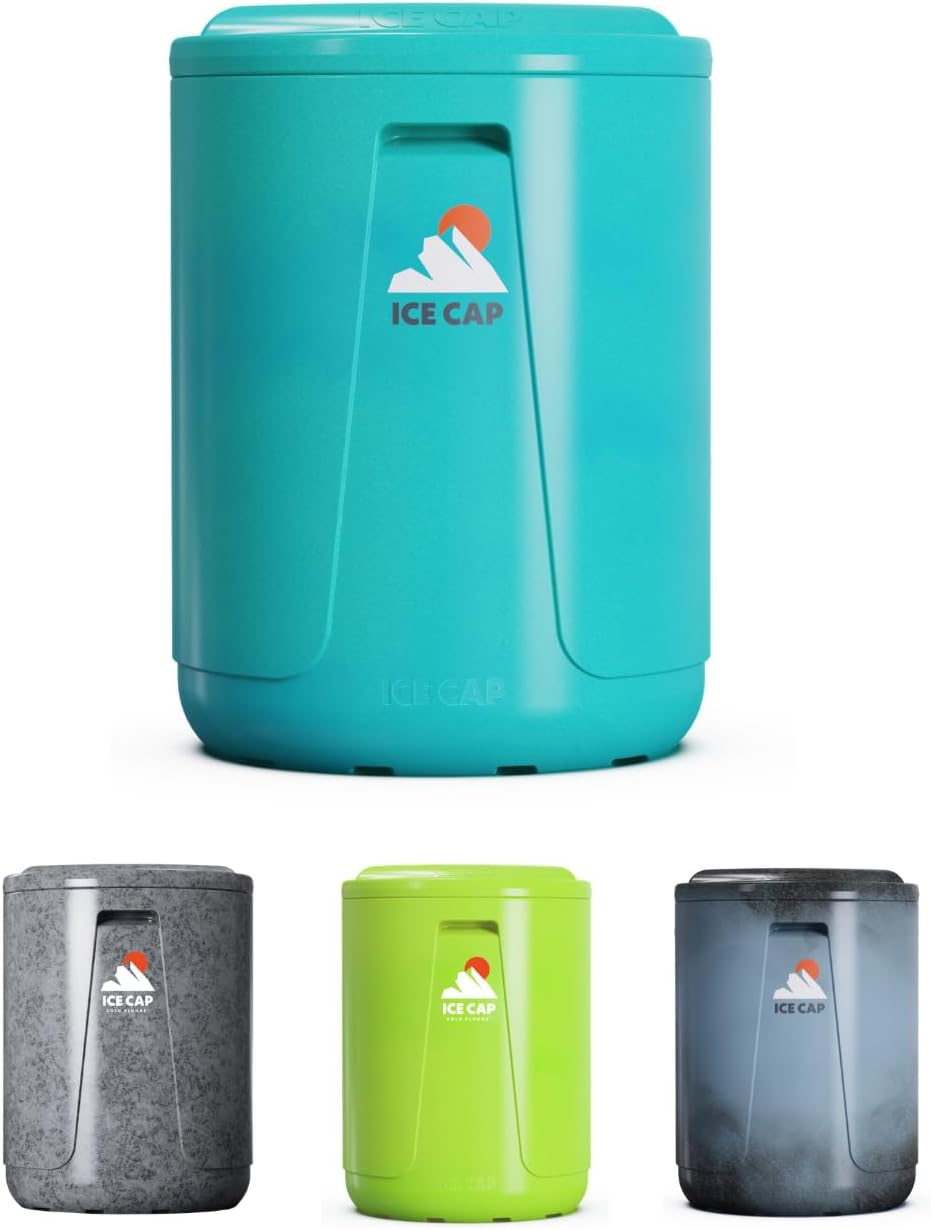
Top cold therapy picks for plus-size and bariatric users in 2026
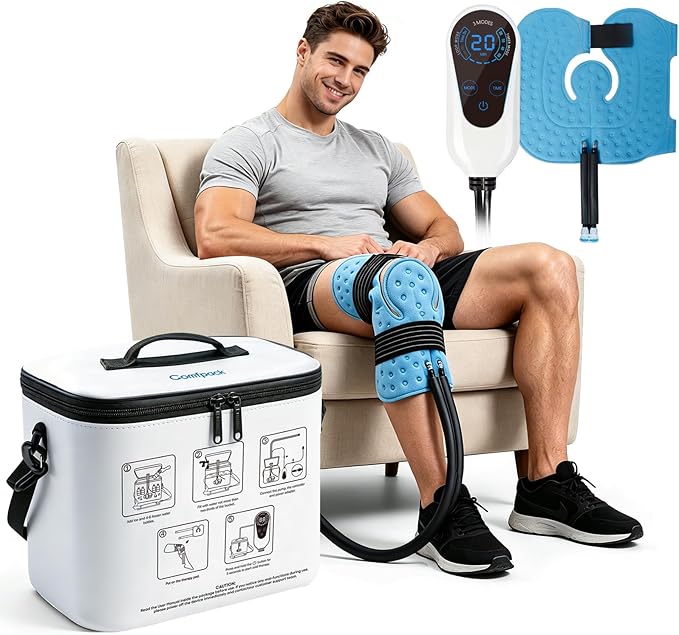
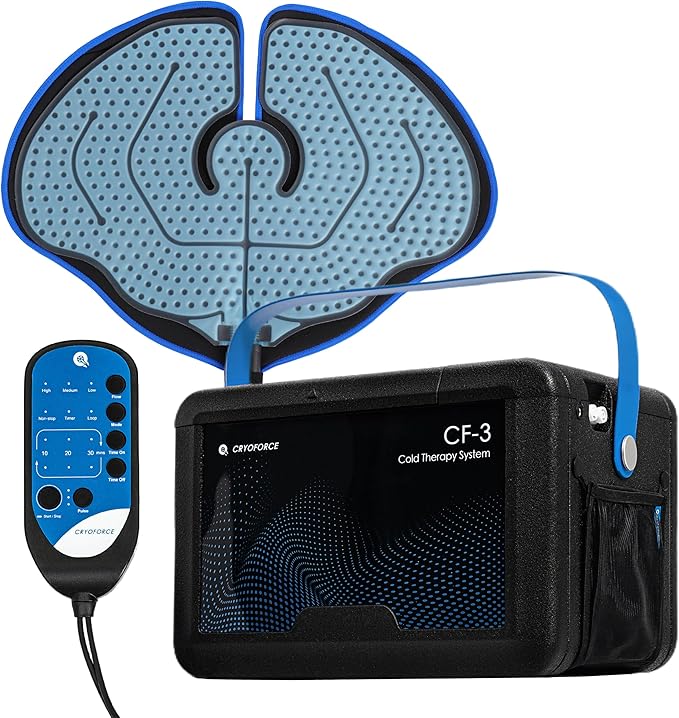
CF-3 Pro 16.8QT — best for larger limbs and dual-joint coverage
The CF-3 Pro stands out for plus-size users because its 16.8-quart reservoir is roughly double the capacity of standard 7–9 quart units. That extra volume means longer continuous cold-water cycles (often 5–6 hours unattended) and—critically—larger wrap pads sized to fit thighs, hips, and shoulders of bariatric patients without restricting circulation. The included Velcro straps extend to fit limb circumferences that smaller machines simply cannot accommodate. Quiet operation around 45 dB makes it suitable for overnight use after a knee replacement, hip revision, or gastric bypass when sleep quality is fragile.
Check current price on Amazon →
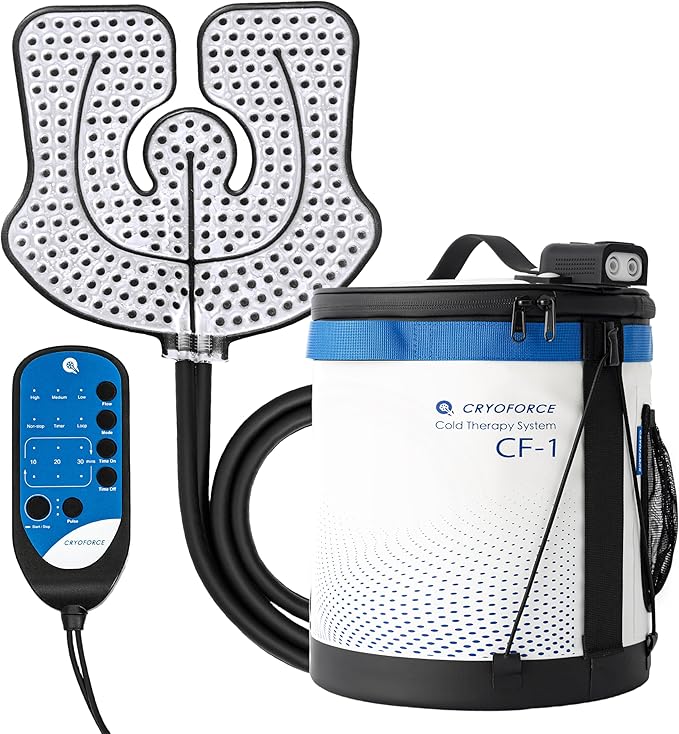
CF-1 Quiet Ice Therapy System — quietest option for post-surgical recovery
The CF-1 trades reservoir size for whisper-quiet operation, which is the right tradeoff for patients recovering in a shared bedroom or in the first 72 hours after surgery. Its programmable timer cycles on and off automatically, preventing the skin damage that constant cold can cause—a real concern for bariatric patients whose skin healing is already compromised by nutritional shifts and tissue changes after surgery. Pair this with the CF-3 Pro for larger surface areas and you have an excellent two-machine setup for whole-body recovery rotations.
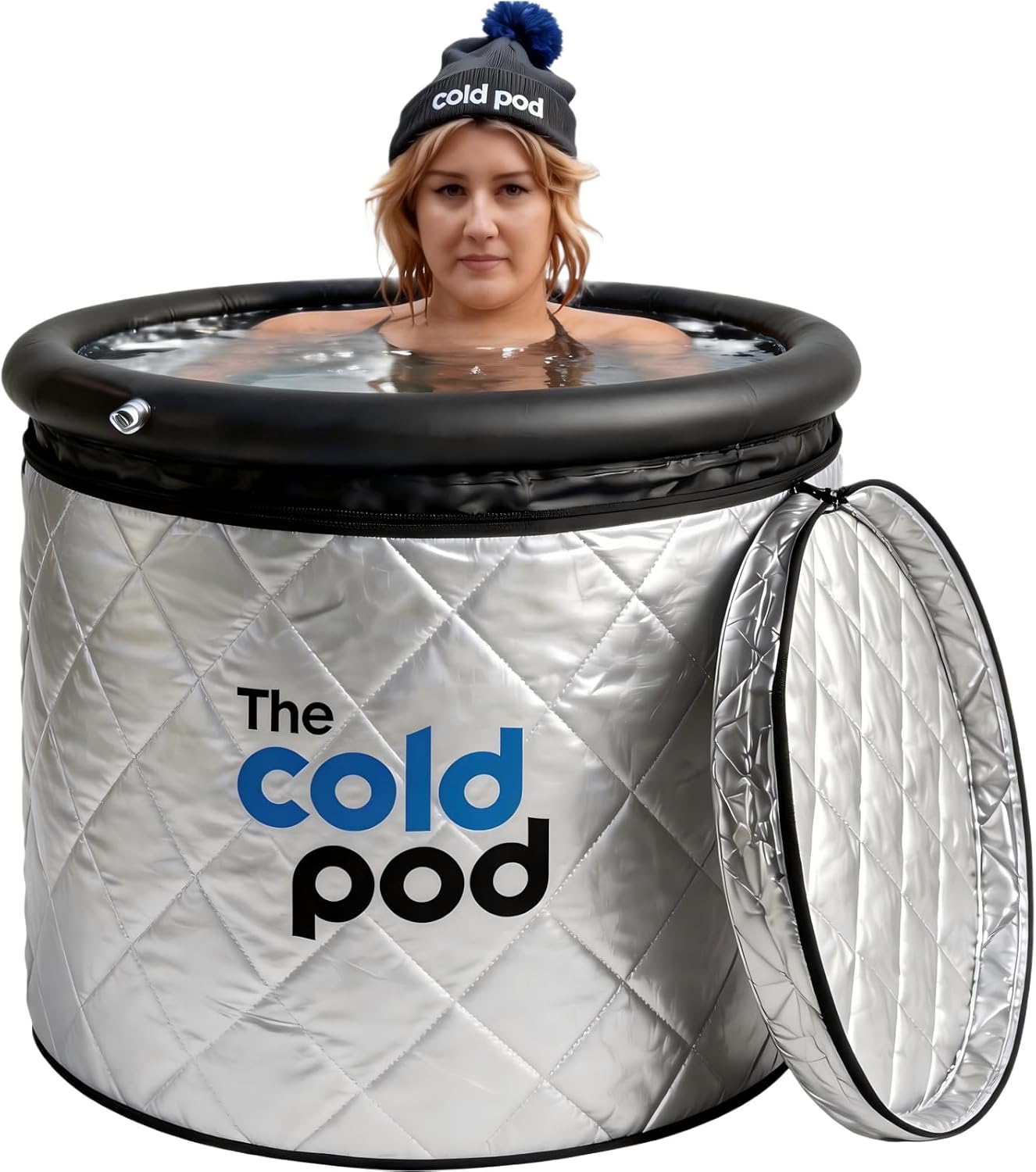
Check current price on Amazon →
Portable Ice Machine with Programmable Timer — most flexible for daily routines
If you are a bariatric patient managing chronic joint pain rather than acute surgical recovery, this portable unit’s programmable timer is its standout feature. Set 15-minute on / 15-minute off cycles throughout a workday and you can wear the wrap under loose clothing while working at a desk. Its compact footprint also makes it more practical for travel and for patients who lack the bathroom or backyard space needed for a full plunge tub. The wrap accommodates limb sizes that smaller surgical-recovery machines do not.
Check current price on Amazon →
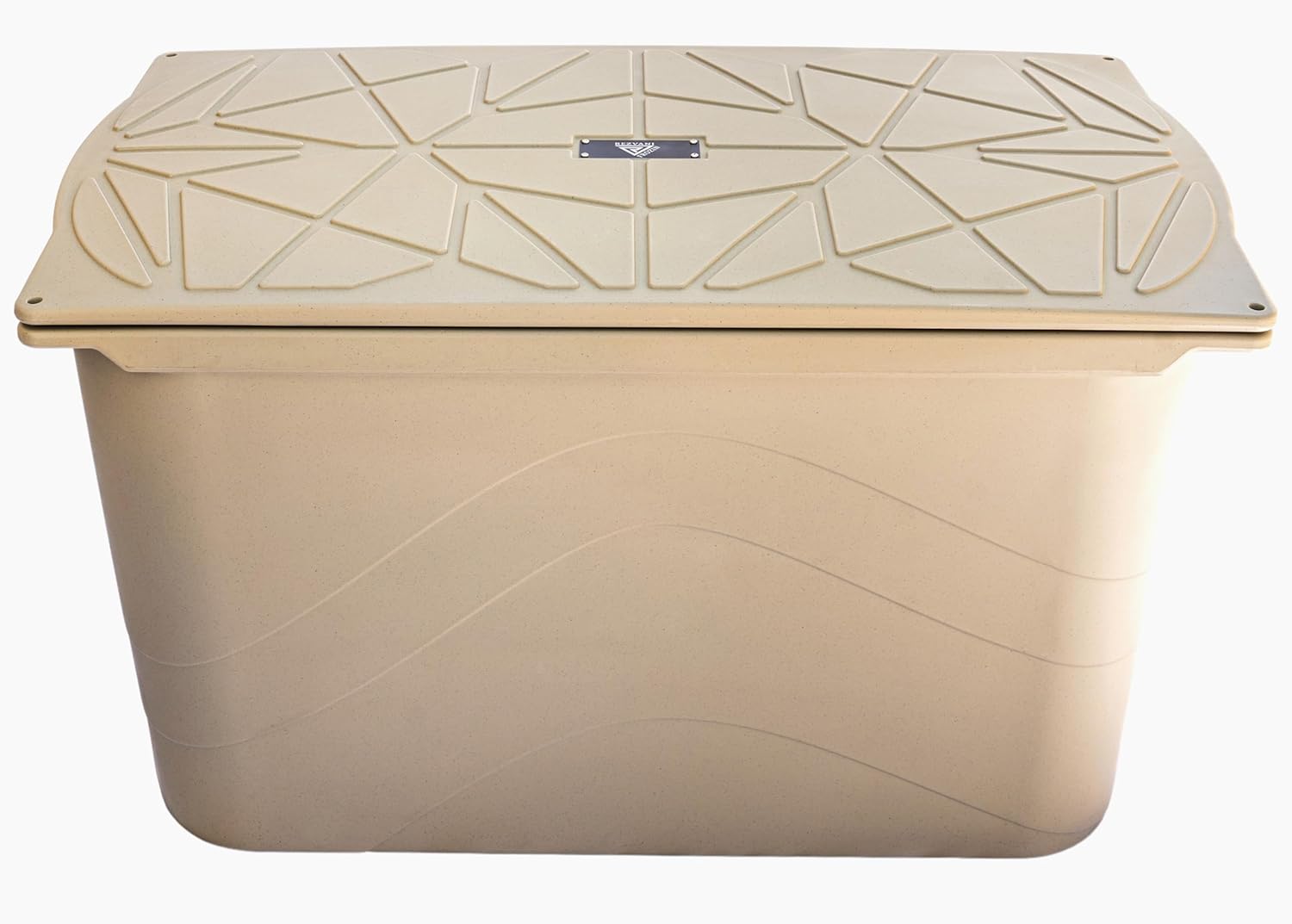
ACL Recovery Cold Therapy Machine — budget pick for knee-specific use
For bariatric patients whose primary cold therapy need is knee pain or post-knee-replacement swelling—an extremely common scenario at 300+ lb—this purpose-built unit delivers targeted relief without the cost of a larger system. Its knee wrap is generously sized and the included strap extensions handle thigh circumferences well above typical machine ratings. Not the right tool for shoulders or hips, but unbeatable as a single-joint workhorse during the first 6–12 weeks of post-op rehab.
Check current price on Amazon →
Quick comparison: cold therapy machines for plus-size users
| Model | Reservoir | Best For | Wrap Sizing | Noise |
|---|---|---|---|---|
| CF-3 Pro 16.8QT | 16.8 qt | Hip, thigh, dual-joint | XL straps included | ~45 dB |
| CF-1 Quiet | ~9 qt | Overnight surgical recovery | Standard | ~40 dB |
| Portable Timer Unit | ~9 qt | All-day cycled use | Extended straps | ~50 dB |
| ACL Recovery Unit | ~7 qt | Knee-only | XL knee wrap | ~50 dB |
If you still want a true full-body cold plunge tub
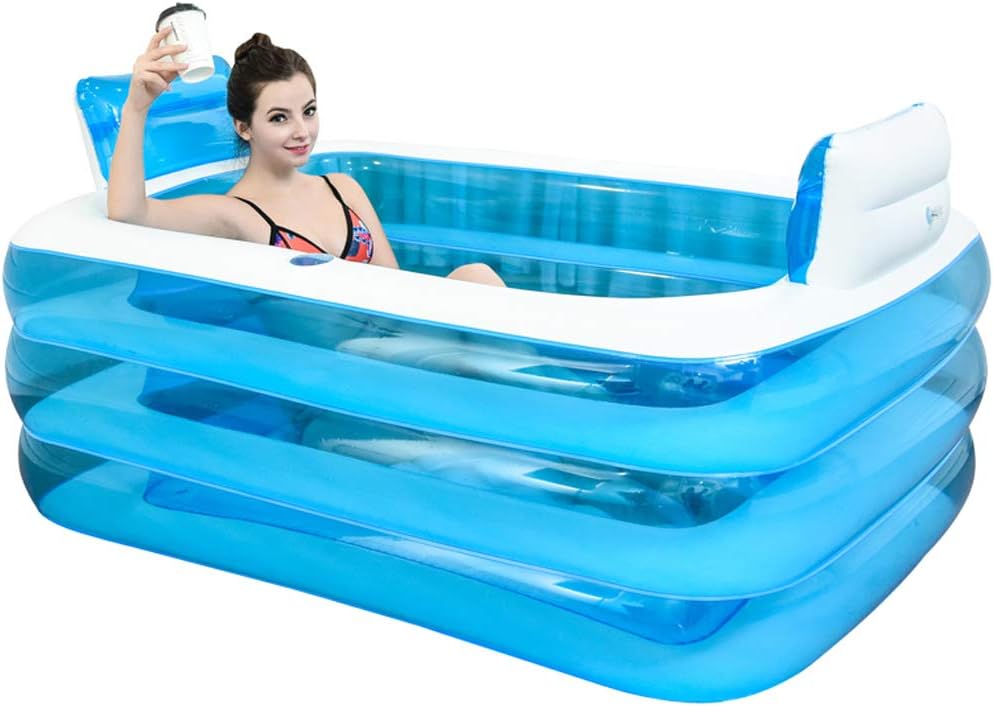
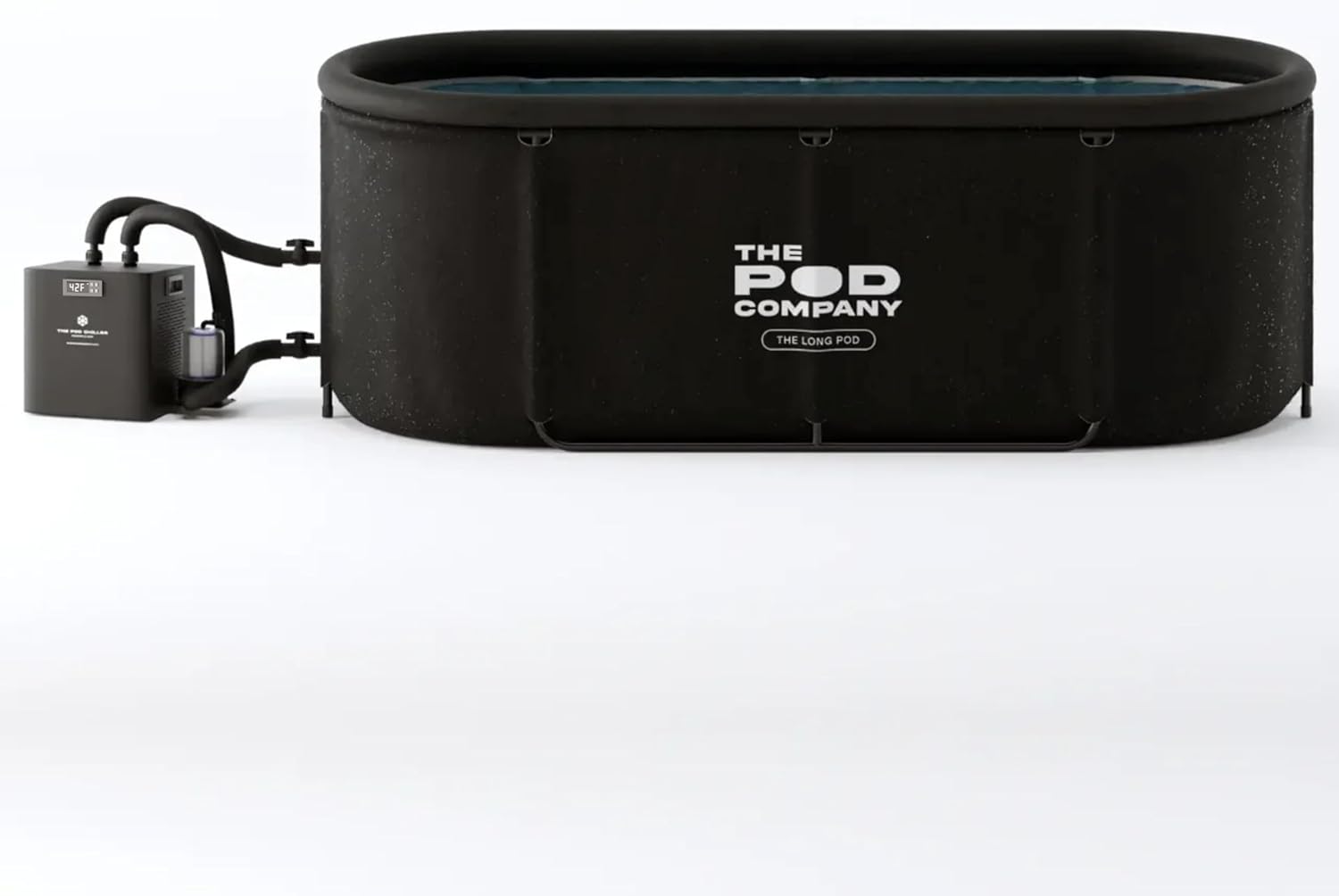
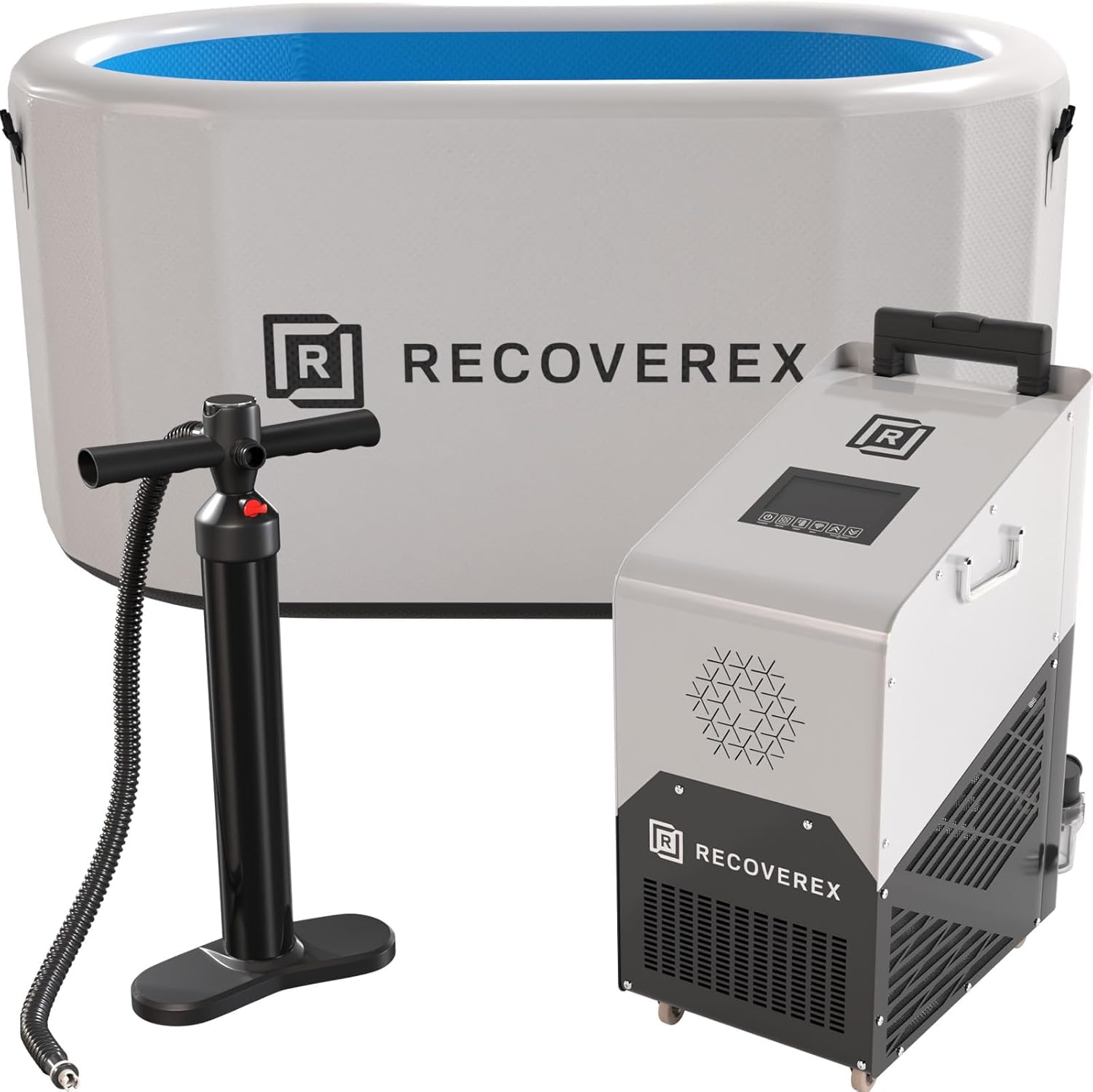
For patients medically cleared for full immersion, look for one of three categories: (1) reinforced commercial plunge tubs rated 400+ lb, typically priced $4,000–$8,000; (2) galvanized stock-tank conversions, where you start with a 150-gallon agricultural tank (rated for tons of water weight) and add a chiller and ozone sanitizer; or (3) oversized inflatable barrel tubs that explicitly state a 30-inch or wider interior. Avoid any ‘XL’ plunge tub that lists only an exterior dimension—the foam-and-PVC wall thickness routinely steals 4–6 inches of usable space. Our guide to the best inflatable cold plunge tubs covers the few brands publishing honest plus-size specs.
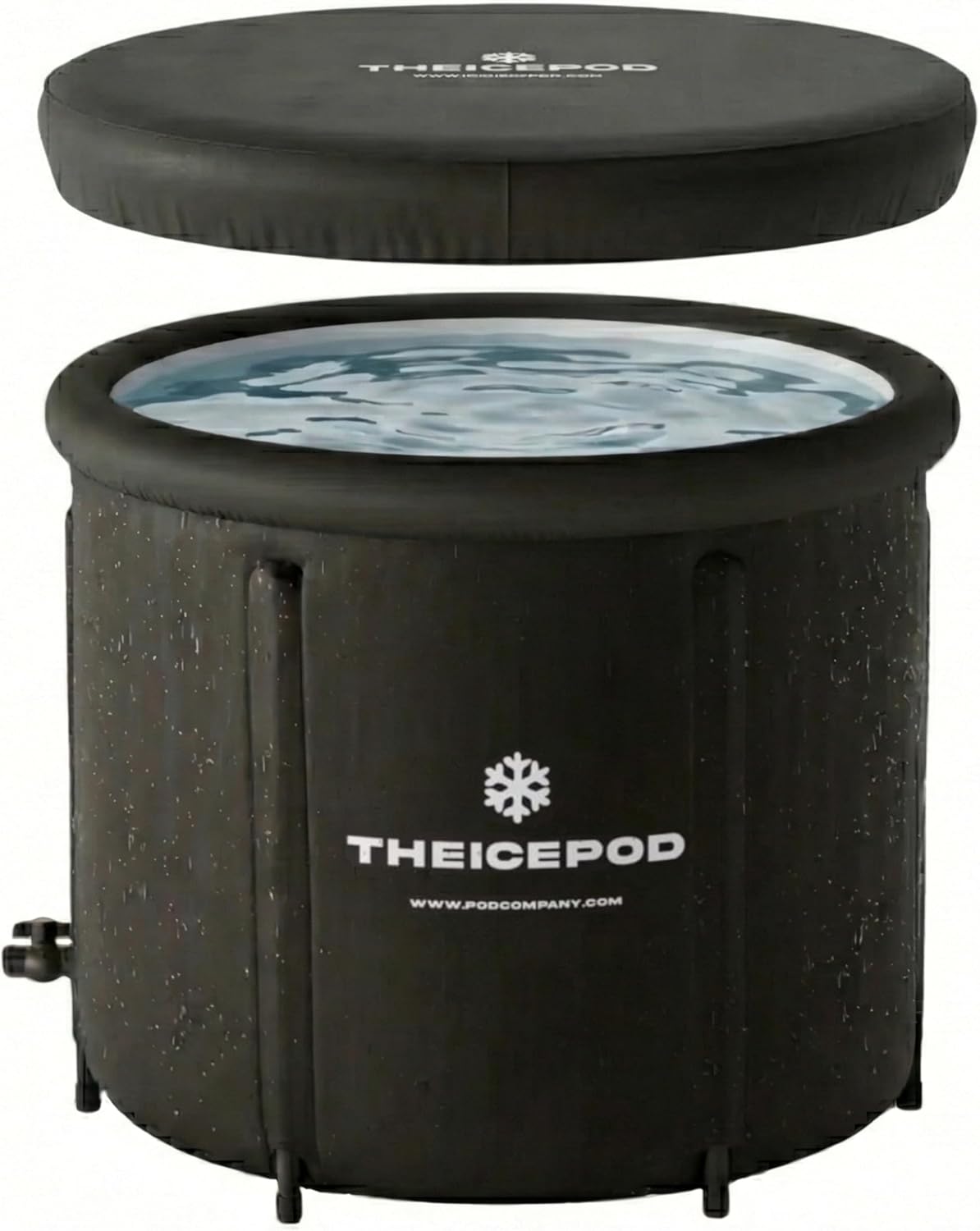
When evaluating cold plunge tubs for bariatric patients, prioritize a published static weight rating over slick marketing claims. Whichever route you choose, get medical clearance first. Bariatric patients with controlled hypertension, blood thinners, recent surgery, or autonomic dysfunction need physician sign-off before any cold immersion protocol. See also our post-surgery cold therapy timeline for week-by-week guidance.
Frequently Asked Questions
What weight capacity do I need in a cold plunge tub at 300 lb?
Aim for a tub rated at least 100 lb above your body weight—so 400 lb minimum at 300 lb body weight. The rating must be a static structural capacity, not a vague ‘user weight recommendation.’ Manufacturers sometimes list both, and the structural number is what matters for safety, especially as you shift weight climbing in and out.
Can I use a regular ice bath barrel if I weigh over 300 pounds?
Most consumer ice-bath barrels (the rigid-foam upright style) are tested to 300–330 lb maximum and have narrow interior diameters of 22–24 inches. Above 300 lb you are far better off with a stock-tank conversion or a commercial-rated plunge unit. Standing in a borderline-rated barrel risks both wall failure and difficult, dangerous exits when your muscles are cold-shocked.
Is cold plunging safe immediately after bariatric surgery?
Not in the first 6–8 weeks. Cold immersion sharply elevates blood pressure and shifts blood volume centrally, which interferes with surgical healing and—if you are on blood thinners or experiencing nutritional malabsorption—can be dangerous. Localized cold therapy on a non-incisional joint is usually fine within 24–48 hours post-op with surgeon approval. Always get written clearance before any full immersion.
What is the best cold plunge tub size for someone over 300 lb?
Look for 60–72 inches in length, 30–36 inches in interior width at shoulder height, and 24–30 inches of interior depth. Length matters for taller bariatric patients; width matters more than depth for comfort and safe exit. Avoid round ‘barrel’ tubs unless their interior diameter is explicitly 30 inches or greater—measured to the water, not the outer shell.
Do cold therapy machines work for body parts other than the knee?
Yes. Larger-capacity units like the CF-3 Pro ship with universal wrap straps that accommodate shoulders, hips, lower back, and abdomen. For bariatric patients, hip and lower-back wraps are common alternatives to full plunges and require none of the cardiovascular load that full immersion demands.
How cold should the water be for a bariatric-friendly cold plunge?
Start warmer than the wellness-influencer 50°F standard. A 60–65°F (15–18°C) starting temperature is far safer for users new to immersion or carrying significant adipose tissue, which insulates differently than lean mass and changes how the body responds to cold. Drop the temperature by 2°F per week only if the previous session was tolerated comfortably and your blood pressure stayed stable.
Will Medicare or insurance cover a cold therapy machine for a bariatric patient?
Sometimes, but only localized cold therapy machines—not full plunge tubs. With a post-operative prescription from a bariatric or orthopedic surgeon, units like the CF-1 or the ACL recovery machine may qualify for partial DME (durable medical equipment) reimbursement. Cold plunge tubs themselves are categorized as wellness equipment and are essentially never covered. Check your specific plan and document the medical necessity carefully on the prescription.
Key Takeaways
- Choosing the right cold plunge tubs for bariatric patients means matching capacity and output ports to your actual devices
- Always check actual watt-hours (Wh), not just watts — runtime depends on Wh, not peak output
- Also covers: heavy duty cold plunge 300lb
- Also covers: bariatric ice bath capacity
- Also covers: plus size cold plunge
- Compare price-per-Wh across models to find the best value for your budget