Finding cold plunge tubs for apartment balconies isn't just about size—it's about engineering math. Most North American residential balconies are rated for 40 to 60 pounds per square foot of live load, and a filled plunge tub can easily exceed that. In 2026, manufacturers have responded with collapsible, lightweight, and load-distributed designs that let renters chill responsibly without risking structural damage or eviction notices. This guide breaks down which cold plunge tubs for apartment balconies actually fit within realistic weight envelopes, how to calculate your balcony's safe capacity, and what to do when even the smallest tub is still too heavy.
Why balcony weight limits matter for cold plunging
A 100-gallon cold plunge tub holds roughly 834 pounds of water alone. Add the tub itself (40–80 lbs empty), a 180-pound user, and 50–100 lbs of ice, and you're looking at over 1,000 pounds concentrated on a small footprint. If your balcony is 6×8 feet (48 sq ft) and rated for 60 lbs/sq ft, the gross live-load ceiling looks generous at 2,880 pounds—but that figure assumes even distribution. A plunge tub concentrates roughly 1,000 lbs across maybe 10–15 square feet, producing 70–100 lbs/sq ft of point loading. That number routinely exceeds residential balcony specs.
Older apartment balconies built before 2000 may be rated even lower—sometimes 40 lbs/sq ft—and corrosion of cantilevered rebar has caused well-publicized collapses. Before buying any tub, you need three numbers: your balcony's load rating (request from property management in writing), the tub's filled weight, and the tub's footprint area.
How to calculate if your balcony can handle a cold plunge tub
Use this formula: (tub weight + water weight + ice + your body weight) ÷ (tub footprint in sq ft) = pounds per square foot of point load. Compare against your balcony's rated live load. If your point load exceeds 70% of rated capacity, choose a smaller tub or distribute the weight with a plywood load-spreading platform.
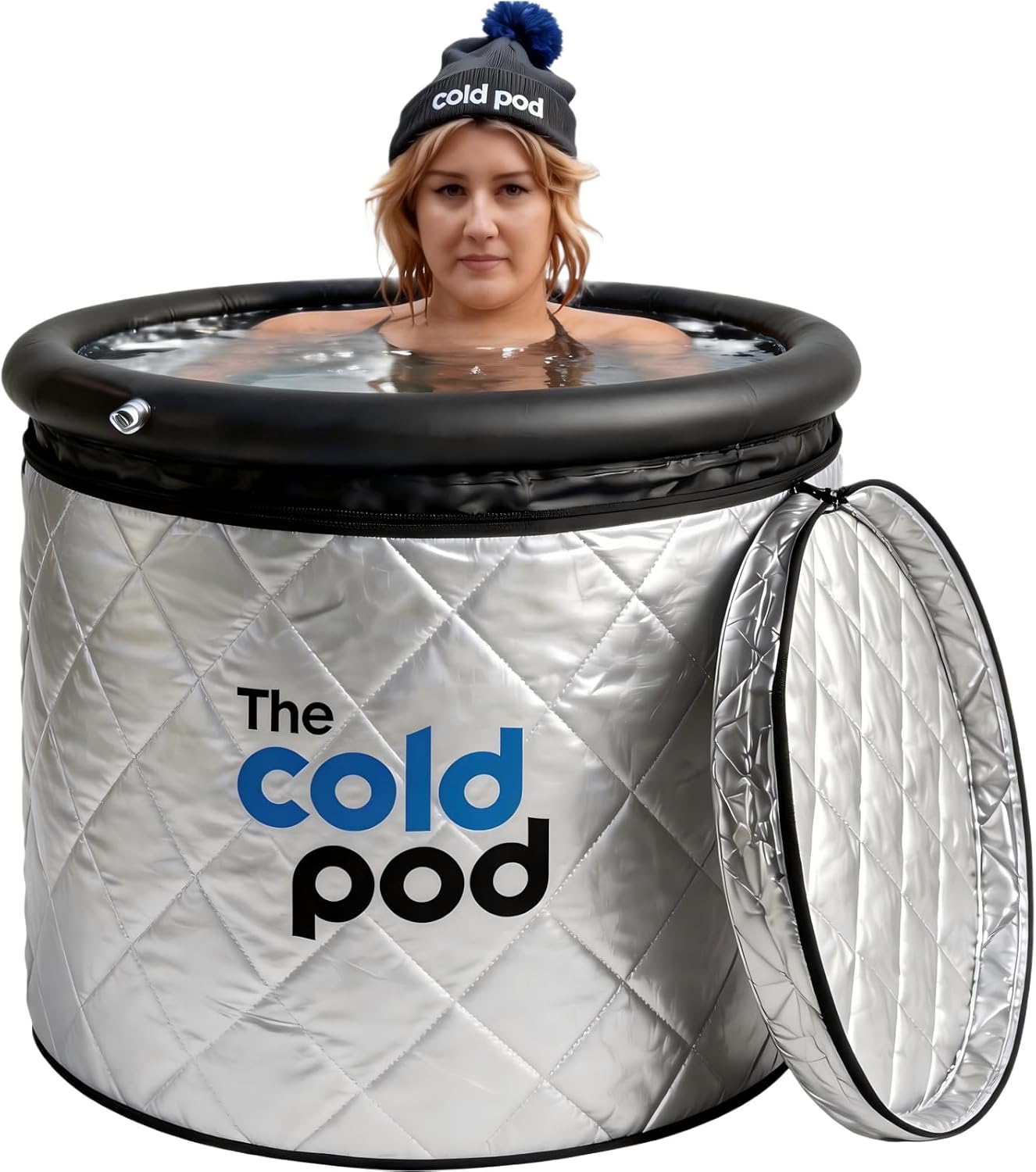
Water alone weighs 8.34 lbs per gallon, so a typical apartment-friendly 60-gallon tub holds about 500 lbs of water. Combined with a 200-lb user and 30 lbs of ice, you're at 730 lbs over roughly 8 sq ft—about 91 lbs/sq ft. That still exceeds most balcony ratings. Practical apartment-safe tubs cap around 40–50 gallons, and even those should be placed against the load-bearing wall where the balcony joins the building, never at the cantilevered outer edge.
Key features to look for in apartment-friendly cold plunge tubs
Collapsible construction
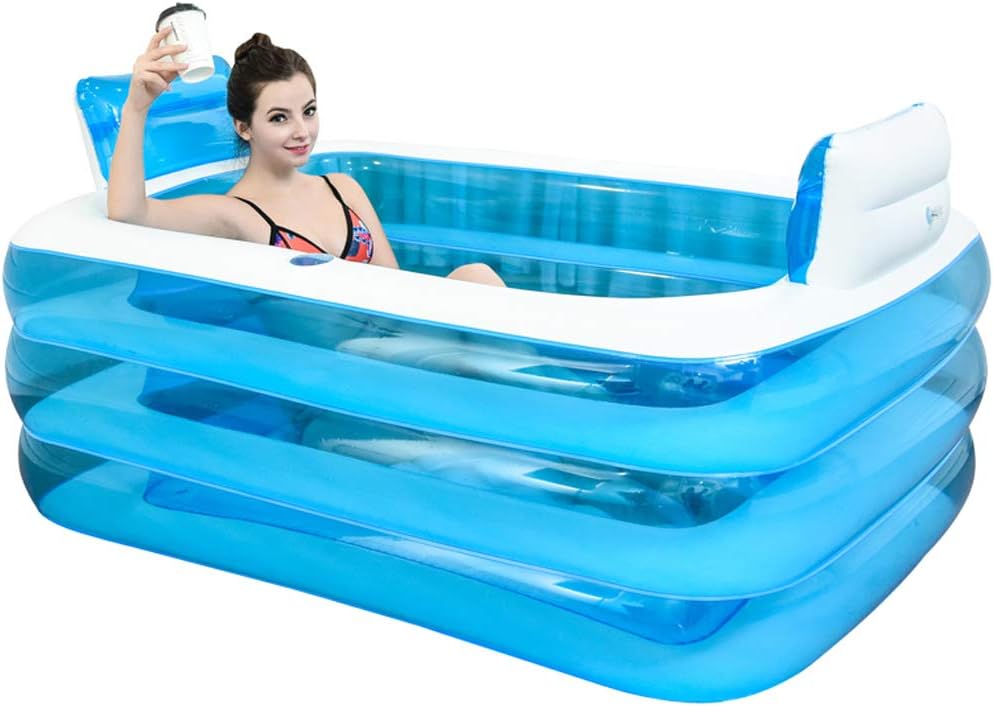
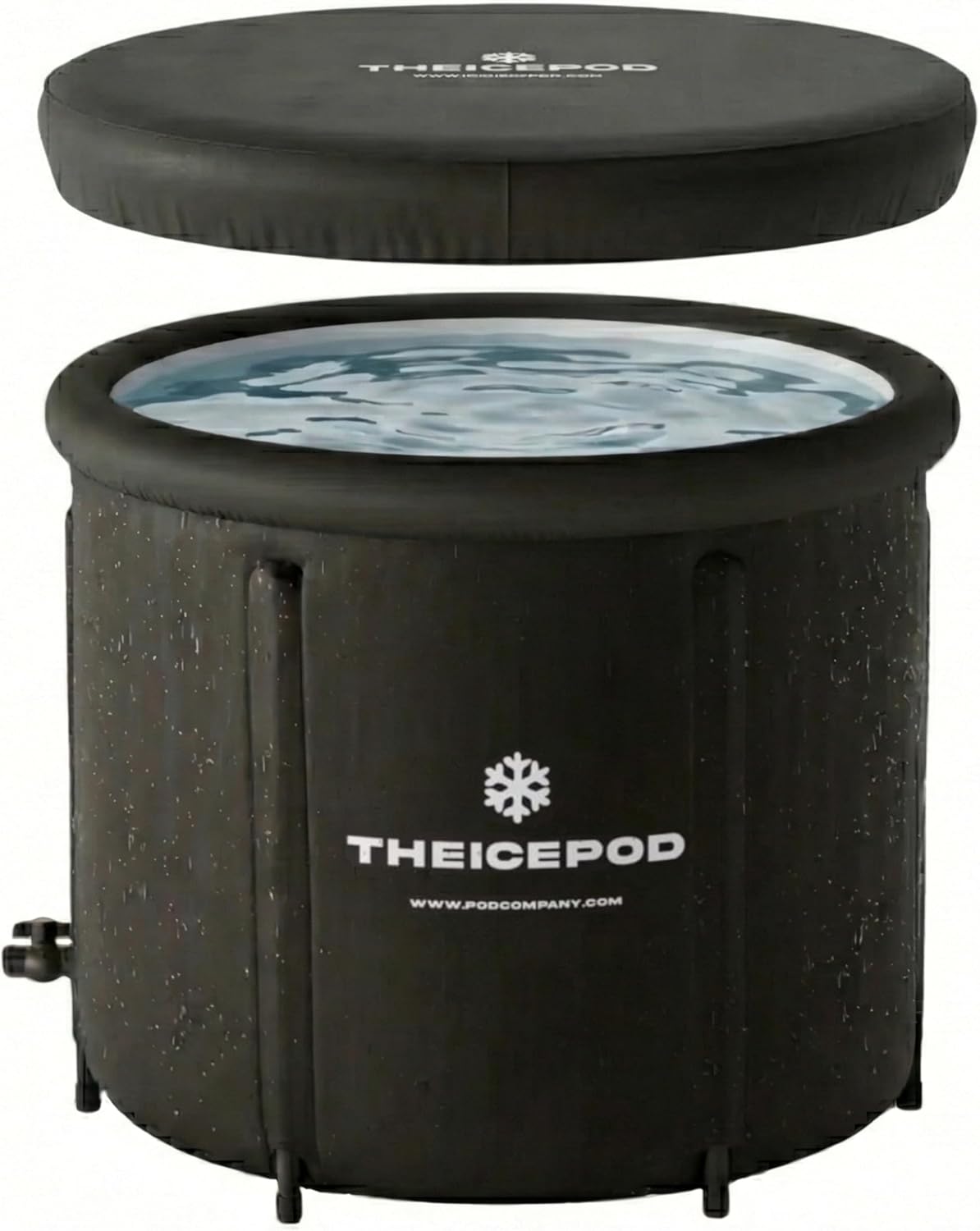
Inflatable PVC or oxford-fabric tubs with foam-insulated walls weigh 15–30 lbs empty, fold flat for storage, and can be drained and stowed between sessions. This drops the constant load on your balcony to nearly zero and keeps you HOA-friendly because they aren't permanent fixtures.
Low fill volume
Look for tubs sized 60–100 gallons rather than the 150–200 gallons typical of permanent home plunges. Seated, knees-bent designs popularized by Japanese ofuro-style tubs use less water by accommodating users vertically rather than horizontally.
Drainage planning
Your balcony almost certainly lacks a floor drain. Plan for either a long siphon hose that reaches a bathroom drain, a submersible pump that pushes water through your kitchen sink, or graywater-safe routing to your building's planter beds (check building rules first). Dumping 60 gallons over the railing is illegal in most cities and a guaranteed lease violation.
Wind and freeze protection
Exposed balconies see temperature swings that crack rigid tubs in winter. Soft-sided tubs handle freeze-thaw cycles better. If you live above the 10th floor, secure the empty tub against wind uplift—inflatable shells become projectiles when storms hit.
When a full plunge tub won't fit: cold therapy alternatives
If your balcony rating, building rules, or usable square footage rules out even the smallest tub, targeted cold therapy machines deliver many of the recovery benefits of full immersion—reduced inflammation, faster muscle recovery, pain reduction—without the water weight or footprint concerns. These devices circulate ice water through a wrap applied to a specific joint or muscle group. They started in the post-surgical world but have become a go-to for athletes who can't access a full plunge.
| Product | Reservoir | Best For | Apartment Fit |
|---|---|---|---|
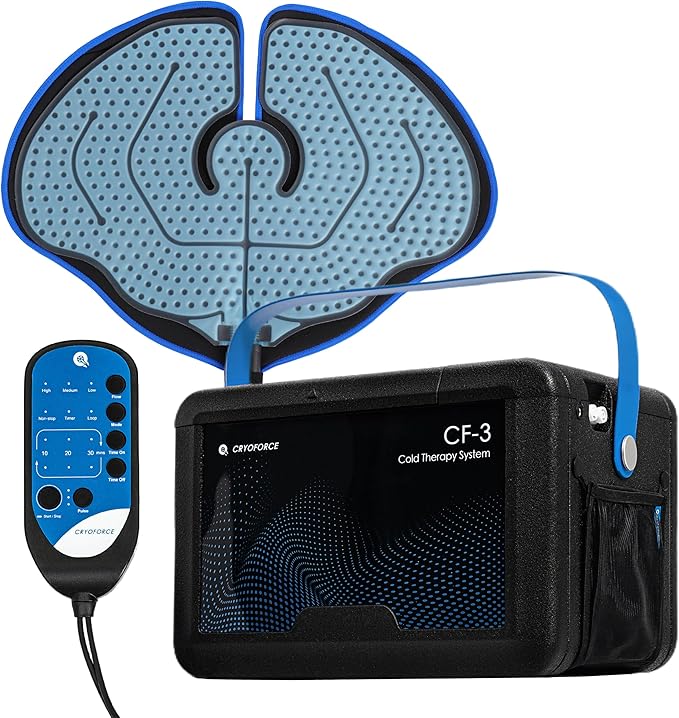
| CF-3 Pro Cold Therapy Machine | 16.8 QT | Knee & shoulder, longer sessions | Small countertop, ~50 lbs filled |
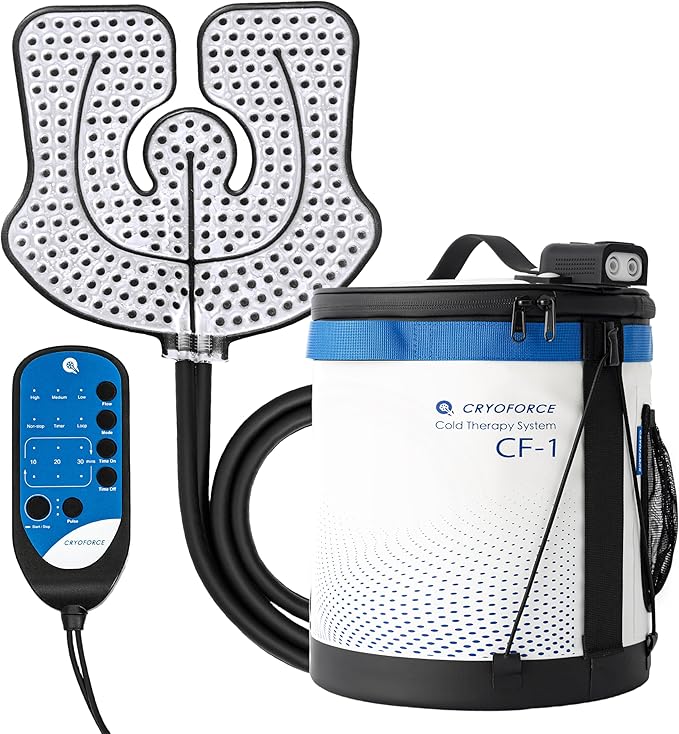
| CF-1 Cold Therapy Machine | Standard | Knee recovery, quiet operation | Compact, near-silent |
CF-3 Pro Cold Therapy Machine — Large-Capacity Recovery for Balcony Dwellers
For renters whose balconies can't safely support a filled plunge tub, the CF-3 Pro's 16.8-quart reservoir delivers continuous cold therapy to knees, shoulders, ankles, or hips without adding more than about 50 pounds of total water weight to your unit. The larger reservoir means fewer mid-session ice top-ups, and the pump runs quietly enough for shared-wall apartments where neighbors might object to a louder unit. It's the practical fallback when load math kills your plunge tub plans. Check current price on Amazon.
CF-1 Cold Therapy Machine — Quiet, Apartment-Friendly Option
The CF-1 trades the CF-3 Pro's capacity for a smaller footprint and lower operating noise—useful in studios where the machine sits within a few feet of where you sleep. It's marketed for post-surgical knee recovery but works equally well for ITB syndrome, shoulder strain, or general overuse recovery after gym sessions. If you're using it strictly as a supplement to occasional gym or wellness-center plunges, this is the lightweight pick. Check current price on Amazon.
Setup tips for cold plunging on your balcony
Distribute the load
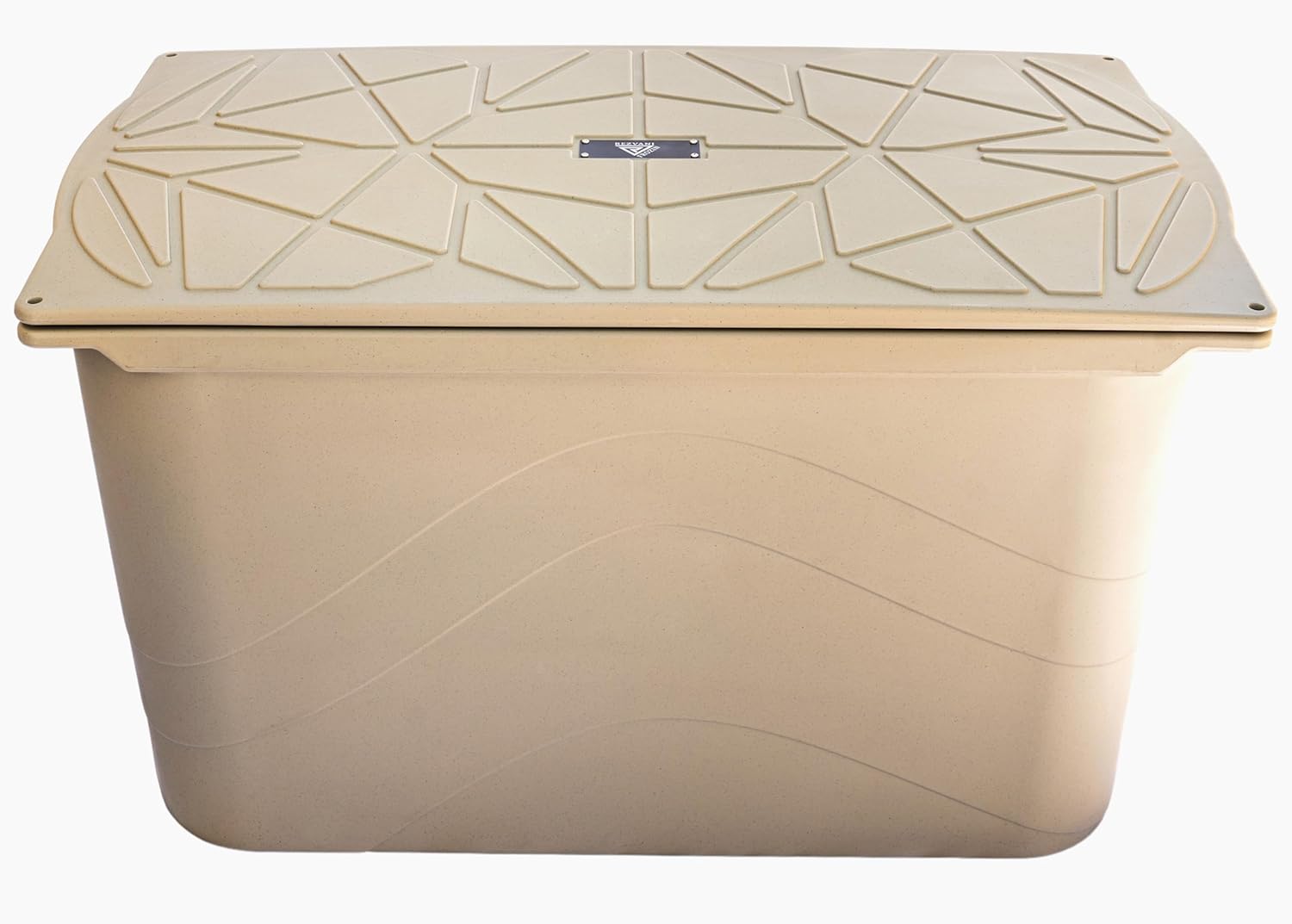
A 3/4-inch plywood sheet under the tub spreads point loading across more square footage. A 4×4-ft plywood platform under an 8-sq-ft tub effectively doubles the load-bearing area, halving pounds per square foot. Pair with rubber matting to protect the deck surface and stop the platform from sliding.
Position against the building
Balconies are strongest where they meet the building's structural frame. The outer edge—farthest from the wall—is the weakest point on most cantilevered designs. Always position heavy tubs within 18 inches of the building wall, and never against a glass railing.
Get permission in writing
Many leases prohibit items exceeding manufacturer balcony load ratings or require approval for anything over a stated weight. Email property management with the tub's filled weight before purchasing. Keep the written approval—it protects you if anything goes wrong, and it usually disarms HOA complaints down the line.
Plan your water source and drain
Filling 60 gallons through a window from your bathroom tap takes 20–30 minutes with a standard garden hose adapter. Drain time is similar with a siphon. Budget an hour total around each session and you'll avoid the trap of skipping plunges because the logistics feel too heavy.
Related reading
For more detailed sizing math, see our portable cold plunge tub comparison, or read the cold plunge temperature guide for protocols that maximize recovery in shorter sessions. If you're weighing immersion against localized therapy, our cold therapy machine vs ice bath breakdown compares outcomes for specific use cases.
Frequently Asked Questions
How much weight can a typical apartment balcony hold for a cold plunge tub?
Most residential balconies built to International Building Code standards support 60 lbs per square foot of live load, but older buildings may be rated at only 40 lbs/sq ft. A filled 60-gallon cold plunge tub plus user weight typically exceeds these limits unless the load is distributed across a plywood platform and positioned against the building wall. Request your specific balcony's load rating from property management in writing before installing any plunge tub.
Are inflatable cold plunge tubs safe for apartment balconies?
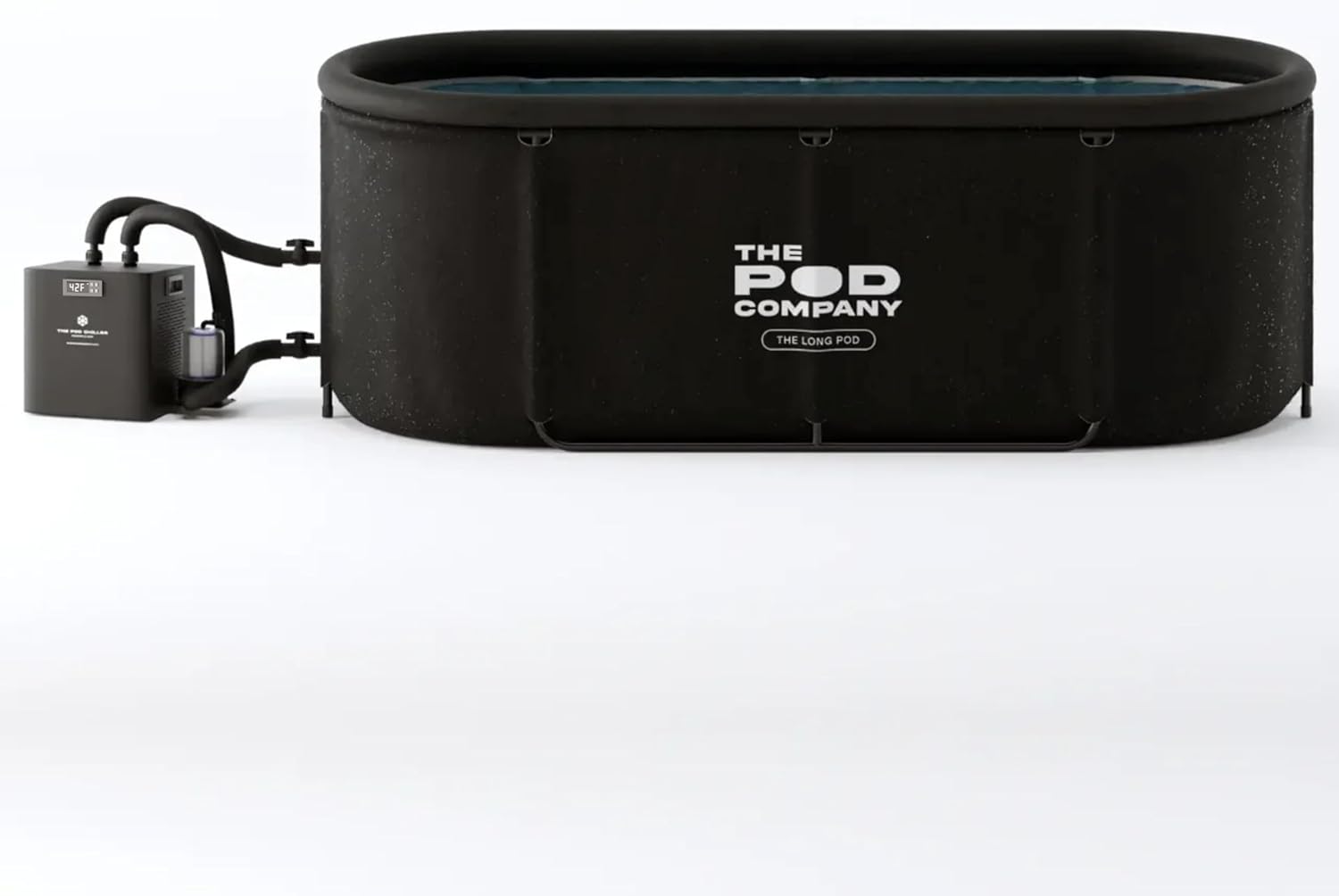
Inflatable cold plunge tubs are generally the safest balcony option because they weigh under 30 pounds empty, can be drained and stored between sessions to eliminate constant load, and don't damage decking surfaces. They still hold hundreds of pounds of water when in use, so weight calculations still apply. Secure them against wind uplift when empty, especially on high-rise balconies above the tenth floor.
Can I drain a cold plunge tub off my balcony?
No—dumping 60+ gallons of water over a balcony railing is prohibited in most municipalities and violates virtually every lease. Use a siphon hose that reaches an interior bathroom or kitchen drain, or use a small submersible pump to push water through a window into a sink. Some buildings allow graywater drainage to landscaped areas, but always confirm in writing before relying on that route.
What's the smallest cold plunge tub I can use on a balcony?
Compact ofuro-style tubs designed for seated, knees-bent immersion can fit in as little as 8 square feet and hold 40–60 gallons. These weigh roughly 350–550 pounds filled (excluding user weight) and represent the lower bound for full-body cold immersion. Below that capacity, you're better off with a cold therapy machine for targeted joint recovery rather than trying to immerse in a tub that's too small to submerge your shoulders.
Do I need HOA or landlord approval for a balcony cold plunge?
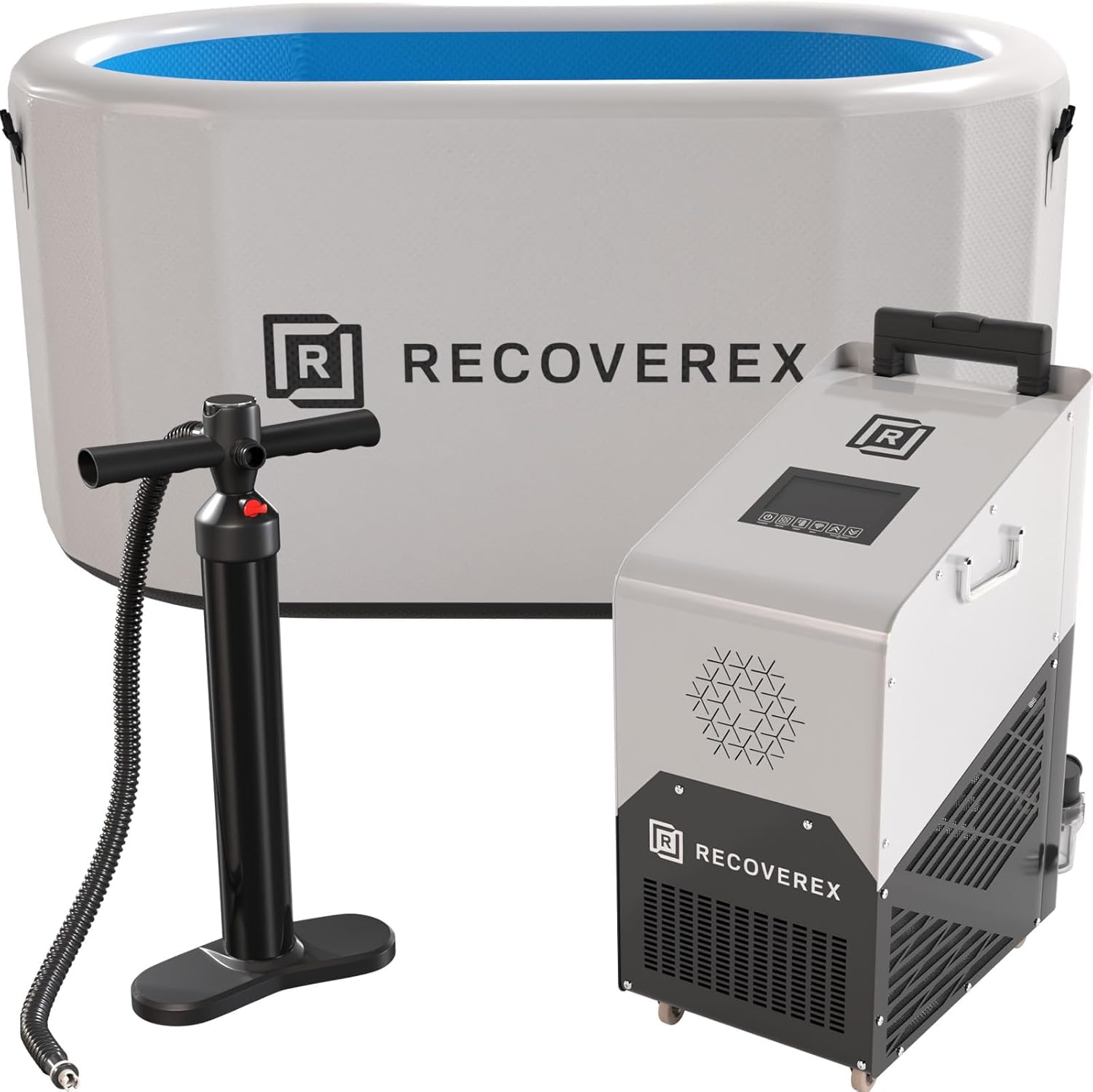
Most condo HOAs and apartment leases require approval for items that exceed standard balcony furniture weight or that could cause water damage to units below. Get written approval before purchasing, and verify your renter's or homeowner's insurance covers water damage to neighboring units in case of tub failure or overflow. A 60-gallon leak into the unit below is a five-figure claim.
How do I keep a balcony cold plunge tub from freezing in winter?
Drain inflatable tubs completely after each session in subfreezing weather—residual water expands and splits seams. For semi-permanent rigid tubs, add a thermal cover and an inline chiller with anti-freeze protection. If overnight temperatures drop below 25°F (-4°C), most apartment-suitable cold plunge tubs for apartment balconies should be brought indoors or fully drained between sessions.
Is a cold therapy machine a real substitute for a full cold plunge?
For localized joint pain, post-surgical recovery, or targeting a specific injured area, a cold therapy machine often delivers comparable or better outcomes than a full plunge because it sustains cold contact for 20–45 minutes versus the 2–5 minutes typical of immersion. For systemic effects—norepinephrine release, brown fat activation, full-body inflammation reduction—nothing fully replaces immersion. Many apartment athletes use both: a machine for targeted recovery and occasional gym or wellness-center plunge sessions for the systemic benefits.
Key Takeaways
- Choosing the right cold plunge tubs for apartment balconies means matching capacity and output ports to your actual devices
- Always check actual watt-hours (Wh), not just watts — runtime depends on Wh, not peak output
- Also covers: lightweight cold plunge for balcony
- Also covers: balcony safe ice bath tub
- Also covers: apartment balcony cold plunge weight capacity
- Compare price-per-Wh across models to find the best value for your budget