A cold plunge produces dramatic temperature differentials — water sits at 38-50°F while the surrounding basement air may be 65-75°F with 50%+ relative humidity. That contrast is exactly what triggers condensation on walls, ceilings, ductwork, and the tub exterior, and over weeks that trapped moisture feeds mold. To prevent condensation cold plunge basement owners need a layered system: a properly sized dehumidifier, dedicated mechanical ventilation, a continuous vapor barrier on the foundation walls, insulation around every cold surface, and a daily drying protocol. Done correctly, you keep relative humidity below 55% even during and after sessions.
Why basements amplify cold plunge condensation and mold risk
Basements already run cooler than upper floors, and because they sit below grade they constantly absorb moisture vapor through concrete walls and slabs. Even a so-called dry basement typically holds 55-70% relative humidity in summer. Drop a 200-gallon ice bath into that environment and the dew-point math turns ugly fast: any surface colder than roughly 55°F will sweat. That includes the plunge shell, copper supply lines, HVAC trunks, and uninsulated foundation walls behind the tub.
Mold spores need three things: organic material, temperatures between 40-100°F, and moisture above 60% RH for more than 48 hours. Basements supply two of those by default. Once you add an unmanaged cold plunge, the third arrives within a single week of regular use. Stachybotrys (black mold) loves the seams behind drywall, the paper face of fiberglass batts, and the underside of subfloor sheathing — all the places where condensation drips and sits unseen for months.
When shopping for prevent condensation cold plunge basement, it pays to compare specs, capacity, and real-world runtime before committing.
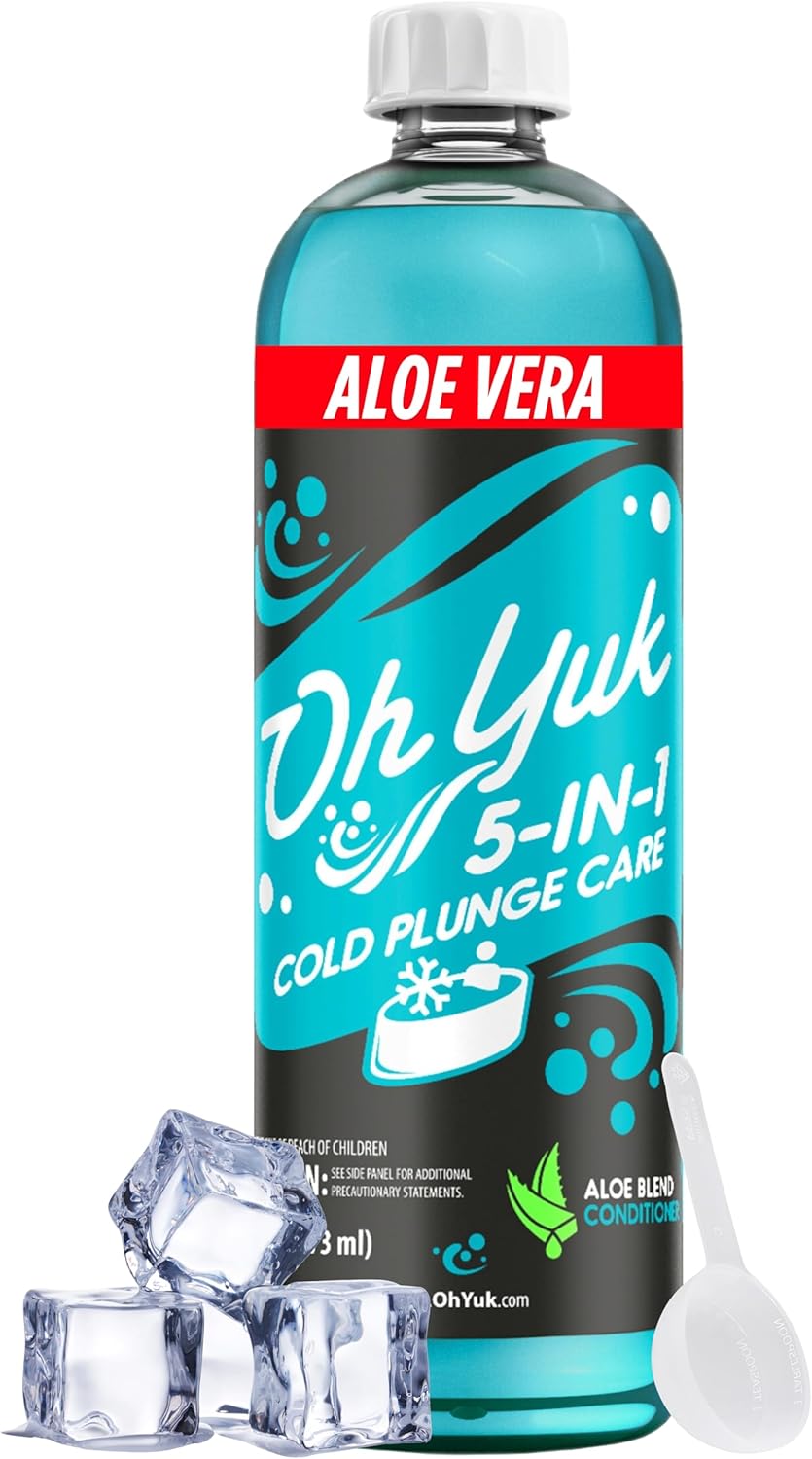
The fix to prevent condensation cold plunge basement problems isn't one product. It's a system that controls the dew point, removes water vapor faster than your sessions add it, and keeps every cold surface of the plunge from acting as a giant whole-room condenser.
The five-layer moisture control stack
1. Size the dehumidifier correctly
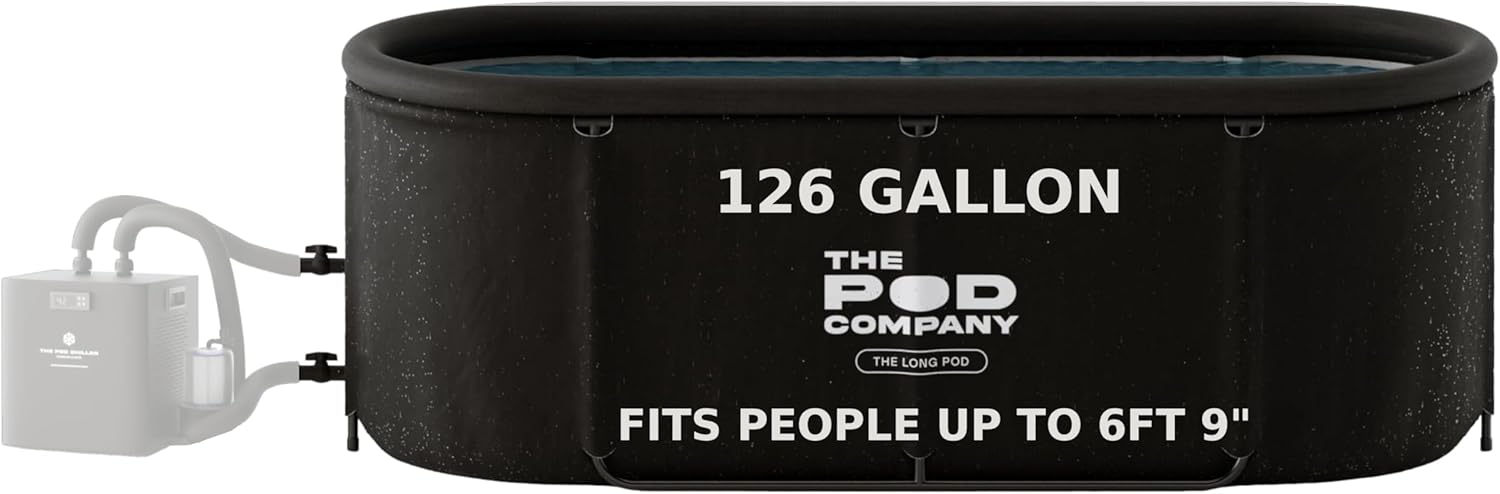
This is where most homeowners undershoot. A typical 50-pint residential dehumidifier is rated for a 2,500 sq ft moderately damp space — not a room hosting an open cold-water tank with daily lid-open sessions. For a 200-300 sq ft cold plunge room, plan on at least a 70-pint commercial-grade unit with a built-in pump and a continuous drain to the floor drain or condensate pump. In larger setups (over 400 sq ft, or rooms shared with a sauna), step up to a 130-pint dedicated dehumidifier. Set the target to 45-50% RH, not the factory default of 60%. The unit should run as a background utility, not a reactive cleanup tool. See our cold plunge dehumidifier sizing guide for square-footage tables.
2. Install a continuous vapor barrier
If your basement walls are uninsulated poured concrete or CMU block, water vapor migrates through them year-round. Before framing or finishing any cold plunge room, you need a continuous 10-mil polyethylene or reinforced foil-faced vapor barrier sealed to the slab at the bottom and to the rim joist at the top. All seams should be lapped 6 inches and taped with butyl or vapor-barrier tape. Existing finished basements need an audit: pull a baseboard and inspect. If you see paper-faced fiberglass against bare concrete, you have a future mold farm. Replace it with closed-cell spray foam (R-6 per inch, vapor-impermeable at 2 inches) or rigid XPS sealed with canned foam at the seams.
3. Add mechanical ventilation
A bathroom fan rated at 80 CFM is not enough. Cold plunge rooms need 1 air change per hour minimum during sessions and 0.35 ACH continuously. For a 250 sq ft room with 8-foot ceilings (2,000 cu ft), that's a 33 CFM continuous fan and a 130+ CFM boost mode during and after use. An ERV (energy recovery ventilator) is ideal because it tempers incoming air and recovers latent heat, but a humidity-sensing exhaust fan ducted directly outside — never to a soffit or attic — is the budget alternative.
4. Insulate the plunge and every cold surface
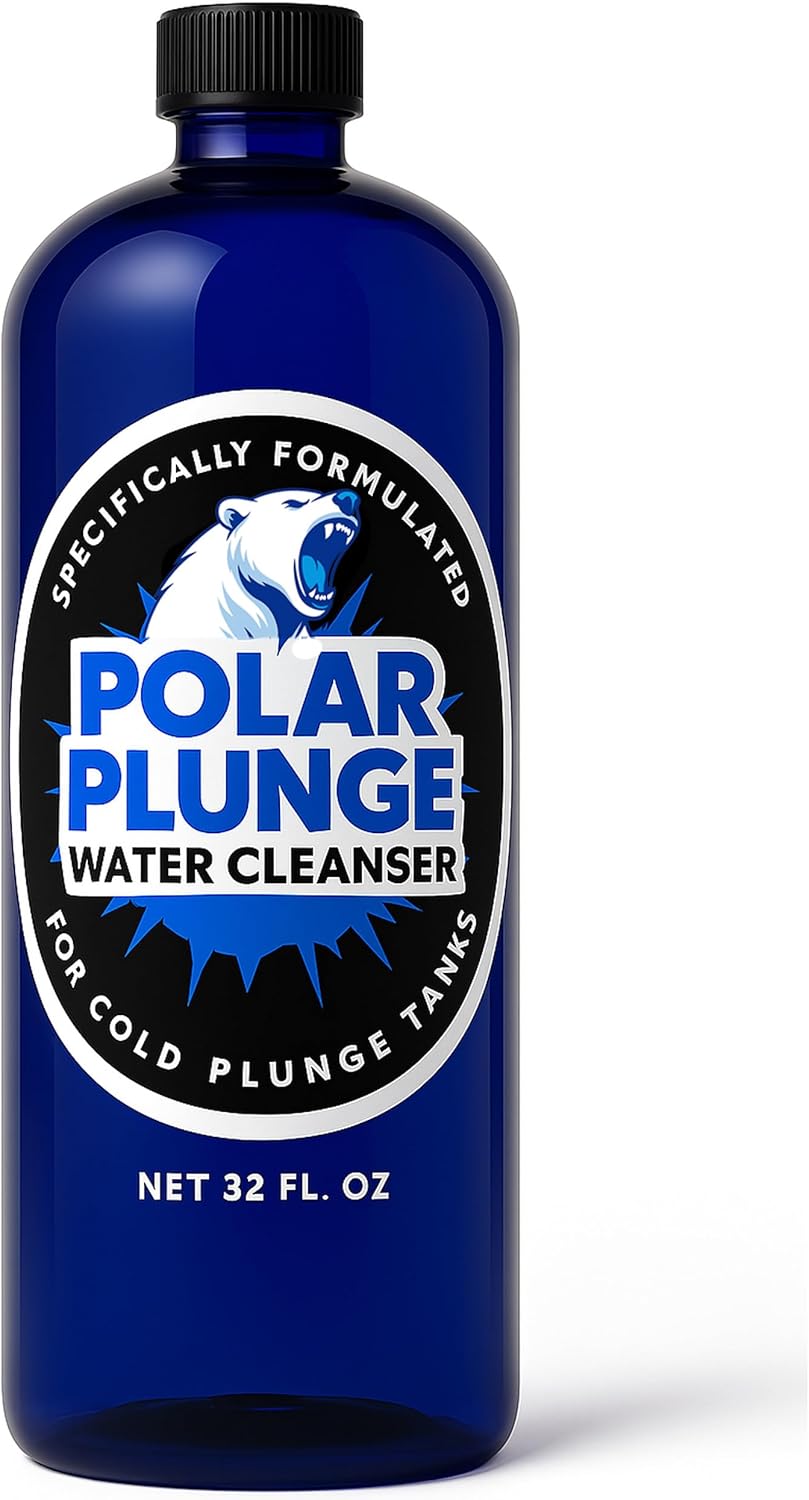
The exterior of the tub, supply lines, and chiller cabinet should never reach the room's dew point. Wrap exposed PEX or copper with 3/4-inch closed-cell pipe insulation. If your plunge has a thin acrylic or polypro shell, build an insulated surround using 2 inches of polyiso foam or a custom cedar enclosure with rigid foam behind the planks. The cheapest sweating-tub fix is often a fitted neoprene cover over the lower 18 inches of the tub.
5. Adopt a post-session drying protocol
After every session: squeegee the deck, towel-dry the lid and tub exterior, run the boost-mode exhaust fan for 30 minutes, and leave the dehumidifier locked at 45% RH. Once a week, pull the cover fully, run a HEPA air mover for 2 hours, and inspect grout, baseboards, and the back wall behind the tub for any darkening or musty smell. Mold remediation is exponentially cheaper than mold removal.
Compact closed-loop alternatives for problem basements
If your basement is finished, has poor drainage, or you rent and can't modify walls, an open cold plunge tub may simply add too much moisture load to control. Closed-circuit cold therapy machines circulate chilled water through a pad applied to a specific joint — they deliver localized cold therapy benefits with a fraction of the evaporative surface area. For knee, shoulder, post-workout, or post-surgical recovery, they're a serious option, and several models below earn consistent 4.5+ star ratings in 2026. Read our breakdown of closed-loop versus open tub cold therapy for a deeper comparison.
Comparison: top closed-circuit cold therapy machines for basement use in 2026
| Model | Reservoir | Best for | Noise | Timer |
|---|---|---|---|---|
| CF-3 Pro | 16.8 QT | Knee + shoulder, long sessions | Low | Programmable |
| CF-1 Quiet | ~9 QT | Post-surgery, light sleepers | Very low | Programmable |
| Portable Ice Machine | ~6 QT | Travel, small spaces | Low | Programmable |
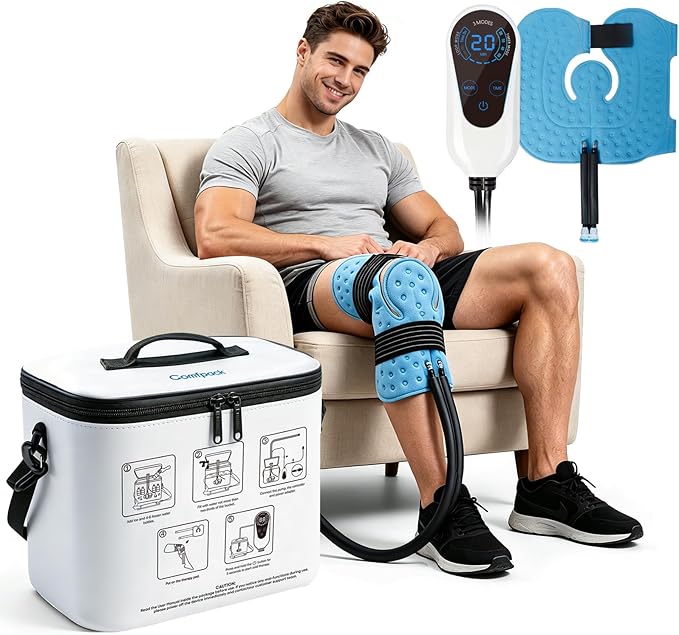
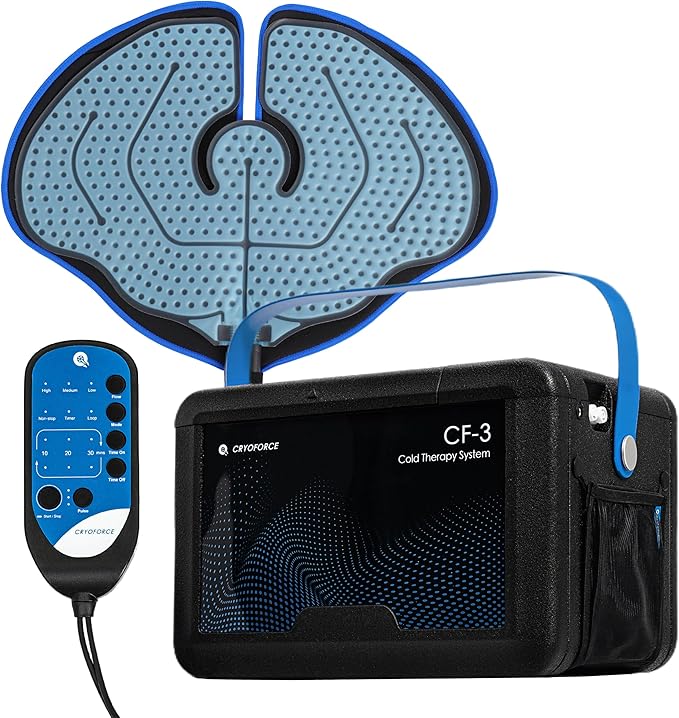
CF-3 Pro Cold Therapy Machine (16.8 QT)
The large reservoir on the CF-3 Pro means fewer ice refills during 60-90 minute sessions, which matters in a basement where you're trying to minimize lid-open evaporation. Its sealed circulation loop keeps moisture inside the system rather than venting it into the room. Strong pick for knee and shoulder protocols where consistent cooling temperature matters more than portability. View the CF-3 Pro on Amazon
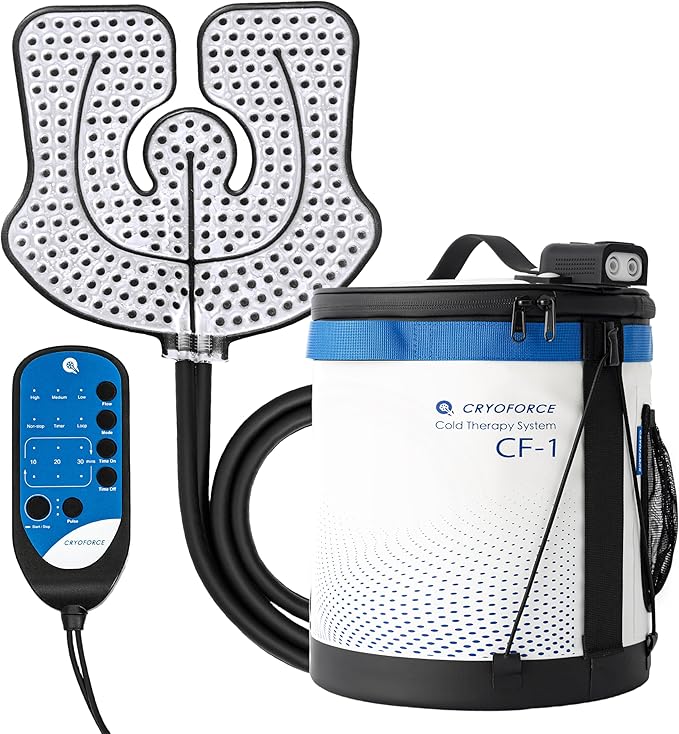
CF-1 Quiet Cold Therapy System
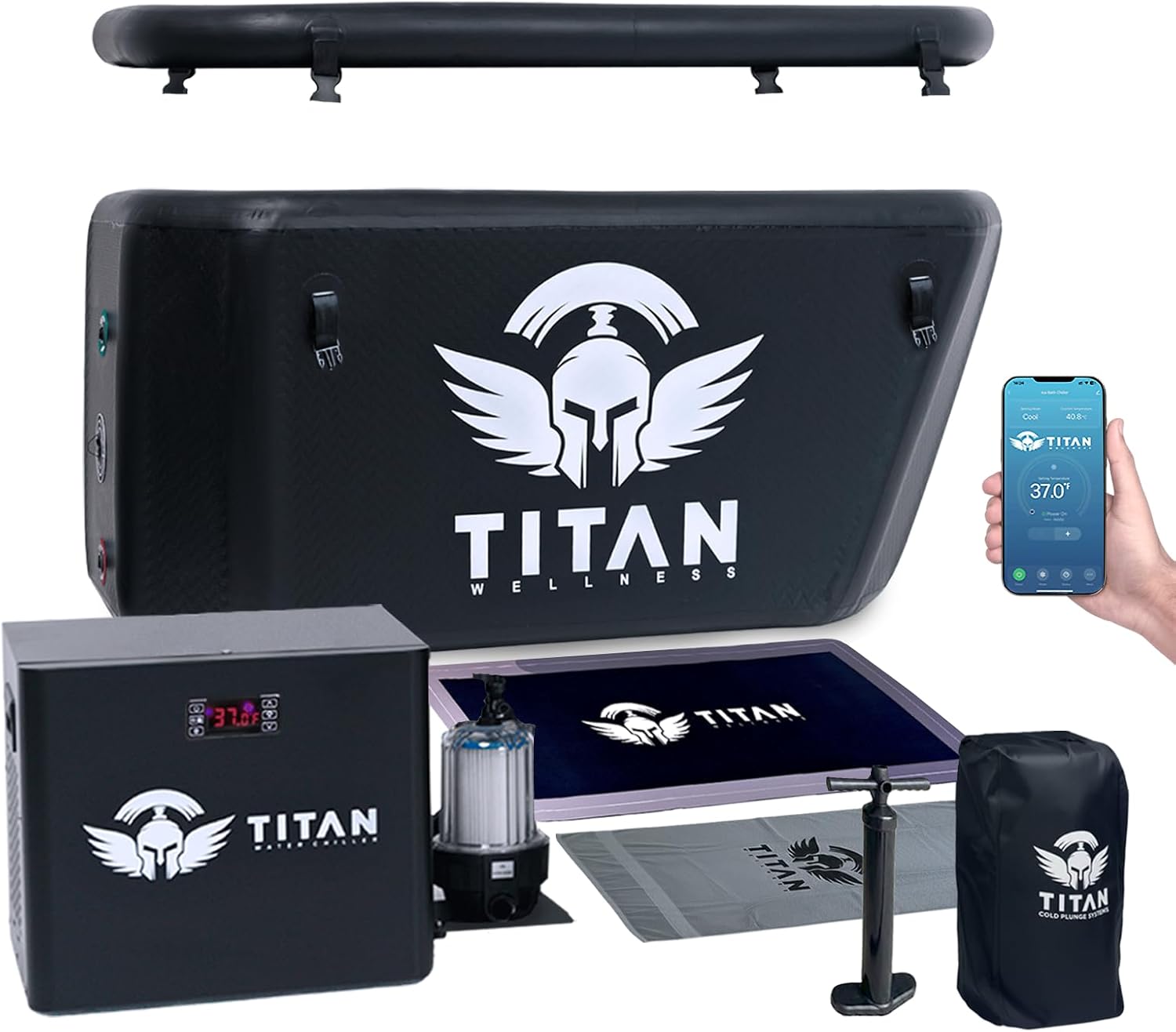
The CF-1 is purpose-built for post-surgery recovery: very low pump noise, programmable cycle timing, and a footprint small enough to live on a bedside table. For basements where you can't run a full plunge but want reliable cold therapy after ACL or rotator-cuff rehab, this is the unit physical therapists most often recommend in 2026. View the CF-1 on Amazon
Portable Ice Machine with Programmable Timer
A more compact option with a programmable timer suited to interval cold therapy. The smaller reservoir means more frequent ice top-ups, but it travels well, stores in a closet, and won't dump appreciable humidity into a tight basement room. Good fit for renters and condo basements where you can't pull permits for ventilation upgrades. View the Portable Ice Machine on Amazon
Daily and seasonal maintenance checklist
Even a properly designed cold plunge basement needs ongoing attention. Print this and tape it inside the room door.
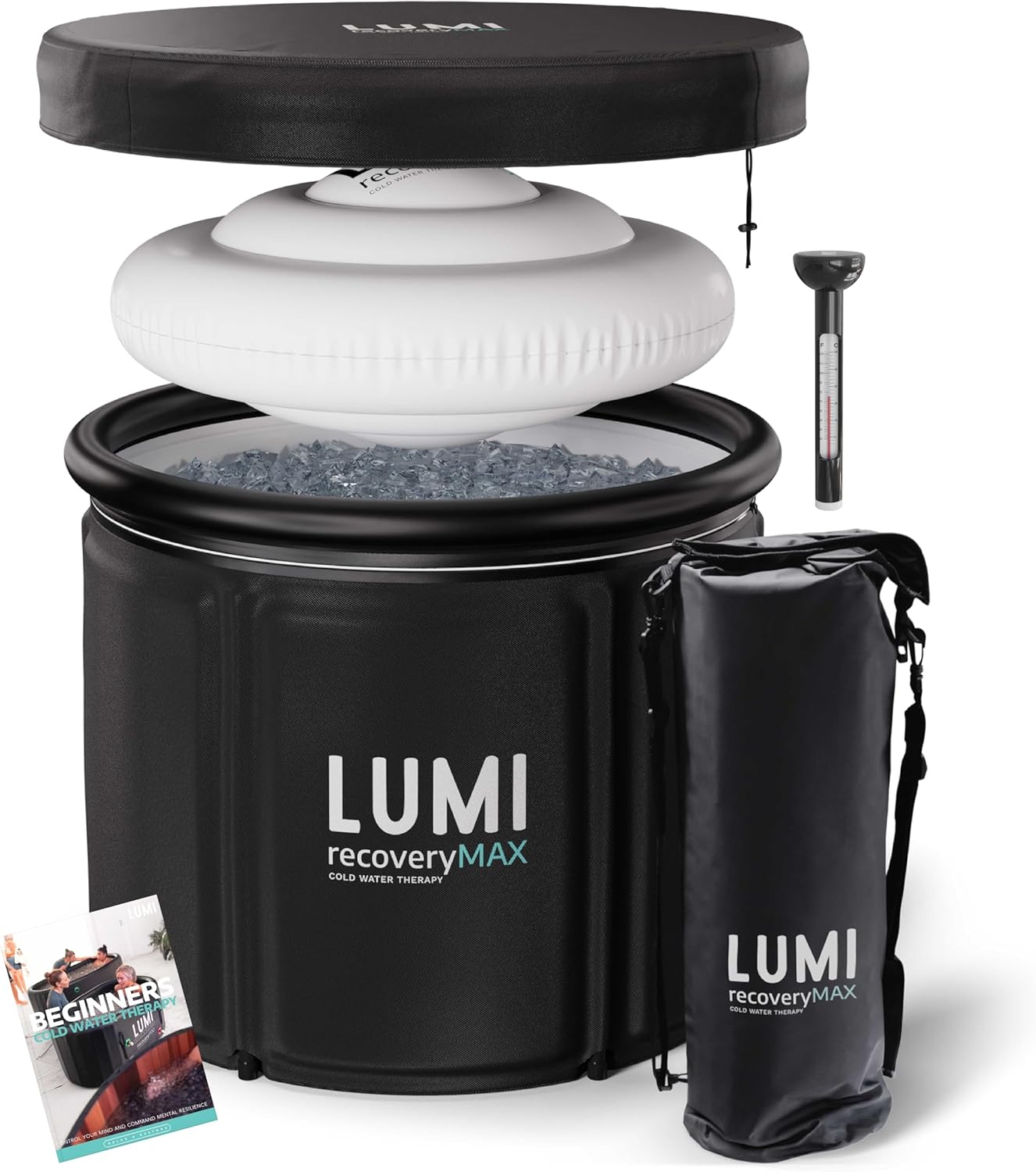
Daily: squeegee the deck, towel the tub exterior and lid, verify the dehumidifier is holding the 45-50% setpoint, and confirm the boost fan kicks on with the humidity sensor.
Weekly: inspect baseboards and the wall behind the tub for darkening, run a HEPA air mover for two hours, drain the dehumidifier tank if not on continuous drain, and wipe down the supply-line insulation for any cold-spot sweating.
Monthly: pull at least one corner of the access panel under the tub deck. Look for standing water, mineral staining, or organic film. Test the cold plunge water with a chlorine/ozone strip and rebalance.
Seasonally: in summer, lower the dehumidifier target to 40% RH and increase ERV runtime; in winter, dial back to 45% RH and monitor the rim joist for ice-damming patterns. Replace pleated HVAC filters every 60 days during heavy-use seasons.
When to bring in a professional
Three signals mean the layered approach above is no longer enough and you need a building-science consultant: visible efflorescence (white mineral powder) on the foundation wall, any musty smell that persists for more than 48 hours after a deep dry-down, or moisture readings above 16% on a pin meter pressed into drywall or trim. At that point you may be dealing with bulk water intrusion — a failing exterior drain tile, a clogged gutter dumping next to the foundation, or a cracked footer — and no amount of dehumidification will keep up. Fix the bulk water source first, then return to the maintenance plan. Our companion piece on cold plunge ventilation design walks through the mechanical layout in more depth.
Frequently Asked Questions
What humidity level should I keep a cold plunge basement at?
Target 45-50% relative humidity year-round, measured with a calibrated digital hygrometer placed at the same height as the tub rim, not on the floor. Below 40% you risk drying out wood floors and trim; above 55% you give mold the moisture it needs to take hold within 48 hours.
Will a regular bathroom exhaust fan stop cold plunge condensation?
No. Standard 80 CFM bath fans are rated for 50 sq ft and short-duration moisture loads. A cold plunge room needs continuous low-level ventilation plus a humidity-sensing boost mode of 130 CFM or more, ducted directly outdoors through insulated rigid pipe — never into an attic or soffit cavity where the vapor will simply condense somewhere else.
Can I use a regular dehumidifier or do I need a commercial one?
For a true cold plunge room with an open water surface and daily sessions, a residential 50-pint unit will short-cycle and fail prematurely. Step up to a 70-pint or 130-pint commercial-grade dehumidifier with a built-in condensate pump and continuous drain — they're rated for higher duty cycles and lower ambient temperatures, both of which a basement plunge room demands.
Does a cold plunge cover really help with basement humidity?
Yes, dramatically. A well-fitted insulated cover reduces evaporative surface to nearly zero between sessions, which can cut total room moisture load by 60-80%. Leave the cover off only during the session itself and the 30-minute exhaust-fan cooldown afterward.
Should I run a closed-loop cold therapy machine instead of a plunge in a moldy basement?
If your basement already has humidity issues you can't immediately remediate, yes — a closed-circuit machine like the CF-3 Pro or CF-1 contributes essentially zero airborne moisture and still delivers targeted joint cooling. It isn't a one-to-one replacement for whole-body cold exposure, but it solves the recovery problem without compounding the mold problem while you save up for proper waterproofing.
How do I dry the wall behind my cold plunge if I already see condensation?
First identify whether the moisture is condensation (cold surface meeting warm humid air) or vapor drive (water pushing through the foundation). Tape a 12-inch square of clear plastic to the wall for 24 hours: water on the room side means condensation, water on the wall side means vapor drive. Condensation gets fixed with insulation and humidity control; vapor drive needs exterior dampproofing or an interior cementitious waterproof coating.
How often should I inspect for mold in a cold plunge basement?
Weekly visual checks of baseboards, the wall behind the tub, and the ceiling directly above the plunge. Monthly deeper inspection behind any removable access panels and inside the chiller cabinet. Annual professional inspection with a moisture meter and infrared camera — these catch hidden wet spots inside walls before they become four-figure remediation jobs.
Key Takeaways
- Choosing the right prevent condensation cold plunge basement means matching capacity and output ports to your actual devices
- Always check actual watt-hours (Wh), not just watts — runtime depends on Wh, not peak output
- Also covers: cold plunge room humidity control
- Also covers: basement cold tub mold prevention
- Also covers: dehumidifier sizing cold plunge
- Compare price-per-Wh across models to find the best value for your budget