To fit Ice Barrel 300 through narrow basement stairwell openings, you need to know three numbers: the barrel's 31-inch outer diameter, its 42-inch standing height, and your stairwell's tightest horizontal clearance (usually the doorway frame or a wall return at the bottom landing). Because the Ice Barrel 300 weighs only about 56 pounds empty, the real challenge isn't weight—it's geometry. The trick is to walk the empty barrel down on its rolled edge, angled at roughly 35–45 degrees from vertical, with one person guiding the lid side and a second person bracing the base. Below is the full 2026 playbook, plus cold-therapy alternatives if your stairwell simply won't allow a tub at all.
Quick answer: will the Ice Barrel 300 actually fit?
Most U.S. interior basement stairwells were framed with a 36-inch rough opening at the top of the stairs and a 32–34-inch finished doorway at the bottom landing. The Ice Barrel 300 is 31 inches in diameter and 42 inches tall, so on paper it slides through almost every code-built stairwell with about an inch of knuckle clearance on each side. The pinch points that catch homeowners off guard are almost never the stair treads themselves—they're the doorway header, the handrail bracket, and the bottom landing turn. Measure those three before you order or carry anything.
If your bottom landing forces a 90-degree turn into a doorway under 32 inches wide, you will not be able to fit Ice Barrel 300 through narrow basement stairwell turns standing upright. You'll need the tilt-and-pivot technique described below, or you'll need to accept a different cold-therapy footprint entirely.
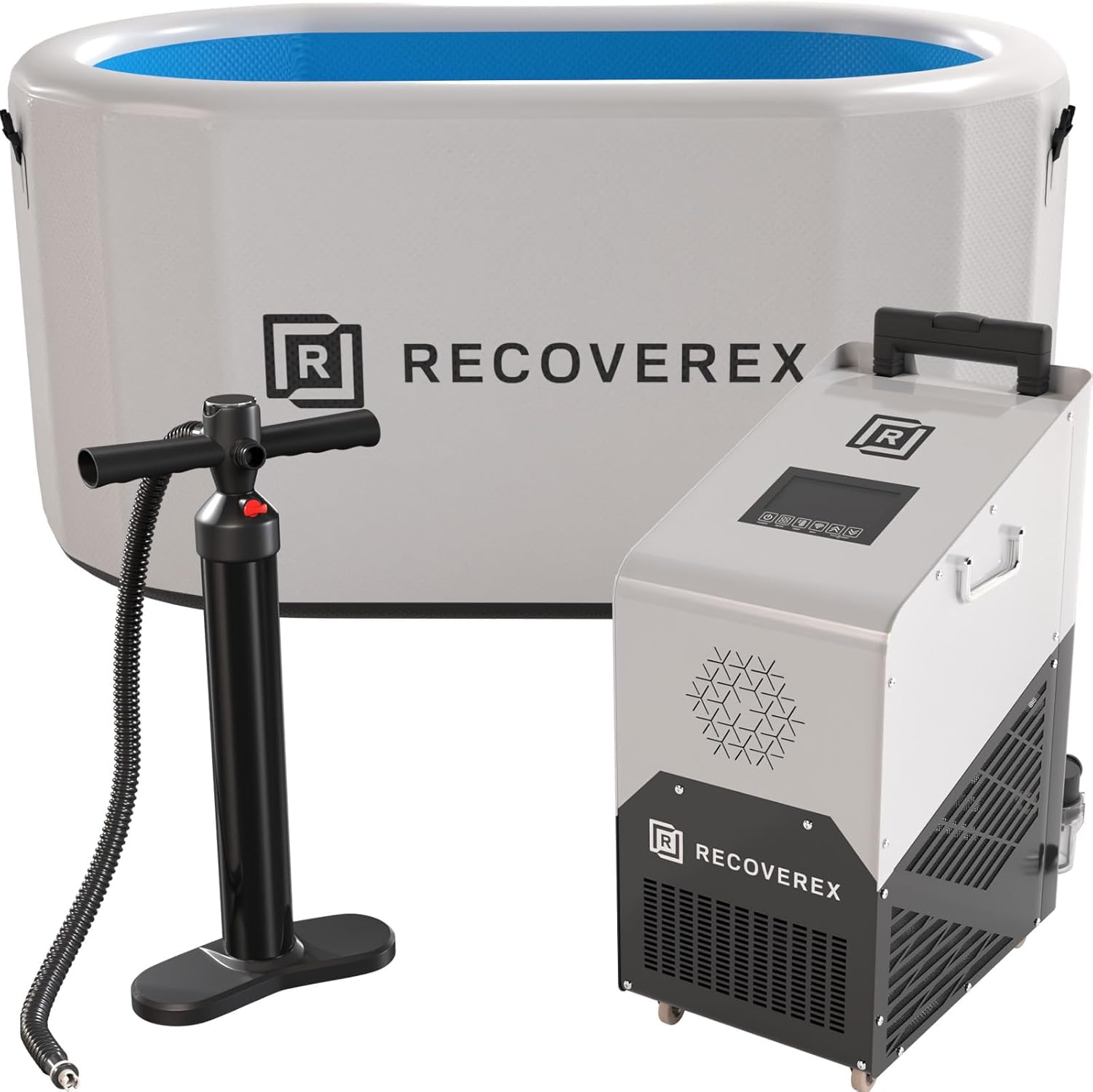
Step 1: Measure the three pinch points
- Top-of-stairs doorway: measure both the width (jamb to jamb) and the diagonal from one corner of the frame to the opposite corner. The diagonal matters when you tilt the barrel.
- Stairwell mid-run clearance: stretch a tape from the handrail face to the opposite wall. Anything under 30 inches here means you'll be pivoting the barrel sideways past the rail.
- Bottom landing turn: if the stairs dump you into a hallway or doorway at 90 degrees, measure the radius of that turn. A barrel needs roughly 38–40 inches of swept clearance to rotate around the corner on its edge.
Write all three numbers on tape and stick it to the barrel box before you open it. If any single measurement is less than 31 inches and you cannot remove a door or handrail temporarily, the barrel will not pass through.
Step 2: Prep the path
Before you touch the barrel, do three things that almost everyone skips:
- Remove the door at the top of the stairs. Pop the hinge pins—five minutes with a nail set—and you instantly gain 1.5–2 inches of width plus a much easier pivot.
- Unscrew the handrail brackets, not the rail itself. Two screws per bracket. Lay the rail flat against the wall. This often buys you another 3 inches of usable stair width.
- Lay down moving blankets on the treads. The Ice Barrel 300's recycled plastic shell is tough, but stair-tread nosings will scuff it permanently. Blankets also let the barrel slide instead of catch.
Step 3: The tilt-and-walk technique
Two adults, one on each end. The base person walks backward down the stairs; the lid person controls the angle from above.
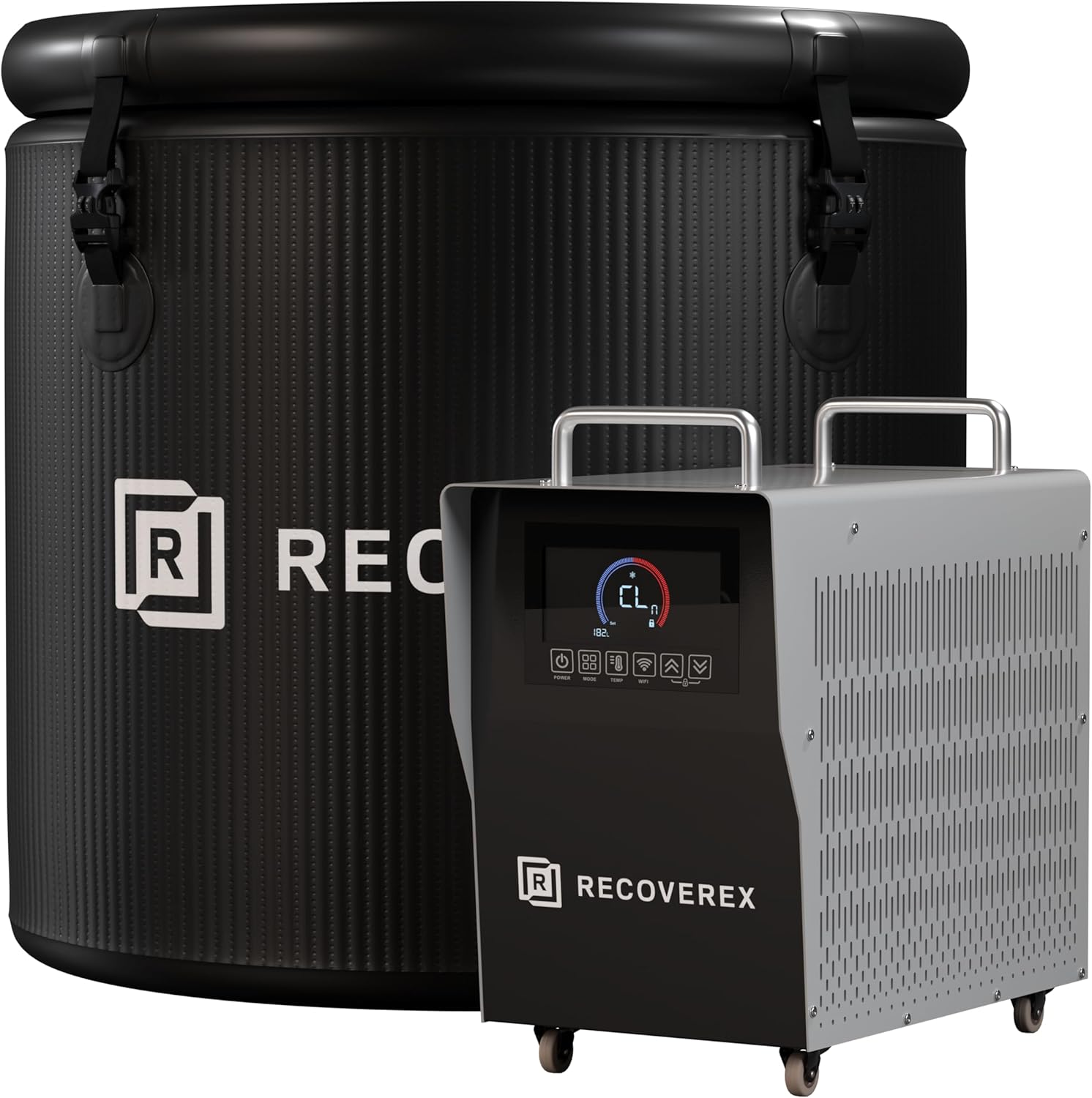
- Stand the empty barrel upright at the top landing, lid on and latched.
- Tilt the barrel toward the stair opening so it rests on the lower edge of its rolled rim, roughly 40 degrees from vertical. At this angle the effective vertical footprint shrinks to about 36 inches, which clears almost every door header.
- The base person slides one foot down per step, keeping the barrel's rim in contact with the moving blanket. Do not bear-hug the barrel—grip the rolled lip from underneath.
- At the bottom landing, rotate the barrel on its edge like a coin to make the corner. This is where the 38–40-inch sweep matters.
- Once clear of the doorway, stand the barrel back up onto its base and roll it into position.
If you live alone, do not attempt this solo. The barrel is light but awkward, and a slip on the stairs with 56 pounds of plastic above you ends badly.
Step 4: What to do if it absolutely won't fit
Some 1920s–1950s row homes and converted basements have stairwells under 28 inches of usable width with low headers and no removable door. In those houses you cannot fit Ice Barrel 300 through narrow basement stairwell openings no matter how clever the tilt. You have three realistic options:
- Move the plunge upstairs or outdoors. A garage or covered patio location skips the stairwell problem entirely.
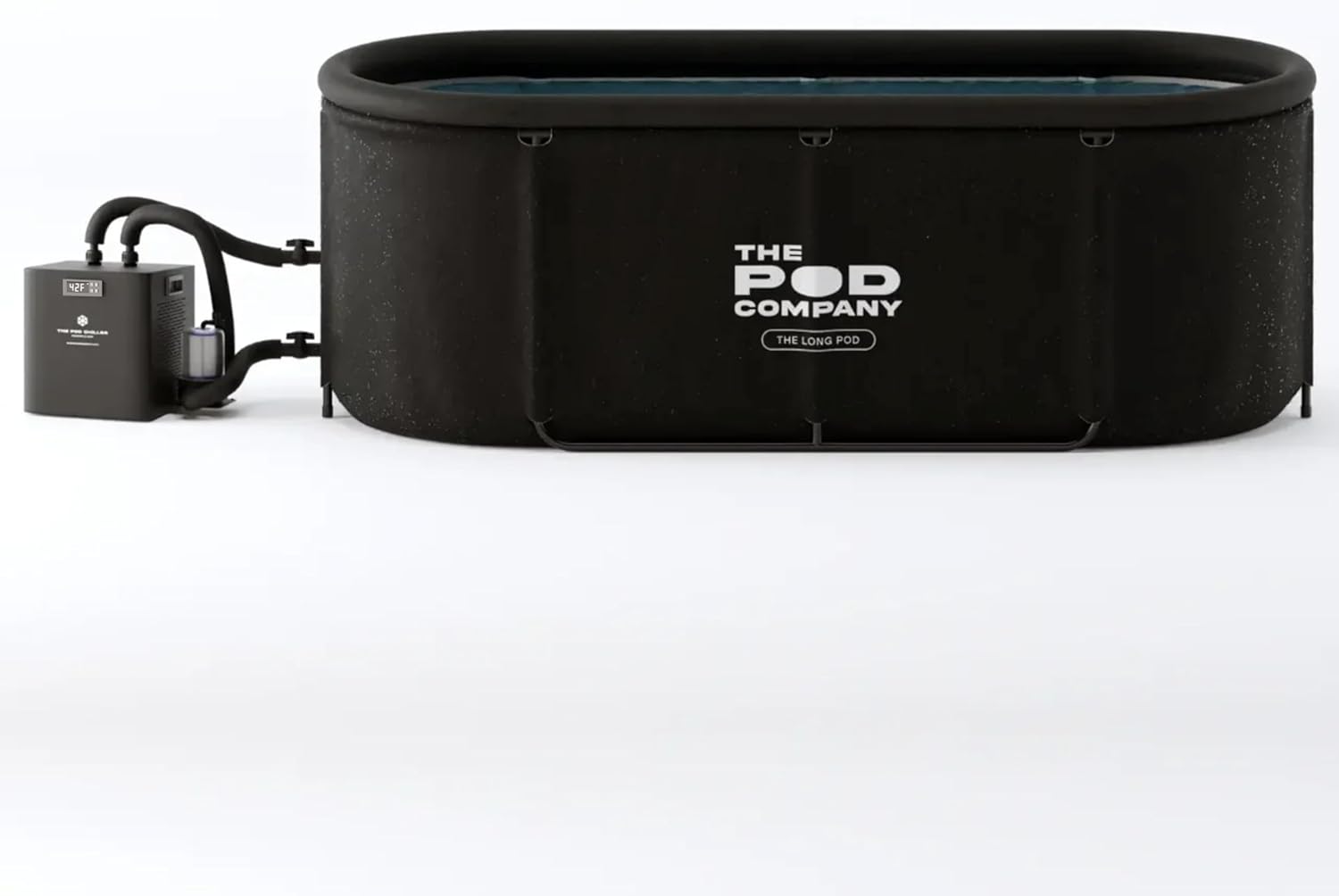
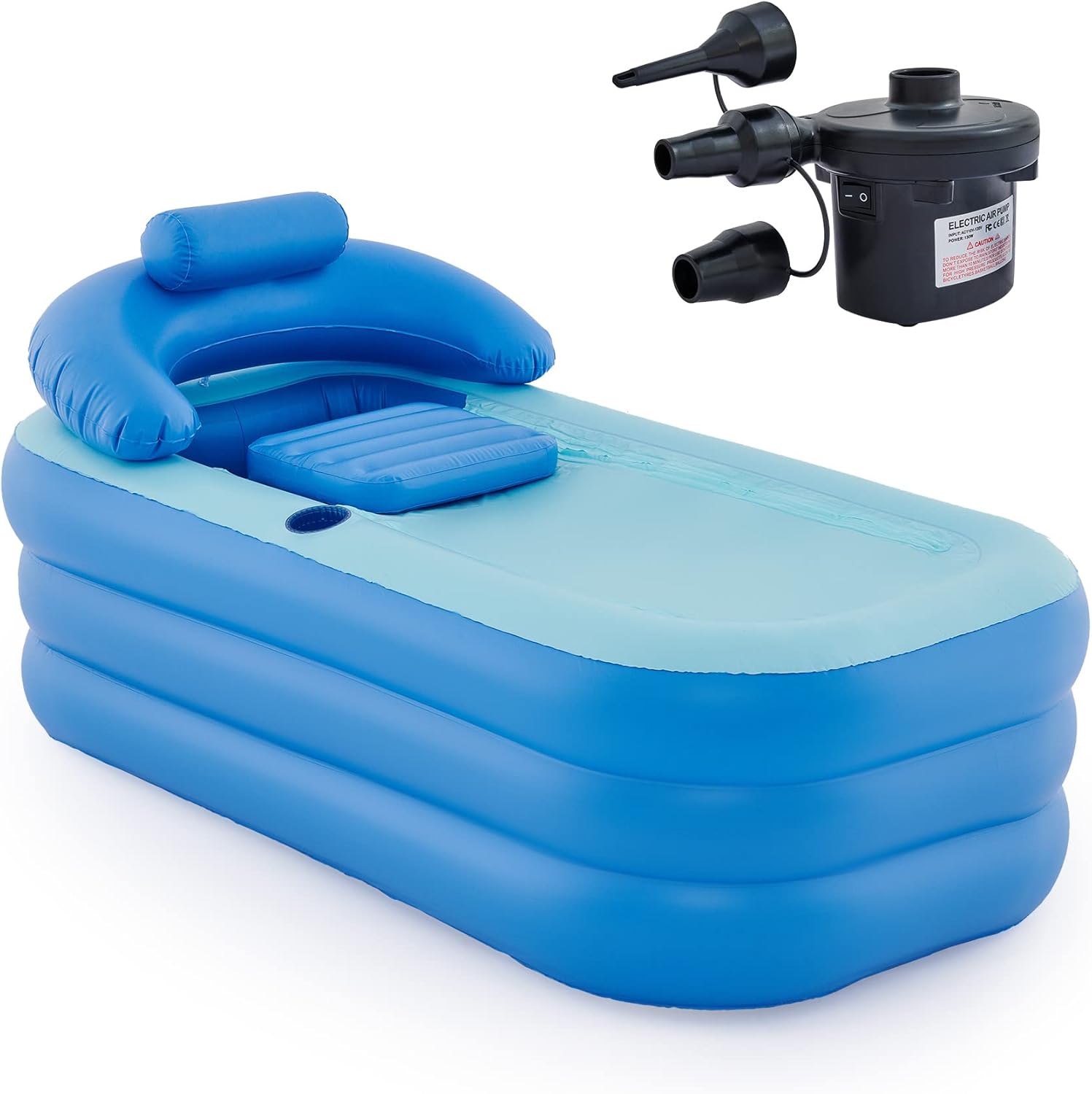
- Use a collapsible tub. Inflatable and folding cold-plunge tubs pack down to roughly 24 x 14 inches for the carry, then expand to full size once they're in the basement.
- Switch to localized cold therapy. If your goal is recovery for a specific joint—knee, shoulder, post-surgical—a recirculating cold-therapy machine delivers the therapeutic temperature without ever needing to fit through a doorway.
The third option is the one most people overlook, and it's frequently the smartest answer for anyone whose cold-plunge interest is driven by a single injury rather than full-body recovery. Our cold plunge vs. cold therapy machine comparison walks through when each format wins.
Top recovery-tool picks if the Ice Barrel won't fit
These three machines all clear any stairwell wide enough for a laundry basket and address the most common reasons people want a cold plunge in the first place.
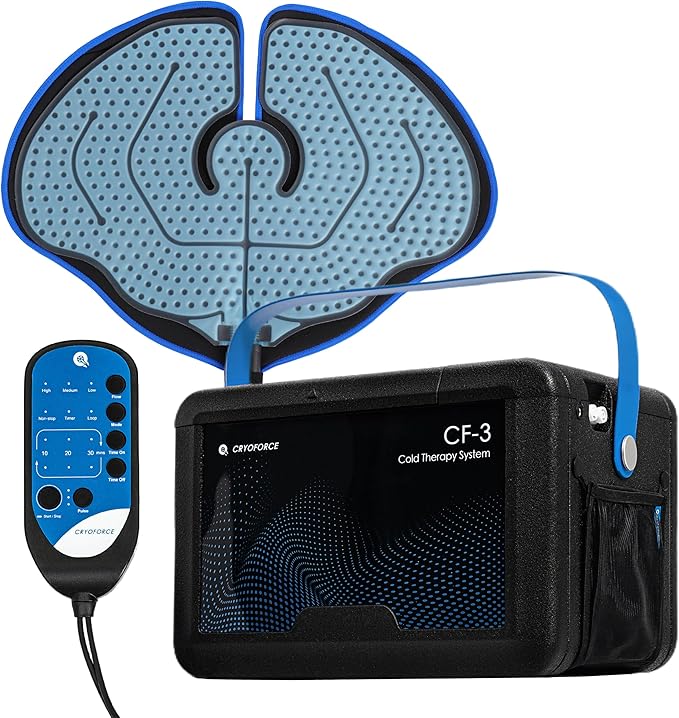
Best overall capacity: CF-3 Pro Cold Therapy Machine, 16.8QT
The CF-3 Pro's 16.8-quart reservoir is the largest in this roundup, which translates to the longest unattended runtime—roughly six to eight hours per ice fill at a sustained 40–45°F output. The reservoir, pump, and tubing pack into a single tote roughly 18 inches wide, so it walks down a stairwell one-handed. The included wrap pads cover the knee, shoulder, and lower back, and a digital timer lets you set 15-minute on/off cycles for post-workout legs or post-op recovery. For households where multiple people share recovery time, the larger reservoir means you don't refill between users. Check price on Amazon.
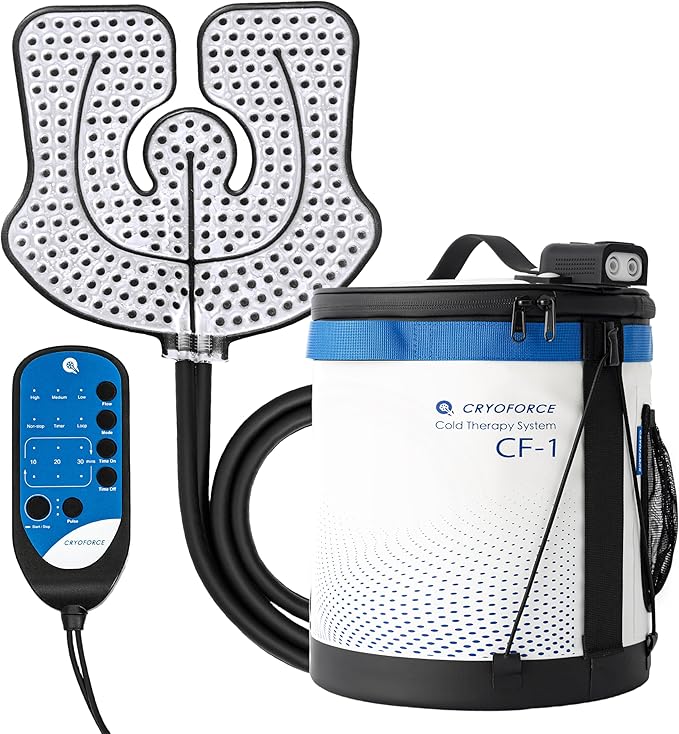
Best quiet operation: CF-1 Cold Therapy Machine for Knee Surgery Recovery
If you're running cold therapy overnight after an ACL reconstruction, meniscus repair, or rotator-cuff surgery, the CF-1 is the unit that won't wake the household. Its rated noise level sits below conversational speech, and the pump cycle is smooth rather than pulsing. It's smaller than the CF-3 Pro—ideal for a single user with a single joint to ice—and the unit's compact footprint slips under a hospital-style adjustable bed or a recliner. The knee wrap is the standout accessory: it fits over a post-op brace without bunching. Check price on Amazon.
Best programmable timer: Portable Ice Machine for Knee with Programmable Timer
This unit's selling point is the timer interface. You can set custom on/off intervals—20 minutes on, 40 minutes off is a common physical-therapist recommendation—and walk away. The reservoir is mid-sized, so it lands between the CF-1 and CF-3 Pro on capacity, and the carry handle is genuinely useful when you're moving it room to room. It's the unit we'd recommend for a basement gym setup where the user is doing other things between cold cycles rather than sitting beside the machine. Check price on Amazon.
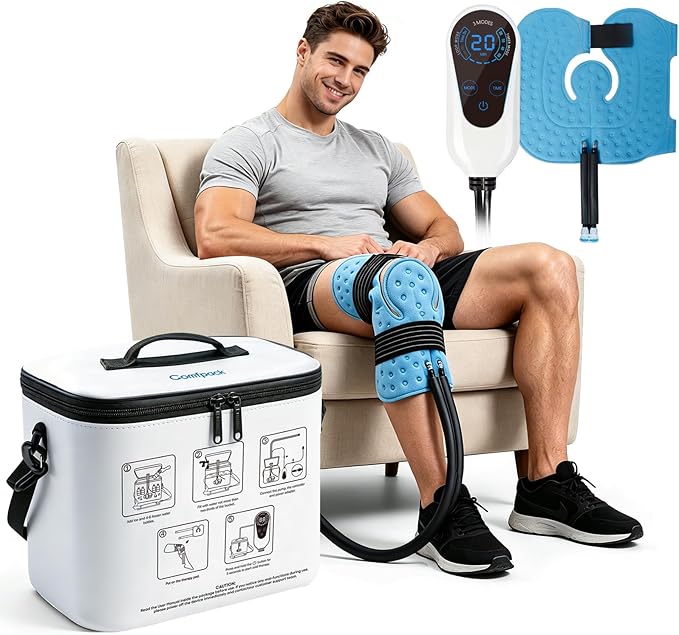
Best budget post-surgical pick: Cold Therapy Machine for Knee After Surgery, ACL Recovery
If you only need cold therapy for a defined recovery window—six to twelve weeks after surgery—the streamlined ACL-recovery unit covers the essentials at the lowest price point. It uses ice and water (no refrigerant), so there's nothing to break long-term, and the included knee wrap is sized for adult athletic legs without needing an upgrade pad. Capacity is smaller than the CF-3 Pro, meaning more frequent ice refills, but for short-term use that's a fair trade. Check price on Amazon.
Comparison: cold therapy machines that fit any stairwell
| Model | Reservoir | Best for | Noise level | Stairwell-friendly? |
|---|---|---|---|---|
| CF-3 Pro 16.8QT | 16.8 quarts | Multi-joint, multi-user households | Moderate | Yes, ~18" wide |
| CF-1 Quiet System | ~8 quarts | Overnight post-op recovery | Very quiet | Yes, compact |
| Programmable Timer Unit | ~10 quarts | Set-and-forget cycle work | Moderate | Yes, has carry handle |
| ACL Recovery Machine | ~6 quarts | Short-term post-surgical | Moderate | Yes, smallest footprint |
For a deeper look at sizing reservoirs to recovery duration, see our cold therapy machine runtime guide.
Pro tips from people who've done this move
- Carry the barrel empty, always. Filling it upstairs and trying to drain it later because "that's easier" is the single most common cause of stairwell damage.
- Practice the pivot in your living room first. Tilt the empty barrel to 40 degrees on a hardwood floor and walk it in a circle. You'll feel exactly where the balance point is before you're on the stairs.
- Tape the lid latches. The lid is secure, but a strip of painter's tape over each latch prevents an accidental opening mid-tilt.
- Photograph the doorway before removing the door. Hinge pins drop back in easily, but the strike plate alignment will thank you later.
Frequently Asked Questions
Can one person fit an Ice Barrel 300 through a narrow basement stairwell alone?
Technically yes—the barrel only weighs 56 pounds empty—but we strongly recommend two people. A solo tilt-and-walk down a staircase puts the carrier in a position where a slip means the barrel rolls onto them. The second person above the barrel acts as a brake and prevents runaway momentum on the descent.
What is the exact diameter and height of the Ice Barrel 300?
The Ice Barrel 300 measures 31 inches in outer diameter and 42 inches tall when standing upright with the lid on. When tilted to roughly 40 degrees for stair transit, its effective vertical clearance need drops to about 36 inches, which clears most standard 80-inch door headers easily.
Will the Ice Barrel 300 fit through a 30-inch doorway?
Not standing upright—the 31-inch diameter is one inch too wide. You'll need to remove the door from its hinges, which adds about 1.5 inches of clearance, and tilt the barrel to walk it through on its edge. With both of those moves combined, a 30-inch doorway is workable.
Do I need to drain the Ice Barrel 300 before moving it down stairs?
Always. The barrel holds roughly 100 gallons when filled to plunge level, which translates to around 835 pounds of water. Moving it full is not just impossible on stairs—it can crack the barrel base. Drain completely, dry the interior, and reinstall the lid before the carry.
What if my basement ceiling is too low for the Ice Barrel 300?
The Ice Barrel 300 needs about 60 inches of headroom for comfortable entry and exit—42 inches for the barrel plus 18 inches of step-over clearance. If your basement ceiling is under 7 feet, plunge entry becomes awkward but workable. Under 6.5 feet, switch to a horizontal cold-plunge tub or a recirculating cold therapy machine.
Can I disassemble the Ice Barrel 300 to fit it through a stairwell?
No. The barrel is a single rotomolded plastic shell with no field-removable panels. The lid comes off, but that doesn't change the carrying dimensions meaningfully. If the tilt-and-walk technique won't clear your stairwell, the barrel won't go down. Consider an inflatable plunge tub or a cold therapy machine instead.
Are there cold plunge tubs that fit easier through narrow stairwells than the Ice Barrel 300?
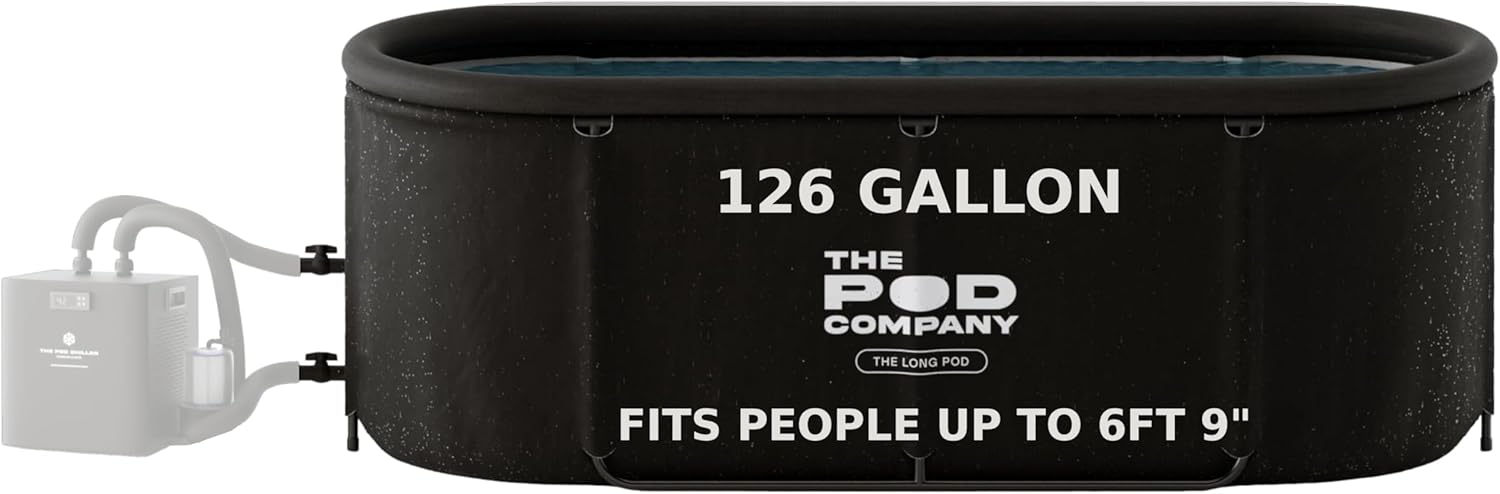
Yes—inflatable plunge tubs collapse to about 24 x 14 inches for carry, and rectangular insulated tubs can ship in flat-pack form. Both clear stairwells the Ice Barrel cannot. The trade-off is durability and insulation: the Ice Barrel holds temperature longer and lasts longer, which is why people accept the carry-down challenge in the first place.
The bottom line
To fit Ice Barrel 300 through narrow basement stairwell openings, measure your three pinch points, remove the top door and handrail brackets, lay moving blankets, and tilt-walk the empty barrel down with a partner. If your stairwell math doesn't work even with those tricks, a cold therapy machine like the CF-3 Pro or CF-1 delivers the therapeutic cold without the architectural battle. Either way, the goal is the same: get the recovery tool into the space where you'll actually use it every day.
Key Takeaways
- Choosing the right fit Ice Barrel 300 through narrow basement stairwell means matching capacity and output ports to your actual devices
- Always check actual watt-hours (Wh), not just watts — runtime depends on Wh, not peak output
- Also covers: Ice Barrel 300 dimensions doorway
- Also covers: cold plunge basement installation tight stairs
- Also covers: moving Ice Barrel down stairs
- Compare price-per-Wh across models to find the best value for your budget