For anyone navigating mast cell activation syndrome (MCAS), choosing the right cold therapy isn't as simple as buying the most popular tub on the market. Cold can stabilize mast cells for some patients and trigger massive histamine release in others. The best cold plunge tubs for mast cell activation syndrome and histamine sufferers offer precise temperature control so you can start warm and titrate down, short-duration programmable sessions, and the option for localized cold therapy when full immersion provokes flushing, hives, or anaphylactoid reactions. Below we rank the safest 2026 picks plus circulating cold-water machines that many MCAS specialists recommend before graduating to full plunges.
Why MCAS patients need a different cold therapy approach
Mast cells are immune sentinels that release histamine, tryptase, prostaglandins, and dozens of other mediators when triggered. For roughly one in five MCAS patients, cold is itself a trigger — a condition called cold urticaria — producing hives, lip swelling, dizziness, or full anaphylaxis on sudden chilling. For the rest, controlled cold exposure may actually stabilize mast cell membranes by activating cold-shock proteins (RBM3, CIRBP) and dampening TRPV1-mediated inflammation. The difference between therapy and trigger usually comes down to three variables: water temperature, exposure duration, and whether the body is fully or partially submerged.
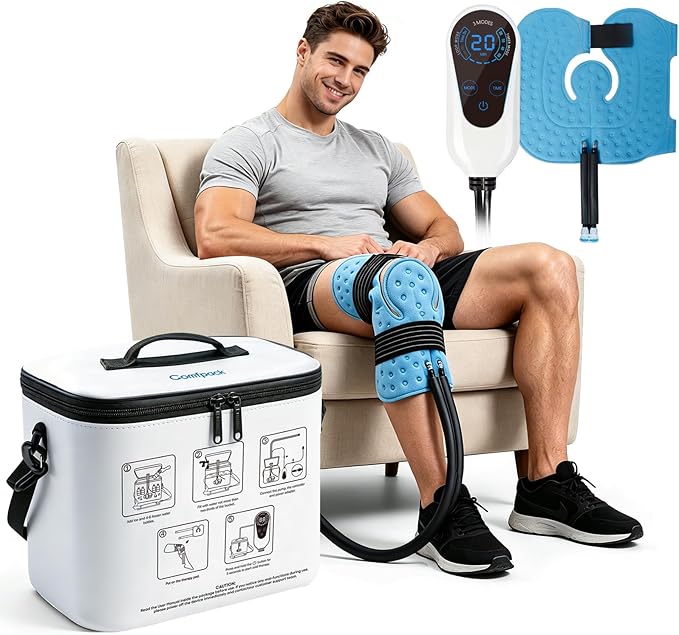
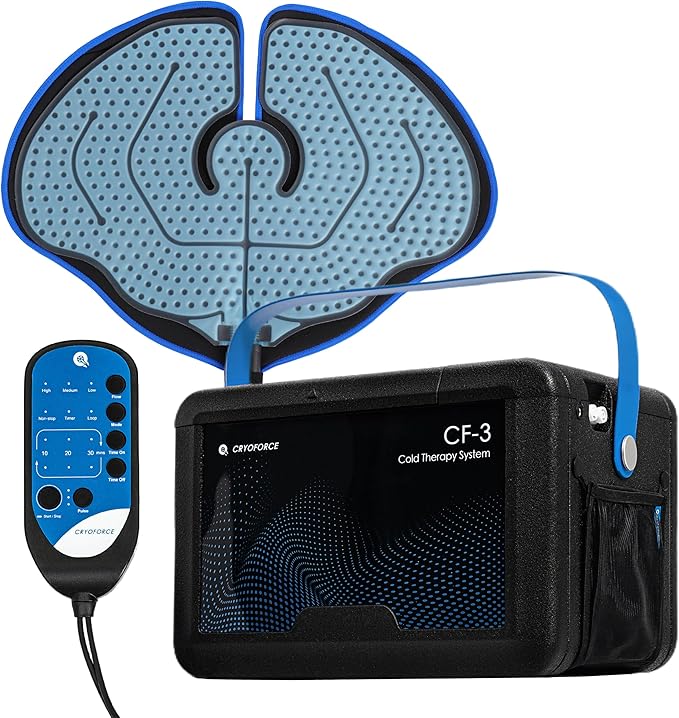
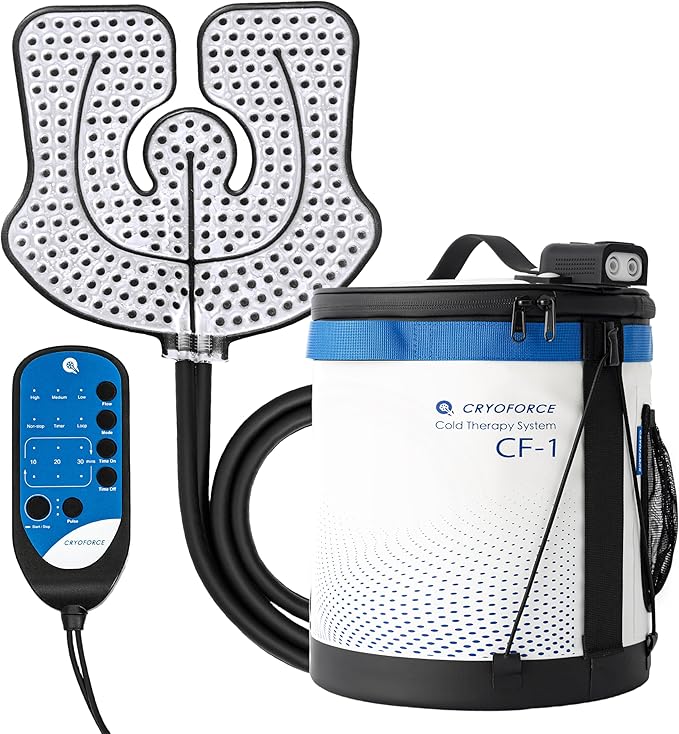
A traditional cold plunge tub set to 38°F for ten minutes is fine for a healthy athlete but catastrophic for an MCAS patient with even mild cold sensitivity. That's why our top picks emphasize adjustable temperatures (45–60°F starting range), built-in timers under five minutes, and — critically — the option for partial or localized cold contact via circulating pump systems before risking whole-body immersion.
What to look for in a histamine-safe cold therapy setup
- Temperature ceiling, not floor. Many MCAS-friendly protocols start at 55–60°F, far warmer than typical plunge marketing. Skip any tub that can't hold a steady warm-cool temperature.
- Programmable cutoffs. A 60- to 180-second auto-stop prevents the rebound histamine release that comes from over-staying.
- Localized first, full immersion later. Cold therapy machines that wrap a single joint let you test mast cell response on a small skin area before committing to whole-body cold.
- Quiet operation. Many MCAS patients also have POTS or dysautonomia; loud pumps spike sympathetic tone and can blunt the recovery benefit.
- Chemical-friendly materials. Off-gassing PVC, antimicrobial treatments, and chlorinated systems can themselves be mast cell triggers. Stainless steel reservoirs and food-grade silicone tubing are gold-standard.
- Pre-medicate per your physician — typically an H1 antihistamine (cetirizine or fexofenadine) plus an H2 blocker (famotidine) 60 minutes before.
- Keep an EpiPen within arm's reach if you have documented cold urticaria.
- Start at 60°F, not lower. Apply cold to the back of one calf for 30 seconds. Wait 24 hours.
- If no flush, hives, swelling, or POTS spike, repeat at the same temperature for 60 seconds the next day.
- Only after seven uneventful sessions should you consider lowering temperature by 2°F or expanding contact area.
Our top picks for 2026
Best for graduated cold exposure: CF-3 Pro Cold Therapy Machine (16.8QT)
The CF-3 Pro is the closest thing to a "training wheel" before a full plunge. Its 16.8-quart reservoir holds enough water to cool a large therapy pad placed across the torso, neck, or both knees — letting MCAS patients dose cold to a defined skin area instead of plunging. We like that the controller targets a stable temperature rather than a fixed-coldest setting, which matters when 50°F is your therapeutic window and 38°F is your trigger threshold. The quiet pump is friendly for anyone whose dysautonomia spikes from loud appliances. For sufferers who eventually want to graduate to a full tub, the CF-3 Pro is the safest way to confirm your mast cells tolerate cold at all. Check current price on Amazon.
Best for first-time titration: CF-1 Cold Therapy Machine
If the CF-3 Pro feels like overkill, the smaller CF-1 is our pick for testing cold tolerance the first time. It's quiet, packs a programmable timer that lets you start with 60-second exposures, and the smaller reservoir means less water to chill — useful if you're battery-conserving on a flare day. We recommend MCAS patients keep their first three sessions at 55°F or warmer, applied only to the back of the neck or a single quadricep. View on Amazon.
Best for post-surgical recovery in MCAS patients: ACL Recovery Cold Therapy Machine
MCAS patients undergoing surgery face a difficult bind: NSAIDs may trigger flares, but uncontrolled inflammation is itself a mast cell trigger. Cold therapy is one of the few inflammation-control tools that doesn't introduce a new chemical exposure. This ACL recovery-focused machine is built for sustained, gentle joint cooling — the kind of post-op cold dose that helps without provoking a systemic histamine response from sudden cold immersion. See it on Amazon.
Best programmable timer for short-burst protocols: Portable Cold Therapy Machine
Many MCAS-aware practitioners recommend "micro-dose" cold protocols — 30 to 90 seconds, three times daily — instead of the standard ten-minute plunge. This portable model's programmable timer lets you dial in exactly that, then enforces the cutoff automatically so you don't drift into trigger territory mid-meditation. The compact footprint also fits in a small bathroom, which matters for patients who can't manage a full backyard plunge installation. View on Amazon.
Comparison table
| Model | Reservoir | Best use case | Programmable timer | Noise level |
|---|---|---|---|---|
| CF-3 Pro | 16.8 QT | Graduated full-body coverage | Yes | Quiet |
| CF-1 | Small | First-session titration | Yes | Quiet |
| ACL Recovery Machine | Moderate | Post-surgical localized cold | Basic | Moderate |
| Portable Programmable | Compact | Micro-dose 30–90s protocols | Yes, precise | Quiet |
How to structure a first session if you have MCAS
Even with the right equipment, the first cold session for an MCAS patient should look almost nothing like a Wim Hof video. We recommend the following protocol, developed in consultation with patient communities and modeled on cold urticaria desensitization research:
Patients investigating cold plunge tubs for mast cell activation syndrome and histamine reactions should never start at full-body immersion — that's how triggering events happen even with otherwise well-tolerated cold. For broader context on selecting recovery tools when your immune system is dysregulated, see our companion guide on cold therapy for autoimmune recovery.
The full-immersion question
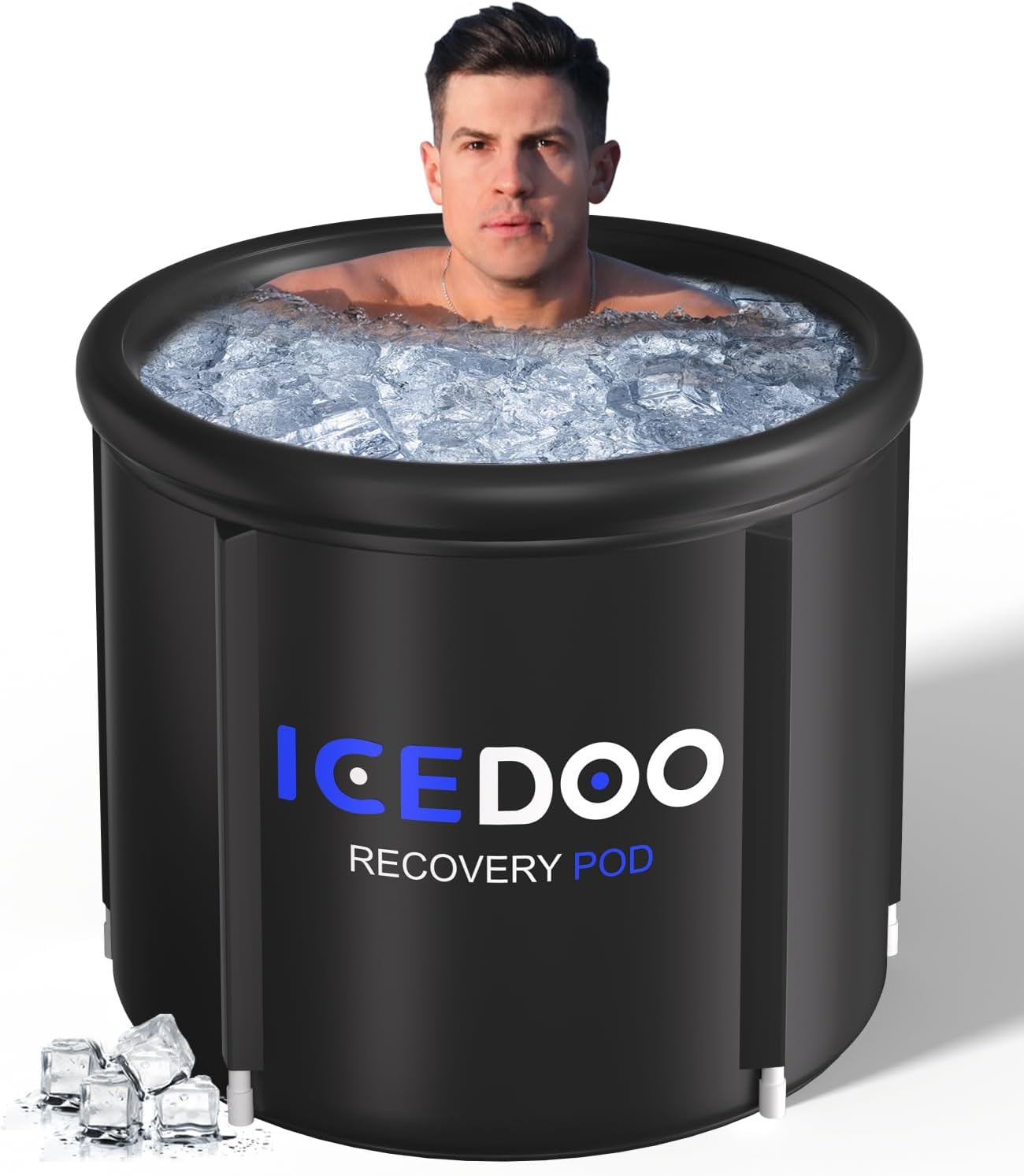
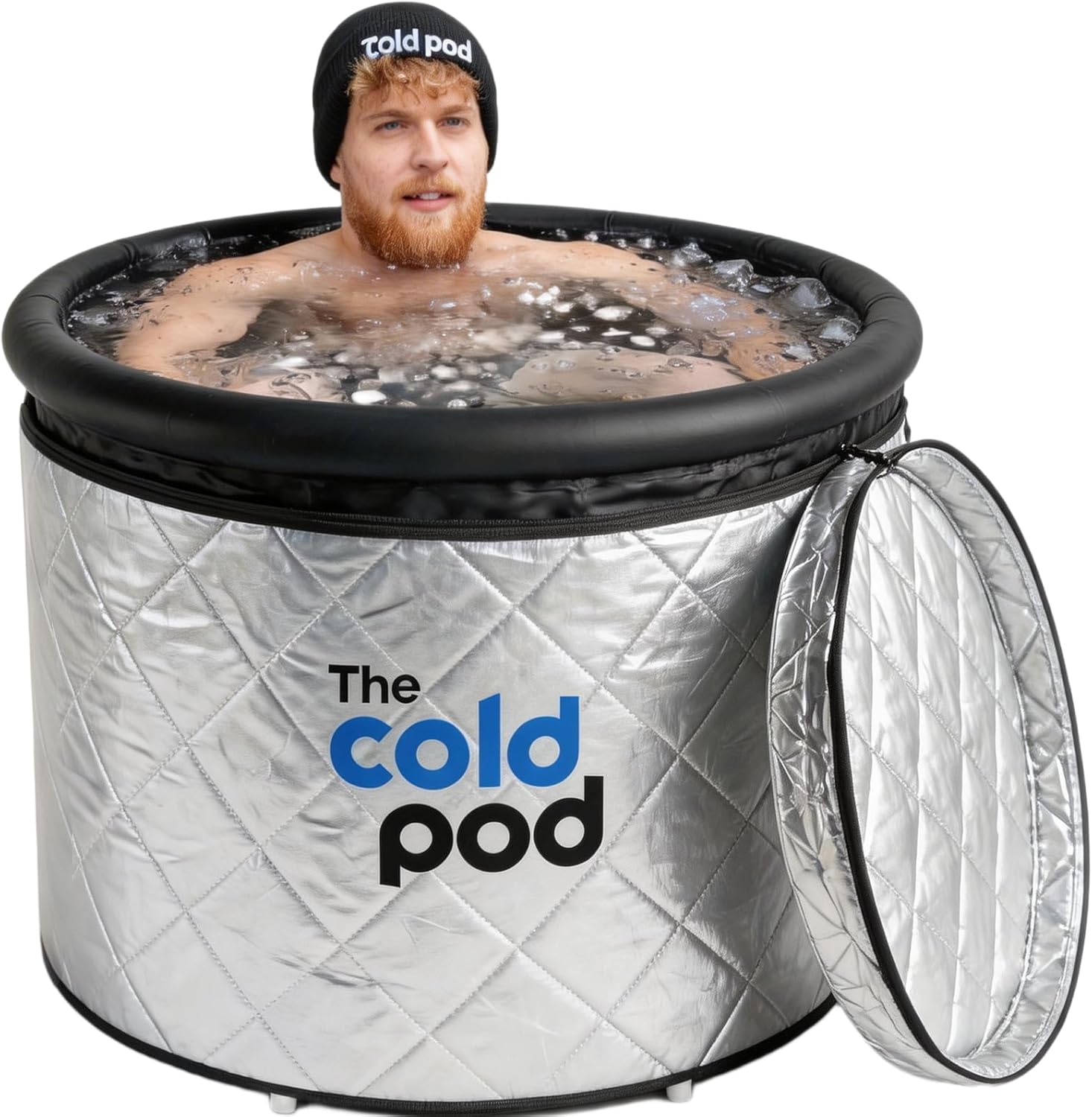
Once a patient has tolerated localized cold for several weeks, the question of a full tub becomes reasonable. Stock barrel-style cold plunges are usually a poor fit because they lack temperature precision. Look instead for tubs with built-in chillers that hold a set temperature (most useful at 50–55°F rather than 38°F), insulated lids that minimize off-gassing of cleaning agents, and ozone-free sanitation. None of the Amazon-listed products above are full tubs — they're circulating cold therapy machines, which is why we lead with them. They give MCAS patients a way to access the cold-shock protein benefits without the catastrophic-trigger risk of full immersion. See also our roundup of recovery tools for chronic illness and our piece on cold exposure protocols for dysautonomia.
Frequently Asked Questions
Can cold plunging trigger a mast cell flare?
Yes, and it's one of the most common acute triggers in MCAS communities. Sudden whole-body cold exposure provokes histamine release through cold-receptor activation (TRPM8) and skin barrier disruption. Patients with diagnosed or suspected cold urticaria should never plunge without pre-medication and physician oversight. Localized cold therapy machines are a much safer starting point.
What temperature is safest for histamine sufferers?
Most MCAS-aware clinicians recommend starting at 55–60°F, far warmer than the 38–45°F range marketed to athletes. The therapeutic window for mast cell stabilization appears to begin around 60°F; lower temperatures aren't proven to be more effective and significantly increase trigger risk.
How long should an MCAS patient stay in cold water?
Short. Begin with 30-second exposures and only progress to 90 seconds after several uneventful sessions. There's no evidence that ten-minute plunges offer any benefit MCAS patients can't achieve from one-to-three-minute exposures, and the longer duration sharply raises the chance of a delayed histamine surge two to six hours post-session.
Are ice baths or cold-water machines better for histamine intolerance?
Cold-water circulating machines are generally safer because they allow localized contact, precise temperature control, and short programmable durations. Ice baths involve more variable temperatures and tempt patients into longer immersions. Once tolerance is established, a temperature-controlled cold plunge tub becomes a reasonable upgrade — but only after weeks of successful localized exposure.

Should I take antihistamines before cold therapy?
Most MCAS specialists recommend pre-medicating with H1 and H2 antihistamines for the first several months of cold exposure work, then re-evaluating. Do not stop or start medications without consulting your prescriber. Some practitioners also add a mast cell stabilizer (cromolyn or quercetin) 30 minutes before sessions, but the evidence is anecdotal.
Can cold therapy actually help MCAS or just hurt it?
Animal and small human studies suggest controlled cold exposure increases cold-shock proteins that have anti-inflammatory and mast-cell-stabilizing effects. Many MCAS patients report meaningful symptom reduction after months of careful titration. "Controlled" is the operative word — uncontrolled plunging in this population frequently makes symptoms dramatically worse.
What materials should I avoid in a cold plunge or therapy machine?
Avoid soft PVC liners (which off-gas plasticizers), antimicrobial-treated fabrics on cold wraps (often quaternary ammonium compounds, a known mast cell trigger), and any system requiring chlorine or bromine sanitation. Look for stainless steel reservoirs, food-grade silicone tubing, and ozone- or UV-free filtration.
Bottom line
The honest answer in 2026 is that most "cold plunge tubs" marketed to the wellness mainstream are wrong for MCAS patients out of the box — they're too cold, hold too much water, and don't support the short-burst localized protocols this population needs. The CF-3 Pro and CF-1 cold therapy machines are our top picks specifically because they let you treat cold like a titrated medication rather than a brute-force shock. Patients researching cold plunge tubs for mast cell activation syndrome and histamine reactions should treat this article as a starting point, work with an MCAS-literate physician, and progress slowly. The reward — meaningful inflammation reduction without pharmaceutical side effects — is real for many patients, but only when the protocol respects the disease.
Key Takeaways
- Choosing the right cold plunge tubs for mast cell activation syndrome and histamine means matching capacity and output ports to your actual devices
- Always check actual watt-hours (Wh), not just watts — runtime depends on Wh, not peak output
- Also covers: MCAS cold water tolerance
- Also covers: cold urticaria safe plunge
- Also covers: histamine intolerance ice bath
- Compare price-per-Wh across models to find the best value for your budget