Choosing cold plunge tubs for ALS patients with progressive muscle weakness is genuinely difficult, and honestly, full-body immersion is rarely the right answer. People living with amyotrophic lateral sclerosis often have impaired thermoregulation, weakened respiratory muscles, and reduced mobility, which makes traditional ice baths risky without close caregiver supervision and physician clearance. In 2026, most ALS-focused occupational therapists steer families toward targeted cold therapy machines that deliver controlled, localized cooling to spastic limbs, painful joints, or fatigued muscle groups, rather than open tubs that require self-extraction. This guide compares the safest options, what to look for, and why a programmable cold therapy unit usually beats an open plunge for progressive neuromuscular conditions.
Why Traditional Cold Plunge Tubs Are Rarely Safe for ALS
A standard cold plunge tub asks the user to lower themselves into 45–55°F water, regulate their breathing, and climb out under their own power. For someone with progressive lower motor neuron disease, every one of those steps becomes a fall risk, an aspiration risk, or a hypothermia risk. ALS frequently affects the diaphragm and intercostal muscles, so the involuntary gasp reflex triggered by cold immersion can precipitate a respiratory event. Bulbar symptoms can compromise the swallow reflex, raising the danger if any water is inhaled. And distal weakness in the hands and feet means grip-based exits from a tub are unreliable.
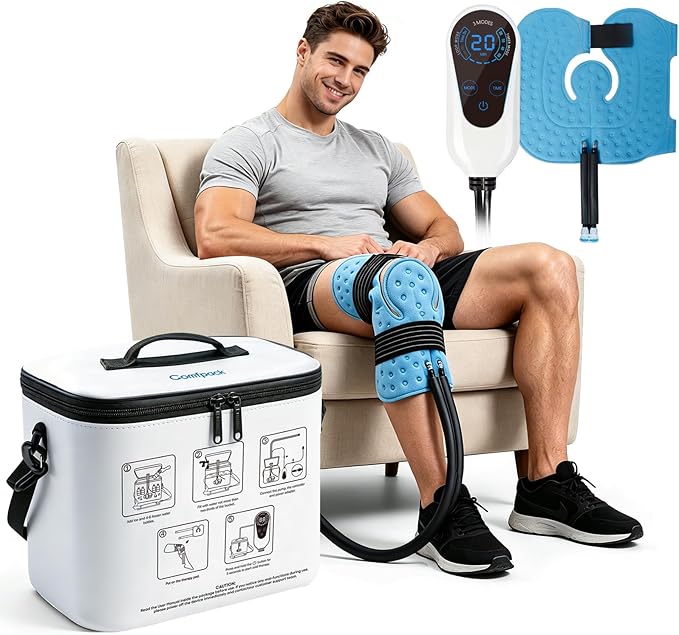
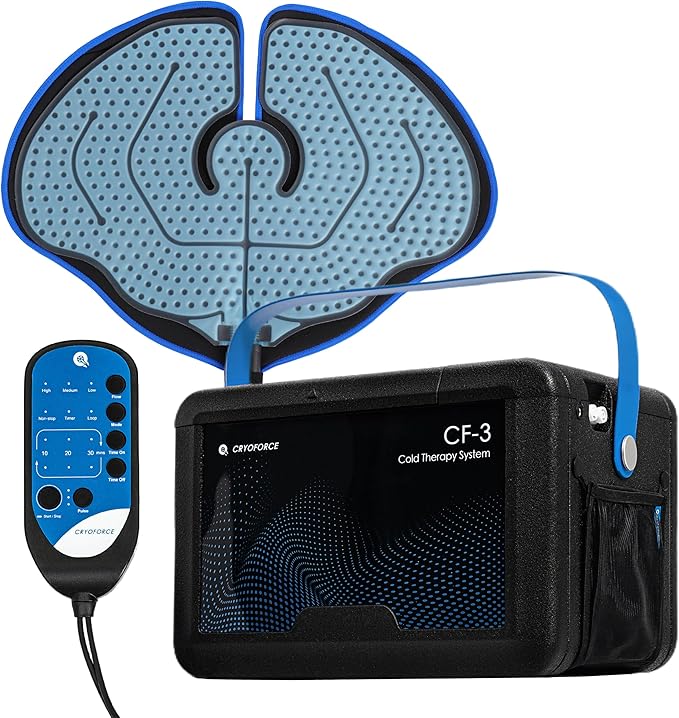
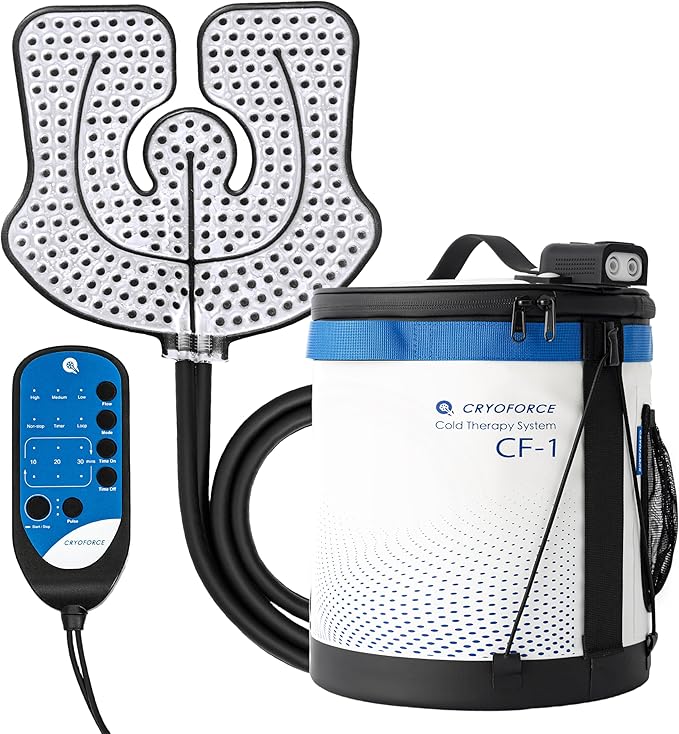
This is why neurologists and ALS clinic occupational therapists in 2026 increasingly recommend contained cold therapy systems — pump-driven machines that circulate chilled water through a wrap placed on a specific body part — instead of full immersion. These deliver the validated benefits of cryotherapy (reduced spasticity, dampened cramping, decreased inflammation around overworked compensatory muscles) without ever asking the patient to enter or exit water. For the rest of this guide, we'll evaluate cold plunge tubs for ALS patients through that safety-first lens and recommend specific units that fit a progressive-weakness use case.
What to Look For in Cold Therapy Tools for Progressive Muscle Weakness
- Caregiver-operated controls. Buttons should be large, tactile, and operable by a partner or aide — not require fine motor input from the patient.
- Programmable timers. Sessions should auto-shut-off to prevent skin damage from prolonged exposure, which is a real concern when sensation is altered.
- Quiet operation. ALS patients often spend long stretches resting; a noisy compressor disrupts sleep and household calm.
- Adequate reservoir capacity. Larger tanks mean fewer ice refills, reducing caregiver burden during multi-session days.
- Universal pad compatibility. Wraps that fit knee, shoulder, calf, and thigh let you address whichever muscle group is symptomatic that week.
- Stable temperature output. Avoid units that swing between near-freezing and tepid; consistency protects insensate skin.
Comparison: Cold Therapy Machines Suited to ALS Home Care
| Model | Reservoir | Timer | Best For | Caregiver Ease |
|---|---|---|---|---|
| CF-3 Pro | 16.8 QT | Yes | Multi-session days, larger limbs | Excellent |
| CF-1 Quiet | ~9 QT | Basic | Bedside use, nighttime spasticity | Very Good |
| Portable Programmable | Mid-size | Programmable | Travel, clinic visits, mobile aides | Good |
| ACL Recovery Unit | Compact | Manual | Single-joint focus, knee contracture pain | Good |
Top Cold Therapy Picks for ALS Patients in 2026
1. CF-3 Pro Cold Therapy Machine — Best Overall for Multi-Limb Symptom Management
The CF-3 Pro's 16.8-quart reservoir is the practical headline here. ALS caregivers often run two or three cold sessions a day across different muscle groups — calves cramping in the morning, shoulder pain from transferring in the afternoon, thigh spasticity at night — and a small reservoir means constant ice refills. The CF-3 Pro holds enough chilled water to handle a 20-minute session on a large pad without thermal drift, and the unit is engineered for quiet operation so it doesn't disturb a patient who needs to nap during therapy. Pad sizes accommodate both knee and shoulder anatomies, which translates well to thigh and upper arm placement on adults with neuromuscular conditions. Family caregivers consistently flag the simple top-panel interface as a win when their loved one no longer has the dexterity to manage controls themselves. Check the CF-3 Pro on Amazon.
2. CF-1 Cold Therapy Machine — Best Quiet Option for Bedside and Overnight Use
If your priority is overnight spasticity relief — a common pain pattern when ALS affects the gastrocnemius and hamstring groups — the CF-1's quiet ice therapy system is the unit to consider. It's smaller and more bedside-friendly than the CF-3 Pro, with a footprint that fits on a nightstand or a bedside cart. The compressor noise is low enough that a sleeping patient won't be roused, which matters because sleep quality is already compromised in many ALS patients due to nocturnal hypoventilation and cramping. The trade-off is reservoir size: you'll refill it more often than the Pro, so it's better suited to households with one primary symptomatic limb rather than full-body symptom rotation. View the CF-1 on Amazon.
3. Portable Cold Therapy Machine with Programmable Timer — Best for Travel and Clinic Days
ALS care involves frequent neurologist, pulmonology, and physical therapy appointments, and a portable cold therapy machine with a programmable timer pays for itself the first time you use it during a long clinic waiting-room afternoon. The programmable timer is the standout feature for caregivers: set the session length, walk away to help with transfers or paperwork, and the unit shuts off automatically. That auto-off behavior is genuinely important when the patient has reduced sensation and can't reliably signal that the cold has become too intense. The portable form factor also makes it the right choice if your family is traveling for second opinions, ALS Association clinic visits, or holiday stays with relatives. See the portable unit on Amazon.
4. Cold Therapy Machine for ACL Recovery — Best Single-Joint Option
While marketed for post-surgical ACL rehabilitation, this unit is a sensible budget pick when ALS-related symptoms are concentrated in one knee — for example, when contracture and quadriceps cramping dominate an otherwise stable presentation. The knee-shaped pad ensures consistent contact across the joint without requiring careful positioning, which helps when patient movement during therapy is unpredictable due to fasciculations. It's a manual-timer unit, so a caregiver needs to remain attentive, but the simplicity is itself a feature for families overwhelmed by medical equipment. Check pricing on Amazon.
How to Safely Use Cold Therapy with ALS at Home
Before integrating any cold therapy device into an ALS care plan, talk with the patient's neurology team and physical therapist. Cold can transiently reduce spasticity and dampen muscle cramping, but it can also worsen stiffness in some presentations and is contraindicated in the presence of Raynaud's phenomenon, cold-induced bronchospasm, or compromised circulation. Here are the practical home-use principles caregivers should follow:
- Limit sessions to 15–20 minutes. Longer exposures risk skin injury when sensation is altered.
- Always use a barrier layer. A thin cotton sleeve between the pad and skin reduces frostbite risk.
- Check the skin every 5 minutes. Look for excessive blanching, mottling, or any color change suggesting compromised perfusion.
- Never run cold therapy unattended. Even with programmable shutoffs, an ALS patient may be unable to call for help if something feels wrong.
- Avoid the chest and abdomen. Cold over the diaphragm region can trigger respiratory distress in patients with reduced pulmonary reserve.
- Document response. Track which muscle groups respond, for how long, and at what time of day, so the care team can refine the plan.
Cold Plunge Tubs Considered (and Why We Set Them Aside)
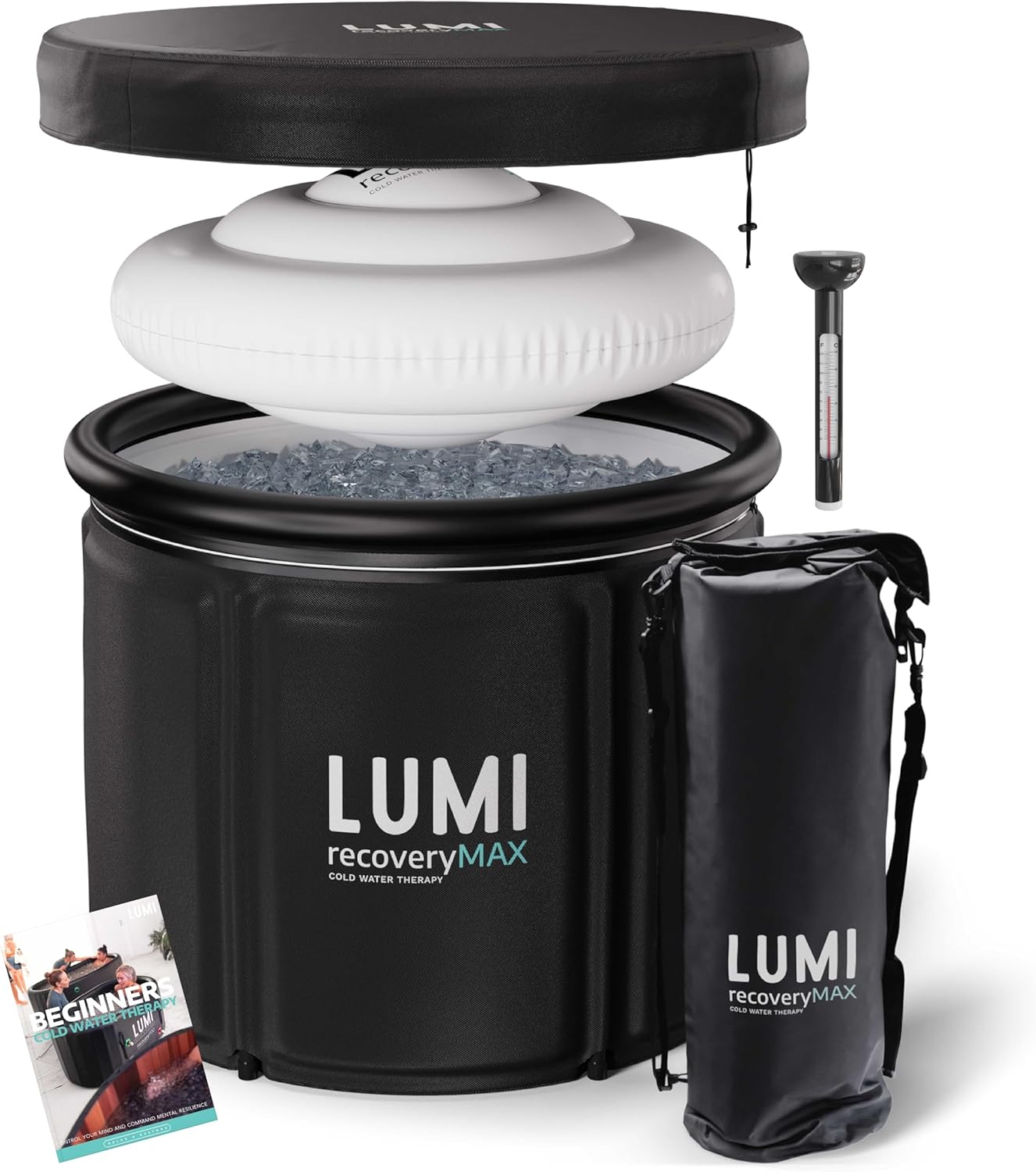
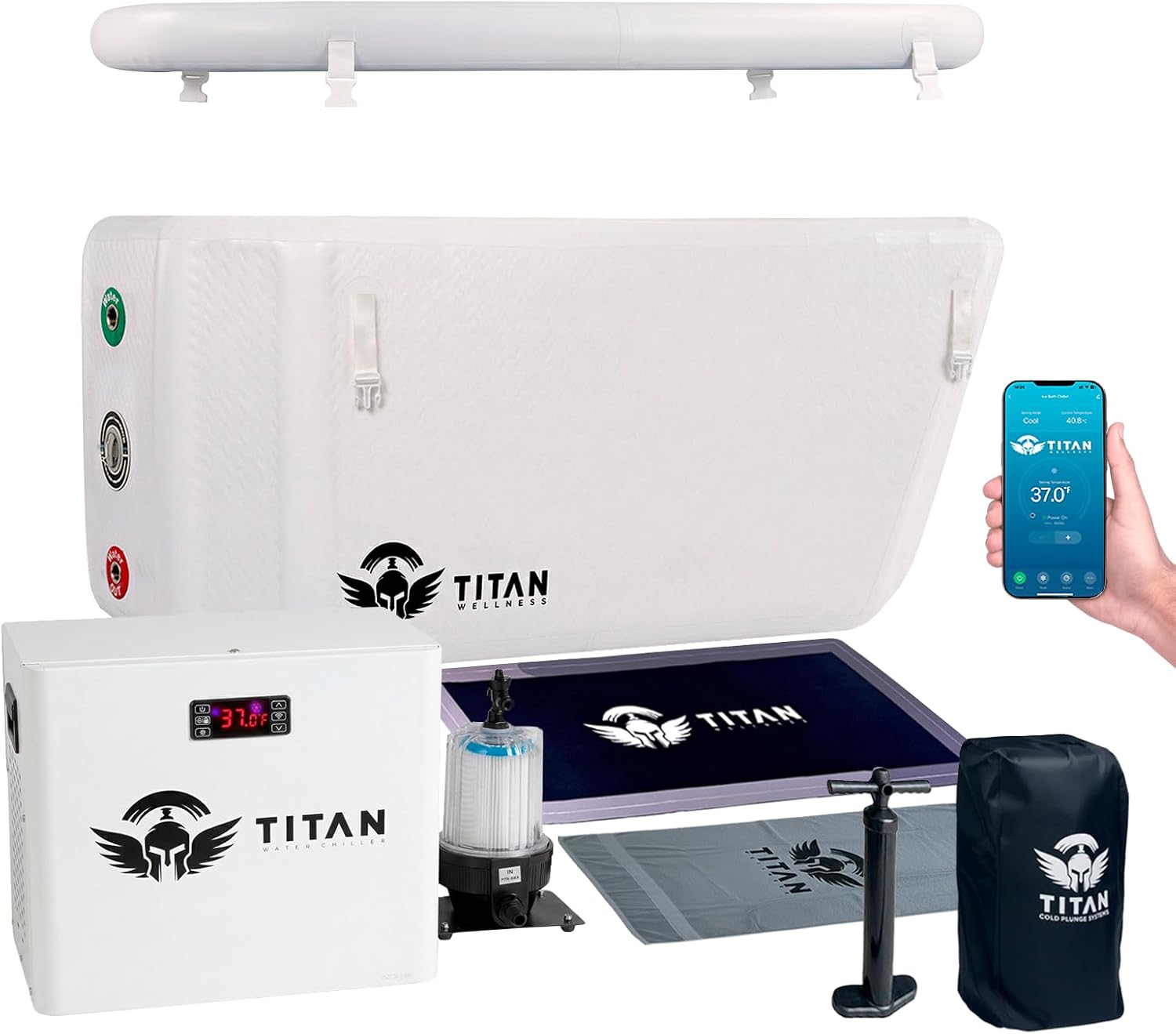
Full-immersion cold plunge tubs — the inflatable barrels and chest freezers popular in 2026 athletic recovery — receive significant attention online, but they're a poor structural fit for ALS care. Entering and exiting requires standing balance, sustained grip strength, and protected airway control, all of which the disease compromises. Even with a caregiver actively assisting, the transfer mechanics create fall risk and place caregiver lifting strain at a level that often exceeds safe handling limits. If your clinical team has specifically recommended whole-body cooling, hospital-grade cooling vests or wraps under medical supervision are a safer pathway than a consumer tub. For most home settings, the contained cold therapy machines reviewed above deliver the recovery benefits families are seeking without those risks.
For complementary recovery strategies worth exploring, see our pieces on cold therapy for neuromuscular conditions, caregiver-friendly recovery tools, and safe home recovery equipment in 2026.
Frequently Asked Questions
Are cold plunge tubs safe for someone with ALS and progressive muscle weakness?
Full-immersion cold plunge tubs are generally not recommended for ALS patients. The cold shock response can stress weakened respiratory muscles, transfers in and out create fall risk, and impaired thermoregulation increases hypothermia danger. Targeted cold therapy machines that deliver chilled water to a specific limb via a wrap are considered the safer alternative. Always consult the patient's neurologist before introducing any cold therapy.
Can cold therapy reduce muscle cramping in ALS patients?
Many ALS patients and caregivers report that localized cold therapy helps reduce the intensity of muscle cramps and fasciculations in affected limbs. Short, supervised cold sessions on cramping calves, thighs, or shoulders can offer temporary symptomatic relief. Cold therapy does not slow disease progression, so it should be viewed as comfort-focused rather than disease-modifying, and should always be combined with the patient's prescribed therapy plan.
How long should a cold therapy session last for someone with ALS?
Most clinicians recommend 15–20 minute sessions with a thin cotton barrier between the cold pad and the skin. Because sensation can be altered in advanced ALS, the caregiver must monitor skin color and the patient's comfort every five minutes. Programmable timers that auto-shut-off, like those on the CF-3 Pro and the portable unit reviewed above, add a critical safety margin.
Which is better for ALS care: ice packs or a cold therapy machine?
A cold therapy machine is usually preferable for sustained ALS use. Ice packs lose temperature quickly, can create localized frostbite hotspots, and require the caregiver to reposition them constantly. A pump-driven cold therapy unit maintains consistent temperature, distributes cooling evenly across the wrap, and frees the caregiver for other care tasks during the session.
Can a caregiver operate these cold therapy units without medical training?
Yes. The units reviewed above use simple top-panel controls and pre-shaped wraps that are designed for home use. Family caregivers can operate them confidently after a brief orientation from the physical therapy team. The main caregiver responsibilities are correct pad placement, skin monitoring, and adherence to the time limit prescribed by the patient's care plan.
Will insurance or Medicare cover cold therapy machines for ALS patients?
Coverage in 2026 varies. Some Medicare Advantage and private insurance plans will cover a cold therapy machine when prescribed by a physician for documented spasticity, post-procedural recovery, or chronic musculoskeletal pain associated with neuromuscular disease. Ask the ALS clinic social worker to help draft a letter of medical necessity. Many families also purchase units out-of-pocket through Amazon for faster access.
Are there cold therapy products to avoid for ALS patients?
Avoid whole-body cryotherapy chambers, full-immersion cold plunge tubs without medical supervision, and any device with vague temperature controls or no auto-shutoff timer. Also avoid units with controls that require fine motor manipulation by the patient — caregiver-operated designs are safer as the disease progresses. Focus on contained, targeted, programmable systems instead.
Final Recommendation
For most families searching for cold plunge tubs for ALS patients in 2026, the realistic answer is that a targeted, caregiver-friendly cold therapy machine will outperform a traditional ice bath on every dimension that matters: safety, ease of use, and symptom-specific relief. The CF-3 Pro is our top overall pick because its capacity and quiet operation support the multi-session pattern most ALS households fall into. The CF-1 is the best bedside companion, and the programmable portable unit is the right pick when travel and clinic days dominate the calendar. Whichever you choose, coordinate the plan with the ALS care team — they can match the device to the specific symptom pattern and ensure cold therapy is integrated safely with the rest of the patient's regimen.
Key Takeaways
- Choosing the right cold plunge tubs for ALS patients means matching capacity and output ports to your actual devices
- Always check actual watt-hours (Wh), not just watts — runtime depends on Wh, not peak output
- Also covers: ALS cold therapy options
- Also covers: accessible cold plunge for neuromuscular disease
- Also covers: cold plunge with caregiver lift access
- Compare price-per-Wh across models to find the best value for your budget